
Symptoms of Haemochromatosis
The symptoms of haemochromatosis are often subtle in the early stages, which can make diagnosis challenging. Many individuals live with excess iron in their body for years before experiencing any noticeable health issues. However, as iron builds up over time, the symptoms of haemochromatosis can become wide-ranging and affect multiple organs, potentially leading to serious complications if left untreated.
Haemochromatosis is a genetic condition in which the body absorbs and stores too much iron from food. This excess iron is deposited in various tissues and organs, including the liver, heart, joints, pancreas, and skin. If not recognised early, it can result in irreversible damage. Early detection and treatment can prevent most long-term consequences.
Common Early Symptoms
The initial signs of haemochromatosis are often vague and nonspecific, which can lead to confusion with other conditions. These early symptoms include:
Chronic fatigue or low energy levels
Joint pain, especially in the hands and knuckles
Abdominal discomfort or unexplained bloating
Decreased libido or sexual dysfunction
Unexplained weight loss
Mood changes, including depression or irritability
Because these symptoms are common in other disorders or even in healthy ageing, they are frequently overlooked or misattributed to lifestyle stress or menopause.
Skin Changes
One of the hallmark symptoms, though it appears in later stages, is a bronze or greyish skin tone. This occurs when iron deposits affect the skin’s pigmentation, giving it a tanned or metallic appearance—sometimes referred to as “bronze diabetes” when combined with elevated blood sugar.
While this pigmentation is striking, it may go unnoticed or be mistaken for a natural tan. It usually only occurs after prolonged iron overload.
Joint and Muscle Problems
Haemochromatosis commonly affects the joints, particularly:
The knuckles of the index and middle fingers
The hips, knees, and ankles
This may result in:
Arthritis-like symptoms, such as stiffness, swelling, and pain
Reduced mobility
Early-onset osteoarthritis
Joint symptoms often persist even after treatment, making them one of the more frustrating long-term effects.
Liver Symptoms
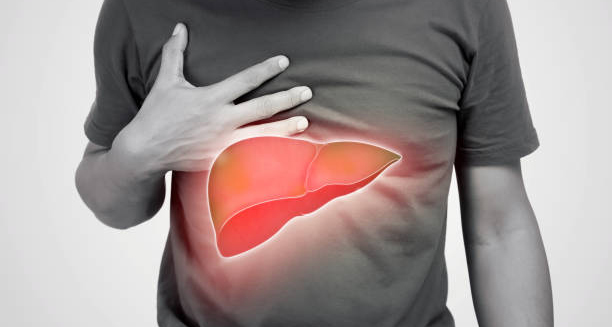
Since the liver is a primary site for iron storage, it is especially vulnerable. Liver-related symptoms may include:
Enlarged liver (hepatomegaly)
Elevated liver enzymes in blood tests
Right upper abdominal pain
Cirrhosis, particularly in advanced cases
Increased risk of liver cancer (hepatocellular carcinoma)
By the time liver symptoms appear, significant damage may have already occurred. Regular monitoring and imaging can help detect changes early.
Endocrine and Metabolic Effects
Iron overload disrupts the endocrine system, leading to:
Diabetes mellitus, due to damage to the pancreas
Hypothyroidism, resulting from pituitary or thyroid gland involvement
Hypogonadism, or reduced hormone production in men and women
Infertility in some individuals
Men may experience testicular atrophy, loss of libido, and erectile dysfunction. Women may report irregular periods or early menopause.
Cardiovascular Symptoms
When excess iron affects the heart, it can result in:
Irregular heart rhythms (arrhythmias)
Heart failure, with symptoms such as breathlessness and fluid retention
Palpitations or chest discomfort
These complications are more common in untreated cases or older adults with prolonged iron accumulation.
Symptoms by Gender
Men are more likely to be diagnosed earlier and present with more severe symptoms. Women often experience delayed symptom onset due to iron loss during menstruation and pregnancy. However, after menopause, iron levels may rise sharply, and symptoms can appear more rapidly.
Psychological and Neurological Symptoms
Chronic iron overload may contribute to:
Depression or mood swings
Memory problems or difficulty concentrating
Peripheral neuropathy, including numbness or tingling in the limbs
These symptoms can worsen quality of life and may be confused with other neurological conditions or age-related decline.
Symptom Timeline
| Timeframe | Possible Symptoms |
| Early stage | Fatigue, joint pain, low libido, abdominal discomfort |
| Middle stage | Skin changes, hormonal disturbances, elevated liver enzymes |
| Late stage | Cirrhosis, diabetes, heart failure, arthritis, infertility |
Importance of Early Recognition
The earlier haemochromatosis is identified, the better the outcome. Once damage has occurred to organs like the liver or heart, it may not be fully reversible—even if iron levels are brought under control. Recognising the symptoms of haemochromatosis early offers the best chance of avoiding complications.
Conclusion | Symptoms of Haemochromatosis
The symptoms of haemochromatosis are diverse and often mimic other common conditions, making early recognition difficult but essential. From fatigue and joint pain to liver disease and hormonal imbalances, the symptoms can affect nearly every part of the body. Identifying these signs and acting early can prevent severe, irreversible damage and lead to a full and healthy life with appropriate treatment.