Mental Matters

Growing Pains

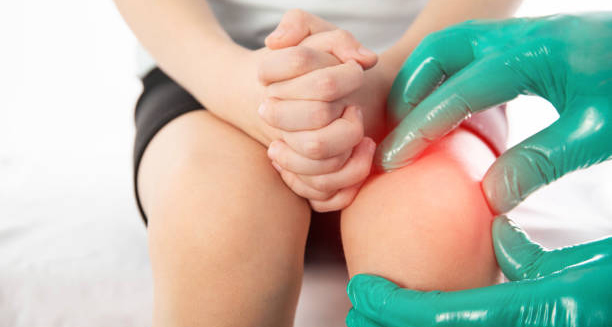
Child experiencing growing pains being examined for knee discomfort

Growing Pains

Growing Pains Growing Pains are a common and usually harmless cause of musculoskeletal discomfort in children, particularly during the early years of development. While the exact cause of Growing Pains remains unclear, they are widely recognised by healthcare professionals as a benign condition associated with periods of rapid physical growth. These pains typically appear in the late afternoon or evening and often wake children from sleep. Many parents worry when their child complains of aching legs or discomfort without an apparent injury. Fortunately, Growing Pains are not linked to serious underlying health problems. They tend to resolve on their own with age and are best managed with simple reassurance, massage, and stretching. However, it is crucial to distinguish these pains from symptoms of more serious conditions. Who Gets Growing Pains? Growing Pains usually affect: Children aged 3 to 12 years Both boys and girls equally Children who are physically active during the day Those with a family history of similar childhood aches Though not exclusive to any specific age, the condition often peaks during early school years. Some children experience recurring episodes over several years, while others only report symptoms for a short time. Typical Characteristics of Growing Pains The hallmark features of Growing Pains include: Aching, throbbing, or cramping pain in both legs Pain localised in the front of the thighs, calves, or behind the knees Bilateral discomfort, meaning both legs are affected Episodes that come and go, often without a predictable pattern Pain occurring in the late afternoon, evening, or at night No pain in the morning, allowing normal activity during the day These episodes usually last between 10 and 30 minutes, though some may persist for hours. Importantly, the child does not show any signs of inflammation, swelling, redness, or limited movement during the day. Where Are Growing Pains Felt? Common locations include: Shins (tibial area) Calves (gastrocnemius muscle) Thighs Area behind the knees The pain is often deep and diffuse, rather than sharp or localised to joints or bones. It’s also worth noting that arms are rarely affected. What Growing Pains Are Not Growing Pains should not be confused with: Juvenile idiopathic arthritis (JIA) Infections of the bones or joints Leukaemia Trauma or fractures Vitamin D deficiency or rickets These conditions often present with other warning signs such as: Persistent pain in one location Swelling or redness in joints Limping or avoiding movement Fever, fatigue, or weight loss Night sweats or unexplained bruising If any of these signs accompany the pain, a medical evaluation is necessary. Diagnosis and Parental Concerns Many parents are understandably concerned when their child wakes crying in pain. While Growing Pains can be distressing, they are considered a diagnosis of exclusion—meaning that no other cause is found, and the child otherwise appears healthy and active. Doctors typically assess: The child’s medical history and symptoms Physical examination, focusing on joints, muscles, and gait Whether the pain interferes with daily activity Presence or absence of systemic symptoms (fever, fatigue, rash) In most cases, no blood tests or imaging are needed unless red flags are present. The Emotional Impact Children who experience recurring Growing Pains may: Develop sleep disturbances Become anxious or clingy at night Fear that something is seriously wrong Providing reassurance and consistent care can help reduce both pain and anxiety. Letting children know that these aches are common and temporary often helps them cope better. Factors That May Worsen the Discomfort Certain patterns have been observed in children with Growing Pains: High levels of physical activity during the day Poor foot posture or flat feet Tight muscles or tendons, particularly the hamstrings or calves Lack of stretching before or after exercise These factors may not cause Growing Pains directly but could exacerbate discomfort. How Long Do Growing Pains Last? Some children have frequent episodes for months or years Others may experience a few isolated episodes Most children outgrow the condition by early adolescence It is not uncommon for symptoms to disappear entirely for a while and then return without warning. When to See a Doctor Parents should seek medical advice if: The pain is only on one side The child experiences limping or daytime pain There is swelling, redness, or joint stiffness Pain is associated with fever or weight loss There are bruises without injury or generalised fatigue These could be signs of a more serious underlying condition. Conclusion | Growing Pains Growing Pains are a common and benign part of childhood development. Although they can be upsetting for both children and parents, Growing Pains do not indicate a serious medical issue. With gentle care, reassurance, and appropriate management, most children recover fully and continue their active lives without long-term consequences. [Next: Causes of Growing Pains →]
Growing Pains Read More »

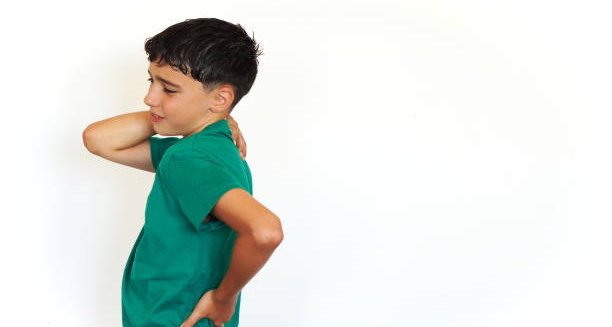
Boy showing signs of growing pains by holding his back and shoulder

Causes of Growing Pains

Causes of Growing Pains The causes of Growing Pains remain somewhat unclear, but research suggests a combination of mechanical, neurological, and possibly psychological factors. Despite the name, the causes of Growing Pains are not directly linked to growth spurts or bone development. Instead, the discomfort is thought to originate in muscles, tendons, or ligaments, often in relation to physical activity or fatigue. Growing Pains are classified as a type of benign nocturnal limb pain of childhood. While no structural abnormality is found in affected children, several theories help explain why some children experience these recurring episodes. 1. Muscle Fatigue One of the most widely accepted explanations is muscle overuse. Children who are very active during the day may strain their: Calf muscles Hamstrings Quadriceps This leads to microtrauma and delayed-onset muscle soreness (DOMS)—similar to what adults feel after intense exercise. The muscles tire and may tighten in the evening, triggering cramping or aching at night. 2. Poor Biomechanics Children with poor lower limb alignment may be more prone to discomfort. Some possible biomechanical contributors include: Flat feet or overpronation Hypermobile joints Knock knees or bow-legged postures Uneven gait or limb length discrepancy These conditions increase the load on certain muscle groups, potentially causing repetitive strain. Podiatrists often assess foot posture and gait in children with frequent leg aches. In some cases, orthotics or supportive footwear may help alleviate the strain. 3. Growth-Related Stretching of Tissues Although the name “Growing Pains” suggests a link to physical growth, the evidence is weak. That said, during periods of rapid growth, children’s bones lengthen faster than muscles and tendons can adapt. This may cause: Tension on the muscle attachments Reduced flexibility, especially in the hamstrings or calves Mild inflammation of connective tissue This stretching may lead to sensations of tightness or soreness, particularly in children who are already active or have limited flexibility. 4. Pain Perception and Sensitivity Another possible contributor is heightened pain sensitivity. Some children with Growing Pains may have: Lower pain thresholds Increased sensitivity to minor injuries or muscle use Family histories of migraines or fibromyalgia This theory aligns with observations that children with Growing Pains are more likely to report other pain conditions and may experience abdominal pain, headaches, or recurrent fatigue. 5. Emotional and Psychological Factors There is growing recognition that stress, anxiety, and emotional distress may amplify or trigger musculoskeletal pain. Children may not always express emotional discomfort in words but may instead “feel” it physically. Examples include: School stress or social changes Separation anxiety Major life transitions (e.g. moving house, new sibling) While not the cause per se, emotional strain may act as a pain amplifier or influence how children cope with physical sensations. 6. Genetic Predisposition Growing Pains often run in families. A parent or sibling may recall experiencing similar leg aches in childhood. This suggests a genetic or familial tendency, possibly related to: Joint flexibility Pain sensitivity Foot posture or gait mechanics 7. Inflammatory Theories (Disproven) Older theories once proposed that inflammation in the growth plates caused pain. However, imaging and biopsy studies have shown no signs of inflammation or damage in the growth areas of affected children. This supports the conclusion that Growing Pains are not linked to inflammation, arthritis, or structural disease. Summary of Theories Possible Cause Explanation Muscle fatigue Overuse during the day leads to pain at night Poor biomechanics Foot or leg alignment issues cause strain Growth-related stretching Rapid bone growth may outpace muscle flexibility Pain sensitivity Some children may feel pain more intensely Emotional stress Stress and anxiety may contribute to or magnify pain perception Family history Genetic traits influence muscle tone or joint mobility Risk Factors That May Increase Susceptibility High physical activity levels Poor flexibility or tight muscles Sleep disturbances Anxiety or fear of being alone at night Sedentary days followed by sudden bursts of activity While not direct causes, these factors may create a setting in which Growing Pains are more likely to occur or worsen. What the Evidence Tells Us No single cause explains all cases of Growing Pains. It’s likely that a combination of physical, genetic, and emotional factors contribute to their development. Importantly, the absence of any serious pathology reassures families that while inconvenient, these pains are benign. Conclusion | Causes of Growing Pains The causes of Growing Pains are multifactorial and not directly related to bone growth, despite the name. Muscle overuse, poor biomechanics, emotional stress, and individual sensitivity all likely play a role. Understanding the causes of Growing Pains helps caregivers and healthcare providers provide reassurance, avoid unnecessary tests, and focus on practical ways to reduce discomfort and support the child’s wellbeing. [Next: Symptoms of Growing Pains→]

Causes of Growing Pains Read More »

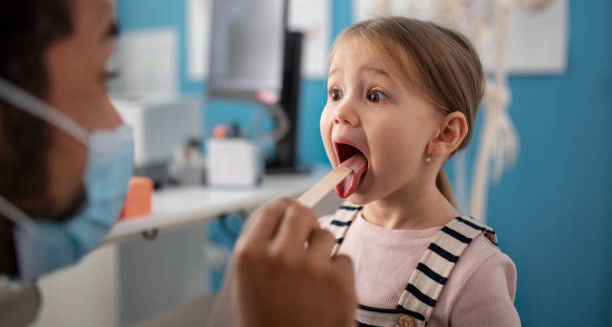
Child being examined by doctor during a check-up for growing pains

Symptoms of Growing Pains

Symptoms of Growing Pains The symptoms of Growing Pains most often include deep, aching sensations in the legs, usually occurring in the late afternoon, evening, or at night. These episodes can cause significant distress to both children and parents, especially when they interrupt sleep. While the symptoms of Growing Pains are non-specific and can mimic other conditions, they typically follow a recognisable pattern that helps distinguish them from more serious issues. Growing Pains are considered a common part of childhood for many children aged between 3 and 12 years. Although the condition is benign, the discomfort it causes can be intense, sudden, and recurring—raising concerns about underlying disease. Understanding the specific symptom profile helps reassure families and ensures appropriate support is offered. Common Features of Growing Pains The most widely reported symptoms include: Aching, cramping, or throbbing pain, often described as deep or dull Pain typically in both legs, especially the shins, calves, thighs, or behind the knees Episodes occur late in the day or at night, frequently waking the child from sleep Duration ranges from 10 minutes to several hours No morning pain, with full return to normal activity during the day No visible swelling, redness, or bruising These features are key to distinguishing Growing Pains from other childhood conditions. Most children with Growing Pains remain active, happy, and pain-free during the daytime. Bilateral Nature of Pain A crucial feature of Growing Pains is that it usually affects both legs. Although the child may feel the pain more on one side at times, the condition is typically symmetric, and not confined to one specific joint or bone. This contrasts with conditions like: Juvenile idiopathic arthritis, which often affects one joint Infections, which may cause localised redness or swelling Fractures or trauma, which are linked to one limb and a known injury The widespread, non-localised pattern in Growing Pains supports the idea that it arises from soft tissue or muscular sources rather than joints or bones. Timing of Symptoms Most cases occur: In the evening, especially after a busy day At bedtime, just as the child is relaxing Overnight, often causing the child to wake up in distress Pain usually subsides by morning, allowing the child to resume normal activity without any physical limitations. In some children, the episodes follow a predictable pattern, while others experience them sporadically. Associated Behaviours Children experiencing Growing Pains may: Cry or call out for comfort Rub or clutch their legs Ask for massage or warmth Become clingy or anxious at night Parents often notice that gentle massage, stretching, or a warm bath helps relieve discomfort quickly. These behaviours support the idea that reassurance and physical comfort are effective forms of relief. Less Common Symptoms In some children, symptoms may include: Foot or ankle discomfort, especially if linked to flat feet or poor posture Mild headaches or abdominal pain, though these are less specific Daytime fatigue due to disrupted sleep However, the presence of symptoms beyond aching legs should prompt a more detailed medical evaluation. What Growing Pains Do Not Include The symptoms of Growing Pains should not include: Persistent pain during the day Limping or avoiding walking Swollen or red joints Fever or night sweats Unexplained bruising Weight loss or fatigue These red flags may suggest more serious conditions, such as rheumatological disorders, infections, or even malignancy. Always seek medical attention if any of these symptoms are present. Age and Developmental Considerations Growing Pains typically appear during two peak periods: Ages 3 to 5 years, during early childhood development Ages 8 to 12 years, during pre-adolescence or early puberty These ages coincide with phases of increased physical activity and growth. Some children report more frequent episodes during school holidays or after sports events, further reinforcing the link between activity and symptoms. Emotional Impact on Families Despite being benign, the symptoms of Growing Pains can cause considerable emotional stress: Interrupted sleep for both child and caregiver Anxiety about serious illness Guilt or helplessness in not being able to ease the pain Parents often describe the experience as confusing, especially when the child is healthy during the day but distressed at night. Clear communication from healthcare professionals can significantly reduce this emotional burden. How Symptoms Evolve Over Time Symptoms often fade completely by adolescence Some children experience recurrent episodes for months or years Frequency and severity tend to decrease over time There are often long symptom-free periods in between episodes Very few children continue to experience Growing Pains after puberty. Conclusion | Symptoms of Growing Pains The symptoms of Growing Pains are well-defined: they are episodic, bilateral, non-inflammatory, and occur mostly at night. Although painful, these symptoms are temporary, benign, and do not interfere with daytime activity. By understanding and recognising the symptoms of Growing Pains, caregivers can respond with confidence, comfort, and calm—knowing that the condition is self-limiting and part of normal development for many children. [Next: Diagnosis of Growing Pains →]

Symptoms of Growing Pains Read More »

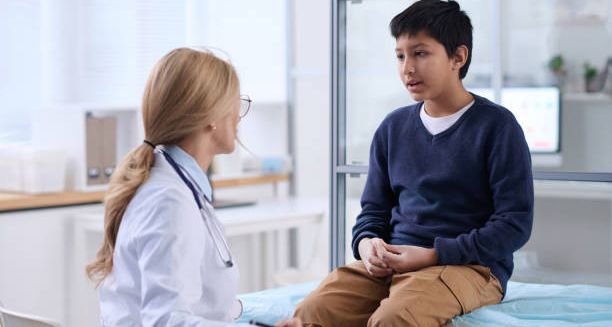
Doctor discussing growing pains diagnosis with a young boy

Diagnosis of Growing Pains

Diagnosis of Growing Pains The diagnosis of Growing Pains is based largely on clinical history and physical examination, as there are no specific tests or imaging studies that confirm the condition. Instead, the diagnosis of Growing Pains is made by excluding other causes of limb pain in children and identifying the classic pattern of symptoms associated with this benign condition. Most children who present with recurrent leg pain but appear otherwise healthy are likely to be diagnosed with Growing Pains. The process is guided by parental reporting, medical history, physical examination, and a careful search for any red flags that could indicate more serious pathology. Clinical History The diagnosis begins with a detailed account of the child’s symptoms, including: Timing of the pain (e.g. evenings or night-time) Location (typically both legs, often in the calves or thighs) Duration and frequency of episodes Whether the child is pain-free during the day Any association with physical activity Presence or absence of systemic symptoms (fever, fatigue, weight loss) Clinicians often ask about: The child’s energy levels and daily functioning Any change in behaviour, mobility, or sleep patterns Past illnesses, recent infections, or injuries A history consistent with Growing Pains supports the diagnosis when combined with normal findings on physical examination. Physical Examination A thorough physical assessment includes: Inspection of the legs and joints for swelling, redness, or deformity Palpation to check for tenderness or localised pain Assessment of gait and mobility Examination of posture, foot arches, and leg alignment Children with Growing Pains will: Have no joint abnormalities Walk and play normally during the day Experience relief with massage or stretching Appear well between episodes These findings help rule out conditions like arthritis, fractures, or bone tumours. No Diagnostic Tests Required In typical cases, no blood tests or imaging are necessary. However, investigations may be ordered if: The pain is unilateral or persistent There is visible swelling or inflammation The child experiences pain during the day There are constitutional symptoms (fever, weight loss, night sweats) The child is younger than 2 years or older than 12 years Tests that may be used to rule out other conditions include: X-rays, if bone injury or tumour is suspected Blood tests, such as full blood count, inflammatory markers, or vitamin D levels MRI scans, in rare cases, to examine bone marrow or soft tissues Differential Diagnosis The diagnosis of Growing Pains must be distinguished from: Condition Key Differentiating Features Juvenile Idiopathic Arthritis Persistent joint pain, stiffness, swelling, morning symptoms Bone tumours Localised pain, swelling, worsening at night, weight loss Leukaemia Bone pain, fatigue, bruising, fever Osteomyelitis or septic arthritis Fever, limp, joint swelling, severe pain Rickets Bone deformities, muscle weakness, delayed growth If any of these are suspected, immediate referral to a paediatric specialist is warranted. Red Flag Symptoms Clinicians are trained to watch for: Unilateral pain Daytime limp or restricted mobility Swollen joints Fever or signs of infection Neurological symptoms Pain that worsens over time The absence of these signs strongly supports a diagnosis of Growing Pains. Role of Parental Reassurance The diagnosis is greatly aided by open communication with parents. Many are anxious that their child’s pain could be linked to something serious. Providing clear, empathetic explanations helps: Validate the child’s experience Reassure caregivers that the condition is self-limiting Reduce unnecessary anxiety, investigations, or referrals Doctors may offer advice on pain management strategies, such as warm baths, massage, and gentle stretching exercises, which are often more helpful than medications. When to Refer to a Specialist Referral to a paediatric rheumatologist or orthopaedic surgeon may be necessary if: Symptoms are atypical The child is not responding to conservative care Diagnostic uncertainty remains after examination and history There is concern about bone or joint pathology In most cases, however, reassurance and conservative care are sufficient. Conclusion | Diagnosis of Growing Pains The diagnosis of Growing Pains is clinical and relies on recognising a characteristic pattern of symptoms in an otherwise healthy child. By carefully ruling out other causes of limb pain and providing reassurance to families, healthcare professionals can confidently support children through this common phase of development. Understanding how to make an accurate diagnosis of Growing Pains reduces unnecessary testing, promotes comfort-based care, and allows children to continue thriving. [Next: Treatment of Growing Pains→]

Diagnosis of Growing Pains Read More »

Child receiving medical advice for growing pains

Treatment of Growing Pains

Treatment of Growing Pains The treatment of Growing Pains is generally simple, focusing on comfort measures and supportive care rather than medication or invasive therapies. Because the condition is benign and self-limiting, the treatment of Growing Pains aims to reduce pain during episodes, improve sleep, and reassure both children and caregivers that the discomfort is not caused by a serious medical issue. Growing Pains are among the most common types of limb pain in childhood, typically resolving on their own over time. Nevertheless, episodes can be intense enough to disrupt sleep and cause significant distress. Effective management involves a combination of physical interventions, emotional reassurance, and lifestyle modifications tailored to the child’s needs. 1. Reassurance and Education Reassurance is the most important first step in treatment. When a healthcare provider confirms that a child has Growing Pains: Parents are reassured that the pain is not caused by disease or injury Children feel supported and less anxious about their symptoms Unnecessary investigations and referrals are avoided Explaining that the pain is a normal part of childhood for many helps normalise the experience and alleviates fear. 2. Massage and Physical Comfort One of the most effective home-based treatments is gentle leg massage, especially during or just before an episode. This may include: Rubbing the calves, thighs, or knees in circular motions Using warm oils or unscented lotions to soothe tired muscles Applying warm compresses or heat packs to the affected area Massage promotes relaxation, improves circulation, and has a comforting effect that often shortens the duration of the pain. 3. Stretching Exercises Daily gentle stretching can help reduce the frequency and intensity of Growing Pains, particularly in children with tight hamstrings or calves. Suggested stretches: Hamstring stretch: Sit with legs extended, reach for toes Calf stretch: Stand facing a wall, bend one knee while keeping the other leg extended behind Quad stretch: Stand on one leg, pull the opposite ankle towards the buttock These stretches are best performed: In the morning, to reduce tightness from the previous night Before bedtime, to prepare the muscles for rest After sports or high activity days, to prevent muscle fatigue Parents can turn stretching into a bonding activity, encouraging consistency without pressure. 4. Warm Baths A warm bath before bed can help relax muscles, calm the nervous system, and support restful sleep. Consider adding: Epsom salts (magnesium sulphate), believed to relieve muscle tension Lavender oil, for its calming properties (only if the child is not sensitive to scents) This ritual can form part of a calming bedtime routine and may reduce night-time awakenings due to pain. 5. Over-the-Counter Pain Relief (If Needed) If massage and stretching are insufficient, short-term use of paracetamol (acetaminophen) or ibuprofen may be recommended. Guidelines include: Use only during active episodes Avoid giving pain medication every night as a preventative Ensure correct dosing by weight Always consult a healthcare provider before prolonged use These medicines can reduce inflammation and discomfort but should not replace physical comfort measures. 6. Footwear and Orthotics Children with poor foot posture, such as flat feet, may benefit from: Supportive, well-fitting shoes Cushioned insoles Custom orthotics (if advised by a podiatrist) These measures help correct gait issues and reduce the strain on leg muscles, particularly in active children. 7. Sleep Hygiene and Emotional Support Improving sleep hygiene can help children fall back asleep more easily if awakened by pain: Maintain a consistent bedtime routine Avoid screens or stimulating activities before bed Provide a reassuring environment, such as a night light or favourite toy In anxious children, relaxation techniques such as deep breathing, story time, or gentle music may help them feel more secure and less distressed by the pain. 8. Physiotherapy (Occasionally) For children with frequent or intense episodes, a physiotherapy assessment may be helpful. A trained physiotherapist can: Identify muscle imbalances or tightness Develop a stretching and strengthening programme Offer guidance on posture and movement However, physiotherapy is rarely needed unless symptoms persist or significantly impact function. 9. Psychological Support (If Indicated) In some cases, especially when stress or anxiety appears to play a role in pain expression, psychological support may be beneficial. A child psychologist or counsellor can: Help the child manage pain-related anxiety Teach coping strategies Address any emotional stressors that may exacerbate symptoms This approach supports both physical and emotional wellbeing. What to Avoid Avoid: Excessive use of painkillers Unnecessary imaging or blood tests unless red flags are present Dismissing the pain as “not real” — even if harmless, the child’s discomfort is genuine Supportive care is the best approach, combined with watchful observation. Conclusion | Treatment of Growing Pains The treatment of Growing Pains focuses on comfort, reassurance, and simple physical therapies such as massage, stretching, and warmth. While not dangerous, these pains can disrupt sleep and cause distress—making compassionate care essential. Most children respond well to this supportive approach, and the treatment of Growing Pains rarely requires medication or medical intervention beyond education and physical comfort. [Next: Complications of Growing Pains →]

Treatment of Growing Pains Read More »

Upset child sitting alone with face in hands

Complications of Growing Pains

Complications of Growing Pains The complications of Growing Pains are rare, as the condition itself is benign and self-limiting. However, if left unaddressed, the complications of Growing Pains may include disrupted sleep, emotional distress, and reduced quality of life due to frequent night-time awakenings and anxiety. It is important to differentiate these from complications due to misdiagnosis, such as missing signs of more serious medical conditions. Growing Pains typically resolve on their own, but the burden they place on children and their families should not be underestimated. Episodes can be painful and frightening, especially if they occur regularly or if there is uncertainty about the cause. 1. Sleep Disruption The most immediate complication is poor sleep: Children may wake crying or in distress Repeated awakenings lead to fragmented sleep Sleep loss may affect mood, concentration, and school performance Parents, too, may suffer from disrupted rest, leading to fatigue, stress, and concern about their child’s health. In persistent cases, both child and caregiver may become anxious at bedtime, worsening the cycle. 2. Anxiety and Emotional Distress While the pain itself is not dangerous, the emotional response can be significant: Children may fear bedtime due to anticipated pain Some become clingy or dependent on a parent for reassurance Others may internalise pain, becoming withdrawn or anxious If a child believes something is wrong with their body, or if caregivers are visibly worried, this can heighten anxiety and distress. These emotional reactions may continue even after physical symptoms subside. 3. Reduced Participation in Activities Although Growing Pains do not usually affect daytime activity, some children: Avoid sport or physical play if they associate activity with later pain Become less confident in their bodies Withdraw from group games or physical education This reduced participation can impact social development, fitness, and self-esteem. With reassurance and stretching routines, most children regain confidence quickly. 4. Overuse of Medication In some cases, over-reliance on paracetamol or ibuprofen can occur: Parents may give medication routinely “just in case” Long-term use may cause stomach upset or reduce effectiveness Pain relief becomes a crutch instead of addressing the root discomfort Education about non-pharmacological treatments is key to avoiding this complication. 5. Parental Guilt or Frustration Parents often feel: Helpless when unable to stop their child’s pain Anxious about potentially missing a serious diagnosis Frustrated by repeated episodes disrupting the household Without clear information, these feelings can erode confidence in managing the condition. Providing structured advice helps reduce stress and promotes a calmer, more supportive approach. 6. Misdiagnosis or Missed Diagnosis The most serious potential issue is misidentifying something more dangerous as Growing Pains. Conditions that may be mistakenly dismissed include: Leukaemia Bone tumours Juvenile arthritis Infections such as osteomyelitis Failure to recognise red flags (fever, swelling, limp, fatigue) may delay critical treatment. Accurate diagnosis through careful assessment is essential to avoid this risk. 7. Impact on Family Dynamics If Growing Pains become frequent or prolonged: Parents may disagree on how to handle episodes Siblings may be disturbed by night-time events Routines may be disrupted, leading to household tension Long-term, this can subtly impact family wellbeing and cohesion. Open communication, shared strategies, and support from healthcare providers help families manage more effectively. 8. Educational or Behavioural Issues Some children, particularly those prone to anxiety or sensitivity, may: Struggle with school performance due to fatigue Show signs of irritability or restlessness in the classroom Develop avoidant behaviours linked to fear of pain These issues are rare but worth monitoring in children with very frequent episodes. Collaborative care with teachers and psychologists may be helpful. 9. Psychological Labelling Another subtle complication is the risk of labelling a child as “fragile” or “sickly.” This can: Affect self-identity Limit participation in activities Reinforce the child’s sense that they are different from peers Parents and educators should encourage normal activity and treat the child as healthy and capable, even if occasional support is needed. 10. Rare Physical Sequelae (Indirect) In extremely rare cases, untreated biomechanical issues such as flat feet may contribute to recurrent discomfort. Addressing underlying musculoskeletal factors early prevents strain from compounding over time. Conclusion | Complications of Growing Pains The complications of Growing Pains are typically mild and manageable, centred around sleep disturbance and emotional distress rather than physical harm. While the condition is benign, its effects on daily life can be frustrating and draining if not addressed with proper care. By understanding the complications of Growing Pains, families and healthcare providers can respond with empathy, reassurance, and effective strategies—ensuring children remain active, happy, and confident throughout their development. [Next: Back to Overview →]

Complications of Growing Pains Read More »

Scroll to Top