
Symptoms of Heat Rash
The symptoms of heat rash vary depending on the severity and type of the condition. But they are almost always linked to recent exposure to heat, humidity, or excessive sweating. Recognising the symptoms of heat rash early allows for swift management and prevents potential complications such as infection or persistent irritation. Although generally a mild and self-limiting skin condition, the rash can cause considerable discomfort. Particularly in vulnerable groups such as infants, older adults, and individuals with limited mobility.
The most commonly reported symptom is the sudden appearance of clusters of small, red or pink bumps. Often accompanied by a prickling or stinging sensation. These bumps, which can resemble tiny blisters or insect bites. Develop in areas where sweat becomes trapped beneath the skin due to blocked sweat ducts. As sweat continues to build up, it leaks into surrounding tissues, triggering localised inflammation, irritation, and discomfort.
Itching is another prominent symptom, particularly in the more common form known as miliaria rubra. The sensation can range from mild to intense, and in some cases. Scratching exacerbates the irritation or leads to skin breaks, which opens the door for secondary bacterial infections. In infants or individuals with sensitive skin, the rash may appear more inflamed and lead to fussiness. Disturbed sleep, or refusal to wear clothes over the affected areas due to discomfort.
In more mild cases, such as miliaria crystallina, the rash presents as tiny, clear, fluid-filled blisters without redness or swelling. These blisters tend to break easily and are usually not itchy or painful. This form of heat rash is common in young babies and resolves quickly once the environment cools down or sweating decreases.
Symptoms of Heat Rash
In moderate cases, miliaria rubra causes red, inflamed papules that are more likely to itch or sting. This type is often triggered by physical exertion in hot conditions, particularly in individuals who wear tight clothing or gear. The rash often appears under the arms, on the chest, back, or neck, and can be triggered within hours of heat exposure.
In more severe cases, such as miliaria pustulosa, the bumps become filled with pus due to secondary infection. This form may cause increased pain, tenderness, and swelling, along with visible signs of inflammation such as crusting or oozing. If untreated, this can progress to localised skin infections like impetigo or more serious infections such as cellulitis, especially in children or those with compromised immune systems.
Another form, miliaria profunda, is less common but can be more persistent. It involves firm, flesh-coloured nodules that appear deeper under the skin and may occur in individuals repeatedly exposed to high heat or intense exertion. While typically not itchy, this form can affect the body’s ability to cool itself and may lead to more generalised heat intolerance or fatigue. Because sweat cannot escape properly, individuals with this form of rash may experience overheating, dizziness, and light-headedness during exertion.
Location of the rash provides another clue in identifying the condition. Heat rash typically affects areas of the body where clothing traps heat or where skin folds limit airflow. Commonly affected regions include:
Neck and upper chest
Back and shoulders
Groin and inner thighs
Armpits
Under the breasts
Elbow and knee creases
Waistband area
Scalp (especially in infants)
In infants, the rash may appear on the face, particularly around the forehead and cheeks, where the head rests against bedding or car seats. The nappy area is also frequently affected due to moisture, warmth, and limited airflow. Babies may display irritability, excessive crying, or restlessness when the rash is uncomfortable, and they may try to scratch or rub the area if able.
Symptoms of Heat Rash
Sweating is a key symptom that accompanies or precedes heat rash. Often, the rash develops during or shortly after physical activity, sun exposure, or sleeping in a hot environment. In many cases, patients report feeling excessively warm or clammy before noticing the rash. Once the rash appears, sweating may decrease in the affected areas due to blocked ducts, making local skin feel warm, tight, or swollen.
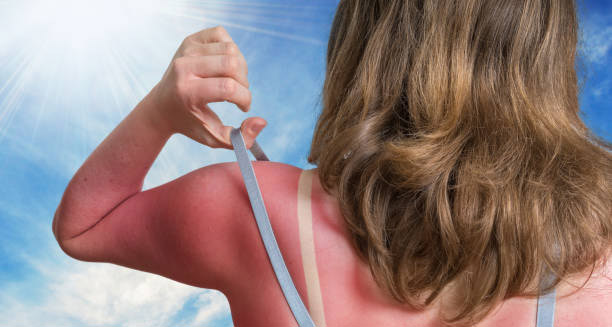
Some individuals also report a burning or tingling sensation in the affected area, which can be mistaken for sunburn or an allergic reaction. However, heat rash tends to appear in covered or friction-prone areas, whereas sunburn is generally more widespread and located on exposed skin. Heat rash also lacks the raised welts or generalised hives typically seen in allergic responses.
In certain cases, heat rash can become chronic, especially if the individual continues to be exposed to high temperatures or wears clothing that prevents the skin from breathing. Chronic heat rash may result in skin thickening, discolouration, or recurrent episodes of itching and inflammation. This is more common in tropical climates or during prolonged heatwaves, especially among manual labourers, military personnel, and residents in areas without air conditioning.
Although fever is not a direct symptom of heat rash. It may be present in children or patients with secondary infection. If fever accompanies the rash. Especially if it’s localised, warm, painful, or spreading. It may indicate that the rash has become infected and requires medical attention. Additional signs of infection include pustules, yellow crusts, or spreading redness beyond the area initially affected.
Emotional or psychological distress can also result from more visible or irritating rashes, particularly in adolescents or adults. The discomfort may interfere with sleep, concentration, and self-esteem. Especially if the rash is persistent or affects the face, chest, or other visible areas.
Symptoms of Heat Rash
In summary, the symptoms of heat rash include clusters of red or pink bumps, itching or stinging, and localised skin irritation in areas of trapped sweat and friction. Depending on the form and severity, symptoms may range from mild discomfort to painful, inflamed lesions, particularly if infection sets in. Early identification and removal from hot environments are critical for relief. Prompt cooling, good hygiene, and loose clothing can resolve symptoms quickly and prevent recurrence.