
Symptoms of Mastocytosis
Mastocytosis is a condition characterised by the accumulation and abnormal activation of mast cells in the skin and/or internal organs. The symptoms can range from mild and occasional to severe or life-threatening, depending on the subtype of mastocytosis and the degree of mast cell activation or infiltration in various organs. These symptoms occur due to the release of chemical mediators like histamine, prostaglandins, and leukotrienes, which influence multiple body systems.
🔹 Cutaneous Symptoms
Cutaneous symptoms are most common in children and patients with cutaneous mastocytosis (CM) but may also occur in systemic forms.
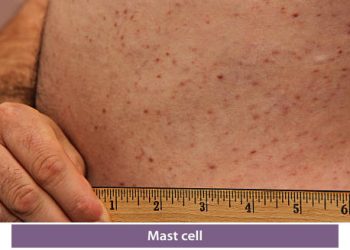
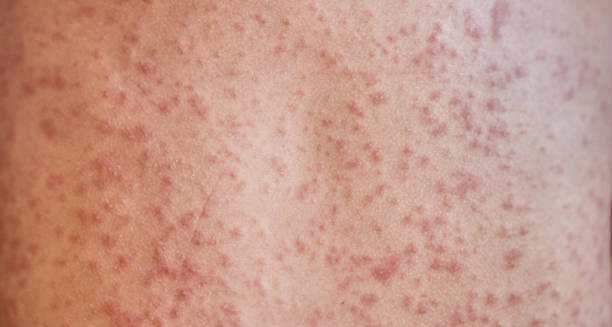
- Lesions: Reddish-brown macules, papules, or plaques, often mistaken for freckles, eczema, or insect bites.
- Darier’s Sign: When skin lesions are rubbed, they become red, raised, and itchy due to mast cell degranulation.
- Itching and Burning: Intense pruritus, especially after exposure to heat, friction, or emotional stress.
- Distribution: Commonly seen on the trunk, thighs, and arms.
- In Children: May involve widespread swelling or flushing; symptoms often improve or resolve with age.
🔹 Gastrointestinal Symptoms
Gastrointestinal (GI) symptoms result from mast cell accumulation in the GI tract and histamine-related effects on digestion.
- Common symptoms:
- Abdominal pain or cramping
- Diarrhoea (often chronic)
- Bloating and flatulence
- Nausea and vomiting
- Gastrointestinal bleeding (in severe cases)
- Mimics: Can resemble IBS, peptic ulcers, or food allergies.
- Complications: May lead to malabsorption, weight loss, and nutrient deficiencies over time.
🔹 Cardiovascular and Anaphylactic Symptoms
Systemic mast cell activation can lead to life-threatening symptoms, especially in systemic mastocytosis.
- Hypotension (low blood pressure)
- Tachycardia (rapid heart rate)
- Syncope (fainting)
- Anaphylaxis: Can be spontaneous or triggered by minimal stimuli (e.g. temperature changes, medications).
- Other signs: Flushing, sense of impending doom, light-headedness.
- Epinephrine auto-injectors (e.g. EpiPen) are often prescribed for emergency self-treatment.
🔹 Respiratory Symptoms
Mast cell mediators may affect the airways and lungs, especially during systemic reactions.
- Bronchospasm: Can cause wheezing, coughing, and shortness of breath.
- Upper airway symptoms: Nasal congestion, sneezing, and post-nasal drip.
- Triggers: Environmental allergens (e.g., pollen), smoke, strong odours, or even exercise.
🔹 Neurological and Psychiatric Symptoms
Though less commonly discussed, central nervous system symptoms are frequently reported.
- Brain fog and mental fatigue
- Headaches
- Difficulty concentrating or memory issues
- Mood disturbances: Anxiety, irritability, and depression
- These may result from histamine crossing the blood-brain barrier or systemic inflammation.
🔹 Musculoskeletal Symptoms
Mastocytosis can affect bones and joints, particularly in systemic forms involving the bone marrow.
- Bone pain or deep aching
- Back pain
- Increased fracture risk due to:
- Osteopenia (bone thinning)
- Osteoporosis (bone loss)
- May also present with joint pain and muscle aches
🔹 Constitutional and Generalised Symptoms
These nonspecific but impactful symptoms are common and often under-recognised.
- Chronic fatigue: Extremely common and sometimes disabling
- Fever and night sweats
- Unexplained weight loss
- General malaise and decreased stamina
- In children: May lead to failure to thrive or delayed development
🔹 Triggers and Symptom Aggravation
Symptoms are frequently worsened by known triggers, which vary among individuals. Common triggers include:
- Physical exertion
- Stress or emotional upset
- Hot showers or baths
- Alcohol or caffeine
- Spicy or high-histamine foods (e.g. aged cheese, red wine)
- Medications: NSAIDs, opioids, muscle relaxants, contrast dyes
- Infections, vaccinations, or insect stings
Avoiding or managing triggers is essential in preventing flare-ups or life-threatening reactions.
🔹 Rare and Atypical Symptoms
In advanced systemic mastocytosis, organ-specific symptoms may develop depending on where mast cells accumulate:
- Liver or spleen involvement:
- Hepatosplenomegaly (enlarged organs)
- Jaundice
- Abnormal liver function tests
- Bone marrow infiltration:
- Anaemia
- Low platelets
- Increased risk of infections or bleeding
- Endocrine abnormalities (rare):
- Hormonal imbalances
- Adrenal insufficiency
- Thyroid dysfunction
Such cases often require coordinated care across specialties.
🔚 Summary
| System Affected | Common Symptoms |
|---|---|
| Skin | Lesions, itching, flushing, Darier’s sign |
| Gastrointestinal | Nausea, diarrhoea, bloating, malabsorption |
| Cardiovascular | Hypotension, syncope, anaphylaxis |
| Respiratory | Wheezing, coughing, shortness of breath |
| Neurological/Psychiatric | Headaches, brain fog, anxiety, depression |
| Musculoskeletal | Bone pain, fractures, osteoporosis |
| General/Constitutional | Fatigue, weight loss, fever, failure to thrive |
✅ Key Takeaway:
Recognising the wide variety of symptoms—and the triggers that worsen them—is essential for early diagnosis and effective management of mastocytosis. Because of the disease’s multi-system nature, a coordinated approach involving allergists, dermatologists, haematologists, and other specialists is often necessary.
The diverse and often non-specific symptoms of mastocytosis can make diagnosis challenging, especially since many manifestations overlap with more common conditions. Awareness of the disease’s hallmark signs—such as skin lesions with Darier’s sign, unexplained anaphylaxis, or persistent gastrointestinal complaints—can prompt timely evaluation and prevent misdiagnosis. Early identification of mastocytosis not only helps in managing symptoms effectively but also reduces the risk of severe complications, including life-threatening allergic reactions and organ damage.
Given the wide spectrum of clinical presentations, managing mastocytosis requires a personalized approach tailored to each patient’s symptoms and triggers. Ongoing research into the molecular and genetic underpinnings of the disease continues to improve diagnostic accuracy and treatment options. With multidisciplinary care and patient education focused on trigger avoidance and symptom control, many individuals with mastocytosis can lead relatively normal and fulfilling lives despite the chronic nature of the condition.