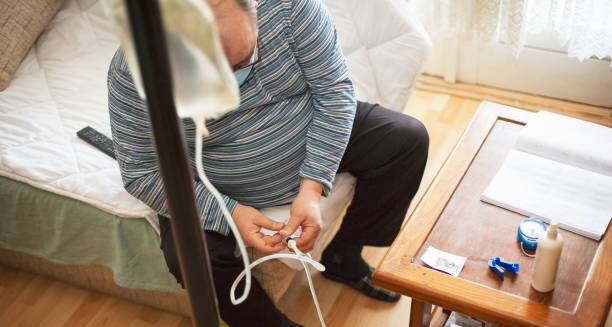

Treatment and Recovery from Chronic Kidney Disease
Treatment and recovery from chronic kidney disease depend on the stage and underlying cause of the condition. Most people cannot reverse chronic kidney disease onceMost people cannot reverse chronic kidney disease once it develops. However, timely intervention and lifestyle changes can slow or even halt its progression in some cases. The goal is to preserve existing kidney function, manage symptoms, and prevent complications.
1. Managing Underlying Conditions
Controlling diabetes and hypertension is critical. This may involve medications like ACE inhibitors or angiotensin receptor blockers (ARBs), which help lower blood pressure and protect the kidneys. You must keep your blood sugar within target ranges by following a healthy diet, exercising regularly, and using medications or insulin as needed.
2. Dietary Modifications
Diet plays a key role in slowing CKD progression. Doctors usually advise people to:
- Reduce salt intake
- Limit protein to avoid overloading the kidneys
- Control potassium and phosphorus
- Stay well-hydrated
Consulting a renal dietitian can help personalise nutritional goals.
3. Medication Management
Nephrotoxic drugs (like NSAIDs) should be avoided. Doctors may prescribe medications to control cholesterol, treat anaemia, strengthen bones, and manage acidosis. In advanced CKD, phosphate binders, erythropoietin injections, and vitamin D analogues are commonly used.
4. Lifestyle Changes
Patients should stop smoking, reduce alcohol, maintain a healthy weight, and exercise regularly. These changes improve overall cardiovascular health, which is closely tied to CKD outcomes.
5. Monitoring and Follow-Up
Regular check-ups include GFR tests, urine protein checks, blood pressure monitoring, and medication reviews. Early intervention based on these results allows timely adjustments to treatment plans.
6. Preparing for Renal Replacement | Treatment and Recovery from Chronic Kidney Disease
In Stage 4 or 5, planning for dialysis or transplantation becomes necessary. Education about options such as haemodialysis, peritoneal dialysis, and donor kidney transplant is important to make informed decisions.
7. Emotional and Psychological Support
Chronic illness impacts mental health. Patients may experience anxiety, depression, or stress related to lifestyle changes or the prospect of dialysis. Counselling and support groups offer valuable help.
In conclusion, treatment and recovery from chronic kidney disease require a multidisciplinary approach. With proactive care and support, individuals with CKD can enjoy improved quality of life and significantly delay the onset of kidney failure.