Treatment for Allergic Rhinitis
Treatment for allergic rhinitis focuses on reducing symptoms, improving quality of life, and preventing complications. A combination of avoidance, medication, and lifestyle changes usually offers the best results.
Allergen Avoidance
The first step is to identify and avoid your triggers:
- Keep windows closed during high pollen seasons.
- Use dust-mite-proof bedding.
- Vacuum and dust frequently (preferably with HEPA filters).
- Avoid smoking or secondhand smoke.
- Wash pets and their bedding regularly if allergic to dander.
Medications
Over-the-counter and prescription medications are widely available in South Africa and globally:
- Antihistamines (e.g. loratadine, cetirizine) – Reduce sneezing and itching.
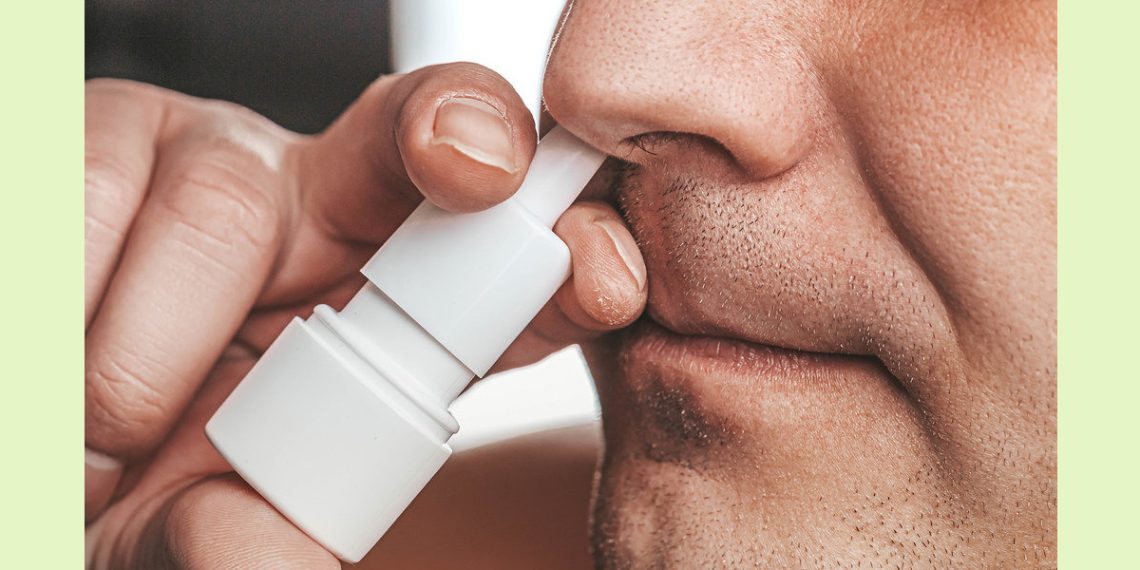
- Nasal corticosteroids (e.g. fluticasone, budesonide) – Reduce inflammation, best for long-term control.
- Decongestants (e.g. pseudoephedrine) – Provide short-term relief of nasal blockage but should not be used for more than 5 days.
- Leukotriene receptor antagonists (e.g. montelukast) – May be helpful, especially in people with asthma.
Immunotherapy (Allergy Shots or Drops)
For moderate to severe cases, immunotherapy may be recommended. This involves regular exposure to small doses of allergens to “desensitise” the immune system over time. It can reduce symptoms long-term and is available through allergists in South Africa.
Additional Support
- Saline nasal sprays or rinses can clear allergens and reduce congestion.
- Air purifiers may help reduce indoor allergen exposure.
- Eye drops can relieve itching and redness from allergic conjunctivitis.
Treatment must be consistent — many people feel better within days of starting proper medication, but long-term relief comes with ongoing care.
👉 [Next: Complications of Allergic Rhinitis]
Chest and Allergy Centre Cape Town City Centre
Nicola Spray – Senior Speech and Language Therapist – London