Allergic Rhinitis Overview
Allergic Rhinitis, commonly referred to as hay fever, is an allergic reaction that affects the nose and sinuses. It occurs when the immune system overreacts to airborne allergens such as pollen, dust mites, mould spores, or animal dander. These allergens trigger inflammation in the nasal passages, leading to symptoms that can significantly disrupt daily life.
In South Africa, allergic rhinitis is widespread and often seasonal, particularly during spring and early summer when pollen levels rise. However, some people experience year-round symptoms due to indoor allergens like pet hair or dust.
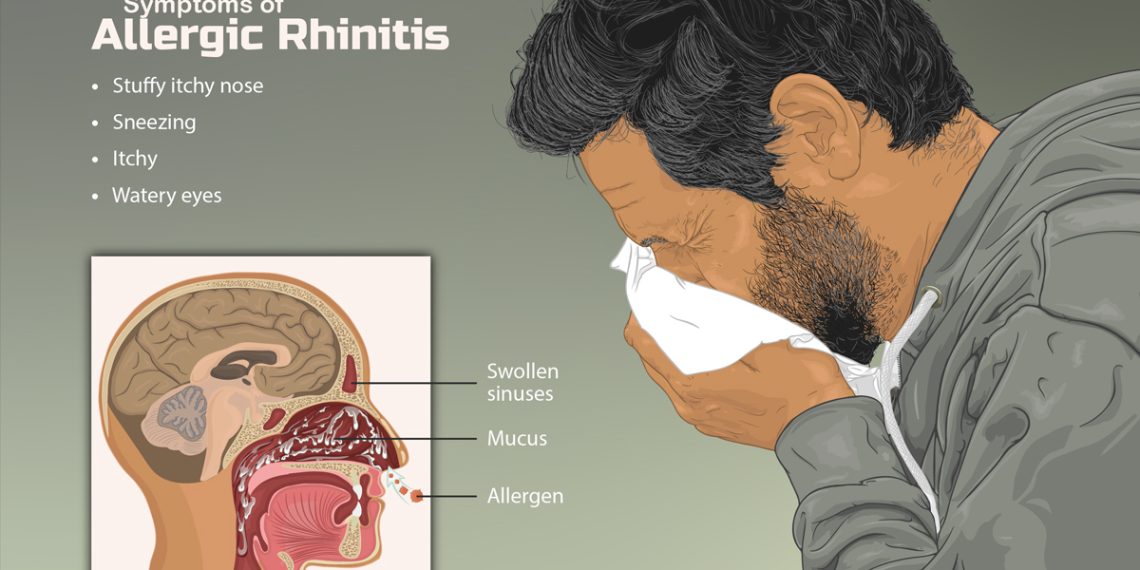
Common symptoms include:
- Sneezing
- Runny or congested nose
- Itchy eyes, nose, and throat
- Postnasal drip
- Fatigue due to poor sleep from nasal blockage
While not life-threatening, this can affect productivity, school performance, and overall quality of life. It is also associated with asthma and eczema, forming part of the “atopic triad.”
The condition is usually divided into:
- Seasonal (triggered by outdoor allergens like pollen)
- Perennial (triggered by indoor allergens all year round)
Fortunately, this is manageable with lifestyle adjustments, medication, and allergy avoidance strategies. In the next section, we’ll explore the causes and triggers that set off this immune response.
👉 [Next: Causes of Allergic Rhinitis]
Dr Sharon Williams Ear Nose & Throat Specialist Foreshore
Treatment for Allergic Rhinitis