
Treatment of Dengue
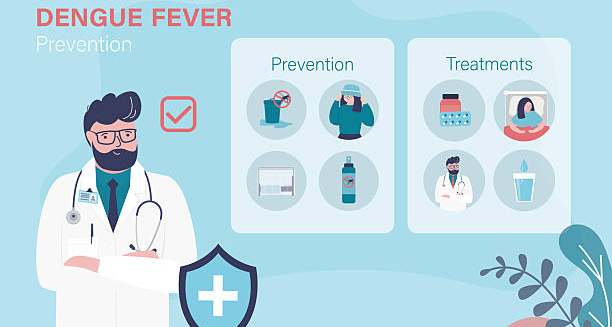
Treatment of dengue is mainly supportive, as there is no specific antiviral medication to cure the infection. Management focuses on relieving symptoms, preventing complications, and maintaining adequate hydration. For most people with dengue, home care and regular monitoring are sufficient, but severe cases may require hospitalisation.
Supportive Care for Mild to Moderate Dengue
Rest: Essential for recovery and conserving energy
Hydration: Oral fluids such as water, electrolyte solutions, and clear soups are recommended to prevent dehydration
Paracetamol: Used to manage fever and pain
Avoid aspirin, ibuprofen, or other NSAIDs, as they can increase the risk of bleeding
Monitoring
Regular monitoring is important to catch signs of progression:
Daily platelet counts
Haematocrit levels
Observation for bleeding or changes in blood pressure
Family members and caregivers should be vigilant for warning signs like abdominal pain, vomiting, or lethargy, especially when the fever starts to subside.
Hospital Management for Severe Dengue
Hospital admission is required when:
There are signs of shock or severe bleeding
Platelet counts drop significantly
There is difficulty breathing or persistent vomiting
In such cases, treatment includes:
Intravenous (IV) fluids to manage plasma leakage
Oxygen therapy for breathing difficulties
Blood transfusions in the case of significant bleeding
Recovery and Rehabilitation
Most people recover fully within 7–10 days
Gradual reintroduction of normal activities is advised once symptoms resolve
Long-term complications are rare but may include fatigue or joint pain lasting several weeks
Medical Supervision | Treatment of Dengue
Pregnant women, infants, elderly individuals, and those with chronic health conditions require closer monitoring, even if symptoms appear mild
Secondary dengue infections pose a higher risk of complications, so a thorough history of previous illness is important
In summary, treatment of dengue involves symptom control, hydration, and monitoring. Prompt medical care, especially during the critical phase, greatly reduces the risk of severe complications and improves outcomes.
[Next: Complications and Recovery from Dengue →]