
Treatment of Gastroparesis
Treatment of Gastroparesis
Effectively treating gastroparesis involves relieving symptoms, enhancing gastric emptying, and preventing malnutrition. Although there is currently no cure for gastroparesis, many individuals manage the condition successfully by combining dietary adjustments, medication, and, in more severe cases, surgical interventions.
Dietary Modifications
To begin with, changing eating habits is often the most immediate and effective strategy:
- Eat small, frequent meals – Consuming 5 to 6 smaller meals throughout the day allows for easier digestion.
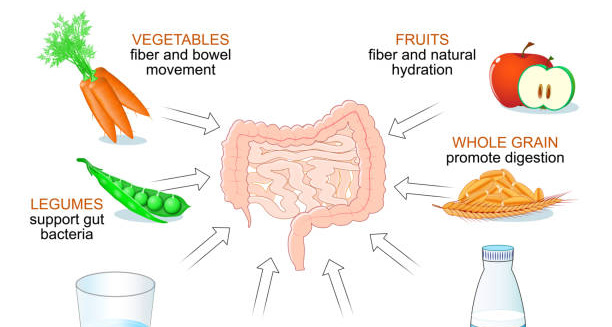
- Choose low-fat and low-fibre foods – Since both fat and fibre can delay gastric emptying, limiting them can be beneficial.
- Opt for soft or liquid-based diets – Foods like soups, smoothies, or purees are typically easier on the stomach.
- Avoid certain items – Carbonated beverages, raw vegetables, and tough meats should be minimized or eliminated.
Additionally, it helps to chew food thoroughly, eat slowly, and remain in an upright position for at least one hour after each meal. These practices can significantly aid in gastric movement and digestion.
Medications
When dietary changes alone are not enough, medications can provide added relief. Treatment typically involves a combination of the following drug types:
- Prokinetics These medications stimulate the stomach muscles to contract more effectively, promoting better gastric emptying. Common examples include domperidone (in certain countries), metoclopramide, and erythromycin. While these drugs can reduce nausea and improve digestion, they may cause side effects, so ongoing medical supervision is essential.
- Antiemetics To reduce nausea and prevent vomiting, antiemetic medications such as ondansetron or cyclizine are frequently prescribed. These can improve daily comfort and food tolerance.
- Pain Relief Although managing abdominal pain is important, opioids should generally be avoided, as they tend to worsen gastroparesis symptoms. Instead, physicians often recommend non-opioid alternatives that offer pain relief without impairing gastric motility.
Blood Sugar Control
For those with diabetes, maintaining tight glycaemic control becomes especially important. Elevated blood sugar levels slow down gastric emptying even further. As a result, patients may need to adjust their insulin regimens. In many cases, using continuous glucose monitors and short-acting insulin can help stabilise blood sugar levels more effectively, which in turn helps improve digestive function.
Surgical and Advanced Therapies
If the condition does not respond to medications and dietary changes, more advanced treatment options may be necessary:
- Feeding tubes (jejunostomy) can be surgically inserted to deliver nutrition directly into the small intestine, bypassing the stomach entirely.
- Gastric electrical stimulation (GES) involves implanting a device that sends mild electrical pulses to the stomach muscles, encouraging contractions and improving motility.
Because these approaches are invasive, doctors usually reserve them for severe cases where symptoms significantly impact quality of life and other treatments have failed.
Treatment of Gastroparesis
Ultimately, treating gastroparesis requires a personalised, multidisciplinary approach. Patients often need ongoing adjustments to their treatment plan and regular communication between their dietitian, gastroenterologist, and endocrinologist. With the right support and management, many people with gastroparesis can lead more comfortable and nutritionally balanced lives.