
Treatment of Gum Disease
The treatment of Gum Disease focuses on stopping infection, reducing inflammation, and preventing further damage to the gums and surrounding structures. Because the treatment of Gum Disease depends on its stage and severity, options range from improved oral hygiene and professional cleaning to more advanced surgical procedures.
Gum disease, also called periodontal disease, starts slowly. At first, it appears as gingivitis, which causes red or swollen gums. If treated early, this stage is usually easy to reverse. However, if left untreated, it can get worse and turn into periodontitis. At that point, the infection can damage the bone and tissue that hold your teeth in place.
Fortunately, early action makes a big difference. With regular brushing, flossing, and professional cleanings, most cases can be stopped or even reversed. Over time, consistent care helps protect both your teeth and gums. As a result, you can keep your smile healthy and strong for many years to come
1. Early Stage Treatment – Gingivitis
When Gum Disease is diagnosed in its early stage—gingivitis—the treatment is often simple and non-invasive. Key interventions include:
a. Improved Oral Hygiene
Brushing twice daily with fluoride toothpaste
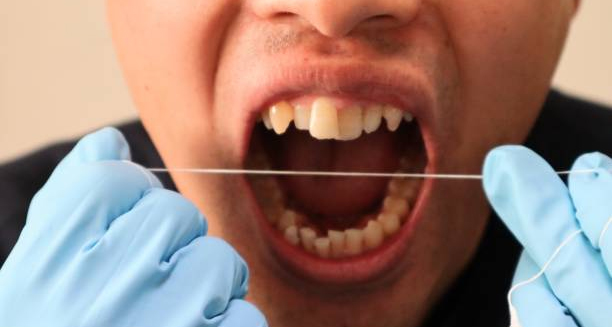
Flossing once a day to remove plaque between teeth
Using an antibacterial mouthwash to reduce harmful bacteria
Switching to a soft-bristled toothbrush or electric brush for better plaque removal
Daily care can reverse gingivitis in a matter of weeks.
b. Professional Dental Cleaning
Known as scaling and polishing, this removes plaque and tartar from above and just below the gumline
Performed by a dentist or dental hygienist during regular check-ups
Helps reduce inflammation and bleeding of the gums
This is often sufficient when the disease has not yet affected the bone.
2. Treatment of Periodontitis
If the condition progresses to periodontitis, deeper cleaning and possibly surgical intervention are required.
a. Scaling and Root Planing (Deep Cleaning)
A non-surgical procedure performed under local anaesthesia
Involves removing plaque and tartar from deep pockets around teeth (scaling)
Smoothing root surfaces to help gums reattach (root planing)
This may require several appointments and follow-up visits to monitor healing.
b. Antibiotic Therapy
May be applied locally as gels or fibres placed into gum pockets
Oral antibiotics may be prescribed for more widespread infection
Helps reduce bacterial load and inflammation when combined with mechanical cleaning
Antibiotics alone are not effective without physical plaque removal.
c. Laser Therapy
Some dental clinics use lasers to remove infected tissue and bacteria
Minimally invasive and can promote faster healing
Not a replacement for standard treatments, but may be a helpful addition
Laser treatment is still under investigation in some parts of the world, but shows promise.
3. Surgical Treatments for Advanced Cases
When gum pockets are deep or tissue loss is severe, surgical procedures may be recommended:
a. Flap Surgery (Pocket Reduction Surgery)
Gums are lifted back to remove deep tartar deposits
Irregular bone surfaces are smoothed to limit bacterial growth
Gums are stitched back for a tighter fit around the teeth
This reduces pocket depth and improves access for future cleaning.
b. Bone Grafts
Used when Gum Disease has destroyed underlying bone
Bone from the patient, a donor, or synthetic source is used to promote new bone growth
Helps stabilise teeth and supports gum tissue regeneration
c. Soft Tissue Grafts
Involves taking tissue (often from the palate) and attaching it to areas with receding gums
Helps cover exposed roots and reduce sensitivity
Improves gum appearance and strengthens the tissue
d. Guided Tissue Regeneration
A small mesh is placed between bone and gum tissue
Encourages new bone growth while keeping gum tissue from growing into the area
Often used in conjunction with flap surgery
Surgical treatments are more common in advanced periodontitis and are tailored to individual cases.
4. Maintenance Therapy
Following treatment, maintenance is essential to prevent recurrence:
Regular dental visits every 3 to 6 months for professional cleaning
Ongoing reinforcement of oral hygiene at home
Close monitoring of any signs of relapse, such as bleeding or pocket depth increase
Patients with a history of Gum Disease require lifelong maintenance to avoid further deterioration.
5. Lifestyle and Supportive Changes
Managing risk factors is crucial:
Quit smoking – smoking increases the risk of periodontitis and reduces treatment success
Manage diabetes – high blood sugar levels increase infection risk
Balanced diet – rich in vitamin C, calcium, and anti-inflammatory nutrients
Stress management – stress can impact immune function and oral hygiene habits
Combining lifestyle support with dental treatment ensures the best outcomes.
Conclusion | Treatment of Gum Disease
The treatment of gum disease begins with early detection. Once identified, the next step is to remove plaque and bacteria from the teeth and gums. First, daily brushing and flossing play a key role. Then, dentists may recommend professional deep cleanings to reach below the gumline. In some cases, antibiotics are used to fight infection. If the disease is more advanced, surgery may be needed to repair damage.
Throughout treatment, a personalised care plan helps guide each step. As a result, patients receive the care that fits their specific needs. Over time, with regular follow-ups and good home care, the gums can begin to heal. Most importantly, this consistent approach can stop the disease from getting worse.
In the long run, strong daily habits—combined with dental support—make a big difference. Not only can treatment protect your teeth, but it can also improve your overall health. Therefore, taking gum disease seriously leads to better outcomes for both your mouth and your body.