
Treatment of Haemophilia
The treatment of haemophilia focuses on replacing the missing clotting factor to stop or prevent bleeding. In the past, treatment was mainly given after a bleeding episode started. However, thanks to modern advances, care has become much more proactive.
Today, many people receive regular infusions to keep clotting levels stable and avoid bleeding altogether. Newer treatments last longer, are easier to use, and carry fewer risks. In some cases, gene therapy may even help the body make its own clotting factor.
With these improvements, people with haemophilia can live full, active lives. Although it remains a lifelong condition, the right treatment plan can greatly reduce complications and make daily life much easier to manage.
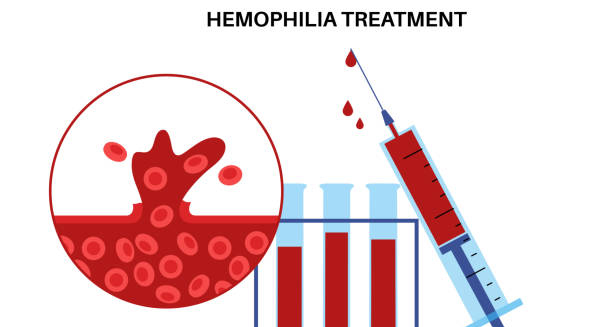
Haemophilia is a genetic condition that affects the blood’s ability to clot properly. It happens when the body doesn’t make enough clotting factor VIII (in Haemophilia A) or factor IX (in Haemophilia B). These clotting factors are proteins that help stop bleeding.
As a result, even small cuts or injuries can cause bleeding that lasts much longer than normal. In more serious cases, bleeding can happen inside the body—especially in the joints, muscles, or internal organs—even without an obvious injury. This makes early diagnosis and proper treatment very important for staying healthy and active.
1. Factor Replacement Therapy
The cornerstone of treatment is clotting factor replacement, which can be administered as:
On-demand therapy: Given during or immediately after a bleeding episode
Prophylactic therapy: Given regularly to prevent bleeding, often 2–3 times per week
a. Plasma-Derived Factors
These are extracted from donated human plasma and processed to remove pathogens. Though effective, they are being replaced in many countries by recombinant products due to concerns about blood-borne diseases.
b. Recombinant Clotting Factors
These are manufactured using genetic engineering, making them safer and more consistent. They come in:
Standard half-life products, which require frequent dosing
Extended half-life (EHL) products, which last longer in the bloodstream, reducing infusion frequency
Most children and young adults with severe haemophilia are placed on prophylactic recombinant therapy early in life to prevent joint damage.
2. Non-Factor Replacement Therapies
In recent years, newer treatments have been developed that don’t involve traditional factor replacement. These include:
a. Emicizumab (for Haemophilia A)
A bispecific monoclonal antibody
Mimics the function of factor VIII
Given subcutaneously (under the skin) weekly or monthly
Effective even in patients with inhibitors
Emicizumab is transforming care by providing a less invasive, more convenient option, especially in children and those with needle phobia.
b. Other Novel Agents
Fitusiran and concizumab are being studied to rebalance clotting mechanisms by targeting anticoagulant pathways
These therapies represent the future of haemophilia treatment, especially in patients who develop resistance to clotting factor products
3. Treatment of Bleeds
If bleeding occurs, immediate treatment with clotting factor is essential. Common bleeding scenarios include:
Joint bleeds (most common)
Muscle haematomas
Mouth and gum bleeds
Post-surgical or dental procedures
Early intervention reduces pain and long-term joint damage. In serious cases, hospitalisation and imaging may be required to assess internal bleeding.
4. Managing Inhibitors
Some people develop inhibitors—antibodies that neutralise the effectiveness of infused clotting factor.
Treatment options include:
Bypassing agents such as activated prothrombin complex concentrate (aPCC) or recombinant factor VIIa
Immune tolerance induction (ITI): Regular high-dose factor therapy to “train” the immune system to stop producing inhibitors
Inhibitors are a major complication and require specialist haematology care.
5. Gene Therapy
One of the most exciting advancements in the treatment of Haemophilia is gene therapy.
Involves delivering a working copy of the defective gene using a viral vector
Aims to achieve long-term or even permanent production of clotting factor
Clinical trials have shown promising results, especially for Haemophilia B
Gene therapy is not yet widely available, but it holds great potential for transforming how haemophilia is managed in the future.
6. Comprehensive Haemophilia Care
Effective treatment extends beyond medication. Comprehensive care includes:
Physiotherapy, especially for joint health
Dental care, as bleeding can occur easily in the gums
Psychological support, for coping with the emotional impact of chronic illness
Social work, to support access to treatment, especially in lower-income regions
Many countries have haemophilia treatment centres (HTCs) that offer multidisciplinary care under one roof.
7. Home Therapy and Self-Management
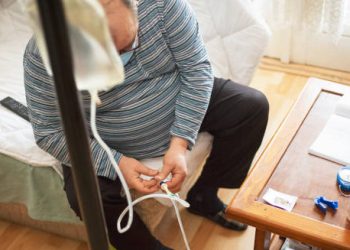
Most patients in high-resource settings are trained to administer their own treatment at home, especially for prophylaxis.
Reduces emergency visits
Encourages independence
Improves quality of life
Mobile apps and telehealth tools now support treatment logging, reminders, and remote monitoring by specialists.
8. Special Considerations
a. Surgery and Dental Procedures
Require careful planning and clotting factor coverage
Local anaesthesia may be preferred
Tranexamic acid or antifibrinolytics are often used adjunctively
b. Sports and Physical Activity
Generally encouraged, especially low-impact sports like swimming and cycling
Protective gear and awareness are essential
Exercise improves joint strength and reduces bleeding risk
Conclusion | Treatment of Haemophilia
The treatment of haemophilia has come a long way in recent years. In the past, most care focused on replacing the missing clotting factor through regular injections. Today, however, there are many more options. For example, newer therapies last longer, require fewer doses, and carry fewer risks. In addition, gene therapy now offers a possible long-term solution by helping the body produce its own clotting factor.
Because of these advances, people with haemophilia now have more choices than ever before. With the right care, they can prevent most bleeding episodes, stay active, and avoid serious complications. Most importantly, access to a skilled medical team and regular follow-ups helps them stay healthy.
As treatment continues to improve, living with haemophilia becomes easier. Many people are now able to lead full, independent lives with little interruption to work, school, or daily activities.