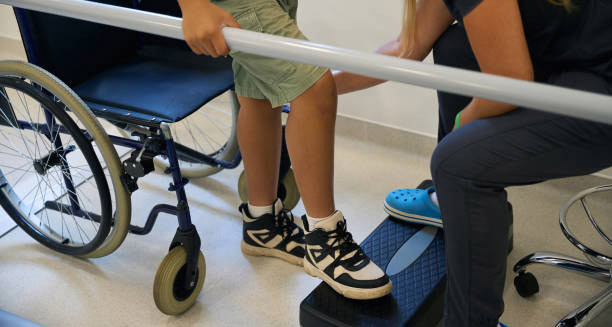

The treatment of hereditary spastic paraplegia (HSP) primarily focuses on managing symptoms, slowing progression, and improving overall quality of life.
Since there is no cure, treatment aims to reduce spasticity, improve movement, and prevent complications. A strong treatment plan involves physical therapy, occupational support, medications, and sometimes surgery. By staying committed to care, people with HSP can stay mobile, independent, and more comfortable—even as the condition progresses.
Physical and Occupational Therapies in HSP and Hepatitis A
Physical therapy plays a major role in treating hereditary spastic paraplegia. Special exercises focus on stretching, balance, and muscle strength. These activities loosen tight muscles, improve flexibility, and help prevent joint problems like contractures.
Strengthening the core and leg muscles also helps with walking and daily movement. Staying active in this way slows the decline of muscle function.
Occupational therapy adds another layer of support. Therapists help people adjust their daily routines to stay safe and independent. They may suggest walking aids—like crutches, canes, or wheelchairs—when muscles grow weak. Home changes like grab bars or ramps also make everyday tasks easier.
The importance of daily function in HSP mirrors how people recovering from Hepatitis A also benefit from energy-saving tips and activity planning to support healing.
Medical Treatments and Targeted Therapies
Medications are key to treating symptoms in hereditary spastic paraplegia. They help reduce muscle cramps and stiffness. Common drugs include baclofen, tizanidine, and diazepam.
Baclofen is a top choice. It can be taken by mouth or delivered through a pump placed near the spine (called intrathecal baclofen). This method gives longer-lasting relief with fewer side effects. It’s often used when spasticity becomes severe.
Botox injections are another option. They block nerve signals to tight muscles, easing tension in specific areas. The effects last a few months and can improve comfort and movement.
These targeted treatments in HSP are similar in approach to antiviral or liver-protective strategies in Hepatitis A, where therapy aims to control symptoms and support organ function.
Surgery and New Research in HSP
In more advanced cases, surgery may help. Procedures like tendon lengthening or joint realignment can ease pain, fix deformities, and improve movement. Surgery isn’t needed early on, but it becomes helpful if other treatments stop working.
Meanwhile, researchers are testing new treatments. These include gene therapy, nerve-protective drugs, and molecular tools that aim to stop or slow nerve damage. Clinical trials are ongoing, giving hope for future breakthroughs.
The search for long-term solutions in HSP resembles the ongoing research in Hepatitis A, where vaccine development and liver repair studies continue to improve care.
Mental, Emotional, and Lifestyle Support
Mental health care is an essential part of treatment. Living with a progressive condition can lead to stress, sadness, or frustration. Speaking with a counsellor, joining support groups, or exploring psychotherapy can reduce emotional strain.
These support systems help people feel more in control. They also strengthen relationships and offer comfort during difficult times.
Lifestyle choices also matter. Eating a balanced diet helps fuel muscles and manage fatigue. Staying hydrated, avoiding alcohol, and sleeping well all support better health.
People managing Hepatitis A often follow similar tips to protect their liver and regain energy, showing how nutrition and rest play universal roles in recovery.
In Summary
The treatment of hereditary spastic paraplegia is all about long-term support and symptom control. Though there is no cure, the right mix of therapies can keep people active, safe, and emotionally strong.
From physical and occupational therapy to advanced medications and research, each piece of care matters. Mental support, lifestyle habits, and continued learning help people live well with hereditary spastic paraplegia.
As with Hepatitis A, timely care, a healthy mindset, and ongoing research offer real hope for better outcomes and quality of life.