
Jellyfish stings range from mild skin irritation to severe, life-threatening reactions depending on the species and the person’s response. Effective treatment aims to reduce pain, neutralize venom, prevent further injury, and manage systemic symptoms. This section covers evidence-based first aid and medical interventions, with special notes on dangerous species and vulnerable groups such as children and allergy sufferers.
1. Immediate First Aid
Quick, correct first aid can limit venom effects and ease symptoms:
- Exit the Water: Leave immediately to avoid drowning risks from pain, cramps, or disorientation.
- Avoid Rubbing: Do not rub the sting or try to remove tentacles with bare hands, as this can release more venom.
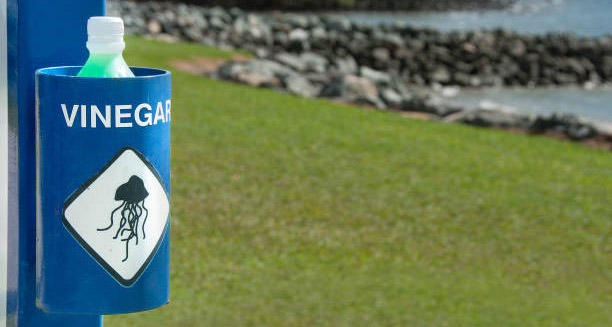
- Deactivate Stingers: Rinse the affected area with vinegar (5% acetic acid) for at least 30 seconds to neutralize nematocysts, especially for box jellyfish and Irukandji stings. Avoid freshwater, alcohol, or urine, which may worsen venom release.
- Remove Tentacles: After vinegar treatment, carefully remove visible tentacles with tweezers or a credit card edge while wearing gloves or using a barrier.
2. Pain Management
Pain from stings can be intense but manageable:
- Hot Water Immersion: Soak the area in hot water (40–45°C) for 20–45 minutes to denature venom proteins and relieve pain. Use heat packs if soaking is not possible.
- Analgesics: Over-the-counter painkillers like paracetamol or ibuprofen help; stronger medications or local anaesthetics may be given in hospital.
- Topical Creams: After venom neutralization, antihistamine or hydrocortisone creams may ease itching and inflammation.
3. Systemic Treatment for Severe Stings
Venom from some jellyfish affects vital systems and requires urgent medical care:
- Box Jellyfish (Chironex fleckeri): Antivenom is available and should be administered by trained professionals. Continuous cardiac monitoring is critical due to risk of arrhythmias or arrest. Resuscitation equipment must be ready.
- Irukandji Syndrome: Symptoms appear hours after the sting and include severe pain, high blood pressure, sweating, and anxiety. Treatment involves intravenous magnesium sulfate, strong pain relief (morphine), and ICU monitoring if needed.
- Portuguese Man o’ War: Similar supportive care as other stings but with often prolonged severe pain. Respiratory support may be needed rarely.
4. Managing Allergic and Anaphylactic Reactions
Severe allergies require immediate action:
- Signs: Swelling of lips or throat, breathing difficulty, low blood pressure, widespread rash, dizziness, or fainting.
- Emergency Response: Administer epinephrine (adrenaline) promptly, call emergency services, and keep the patient lying down with legs raised unless breathing is impaired.
- Follow-Up: Hospital observation is necessary; antihistamines, corticosteroids, and oxygen may be used. Patients with anaphylaxis should carry an epinephrine auto-injector and wear medical ID.
5. Antibiotics and Wound Care
To prevent or treat infection from sting wounds:
- Watch for Infection: Signs include increasing redness, swelling, pain, pus, fever, or swollen lymph nodes.
- Treatment: Use topical or oral antibiotics as prescribed. Clean the wound gently with saline or antiseptic, keep it dry and covered, and avoid scratching to reduce scarring and infection risk.
6. Aftercare and Recovery
Healing times vary:
- Mild Stings: Usually clear in 1–3 days, though redness and itching may last longer.
- Moderate to Severe Stings: Can take 1–3 weeks, with possible lingering scars or discoloration. Follow-up may be necessary.
- Psychological Recovery: Anxiety and water-related fears may develop after traumatic stings, especially in children; counseling may help.
7. Special Considerations
- Children: Need careful dosing, closer monitoring, and hospital evaluation after any sting.
- Elderly and Immunocompromised: Higher risk of complications and infections; healing may be slower.
- Pregnant Individuals: Should be assessed by healthcare providers to ensure safety for both mother and baby.
8. Prevention as Part of Treatment
Preventing future stings is vital:
- Protective Clothing: Use full-body swimwear or stinger suits in jellyfish-prone waters.
- Stay Informed: Follow local warnings and avoid swimming during jellyfish blooms or after storms.
- Carry a Sting Kit: In tropical areas, bring vinegar, tweezers, and for allergic persons, an epinephrine auto-injector.
Conclusion
Jellyfish sting treatment ranges from simple first aid to life-saving hospital care. Immediate vinegar application and safe tentacle removal are crucial. Severe stings require specialized therapies and emergency support. With proper care, most recover fully without lasting effects. Knowing first aid, recognizing when to seek help, and practicing prevention are key to staying safe in jellyfish habitats.