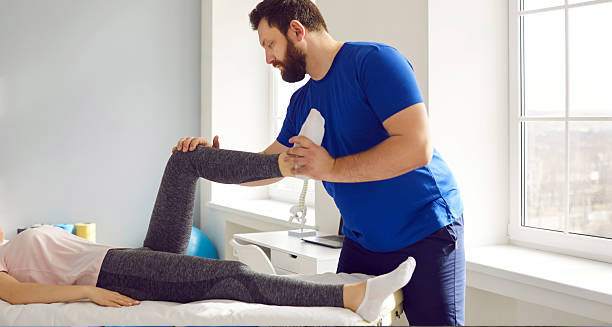

Treatment of leg cramps involves a combination of immediate relief strategies, long-term prevention techniques, and medical interventions when necessary.
Since leg cramps can range from occasional discomfort to chronic pain that significantly impacts daily life, a personalised and multi-part approach often works best. In many cases, simple self-care measures work well. However, persistent or severe cramps may need more advanced treatment of leg cramps to fix underlying causes or related problems.
Whether cramps happen for no known reason, come from physical strain, or show other health issues, treatment aims to ease pain quickly, lower how often cramps happen, and improve muscle health and function.
1. Immediate Relief Measures
For people who get sudden leg cramps, stopping pain fast is the first goal. Treatment of leg cramps usually starts with stretching and massaging the muscle that hurts. For example, if the cramp hits the calf, pulling the foot upward toward the shin often stops the spasm. Gently rubbing or kneading the area can also relax the muscle and help blood flow.
Using heat with a heating pad or warm towel can ease pain by increasing circulation. If cramps stay or come back, switching to a cold pack may lower swelling and numb the spot a little. Both heat and cold help manage cramps in the short term.
2. Stretching and Muscle Conditioning
Regular stretching forms a key part of the treatment of leg cramps. Stretching makes muscles more flexible, stops tightness, and lowers the chance of sudden spasms. Stretching before and after exercise and before sleep helps people who often get night cramps.
Try these stretches:
- Calf stretch: Stand about one meter from a wall and lean forward with the back leg straight.
- Hamstring stretch: Sit on the floor with legs out and reach forward toward toes.
- Quadriceps stretch: Stand and pull one ankle toward the buttocks to stretch the front thigh.
Adding gentle strength training and low-impact exercises like swimming, cycling, or walking also builds muscle endurance and blood flow, reducing cramps.
3. Hydration and Nutritional Support
Drinking enough fluids plays a big role in the treatment of leg cramps, especially for people who sweat a lot or exercise often. Not drinking enough water can upset the balance of minerals like potassium, calcium, magnesium, and sodium that muscles need to work well.
To prevent or reduce cramps, patients should:
- Drink plenty of water throughout the day.
- Drink more during and after exercise or hot weather.
- Eat foods rich in key minerals, such as bananas (potassium), leafy greens (magnesium), dairy (calcium), and nuts or seeds.
Sometimes, a doctor may suggest electrolyte supplements. These should only be taken with medical advice to avoid too much intake.
4. Addressing Underlying Medical Conditions
If leg cramps come from another health problem like peripheral artery disease, diabetes, thyroid imbalance, or nerve damage, the best treatment of leg cramps starts with fixing that cause. For example:
- Peripheral artery disease (PAD) may need medicine or vascular treatment to help blood flow.
- Diabetes-related cramps often get better with good blood sugar control.
- Thyroid problems may need hormone replacement.
Managing these health issues well often cuts down or stops leg cramps.
5. Medication and Supplementation
When cramps happen often and disturb daily life despite lifestyle changes, doctors may suggest medicine. Treatment of leg cramps with drugs is usually a last option if other methods don’t work.
Some medicines sometimes used include:
- Quinine: Used in the past but now limited because of side effects like heart problems and low blood platelets. Doctors only prescribe it rarely and with care.
- Muscle relaxants: Such as baclofen or diazepam, can help short-term for bad cramps.
- Magnesium supplements: May help, especially for pregnant women, but studies show mixed results.
Patients should always talk to a doctor before starting any medicine or supplement to avoid bad effects or interactions.
6. Compression and Orthotic Devices
Using compression gear is another way to treat leg cramps. Compression stockings or sleeves help blood flow back to the heart and reduce leg muscle tiredness. This may stop cramps, especially for people who stand a lot or travel.
Orthotic shoe inserts or special shoes can also help, especially if poor walking habits or body mechanics cause muscle strain. These devices improve posture and ease stress on leg muscles.
7. Lifestyle Modifications and Sleep Hygiene
Good sleep habits are very important for those who get night cramps. As part of treatment of leg cramps, people should:
- Stretch before going to bed.
- Keep a regular sleep schedule.
- Avoid caffeine or alcohol late in the day.
- Take a warm bath or use a heating pad on legs before sleeping.
Some find relief by slightly raising their legs while sleeping or placing a pillow under their knees to reduce strain.
Regular exercise, stress management, and avoiding sudden heavy effort also help in the long run.
8. Alternative and Complementary Therapies
Some people try alternative treatments for leg cramps. Though research is limited, some methods show promise, such as:
- Acupuncture: Thought to improve muscle balance and nerve health.
- Chiropractic care: Especially when spine or nerve issues may cause cramps.
- Aromatherapy and massage: Help muscles relax and reduce stress.
These therapies should support, not replace, medical care.
9. Monitoring and Long-Term Management
Long-term treatment of leg cramps often means tracking cramps with a “cramp diary.” Patients note when, how often, where, and how bad cramps are, along with activities or foods linked to episodes. This helps refine treatment and lets health workers give better care.
Regular check-ins with a physiotherapist, dietitian, or doctor may help with ongoing support and assessment.
Summary
To summarise, treatment of leg cramps includes quick relief and long-term prevention. From stretching and hydration to medicines and lifestyle changes, managing leg cramps needs a full approach. Most cases respond well to home care, but persistent or serious cramps require medical evaluation to rule out deeper issues.