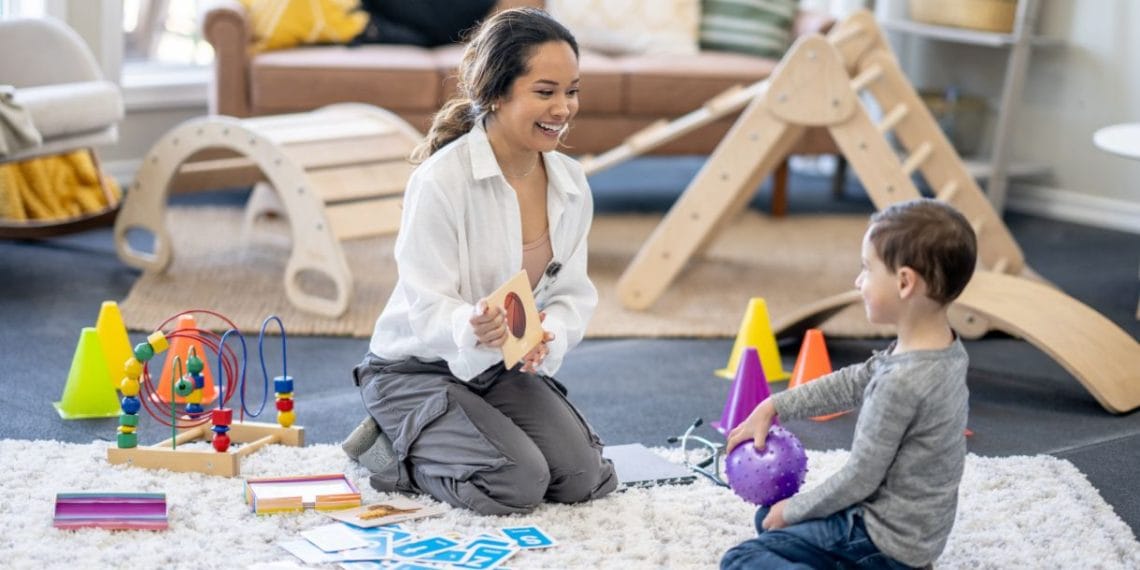
Play therapy is a specialised form of therapy designed to help children express their feelings, process experiences, and resolve conflicts in a safe and supportive environment. Unlike traditional talk therapy, play therapy allows children to communicate through play, their most natural and effective mode of expression.
How Does It Work?
In play therapy, toys, games, art, and storytelling are used to create a therapeutic environment where children can express themselves freely. A trained therapist observes and interacts with the child, gaining insights into their thoughts, emotions, and behaviours. This approach is particularly effective for children who may not yet have the verbal skills to articulate their feelings.
During sessions, children might:
- Use dolls or action figures to act out scenarios.
- Draw or paint to express their emotions.
- Build with blocks or use sand trays to represent their inner world.
These activities enable children to process complex emotions and experiences in a way that feels safe and non-threatening.
Who Can Benefit from Play Therapy?
Play therapy is suitable for children as young as three years old and can benefit kids up to adolescence. It’s often used to address various challenges, including:
- Anxiety and depression
- Behavioural issues
- Trauma and grief
- Bullying or social difficulties
- ADHD or autism spectrum disorders
- Family changes, such as divorce or relocation
- It can also be beneficial for children who have experienced abuse, neglect, or other significant life challenges.
Benefits of Play Therapy
This therapeutic approach offers numerous benefits for children and their families, such as:
- Emotional Expression: Helps children express feelings they might struggle to verbalise.
- Improved Behaviour: Encourages positive behaviour changes and reduces problematic behaviours.
- Stress Relief: Provides a safe outlet for stress and anxiety.
- Enhanced Communication: Helps children develop communication skills and emotional awareness.
- Stronger Relationships: Encourages better family dynamics and stronger parent-child bonds.
What Happens in a Session?
Sessions typically last 30 to 50 minutes and may occur weekly. The therapist creates a safe, non-judgemental space where children can lead the play, while the therapist observes, guides, or intervenes as necessary. Sessions are tailored to the child’s unique needs and progress over time.
Parents are often included in the process, either through feedback sessions with the therapist or by participating in activities designed to strengthen their relationship with their child.
How to Get Started
If you’re considering this form of therapy for your child, start by consulting a licensed therapist or a mental health professional specialising in child therapy. They will assess your child’s needs and recommend an appropriate course of action.
In conclusion, play therapy is an effective, child-centred approach to supporting emotional well-being and personal growth. By allowing children to express themselves through play, this therapy helps them navigate life’s challenges and build resilience in a safe and supportive environment.
Mental Matters is a resource and information platform. We do not provide medical advice, diagnosis, or treatment. While the information on our website is for general awareness and support, it should not replace professional advice. For any mental health concerns, please consult a qualified healthcare or mental health professional.
Optometrist Eye Clinic at the University of Bradford
Vision Express Opticians – Cambridge
Optical Express Laser Eye Surgery & Opticians Leeds