Angina
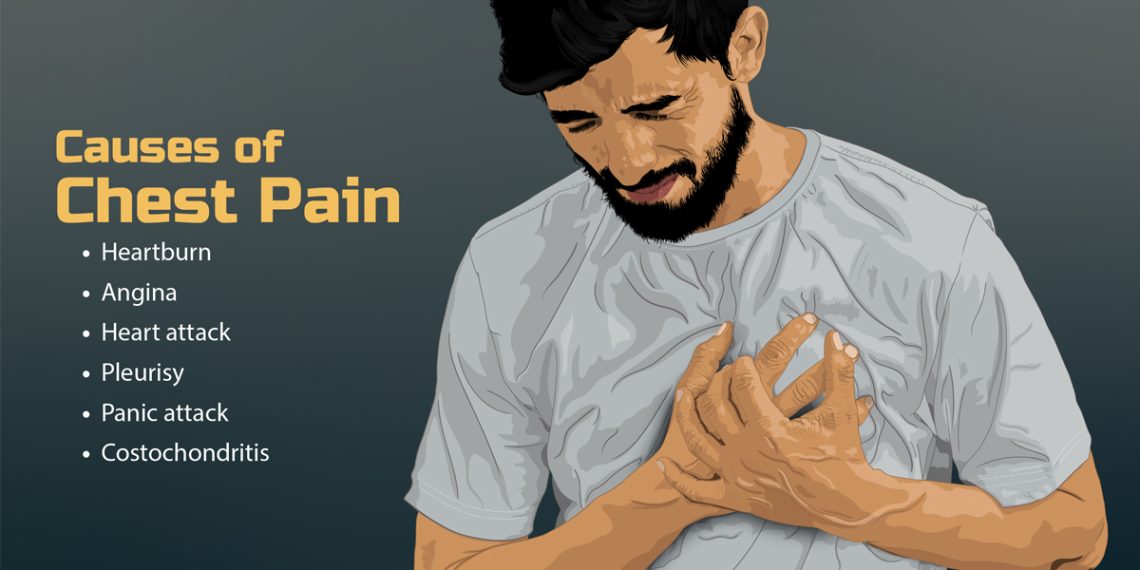
Angina is a type of chest pain caused by reduced blood flow to the heart muscle. It’s not a disease itself, but a symptom of coronary artery disease (CAD) — the most common type of heart disease globally and in South Africa. Angina signals that the heart is not getting enough oxygen-rich blood, especially during physical activity or emotional stress.
Often described as:
- Pressure, squeezing, or tightness in the chest
- Pain that may spread to the arms, neck, jaw, shoulder, or back
- Discomfort that lasts a few minutes and eases with rest
While this is not the same as a heart attack, it’s a warning sign that you’re at higher risk. Immediate medical attention is essential, especially if symptoms are new, worsening, or occurring at rest.
There are different types of angina:
- Stable: Predictable, occurs with exertion, and improves with rest or medication
- Unstable: Unpredictable, occurs at rest, and signals a higher risk of heart attack
- Variant (Prinzmetal’s): Caused by spasms in the coronary arteries, often at night
This condition can significantly affect quality of life, but it’s manageable with lifestyle changes, medication, and sometimes surgery.
👉 [Next: Causes and Risk Factors of Angina]