Mental Matters

Mental Matters

  • Health & Wellness
  • Mental Health
  • Live Better
  • Directory
  • Articles & Guides
  • Advertise
  • Blog
  • Fields
  • Health & Wellness
  • Mental Health
  • Live Better
  • Directory
  • Articles & Guides
  • Advertise
  • Blog
  • Fields
  • Health & Wellness
  • Mental Health
  • Live Better
  • Directory
  • Articles & Guides
  • Advertise
  • Blog
  • Fields
  • Health & Wellness
  • Mental Health
  • Live Better
  • Directory
  • Articles & Guides
  • Advertise
  • Blog
  • Fields

Diagnosis of Cyclical Vomiting Syndrome

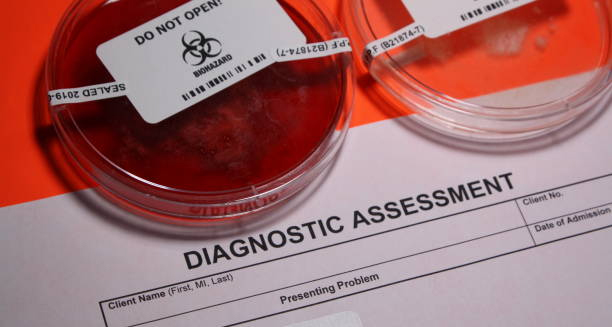
Laboratory diagnostic assessment form alongside sealed biohazard petri dishes, indicating medical testing in progress.

Diagnosing Cyclical Vomiting Syndrome involves ruling out other medical conditions through comprehensive clinical assessment and testing.

Diagnosis of Cyclical Vomiting Syndrome

Diagnosis of cyclical vomiting syndrome is largely clinical, based on the patient’s medical history and pattern of symptoms. There is no single test that confirms the diagnosis of cyclical vomiting syndrome, which often leads to delays in identification. Doctors must rule out other causes of recurrent vomiting before confirming CVS.

Medical History

A thorough history is the cornerstone of diagnosis:

Recurrent episodes of vomiting, separated by periods of normal health

Each episode follows a similar pattern in terms of duration, frequency, and intensity

Triggers such as stress, infections, or specific foods may be identified

Family history of migraines or gastrointestinal disorders is common

Diagnostic Criteria | Diagnosis of Cyclical Vomiting Syndrome

Doctors often use the Rome IV criteria, which are guidelines for diagnosing functional gastrointestinal disorders:

At least three episodes in the past year

Each episode involves intense nausea and vomiting lasting less than one week

Complete resolution between episodes

No other condition explains the symptoms

These criteria are useful in both children and adults.

Physical Examination

During the symptom-free phase, physical exams are usually normal. However, during an episode, signs may include:

Dehydration

Lethargy or weakness

Abdominal tenderness

Increased heart rate or low blood pressure

Tests to Rule Out Other Conditions

To exclude other causes of vomiting, the following may be ordered:

Blood tests: To check for infection, electrolyte imbalances, or kidney issues

Urinalysis: To rule out urinary infections or metabolic disorders

Abdominal ultrasound or CT scan: To identify structural problems like blockages

Endoscopy: To examine the oesophagus and stomach if reflux or ulcers are suspected

Neurological evaluation: Especially if migraines or seizures are part of the history

Referral to Specialists

Children are often referred to a paediatric gastroenterologist, while adults may be seen by a gastroenterologist or neurologist if migraine association is suspected.

In summary, diagnosis of cyclical vomiting syndrome involves recognising consistent symptom patterns and ruling out other medical conditions. Early identification allows for appropriate management and prevention of further complications.

[Next: Treatment of Cyclical Vomiting Syndrome →]

Diagnosis and Tests for Bladder Pain Syndrome
Causes of Cyclical Vomiting Syndrome
Complications and Recovery from Cyclical Vomiting Syndrome
Symptoms of Cyclical Vomiting Syndrome

Related Posts

Woman sitting on a sofa with abdominal pain from constipation
Constipation

Complications and Recovery from Constipation

June 17, 2025

Complications and Recovery from Constipation Complications and recovery from constipation vary depending...

Overview of Male Menopause
Health Conditions

Male Menopause

August 14, 2025

Overview of Male Menopause Male menopause refers to the age-related hormonal changes...

Mental Matters

Facebook Instagram

Your Weekly Dose of Mental Health Support
– Straight to Your Inbox

  • Your journey to better mental health starts here—with expert insights and helpful resources delivered weekly.


© 2025 Mental Matters. All rights reserved. The content on this website is intended for informational purposes only and does not constitute medical advice, diagnosis, or treatment. Please consult a qualified health professional for any medical concerns.

Quick Links

  • Directory

  • Advertise

  • Conditions

  • Real Talk

  • Eating Disorders

  • Depressed

  • Autism

  • Community

  • Resources

About

  • Get In Touch

  • Home

  • Privacy Policy

  • Suicide Prevention Support

  • Terms & Conditions

© 2025 Mental Matters. All rights reserved.

No Result
View All Result
  • Health & Wellness
  • Mental Health
  • Live Better
  • Directory
  • Articles & Guides
  • Advertise
  • Blog
  • Fields

© MENTAL MATTERS 2024