
Mental Matters

Ear Infections

Woman in pain holding her ears due to ear infection

Ear Infections

Ear Infections Ear infections are common conditions that affect the middle, outer, or inner ear. They are especially frequent in children but can affect people of all ages. These infections typically cause pain, hearing difficulties, and sometimes fever or fluid discharge. Most are caused by bacteria or viruses and may follow a cold, sinus infection, or allergies. The most common type is middle infection (otitis media), which occurs when fluid builds up behind the eardrum. This fluid becomes infected, leading to inflammation and discomfort. Outer infections (otitis externa), also known as swimmer’s ear, affect the canal and are usually caused by bacteria entering through water or injury. Inner infections are less common but more serious, often affecting balance and hearing. Children are more prone to infections because their eustachian tubes—small passages that connect the middle ear to the back of the throat—are shorter and more horizontal. These tubes can become easily blocked, trapping bacteria or viruses inside the ear. Frequent colds, allergies, bottle feeding while lying down, and exposure to smoke increase the risk. Ear Infections In South Africa, ear infections are a leading cause of childhood visits to the clinic. In rural and low-income areas, delayed treatment or limited access to antibiotics can result in chronic infections and even hearing loss. Public health education, vaccination (such as for pneumococcus and influenza), and prompt care are essential for reducing complications. Most infections clear up on their own within a few days, but some may require antibiotics, especially if symptoms are severe or last longer than 48 hours. Warm compresses, pain relief medication, and keeping the ear dry are common parts of home care. Understanding ear infections and acting quickly when symptoms arise helps prevent hearing damage and other long-term effects. Early diagnosis and treatment are especially important for young children, as persistent hearing problems can affect speech and learning. [Next: Causes of Ear Infections →]

Ear Infections Read More »

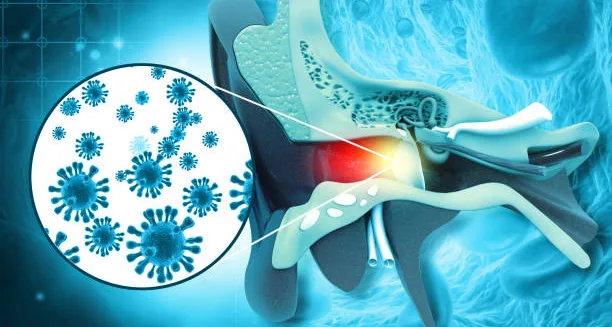
Medical illustration showing bacteria causing an ear infection

Causes of Ear Infections

Causes of Ear Infections The causes of ear infections depend on the type of infection, but they are usually linked to bacteria, viruses, or fungi entering the ear and triggering inflammation. Most ear infections begin when another illness, such as a cold, flu, or allergy, causes congestion and swelling in the nasal passages, throat, and eustachian tubes. The eustachian tubes help ventilate the middle ear and drain fluids into the throat. When they become blocked, fluid builds up behind the eardrum, creating a warm and moist environment where germs can grow. This trapped fluid is a key factor in the development of middle ear infections. Bacteria such as Streptococcus pneumoniae, Haemophilus influenzae, and Moraxella catarrhalis are common culprits in middle ear infections. Viruses like the flu or respiratory syncytial virus (RSV) can also trigger infections by causing inflammation and reducing the body’s ability to fight off bacteria. Outer ear infections are often caused by water entering the ear canal and creating a breeding ground for bacteria. This is especially common in swimmers or people who clean their ears with cotton buds, which can scratch the skin and introduce germs. Fungal infections may also occur in tropical or humid environments, including some regions of South Africa. Inner ear infections are usually the result of viral infections, such as those linked to measles, mumps, or influenza. These infections can affect the cochlea and vestibular system, leading to dizziness, nausea, and temporary or permanent hearing loss. Several risk factors increase the likelihood of developing ear infections: Young age (especially between 6 months and 2 years) Bottle-feeding while lying down Exposure to tobacco smoke or air pollution Seasonal colds and allergies Poor hygiene or recurrent upper respiratory infections A family history of frequent ear infections Causes of Ear Infections In South African communities where healthcare access is limited, environmental factors like overcrowding, poor air quality, and under-vaccination can worsen the spread of infections. Children in these settings may also lack early intervention, increasing the risk of chronic otitis media and associated hearing problems. It’s also important to consider structural causes, such as cleft palate, which can affect the function of the eustachian tubes. In adults, ear infections may be linked to underlying skin conditions (like eczema in the ear canal), the use of hearing aids or earbuds, or water-based occupations. Understanding the causes of ear infections allows for targeted prevention, such as vaccinations, good hygiene, and reducing exposure to irritants. For recurring infections, doctors may suggest inserting grommets (ear tubes) to help with fluid drainage and reduce the risk of complications. [Next: Symptoms of Ear Infections →]

Causes of Ear Infections Read More »

Man experiencing pain from an ear infection

Symptoms of Ear Infections

Symptoms of Ear Infections The symptoms of ear infections can vary depending on the part of the ear affected, the severity of the infection, and the person’s age. However, pain is the most common and earliest symptom across all types. Ear infections in children often present with different signs than in adults, making early recognition by caregivers and health workers crucial. In middle ear infections (otitis media), the most typical symptoms include: Ear pain or tugging at the ear (especially in young children) Fever Irritability or difficulty sleeping Hearing difficulties Fluid drainage from the ear (if the eardrum ruptures) Loss of balance Crying more than usual Young children may not be able to express their discomfort, so parents often notice general fussiness, feeding problems, or unusual crying. If the infection causes fluid to build up behind the eardrum, hearing can become muffled. This can delay speech development if the infection is recurrent or untreated. Outer ear infections (swimmer’s ear) typically cause: Redness and swelling of the ear canal Pain that worsens when the ear is pulled or pressed Itchiness in the ear Discharge or a foul smell A blocked or full feeling in the ear Inner ear infections are less common but more serious. Symptoms can include: Severe dizziness or vertigo Ringing in the ears (tinnitus) Sudden hearing loss Nausea or vomiting Difficulty standing or walking due to balance problems In South Africa, many cases go untreated due to limited access to healthcare, especially in remote or informal settlements. This can lead to chronic ear infections, eardrum perforation, and permanent hearing loss. In schools, children may struggle academically simply because they cannot hear properly—yet the underlying ear problem goes unnoticed. Recurring or chronic infections may result in more subtle symptoms like persistent fluid in the ear (known as glue ear), speech delays, or frequent behavioural issues. These signs can sometimes be mistaken for learning difficulties or inattention. Symptoms of Ear Infections In adults, symptoms of ear infections may also include jaw pain, headache, or a sensation of pressure in the head. Some infections are linked to dental problems or sinus infections, which should be treated concurrently. It is essential to seek medical help if symptoms last more than 48 hours, worsen over time, or are accompanied by high fever, discharge, or signs of hearing loss. Untreated infections can spread to nearby tissues, including the mastoid bone or brain, leading to serious complications. Recognising the symptoms of ear infections early—especially in children—can prevent long-term issues and allow for faster recovery. Prompt treatment reduces the risk of hearing problems, speech delays, and school difficulties. [Next: Diagnosis of Ear Infections →]

Symptoms of Ear Infections Read More »

Doctor examining patient’s ear for infection

Diagnosis of Ear Infections

Diagnosis of Ear Infections The diagnosis of ear infections is typically straightforward and begins with a physical examination by a general practitioner or paediatrician. In many cases, ear infections are diagnosed based on symptoms and a look inside the ear using a special instrument called an otoscope. This allows the doctor to check for signs of inflammation, fluid behind the eardrum, or visible damage to the ear canal or eardrum. In middle ear infections (otitis media), the eardrum may appear red, swollen, or bulging. Sometimes, fluid or pus may be visible behind the membrane. If the eardrum has ruptured, the doctor may see a hole or fluid leaking out. This is often accompanied by a sudden relief in pain followed by discharge. Outer Ear Infections For outer ear infections (otitis externa), the ear canal may appear red, swollen, and tender to touch. There may be discharge, and the patient often reports pain when the outer ear is moved. If a fungal infection is suspected, swabs may be taken for analysis. In cases of suspected inner ear infections, additional testing may be necessary. Balance problems, dizziness, or hearing loss suggest deeper involvement. Audiometry tests can assess hearing function, while more advanced tools like tympanometry may measure eardrum movement and detect fluid buildup. In rare cases, imaging such as CT or MRI may be used to rule out more serious issues like abscesses or mastoiditis. In South Africa, the diagnosis of ear infections is sometimes made at community clinics or by nurses, especially in rural areas. Otoscopes may not always be available, so diagnosis often relies on symptoms alone. While this is usually sufficient for treatment, there is a risk of misdiagnosis or under-diagnosis when equipment or training is lacking. Hearing tests are particularly important in children with recurrent ear infections. Persistent fluid in the middle ear can cause temporary hearing loss, which in turn can affect speech and learning. If concerns arise, a referral to an audiologist or ENT (ear, nose and throat) specialist is recommended. Diagnosis of Ear Infections For babies and toddlers, doctors may also assess behaviour and responsiveness to sound. A child who does not respond to voices, loud noises, or turns up the TV volume excessively may be suffering from temporary hearing issues due to unresolved ear infections. Accurate diagnosis of ear infections ensures that treatment is appropriate and effective. Overuse of antibiotics can lead to resistance, so identifying whether an infection is viral or bacterial is key. In many cases, especially with mild symptoms, a “watchful waiting” approach may be used for 48 hours before starting antibiotics. Timely diagnosis helps prevent complications, especially in children. It also gives parents and caregivers the information needed to monitor progress and seek follow-up care if symptoms persist or worsen. [Next: Treatment of Ear Infections →]

Diagnosis of Ear Infections Read More »

Doctor examining elderly man's ear for infection

Treatment of Ear Infections

Treatment of Ear Infections The treatment of ear infections depends on the type of infection, its severity, and the age of the patient. In many cases, especially mild middle ear infections, no medication is required. Instead, ear infections often resolve on their own with rest, fluid intake, and pain relief. However, in other cases, especially when symptoms persist or worsen, medical intervention is necessary. For middle ear infections (otitis media), doctors may start with a “watchful waiting” approach. This involves monitoring the patient for 48 to 72 hours before prescribing antibiotics. This approach is especially common in older children and adults who are otherwise healthy. Pain and fever can be managed with paracetamol or ibuprofen, and warm compresses may also help relieve ear discomfort. If symptoms persist, or if the patient is very young or at risk of complications, antibiotics such as amoxicillin are often prescribed. It’s crucial to complete the full course of antibiotics, even if symptoms improve before the medicine is finished. This prevents relapse and reduces antibiotic resistance. For outer ear infections, treatment usually includes antibiotic or antifungal ear drops. In cases where the ear canal is blocked with debris or discharge, gentle cleaning by a doctor may be required before applying drops. Keeping the ear dry is essential during treatment. Patients are advised to avoid swimming or inserting anything into the ear until fully healed. In inner ear infections, symptoms like vertigo and balance problems are usually managed with rest and medications to control nausea or dizziness. If caused by a virus, antiviral treatment is not typically effective, so supportive care remains the main approach. Otitis Media Chronic or recurrent ear infections may require further intervention. In children who have repeated episodes of otitis media with fluid buildup, ENT specialists may recommend inserting grommets (ventilation tubes) into the eardrum. These tubes help drain fluid and equalise pressure, often improving hearing and reducing infection frequency. Treatment of Ear Infections In South Africa, limited access to ENT specialists and surgical options like grommets can be a barrier, especially in rural or underfunded public health settings. NGOs and outreach programmes often assist in identifying children at risk of hearing loss and facilitating referrals where possible. Home care is an important part of treatment. Parents should monitor for worsening symptoms, avoid smoking around children (which increases infection risk), and encourage good hygiene to prevent spread. Breastfeeding infants for at least six months has been shown to reduce the risk of early ear infections. The goal of treatment of ear infections is to manage pain, clear the infection, and prevent complications like hearing loss or eardrum damage. With early intervention, most people recover quickly and completely. [Next: Complications of Ear Infections →]

Treatment of Ear Infections Read More »

Scroll to Top