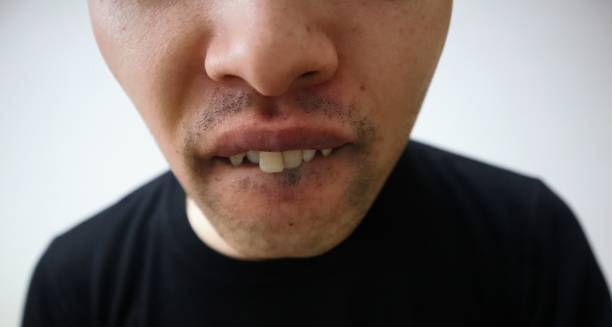
Symptoms of Gum Disease
The symptoms of gum disease often begin subtly, with many individuals unaware of the condition until it becomes more advanced. In the early stages, the symptoms of gum disease may be limited to redness or mild bleeding of the gums, but if left untreated, they can progress to significant tissue damage, tooth loss, and even systemic health complications.
Gum disease, medically known as periodontal disease, is a chronic inflammatory condition affecting the soft tissue and bone that support the teeth. It typically develops in stages, starting with gingivitis (reversible gum inflammation) and potentially advancing to periodontitis (irreversible damage to gum and bone structures). Recognising the signs early allows for more conservative and effective treatment.
Early Symptoms (Gingivitis)
In its initial stage, gum disease is usually painless, but several key warning signs may appear:
Red or swollen gums
Bleeding during brushing or flossing
Persistent bad breath (halitosis)
Mild gum tenderness
Gums that appear shiny or overly smooth
At this stage, the inflammation is limited to the gums and can usually be reversed with improved oral hygiene and professional cleaning. However, without intervention, gingivitis can escalate.
Moderate to Severe Symptoms (Periodontitis)
As gum disease progresses into periodontitis, more severe and noticeable symptoms emerge:
Receding gums, making teeth appear longer
Formation of deep pockets between teeth and gums
Loose or shifting teeth
Pus discharge from the gums
Pain while chewing
Sensitivity to hot or cold foods
These signs indicate structural damage beneath the gumline, including the loss of connective tissue and alveolar bone that support teeth.
Gum Recession
One of the hallmark features of advancing gum disease is gum recession. The gums pull away from the teeth, exposing the roots and increasing sensitivity. Receding gums also:
Compromise the seal around teeth
Create deeper spaces for bacteria to thrive
Make teeth more prone to decay and sensitivity
In some cases, gum recession may be the first visible sign a person notices.
Bleeding Gums
While bleeding gums may seem minor, they are not normal and should never be ignored. This symptom often indicates:
Chronic inflammation
The presence of plaque or tartar at the gumline
Inadequate flossing or brushing techniques
Persistent bleeding is usually the body’s response to infection and should prompt dental evaluation.
Halitosis (Chronic Bad Breath)
Bad breath caused by gum disease stems from:
Bacterial activity in plaque
Decaying food particles trapped in gum pockets
Infected or necrotic gum tissue
Unlike transient halitosis due to food or dehydration, gum disease-related halitosis tends to be ongoing and resistant to mouthwash or mints.
Tooth Mobility
As the condition worsens:
Bone supporting the teeth deteriorates
Ligaments and connective tissues weaken
Teeth may shift, wobble, or fall out
Tooth mobility is a late-stage sign that indicates the disease has already caused significant damage.
Systemic Signs and Associations
Although the focus is on the mouth, some systemic symptoms may be linked to gum disease, especially in advanced cases:
Low-grade fever (in severe infection)
Fatigue or malaise due to chronic inflammation
Increased risk for diabetes complications, heart disease, and pregnancy issues
Research suggests a strong correlation between periodontitis and systemic health due to the constant low-level release of inflammatory markers and bacteria into the bloodstream.
When to See a Dentist
You should schedule an immediate dental check-up if you experience:
Bleeding gums not caused by injury
Gum recession or visible tooth roots
Persistent bad breath despite hygiene
Painful, swollen, or pus-filled gums
Teeth feeling loose or changing position
Early intervention can prevent irreversible damage and reduce the need for surgery or tooth replacement.
Conclusion | Symptoms of Gum Disease
The symptoms of gum disease begin subtly but can escalate quickly without appropriate care. From bleeding and swelling to receding gums and loose teeth, recognising the symptoms of gum disease in its early stages offers the best chance for full recovery. Routine dental visits and attentive oral hygiene are essential to detect and address problems before they become permanent.