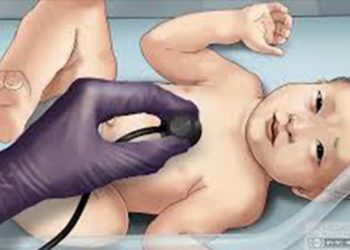
The symptoms of malignant brain tumour can vary a lot. They depend on the tumour’s size, location, how fast it grows, and how much pressure it puts on nearby brain areas. Since the brain controls everything—movement, memory, speech, and more—even a small tumour can cause serious problems.
Often, the nature of the symptoms offers the first clue. But these signs are easy to mistake for other health conditions.
This section explains the most common and noticeable symptoms of malignant brain tumour. It helps patients, families, and healthcare workers spot early warning signs. Acting early can lead to faster diagnosis and better treatment.
Headaches
Headaches are one of the most common symptoms of malignant brain tumour. While most headaches aren’t serious, tumour-related ones have unique signs:
- They feel worse in the morning or after waking up
- They get stronger when coughing or straining
- Regular painkillers don’t help
- They become more frequent over time
These headaches happen when the tumour raises pressure in the skull or blocks the flow of brain fluid. Nausea or vomiting often comes with them, especially early in the day.
Seizures
Seizures often serve as the first sign of a brain tumour. They happen when the tumour irritates the brain or disrupts normal electrical signals.
Different types of seizures include:
- Focal seizures – Affect one body part, like an arm or leg, with or without loss of awareness
- Generalised seizures – Affect the whole body, often with jerking, unconsciousness, and confusion
- Aura seizures – Start with strange feelings like déjà vu, flashes of light, or odd smells
Seizures in adults who’ve never had them before should always be checked further.
Cognitive and Personality Changes
Tumours in the frontal or temporal lobes can change how a person thinks or behaves. These changes may grow slowly and include:
- Memory loss
- Trouble focusing or solving problems
- Speech or language problems
- Poor judgement
Personality shifts may also appear, such as:
- More irritability or anger
- Withdrawing from others
- Feeling unmotivated
- Depression or anxiety
These early symptoms of malignant brain tumour can seem like stress or ageing at first.
Vision or Hearing Disturbances
Some tumours affect eyesight or hearing. Signs may include:
- Blurred or double vision
- Loss of side vision
- Hearing loss in one ear
- Ringing in the ears
Tumours near the optic nerve, occipital lobe, or brainstem are more likely to cause these problems. People don’t always notice these changes until they’re tested.
Nausea and Vomiting
Ongoing nausea or vomiting—especially without food or illness as a cause—can suggest a tumour. This often happens because of raised pressure in the brain, which activates the vomiting center.
It usually occurs early in the morning and may come with a headache. If vomiting continues for no clear reason, seek medical advice.
Balance and Coordination Problems
Tumours in the cerebellum or brainstem can affect how you move. Symptoms of malignant brain tumour in these areas include:
- Feeling off-balance
- Frequent falls or clumsiness
- Dizziness
- Trouble with fine movements like buttoning clothes
Older adults may confuse these symptoms with normal ageing or inner ear issues.
Weakness or Numbness
When a tumour presses on brain areas that control movement or sensation, it can cause:
- Weakness in a limb or one side of the body
- Numbness or tingling
- Loss of coordination
These symptoms might appear slowly or suddenly. They can look like signs of a stroke, so quick medical review is vital.
Speech and Language Difficulties
Some tumours affect brain regions that control speech. As a result, people may:
- Struggle to find words
- Speak in a slurred or confusing way
- Have trouble understanding speech or text
- Repeat words or phrases often
These symptoms usually appear slowly but can greatly affect daily life and communication.
Drowsiness and Fatigue
Many people with brain tumours feel tired all the time. Causes include:
- Raised pressure in the skull
- Poor sleep from pain or stress
- Brain dysfunction
- Hormone changes from tumours in the hypothalamus or pituitary gland
Some people sleep too much, but still feel exhausted.
Hormonal or Endocrine Symptoms
Tumours near the pituitary gland or hypothalamus can cause hormone problems. These include:
- Irregular periods
- Low sex drive or fertility issues
- Sudden weight gain or loss
- Feeling thirsty all the time
- Needing to urinate more often
- Mood swings
These signs point to hormonal imbalance and may need blood tests and imaging to confirm the cause.
Symptoms of Malignant Brain Tumour in Children
In babies and young children, symptoms may look different. Tumours can cause the skull to enlarge because pressure builds up. Warning signs include:
- A bulging soft spot on the head
- Poor feeding
- Delayed growth or milestones
- Lethargy or irritability
- Crossed eyes
These symptoms need urgent attention and a full neurological check-up.
When to Seek Medical Attention
Many of these symptoms can happen in less serious conditions. But some red flags need urgent care:
- New seizures in adults
- Ongoing headaches that get worse
- Sudden weakness or loss of feeling
- Repeated vomiting or vision loss
If these signs appear—especially in combination—see a doctor quickly to rule out or confirm a tumour.
Summary
The symptoms of malignant brain tumour can look like many other problems, which makes early diagnosis tricky. At first, signs like headaches or tiredness may not seem serious. Later symptoms, such as seizures, vision loss, or confusion, often mean the tumour has grown.
Recognising these signs early gives patients the best chance for prompt treatment and improved survival.