Mental Matters

Author name: admin

Smiling nutritionist with fresh vegetables on desk

Diagnosis of Food Colour Sensitivity

Diagnosis of Food Colour Sensitivity The diagnosis of food colour sensitivity can be challenging, as symptoms may be vague, delayed, or overlap with other food-related issues. Food colours are rarely the first suspect when someone presents with allergic-type reactions or behavioural changes, which makes clinical diagnosis reliant on careful observation, elimination, and sometimes formal allergy testing. Clinical History Doctors start by: Reviewing the onset, duration, and type of symptoms Asking about recent food intake, including packaged, coloured, or artificially flavoured items Investigating links between symptoms and specific products (e.g., sweets, fizzy drinks, sauces) Doctors may ask parents of children to track behaviour and dietary intake over a few weeks. Elimination and Reintroduction One of the most effective diagnostic tools is a supervised elimination diet Doctors remove suspected food colours from the diet for 2–4 weeks If symptoms improve, doctors reintroduce one colour at a time to check whether symptoms return Requires patience and commitment, especially for families managing multiple sensitivities This method is often used for identifying behavioural triggers in children, particularly in suspected cases of hyperactivity linked to additives. Food Diaries Keeping a detailed diary helps spot patterns: List all foods and drinks consumed Record portion sizes, ingredients, and product brands Track timing and description of symptoms A food diary is especially helpful in identifying subtle or delayed reactions. Allergy Testing Skin prick testing or IgE blood tests are less helpful for food colour sensitivities These tests are designed to detect true food allergies, not additive reactions However, they may be used to rule out allergies to natural colourants like cochineal (E120), which is derived from insects and can cause IgE-mediated allergies Specialist Referral If symptoms are persistent, confusing, or severe, referral to a clinical allergist, paediatrician, or dietitian is recommended Multidisciplinary support ensures that dietary restrictions are safe and nutritionally balanced Diagnosis of Food Colour Sensitivity The diagnosis of food colour sensitivity is mainly based on tracking, exclusion, and patient history. There is no single test that confirms it, which makes awareness, documentation, and professional guidance vital. [Next: Treatment and Management of Food Colour Sensitivity →]


Diagnosis of Food Colour Sensitivity Read More »

Doctor and patient reviewing treatment plan for food colour sensitivity

Treatment and Management of Food Colour Sensitivity

Treatment and Management of Food Colour Sensitivity The treatment and management of food colour sensitivity rely on avoidance, lifestyle adjustments, and support. Food colours are not essential nutrients, and avoiding them generally does not affect health. However, as they are widespread in processed foods, managing exposure requires awareness and practical strategies—especially for families. Avoidance of Known Triggers Once a food colour is identified as a trigger, it should be completely avoided Check food packaging for: E-numbers (e.g., E102 for tartrazine) Names of dyes (e.g., Allura Red, Sunset Yellow) “Artificial colour” labelling Watch out for hidden sources in: Flavoured yoghurts Fruit juices and sweets Cereals and ice creams Over-the-counter medications and supplements In South Africa and the UK, food regulations require that certain colours (like E102 and E110) be labelled with a warning about possible behavioural effects in children. Choose Natural Alternatives Opt for products made with natural food colourants, like beetroot, spirulina, or turmeric Many brands now offer “free from artificial colour” ranges, especially for children Encourage home-cooked meals using whole ingredients to avoid unknown additives Symptom Relief Antihistamines may relieve mild symptoms such as rashes, itching, or nasal congestion In rare cases where a colour causes an anaphylactic reaction (e.g., to cochineal), adrenaline auto-injectors may be prescribed Behavioural symptoms do not typically require medication, but removing the trigger is often enough to improve focus, sleep, or irritability Behavioural and Nutritional Support Children who show mood or focus changes may benefit from: Occupational therapy Behavioural support in school settings Dietary planning to ensure sufficient nutrient intake despite food restrictions A registered dietitian can help plan balanced meals and identify safe products Education and Communication Teach older children to recognise and avoid trigger foods Inform schools, nurseries, and caregivers about the colour sensitivity Keep a “safe snacks” list for parties or outings Use medical ID bracelets if the reaction is severe or involves multiple sensitivities Treatment and Management of Food Colour Sensitivity The treatment of food colour sensitivity is practical and effective when supported by informed choices and consistent routines. Many people notice significant improvements in wellbeing and behaviour simply by avoiding the offending additives. [Next: Complications of Food Colours →]

Treatment and Management of Food Colour Sensitivity Read More »

Nutritionist explaining digestive issues related to food colours

Complications of Food Colours

Complications of Food Colours The complications of food colours are mostly related to adverse reactions in sensitive individuals. While food colours are considered safe for the general population when consumed within regulated limits, those with sensitivities may experience unpleasant or even dangerous effects if not properly managed. Allergic Reactions Though uncommon, true allergic reactions to some colourants—especially natural ones like cochineal (E120)—can cause: Swelling of the lips, tongue, or face Hives or skin rashes Breathing difficulties or wheezing Severe cases may result in anaphylaxis, requiring emergency treatment These reactions often occur within minutes and must be managed with medical guidance and emergency medication. Behavioural and Emotional Impact In children with sensitivity, regular intake of artificial colours may contribute to: Hyperactivity or impulsiveness Irritability or emotional outbursts Difficulty concentrating at school If undiagnosed, these symptoms may be mislabelled as behavioural disorders or lead to unnecessary disciplinary action. Nutritional and Dietary Challenges Avoiding food colours often means avoiding processed and convenience foods, which may initially limit variety This can lead to: Fussy eating or food refusal in children Unintentional nutrient gaps, particularly if multiple additives are avoided Without guidance, families may overly restrict diets and cause growth concerns or social isolation Working with a dietitian ensures balanced nutrition without risk. Psychological Effects Children who feel “different” or excluded due to restricted diets may develop: Anxiety around food Social withdrawal, especially at birthday parties or school events A negative relationship with food, particularly if they are repeatedly told what they cannot eat Education, inclusion, and suitable food alternatives can reduce this impact. Financial Burden Speciality foods labelled “free from artificial colours” can be more expensive Constant label reading and sourcing trusted brands can add stress to shopping and meal planning Some families may need to invest in allergy-friendly meal prep or consulting services Complications of Food Colours Despite these challenges, awareness and preparation significantly reduce the complications of food colours. Most people who are sensitive to colourants can live healthy, full lives with the right support and clear [Next: Back to Overview →]

Complications of Food Colours Read More »

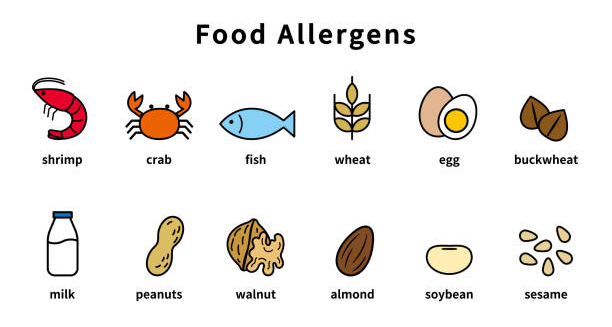
Common food allergens illustrated with icons

Food Allergy

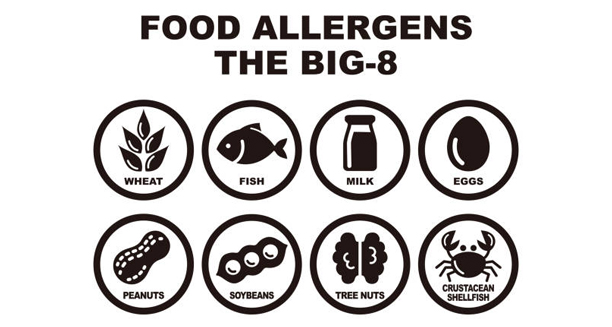
Food Allergy A food allergy occurs when the immune system reacts abnormally to a particular kind. Treating it as a harmful substance. This allergy can cause symptoms ranging from mild discomfort to life-threatening anaphylaxis. Unlike intolerance, which does not involve the immune system, an allergy like this can trigger a rapid, potentially dangerous response, even with tiny amounts of the allergen. These allergies are increasingly common in children and adults, affecting millions of people worldwide. Common allergenic foods include milk, eggs, peanuts, tree nuts, fish, shellfish, soy, and wheat. Some people outgrow their allergies, while others retain them for life. The body responds to allergens by producing antibodies called immunoglobulin E (IgE). When exposed to the allergen again, the immune system releases chemicals like histamine, causing allergic symptoms. These can affect the skin, respiratory system, digestive tract, or heart. Food Allergy Because a food allergy can be life-threatening, it requires strict avoidance of triggers, accurate diagnosis, and immediate access to emergency medication like adrenaline (epinephrine) auto-injectors. Education and support are crucial for those managing and for those around them, including schools and food service providers. Living with Food Allergies Managing a food allergy means more than avoiding certain foods—it requires daily vigilance and careful planning. Reading food labels, asking about ingredients when dining out, and informing caregivers or schools are all necessary steps. Carrying an epinephrine auto-injector at all times is crucial for those at risk of severe reactions. Emotional support and education also play an important role, especially for children and families learning to navigate the challenges of allergy management while maintaining a balanced lifestyle. [Next: Causes of Food Allergy →]

Food Allergy Read More »

The eight most common food allergens in black icon format

Causes of Food Allergy

Causes of Food Allergy The causes of food allergy are related to the immune system mistakenly identifying certain food proteins as threats. Food allergy can develop at any age, but it most commonly begins in infancy or early childhood. The reasons why some people develop food allergies while others don’t are not fully understood, but a combination of genetics, environment, and immune system development play key roles. Immune System Reaction The immune system produces IgE antibodies in response to a food protein On subsequent exposure, these antibodies trigger the release of histamine and other chemicals, leading to allergic symptoms This reaction happens quickly—within seconds to minutes of eating the allergen Genetic and Family Factors Food allergies often run in families If one parent has an allergy, the child has an increased risk; if both do, the risk is even higher Children with eczema, hay fever, or asthma are more likely to develop food allergies Early Life Exposure Delayed introduction of allergenic foods in infants was once common but may increase risk Recent guidelines recommend early, gradual introduction (e.g., of peanut butter) under medical guidance in high-risk infants Breastfeeding and gut health may influence immune tolerance, although the evidence is still evolving Environmental Factors Western lifestyles may contribute to rising allergy rates due to reduced exposure to microbes The “hygiene hypothesis” suggests a lack of exposure to everyday germs may skew the immune system towards allergic responses Pollution and changes in the food supply may also influence sensitisation Other Risk Factors Severe eczema in infants is a strong predictor of future food allergies Existing allergies (e.g., to dust mites or pollen) may increase sensitivity to certain plant-based foods due to cross-reactivity Some children with milk or egg allergies are more likely to develop multiple food allergies over time Causes of Food Allergy Understanding the causes of food allergy helps guide prevention efforts, early diagnosis, and research into better treatments. While some risk factors can’t be changed, others—like early food exposure and dietary diversity—are now being studied for their protective potential. [Next: Symptoms of Food Allergy →]

Causes of Food Allergy Read More »

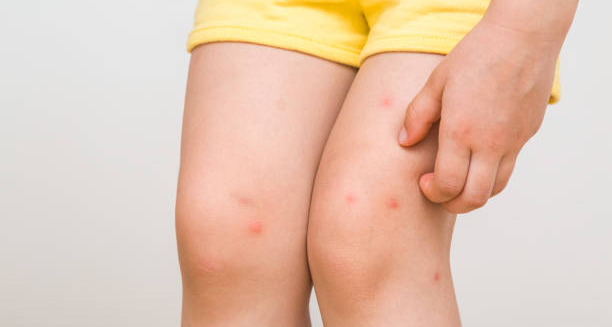
Child scratching red itchy bumps on legs from food allergy reaction

Symptoms of Food Allergy

Symptoms of Food Allergy The symptoms of food allergy vary in severity, timing, and body systems affected. Food allergy symptoms typically appear within minutes to two hours after eating the trigger food and can range from mild itching to severe, life-threatening reactions. Early recognition and swift action are vital. Mild to Moderate Symptoms Itching or tingling in the mouth and lips Skin reactions such as hives (urticaria), redness, or swelling Nasal congestion, sneezing, or watery eyes Nausea, stomach cramps, or diarrhoea Vomiting, especially in children These symptoms can occur alone or in combination. In some cases, they may progress to more severe reactions if not treated quickly. Severe Symptoms (Anaphylaxis) Anaphylaxis is a medical emergency that requires immediate treatment. Signs include: Swelling of the tongue or throat, leading to difficulty breathing Hoarseness or trouble speaking Wheezing or chest tightness Drop in blood pressure, causing dizziness or fainting Fast or weak pulse Pale or blue skin (in children) Without treatment, anaphylaxis can escalate rapidly and become fatal. Adrenaline auto-injectors (e.g., EpiPen) should be used at the first sign of serious symptoms, followed by urgent medical attention. Delayed Reactions Some food allergies, particularly non-IgE-mediated types, can cause symptoms several hours after eating: Persistent vomiting Diarrhoea or blood in stool Eczema flare-ups Poor growth or feeding difficulties in infants These are more common in cow’s milk or soy allergies in babies and may require an elimination diet under supervision. Oral Allergy Syndrome In some people, particularly those with pollen allergies, eating raw fruits and vegetables may cause: Mild mouth itching or swelling Usually resolves quickly and does not cause systemic symptoms Caused by cross-reactivity between pollen proteins and food proteins Cooking the food usually removes the allergenic protein. When to Seek Help | Symptoms of Food Allergy Tracking and recognising the symptoms of food allergy helps prevent serious outcomes and ensures that proper care is always close at hand. [Next: Diagnosis of Food Allergy→]

Symptoms of Food Allergy Read More »

Skin prick test for food allergy diagnosis on forearm

Diagnosis of Food Allergy

Diagnosis of Food Allergy The diagnosis of food allergy involves a detailed medical history, physical examination, and allergy testing. Because food allergy symptoms can resemble other conditions—like food intolerances or gastrointestinal disorders—accurate diagnosis is essential to avoid unnecessary food restrictions and to prevent life-threatening reactions in true allergy sufferers. Medical History and Symptom Review A doctor or allergy specialist will ask: What foods were eaten before symptoms appeared How quickly symptoms developed What type of symptoms occurred (e.g., rash, swelling, breathing issues) Whether reactions have worsened over time If there is a family history of allergies, asthma, or eczema This helps determine if the reaction is consistent with an IgE-mediated allergy (fast onset and potentially severe) or a non-IgE-mediated allergy (delayed and typically digestive or skin-related). Skin Prick Testing A small amount of the suspected allergen is placed on the skin The skin is pricked, and the area is observed for swelling or redness Results are available within 15–20 minutes A positive result suggests sensitisation but does not confirm clinical allergy alone This test is safe and commonly used in children and adults. Blood Tests (Specific IgE) Measures the level of allergy antibodies (IgE) to specific foods Useful for guiding diagnosis when skin testing is not possible May be less specific than skin testing Helps rule in or out foods when there’s uncertainty High IgE levels suggest a stronger reaction risk, but levels do not always correlate with severity. Oral Food Challenge Considered the gold standard for diagnosis The suspected food is given in small, increasing amounts under medical supervision Monitored closely for any reaction Helps confirm or rule out allergy in borderline or unclear cases This must only be performed in clinics with emergency facilities, especially for high-risk allergens like peanuts or shellfish. Elimination Diets (For Non-IgE Allergies) Used to diagnose delayed or digestive-type allergies The suspected food is removed from the diet for 2–4 weeks Reintroduced under supervision to see if symptoms return Often used for milk, soy, or wheat in infants and toddlers Diagnosis of Food Allergy The diagnosis of food allergy should never be based on self-testing or guesswork. Proper medical evaluation ensures safe, effective management and reduces the risk of unnecessary dietary restrictions. [Next: Treatment of Food Allergy →]

Diagnosis of Food Allergy Read More »

Woman scratching allergic rash on arms with allergy medication on table

Treatment of Food Allergy

Treatment of Food Allergy The treatment of food allergy focuses on strict avoidance of trigger foods and quick action if accidental exposure occurs. While there is currently no cure for food allergy, advances in immunotherapy and emergency preparedness have significantly improved outcomes and quality of life for affected individuals. Avoiding the Allergen The mainstay of treatment is complete avoidance of the identified allergen Read food labels carefully—look out for hidden ingredients and cross-contamination warnings Inform schools, nurseries, restaurants, and family members about the allergy Be cautious with takeaways, shared utensils, and buffet settings Patients must always carry emergency medication, even if they avoid the food reliably. Emergency Treatment: Adrenaline (Epinephrine) The first-line treatment for anaphylaxis Delivered via auto-injector (e.g., EpiPen, Jext, Emerade) Doctors must administer treatment at the first sign of severe symptoms like difficulty breathing, throat swelling, or dizziness Doctors may give a second dose if there’s no improvement within 5–10 minutes After using an auto-injector, the person should go to the emergency room immediately—even if symptoms improve. Antihistamines and Steroids Antihistamines (e.g., cetirizine or loratadine) may help relieve hives or itching Doctors sometimes use steroids to reduce prolonged reactions, particularly in non-IgE allergies These are not substitutes for adrenaline in anaphylaxis Long-Term Management Consult a clinical allergist or immunologist Create an allergy action plan for home, school, and travel Wear a medical alert bracelet if the allergy is severe Consider desensitisation (oral immunotherapy) in specialist centres—this involves giving tiny, increasing amounts of the allergen under medical supervision to reduce sensitivity Nutritional Support A dietitian may be needed to ensure proper nutrition, especially for children Calcium, protein, or vitamin B12 may be lacking if dairy, eggs, or multiple foods are eliminated Safe food alternatives should be introduced to prevent malnutrition or feeding issues Treatment of Food Allergy The treatment of food allergy is about much more than avoidance—it’s a daily lifestyle supported by education, readiness, and appropriate medical care. [Next: Complications of Food Allergy →]

Treatment of Food Allergy Read More »

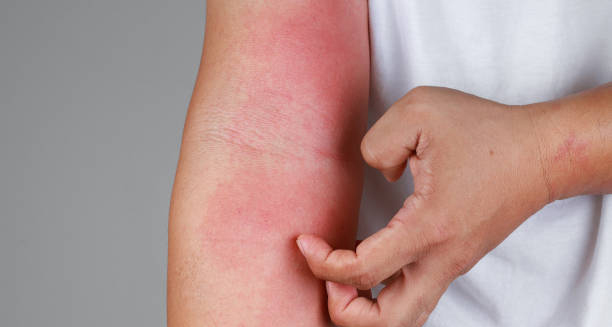
Person scratching red, inflamed rash on forearm due to allergic reaction

Complications of Food Allergy

Complications of Food Allergy The complications of food allergy can affect physical health, mental wellbeing, and quality of life. While many people manage their allergies well, food allergy carries the risk of serious and even fatal reactions, especially without proper diagnosis, avoidance, and emergency planning. Anaphylaxis The most severe complication of food allergy Can occur within minutes of exposure Causes airway swelling, low blood pressure, rapid pulse, and shock Requires immediate treatment with adrenaline and emergency medical care Common triggers: peanuts, tree nuts, shellfish, milk, and eggs Some people may experience biphasic reactions, where symptoms return hours after initial treatment. Hospital observation is advised for several hours after anaphylaxis. Nutritional Deficiencies Strict avoidance diets, especially in young children, may lead to: Calcium and vitamin D deficiency (from avoiding dairy) Iron or B12 deficiency (from avoiding eggs or meat) Growth delays if multiple major food groups are excluded These risks are best managed by involving a paediatric dietitian or nutritionist. Social and Emotional Impact Children with food allergies may feel isolated or anxious at school, parties, or outings Parents often report high levels of stress related to meal planning and fear of accidental exposure Adolescents are at particular risk of risk-taking behaviour and may hide their allergy due to peer pressure Ongoing support from healthcare providers, schools, and mental health professionals can help build confidence and independence. Feeding Disorders Children who have had severe allergic reactions early in life may develop food aversions or feeding difficulties Sensory sensitivities, gagging, or refusal to try new foods may emerge Behavioural feeding therapy can support recovery Economic and Lifestyle Burden Specialist foods, medications, and repeated doctor visits can be costly Travel may require extensive planning and communication with airlines or hotels Families often need to alter routines to ensure food safety Despite these challenges, with a clear diagnosis and ongoing management plan, many people with food allergies live full and healthy lives. Complications of Food Allergy The complications of food allergy underscore the importance of early identification, access to emergency care, and a supportive community. Education, awareness, and medical guidance can reduce risks and promote safe, confident living. [Next: Back to Overview →]

Complications of Food Allergy Read More »

Sick woman lying on couch using tissue for flu symptoms

Flu

Flu The Flu, short for influenza, is a contagious viral infection that affects the respiratory system. Including the nose, throat, and lungs. Influenza spreads rapidly during seasonal outbreaks and can range from mild to severe. While most healthy individuals recover within a week or two. The flu can be dangerous for vulnerable groups such as young children, the elderly, pregnant women, and people with chronic illnesses. Flu is caused by influenza viruses, which mutate regularly. This is why the flu vaccine is updated annually to match circulating strains. Symptoms often start suddenly and may include fever, chills, cough, sore throat, body aches, and extreme fatigue. In some cases, the respiratory illness leads to complications like pneumonia, sinus infections, or exacerbation of underlying conditions like asthma or diabetes. Flu Although flu and the common cold share some symptoms, the illness is typically more intense and has a faster onset. Early diagnosis and appropriate care reduce the risk of complications, and annual vaccination remains the best method of prevention. Raising awareness about this seasonal virus helps individuals protect themselves and their communities, particularly during peak flu season. How Influenza Spreads The contagious virus is primarily spread through respiratory droplets when an infected person coughs, sneezes, or speaks. These droplets can be inhaled directly or settle on surfaces like doorknobs, phones, or tables. When someone touches a contaminated surface and then touches their nose, mouth, or eyes, the virus can enter the body. Because the flu is so contagious, it often spreads quickly in schools, workplaces, and other crowded environments. High-Risk Groups While most healthy people recover from the flu with rest and hydration. Certain groups are more likely to experience serious complications. These include young children, older adults over the age of 65. Pregnant women and people with chronic conditions such as asthma, heart disease, or diabetes. Individuals with weakened immune systems are also at greater risk. For them, the flu can lead to hospitalization or even become life-threatening, especially if it develops into pneumonia or triggers other health issues. Prevention and Protection The most effective way to prevent the flu is through annual vaccination, which is updated each year based on the strains most likely to circulate. Alongside vaccination, simple hygiene habits make a significant difference. Regular handwashing, covering coughs and sneezes with a tissue or elbow, and disinfecting commonly touched surfaces all help reduce the risk of transmission. Avoiding close contact with those who are sick and staying home when experiencing flu-like symptoms are also key strategies for protecting both individual and public health. [Next: Causes of Flu →]

Flu Read More »

Scroll to Top