Mental Matters

Author name: admin

Various colourful capsules and medications arranged in compartments, representing pharmaceutical treatment options.

Treatment of Cyclical Vomiting Syndrome

Treatment of Cyclical Vomiting Syndrome Treatment of cyclical vomiting syndrome involves both preventive strategies and acute management during episodes. Because cyclical vomiting syndrome has no definitive cure, the primary aim is to reduce the frequency and severity of episodes while improving the individual’s overall quality of life. Preventive (Prophylactic) Treatment Preventive treatment is essential for people with frequent or severe episodes: Migraine medications such as amitriptyline or propranolol are often effective, particularly if there is a migraine link Anticonvulsants like topiramate may help reduce episodes Coenzyme Q10 and L-carnitine supplements have shown benefit in some children Regular sleep, hydration, and stress reduction are crucial lifestyle components Avoid known triggers such as chocolate, caffeine, or stressful events In children, school adjustments may also be necessary to reduce stress or provide rest during early warning phases. Acute Episode Management | Treatment of Cyclical Vomiting Syndrome When an episode begins, the focus is on symptom relief and hydration: Antiemetics (e.g. ondansetron) to reduce nausea and vomiting IV fluids if the individual cannot keep fluids down Sedatives like lorazepam may help reduce vomiting frequency and allow sleep Pain relief for associated abdominal discomfort In some cases, hospitalisation is required to manage dehydration and complications Early intervention at the onset of the prodrome phase can reduce the severity of the episode. Psychological Support As stress is a known trigger, psychological support can play an important role: Cognitive behavioural therapy (CBT) to manage anxiety Relaxation training or mindfulness techniques Family counselling for children who experience school or social difficulties due to frequent episodes Monitoring and Follow-Up Regular check-ins help monitor the effectiveness of preventive medication, identify new triggers, and adjust treatment plans. In summary, treatment of cyclical vomiting syndrome focuses on preventive medication, lifestyle adjustments, and symptom relief during acute episodes. With a tailored approach, most patients experience fewer and less severe episodes over time. [Next: Complications and Recovery from Cyclical Vomiting Syndrome →]

Treatment of Cyclical Vomiting Syndrome Read More »

A woman clutching her stomach and covering her mouth, showing signs of nausea and discomfort, which may indicate a vomiting episode.

Complications and Recovery from Cyclical Vomiting Syndrome

Complications and Recovery from Cyclical Vomiting Syndrome Complications and recovery from cyclical vomiting syndrome vary depending on how frequently the episodes occur, how well they are managed, and the presence of any underlying health conditions. While cyclical vomiting syndrome itself is not life-threatening, repeated vomiting can lead to a range of complications that impact daily life. Short-Term Complications Dehydration is the most common, especially in children. It can lead to dizziness, dry mouth, and reduced urination Electrolyte imbalances, such as low potassium, can cause muscle weakness or irregular heartbeat Gastrointestinal issues, including acid reflux, oesophagitis, or Mallory-Weiss tears from prolonged vomiting Fatigue and weakness due to disrupted sleep and poor nutritional intake during episodes Long-Term Consequences | Complications and Recovery from Cyclical Vomiting Syndrome Poor school or work attendance, affecting academic and job performance Social isolation due to fear of vomiting in public or sudden onset Anxiety and depression, particularly if the condition is not well managed In rare cases, malnutrition or weight loss may occur if episodes are very frequent Recovery Between Episodes Most individuals return to normal functioning between episodes Appetite and energy typically improve within 24–48 hours of an episode ending Supportive care, hydration, and rest speed up recovery Improving Long-Term Outcomes With proper diagnosis and treatment, many patients: Experience fewer episodes over time Respond well to prophylactic medications Learn to manage triggers and intervene early at the prodrome stage Children may “grow out” of the condition or see it transition into migraine in adolescence or adulthood. Family and Lifestyle Adjustments Families and caregivers can support recovery by: Keeping track of symptoms in a vomiting diary Ensuring prompt access to medication Helping children develop coping strategies for school and social life In conclusion, complications and recovery from cyclical vomiting syndrome depend on timely intervention and long-term management. With awareness, support, and consistent care, individuals with CVS can live active and fulfilling lives. [Next: Back to Overview →]

Complications and Recovery from Cyclical Vomiting Syndrome Read More »

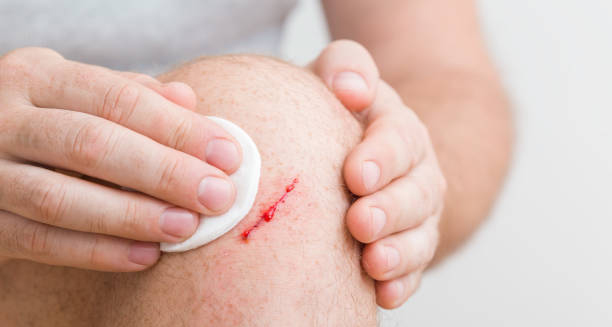
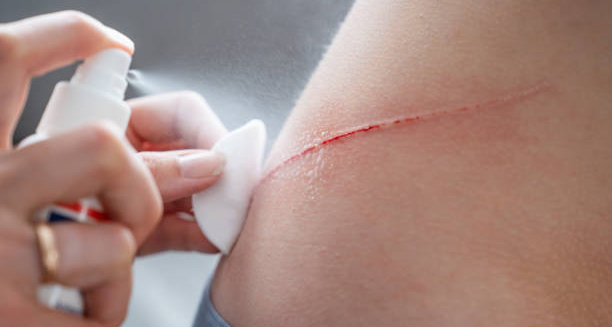
Close-up of a person cleaning a shallow cut on the skin using a cotton pad and antiseptic spray.

Cuts

Cuts – Overview Cuts are common injuries that involve a break in the skin. Caused by sharp objects such as knives, glass, metal, or even paper. Also known as lacerations. They can range from superficial scrapes to deep wounds that penetrate underlying tissues like fat, muscle, or even bone. While most minor cuts can be treated at home, more serious lacerations may require professional medical attention. When the skin is broken, the body responds immediately by trying to stop the bleeding and begin the healing process. Platelets rush to the area to form clots and seal the wound, while white blood cells defend against infection. However, the risk of infection is still present, particularly if the wound was caused by a dirty or rusty object, or if debris remains in the wound. Cuts Cuts may bleed, sting, swell, and scar. The amount of bleeding depends on the location and depth of the injury. For example, facial lacerations often bleed heavily because the face has many blood vessels, while deeper lacerations in the arms or legs can affect tendons or nerves if severe. Though most cuts heal without issue, prompt cleaning and care are essential to prevent complications like infection, scarring, or delayed healing. Tetanus shots may be necessary for deeper or contaminated wounds. In summary, cuts are skin injuries that vary in depth and severity. With proper cleaning, protection, and observation, most will heal on their own, but some may require stitches or additional treatment. Healing and Prevention Proper wound care is essential for promoting healing and preventing complications. This includes cleaning the cut thoroughly, applying antiseptic, and covering it with a sterile bandage. Keeping the wound clean and dry, changing dressings regularly, and watching for signs of infection such as redness, warmth, pus, or increased pain are key steps. For prevention, using protective gear during high-risk activities and handling sharp objects with care can reduce the likelihood of cuts. When to Seek Help While many lacerations are minor and heal without medical intervention, it’s important to recognize when professional care is needed. Seek medical attention for lacerations that are deep, won’t stop bleeding, show signs of infection, or involve foreign objects embedded in the wound. Cuts on the face or joints, or those caused by animal or human bites, also warrant closer examination. Prompt treatment not only improves healing but also helps minimize the risk of complications and scarring. [Next: Causes of Cuts →]

Cuts Read More »

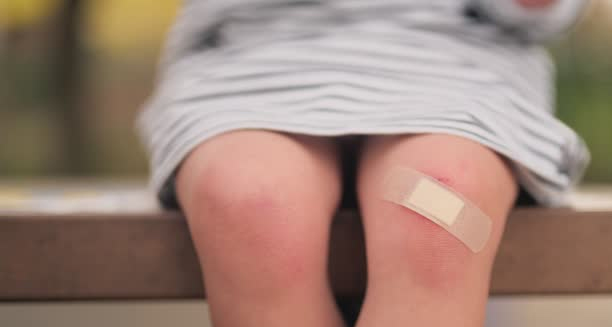
Child’s scraped knee covered with a bandage after a minor cut.

Causes of Cuts

Causes of Cuts Causes of cuts are typically straightforward, involving contact with a sharp or abrasive object that breaks the skin. While many cuts occur during everyday activities, certain environments and occupations present a higher risk. Understanding the common causes can help individuals take precautions to prevent injury. Accidental Injuries One of the most frequent causes is accidental injury: Kitchen accidents involving knives, graters, or broken glass Falls that scrape the skin against sharp objects or rough surfaces Gardening mishaps, such as thorn punctures or cuts from pruning tools DIY or construction accidents involving tools, nails, or power equipment Children and older adults are particularly vulnerable due to reduced coordination or awareness of their surroundings. Workplace Incidents | Causes of Cuts Occupational hazards are a major source of cuts: Factory and warehouse workers may be injured by machinery or sharp packaging Healthcare professionals face risks from scalpels and needles Chefs and kitchen staff regularly handle sharp tools and may experience repetitive minor cuts Employers are responsible for enforcing safety protocols and providing protective equipment. Sports and Outdoor Activities Outdoor recreation also presents a risk: Camping and hiking may involve handling knives or encountering rocks and thorns Contact sports can lead to facial or limb cuts from impact or equipment Cycling accidents often cause abrasions or lacerations from road surfaces Domestic Situations Common household items can easily cause cuts: Opening packages with scissors or box cutters Shattered glass from cups, mirrors, or lightbulbs Handling pets, particularly cats, who may scratch during play Deliberate Self-Harm In some cases, cuts may be self-inflicted as a form of coping with emotional distress. These situations require immediate psychological support and medical attention. In conclusion, causes of cuts include a wide range of accidental and intentional injuries. Taking simple safety measures can significantly reduce the risk of injury in both home and workplace settings. [Next: Symptoms of Cuts →]

Causes of Cuts Read More »

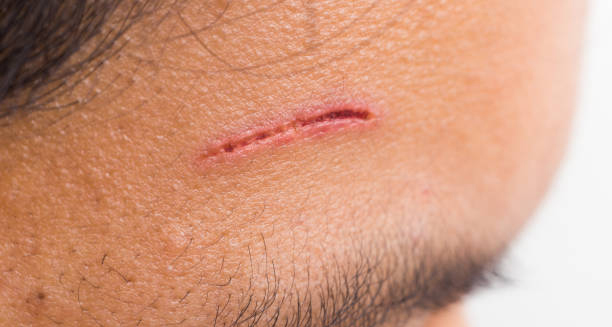
Close-up of a shallow cut on a person’s forehead with mild redness.

Symptoms of Cuts

Symptoms of Cuts Symptoms of cuts vary depending on the depth, size, and location of the wound. Some cuts are so minor they barely bleed or hurt, while others can cause intense pain, significant blood loss, or visible damage to muscles or tendons. Prompt recognition of symptoms helps determine the level of care required. Immediate Symptoms Bleeding: The most immediate and obvious symptom. Shallow cuts may ooze blood, while deeper lacerations can lead to brisk bleeding or even spurting if an artery is affected. Pain or stinging: Nerve endings in the skin respond to the injury, resulting in discomfort that ranges from mild to intense. Visible skin break: The skin will appear torn or split, and in deeper cuts, tissues beneath the skin such as fat, muscle, or bone may be visible. Inflammatory Response | Symptoms of Cuts The body initiates a healing response that can include: Redness around the wound edges Swelling as immune cells rush to the area Warmth near the injury Clear fluid leakage from the wound (plasma) These signs are normal in the early phase of healing but should subside within a few days. Signs of Infection If the wound is not properly cleaned or protected, it may become infected. Symptoms of infection include: Increased redness and swelling Pus or yellowish discharge Pain that worsens instead of improving Fever or chills Red streaks leading away from the wound (a sign of spreading infection) Delayed Healing Chronic health conditions such as diabetes or circulatory problems may delay healing. Cuts that don’t show signs of improvement after 7–10 days should be evaluated by a medical professional. Complications Severe cuts may affect deeper structures: Tendon injuries can reduce movement or strength Nerve damage may cause numbness or tingling Scarring is common, especially with deeper wounds or poor healing In summary, symptoms of cuts range from mild pain and bleeding to more serious signs of infection or nerve damage. Proper care and monitoring are essential to ensure effective healing and prevent complications. [Next: Diagnosis of Cuts →]

Symptoms of Cuts Read More »

Person cleaning a bleeding cut on their knee with a cotton pad.

Diagnosis of Cuts

Diagnosis of Cuts Diagnosis of cuts is usually straightforward and based on physical examination. Most cuts can be assessed visually, but deeper or more complex wounds may require further evaluation. The goal is to determine the extent of tissue damage, risk of infection, and whether medical intervention such as stitches or antibiotics is needed. Initial Examination When a person presents with a cut, healthcare professionals will assess: Location of the wound and surrounding structures (e.g. joints, tendons, nerves) Size and depth: Surface cuts may be small and shallow, while deep lacerations can reach underlying tissues Bleeding rate: Persistent bleeding may indicate arterial damage Signs of contamination: Dirt, debris, or foreign objects in the wound Signs of infection, especially if the cut is older or improperly cleaned Wounds on the face, hands, genitals, or over joints often require closer attention due to cosmetic and functional concerns. Tetanus Risk Assessment | Diagnosis of Cuts Doctors will ask about the patient’s tetanus vaccination status, especially if the wound was caused by: Rusty metal Animal bites or scratches Soil-contaminated tools A tetanus booster may be administered if the wound is high-risk and the patient hasn’t had a booster within the last 5 to 10 years. Functional Testing For cuts over joints or tendons: Range of motion tests may be performed to check for damage Sensation checks help identify nerve involvement Loss of movement or feeling may indicate deeper injuries that need surgical repair. Imaging Studies Although rare for standard cuts, X-rays or ultrasounds may be used if: A foreign body is suspected (e.g. glass or metal fragment) There’s concern about bone involvement or fractures beneath the wound In some trauma settings, a CT scan may be used to assess complex lacerations or multiple injuries. Wound Classification Wounds are often classified based on: Clean vs contaminated Simple vs complex Superficial vs deep This classification guides the treatment plan, including the need for stitches, antibiotics, or surgical intervention. In summary, diagnosis of cuts involves assessing wound severity, risk of infection, and potential underlying damage. Quick and accurate evaluation ensures appropriate treatment and prevents long-term complications. [Next: Treatment of Cuts →]

Diagnosis of Cuts Read More »

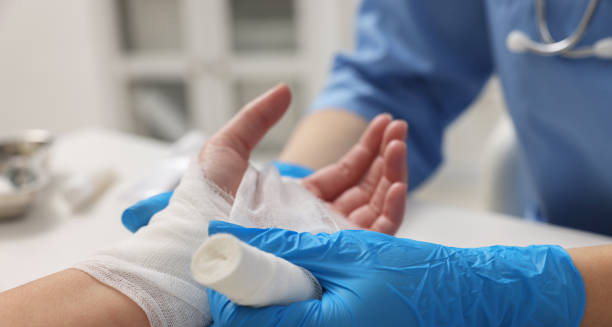
Medical professional applying a bandage to a hand wound.

Treatment of Cuts

Treatment of Cuts Treatment of cuts depends on the size, depth, location, and whether the wound is clean or contaminated. Most minor cuts can be safely managed at home, while more serious lacerations require professional medical care to prevent infection and promote healing. First Aid for Minor Cuts Stop the bleeding: Apply gentle pressure with a clean cloth or bandage Clean the wound: Rinse with lukewarm water to remove dirt or debris Disinfect: Apply an antiseptic such as hydrogen peroxide or iodine Protect: Cover the wound with a sterile plaster or bandage Monitor: Check daily for signs of infection Avoid using cotton wool or alcohol-based solutions, as these may irritate the skin or delay healing. When to Seek Medical Help The cut is deep, longer than 2 cm, or gaping Bleeding does not stop after 10 minutes of pressure There is visible fat, muscle, or bone The wound is located on the face, hands, joints, or genitals The object causing the cut was dirty or rusty The person has not had a tetanus shot in the past 5–10 years Professional Wound Care | Treatment of Cuts Medical treatment may include: Stitches (sutures): For deep or gaping cuts to close the skin and promote proper healing Steri-strips or skin glue: For small, clean lacerations Antibiotics: If the wound is infected or at high risk of infection Tetanus booster: If required based on injury and vaccination history Infected cuts may need to be drained or cleaned more aggressively and left open to heal from the inside out—a process known as healing by secondary intention. Pain and Scar Management Over-the-counter pain relief (e.g. paracetamol or ibuprofen) may be recommended Silicone gel sheets or scar creams can be used during healing to reduce scarring Avoid sun exposure on new scars to prevent discolouration In summary, treatment of cuts ranges from simple first aid to surgical repair. Timely and appropriate wound care reduces the risk of infection and ensures the best cosmetic and functional outcome. [Next: Complications and Recovery from Cuts →]

Treatment of Cuts Read More »

Person applying ointment to a healing cut on the arm.

Complications and Recovery from Cuts

Complications and Recovery from Cuts Complications and recovery from cuts depend on the severity of the wound, how promptly it was treated, and the individual’s overall health. While most cuts heal without issues, poor wound care or underlying health problems can increase the risk of complications such as infection, delayed healing, or excessive scarring. Common Complications Infection: Bacteria can enter the wound, leading to redness, swelling, pus, and sometimes fever Scarring: Deep or poorly treated cuts may result in visible scars, which can be raised (hypertrophic) or wide Tetanus: Though rare, this potentially life-threatening bacterial infection can occur with dirty or puncture wounds Delayed healing: Cuts may take longer to heal in people with diabetes, poor circulation, or on certain medications like steroids Loss of function: If nerves, tendons, or muscles are involved, cuts can lead to reduced movement or feeling Signs of Wound Healing | Complications and Recovery from Cuts A healing cut typically progresses through several stages: Clotting: Bleeding stops as a scab forms Inflammation: Redness and swelling appear as white blood cells clean the area Tissue growth: New skin and tissue begin to regenerate Maturation: Collagen strengthens the new skin and the scar forms Recovery Timeline Minor cuts: Heal in 3–7 days Moderate cuts: May take 10–14 days to close, with scar maturation over several weeks Deep or surgical cuts: Healing may take several weeks to months, especially if stitches were used Wound Aftercare Tips Keep the wound clean and dry Change dressings daily or as directed Avoid picking at scabs, which can delay healing Apply moisturiser or silicone gel once healed to reduce scarring Protect the healing area from sun exposure When to Seek Help Increasing pain or redness Pus or unpleasant smell Fever or swollen lymph nodes Bleeding reoccurs Cut reopens after closure In conclusion, complications and recovery from cuts vary by individual, but most respond well to proper care. Staying vigilant for signs of infection and following wound care instructions ensures smooth healing and minimises scarring. [Next: Back to Overview →]

Complications and Recovery from Cuts Read More »

A concerned woman sitting beside a bed with her hand on her forehead, appearing fatigued or unwell.

Cushing’s Syndrome

Cushing’s Syndrome – Overview Cushing’s syndrome is a hormonal disorder caused by prolonged exposure to high levels of cortisol in the body. Cortisol, often called the “stress hormone,” plays a vital role in regulating blood pressure, metabolism, and immune function. In this syndrome, the excessive presence of cortisol disrupts these processes, leading to a range of physical and emotional symptoms. This condition can be endogenous (caused by the body producing too much cortisol) or exogenous (caused by external sources, such as long-term use of corticosteroid medications). The most common cause of endogenous this syndrome is a pituitary adenoma—a non-cancerous tumour that causes the pituitary gland to release too much adrenocorticotropic hormone (ACTH), which in turn stimulates the adrenal glands to produce more cortisol. Cushing’s syndrome can affect anyone but is more commonly diagnosed in women between the ages of 25 and 40. It may develop gradually, with symptoms often being mistaken for other conditions such as obesity, diabetes, or depression. Cushing’s Syndrome Early diagnosis and treatment are essential to prevent long-term complications, including high blood pressure, diabetes, osteoporosis, and cardiovascular disease. Treatment depends on the underlying cause and may involve medication, radiation, or surgery. In summary, this syndrome is a serious but treatable hormonal disorder resulting from excess cortisol. Recognising its wide-ranging symptoms and addressing the cause is critical for restoring hormonal balance and overall health. [Next: Causes of Cushing’s Syndrome →]

Cushing’s Syndrome Read More »

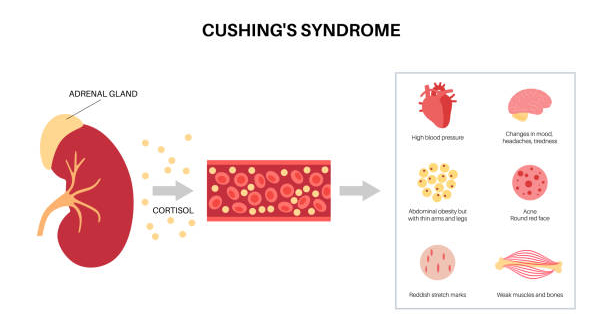
Diagram showing adrenal gland overproducing cortisol leading to symptoms of Cushing’s Syndrome.

Causes of Cushing’s Syndrome

Causes of Cushing’s Syndrome Causes of Cushing’s syndrome are categorised into endogenous (internal) and exogenous (external) sources. Both lead to elevated levels of cortisol, which in excess can negatively impact the body’s normal functions. Understanding the root cause of Cushing’s syndrome is essential for determining the appropriate treatment plan. Exogenous Causes The most common cause of Cushing’s syndrome is long-term use of corticosteroid medications, such as: Prednisone Dexamethasone Hydrocortisone These drugs are often prescribed to manage autoimmune diseases (like lupus or rheumatoid arthritis), asthma, or after organ transplants. When taken over time, they can mimic the body’s natural cortisol and lead to the symptoms of Cushing’s syndrome. Endogenous Causes In these cases, the body itself produces too much cortisol. Main sources include: Pituitary Adenomas (Cushing’s disease) The most frequent endogenous cause A benign tumour in the pituitary gland releases too much ACTH, which stimulates cortisol production by the adrenal glands Adrenal Tumours | Causes of Cushing’s Syndrome Non-cancerous or cancerous growths in the adrenal glands that directly produce excess cortisol These cases are ACTH-independent Ectopic ACTH Syndrome Rare Caused by tumours in other parts of the body (e.g. lungs or pancreas) that produce ACTH Genetic and Familial Factors Though rare, some inherited conditions like Carney complex or Multiple Endocrine Neoplasia (MEN1) can predispose individuals to developing cortisol-secreting tumours. Triggers and Risk Factors Being female Prolonged stress or underlying endocrine issues Use of steroid creams or injections In conclusion, causes of Cushing’s syndrome range from external corticosteroid use to hormone-secreting tumours. Identifying the source is key to developing a targeted treatment strategy and achieving hormonal stability. [Next: Symptoms of Cushing’s Syndrome →]

Causes of Cushing’s Syndrome Read More »

Scroll to Top