Mental Matters

Author name: admin

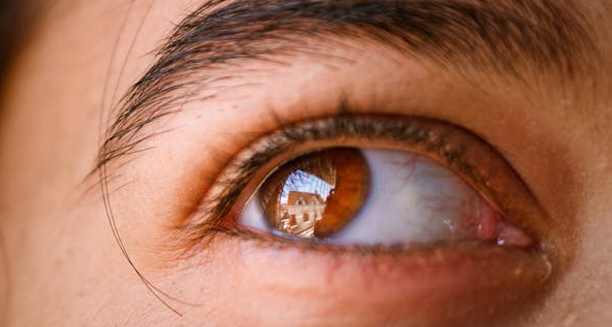
Close-up of a child's eye with natural brown iris

Causes of Cataracts in Children

Causes of Cataracts in Children Causes of cataracts in children are more diverse than in adults and often involve developmental issues, infections, metabolic disorders, trauma, or inherited conditions. Understanding the causes of cataracts in children is essential for early diagnosis, effective treatment, and in many cases, preventing recurrence or related complications. 1. Congenital Cataracts Congenital cataracts are present at birth or develop within the first year of life. They may result from genetic mutations, hereditary factors, or intrauterine environmental influences. Around one-third of congenital cataracts are inherited, often in an autosomal dominant pattern. If one parent had cataracts during childhood, the likelihood of their child being affected increases. In some cases, cataracts develop spontaneously due to errors in lens protein formation during embryonic development. Structural abnormalities in the eye or chromosomal conditions such as Down syndrome may also contribute. 2. Infections During Pregnancy | Causes of Cataracts in Children Maternal infections such as rubella, cytomegalovirus (CMV), toxoplasmosis, herpes simplex virus, or syphilis during pregnancy can interfere with foetal eye development. Rubella is particularly associated with dense, bilateral cataracts. These infections are often preventable through vaccination and antenatal screening. 3. Metabolic and Systemic Conditions Rare metabolic disorders like galactosaemia, Lowe syndrome, and hypoglycaemia can cause cataracts in infancy. These conditions affect the way the body processes certain substances, leading to toxic accumulation in the lens. In addition, systemic diseases like juvenile arthritis or skin conditions such as eczema treated with long-term steroids may increase the risk of cataracts in later childhood. 4. Trauma | Causes of Cataracts in Children Blunt force trauma, penetrating injuries, or radiation exposure can result in acquired cataracts in children. Traumatic cataracts can develop immediately or take weeks to months to appear. In many cases, these cataracts are unilateral and require prompt surgical attention. 5. Unknown Causes In a significant number of cases, no definitive cause is found. These idiopathic cataracts still require full evaluation to exclude associated systemic conditions or subtle genetic factors. Identifying the causes of cataracts in children helps guide both treatment and ongoing monitoring. It also enables doctors to offer genetic counselling and screen for additional abnormalities that could impact the child’s health and development. [Next: Symptoms of cataracts in children >]


Causes of Cataracts in Children Read More »

Child with blurred visual effect representing vision problems

Symptoms of Cataracts in Children

Symptoms of Cataracts in Children Symptoms of cataracts in children vary depending on the age of the child, the size and location of the cataract, and whether one or both eyes are affected. Because young children cannot easily communicate their vision issues, recognising symptoms of cataracts in children relies heavily on careful observation by parents, paediatricians, and early childcare providers. 1. Cloudy or White Pupils One of the most visible signs of cataracts is a white or grey pupil, also known as leukocoria. This may be noticeable in certain lighting conditions or appear in flash photography, where the typical red-eye reflex is absent. Any observation of a white pupil warrants immediate medical attention, as it can also signal other serious eye conditions such as retinoblastoma. 2. Poor Focus or Eye Contact | Symptoms of Cataracts in Children Infants with cataracts may not fixate on or track faces and objects by the expected age of 6 to 8 weeks. A lack of eye contact or visual engagement is often a first clue that something is affecting the baby’s vision. 3. Misaligned Eyes (Strabismus) If one eye is more affected than the other, the brain may favour the better-seeing eye, causing the weaker eye to drift. This misalignment can present as a constant or intermittent squint and may be the first external indicator of an underlying cataract. 4. Delayed Development | Symptoms of Cataracts in Children Children with significant visual impairment may miss key developmental milestones. They might not reach for toys, recognise familiar people, or explore their environment like their peers. These developmental delays may first present as a behavioural concern. 5. Light Sensitivity and Nystagmus Some children may show signs of photophobia (sensitivity to light) or involuntary eye movement (nystagmus), especially in cases where the cataract significantly reduces clarity. These movements are the brain’s attempt to search for clearer visual input. Because the brain’s visual pathways are still developing, it’s critical to recognise symptoms of cataracts in children early. Left untreated, cataracts can lead to permanent amblyopia or irreversible vision loss, even if surgery is performed later. Parental awareness, routine eye screenings, and referrals to paediatric ophthalmologists ensure timely diagnosis and better outcomes. [Next: Diagnosis of cataracts in children >]

Symptoms of Cataracts in Children Read More »

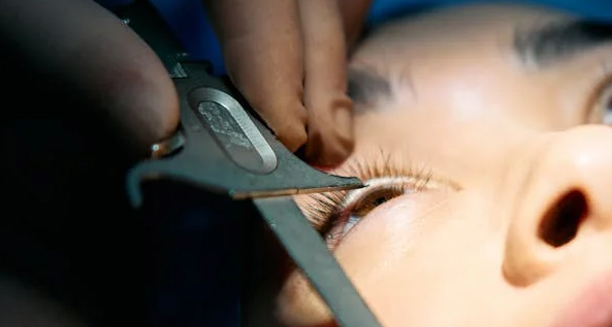
Child undergoing eye examination for cataracts

Diagnosis of Cataracts in Children

Diagnosis of Cataracts in Children Diagnosis of cataracts in children is a multi-step process involving clinical evaluation, imaging, and sometimes laboratory testing. Early and accurate diagnosis of cataracts in children is essential for initiating treatment before visual development is compromised, particularly in the critical early months of life. 1. Screening at Birth All newborns should undergo a red reflex test within the first 48 hours of life and again during routine follow-ups. This simple test involves shining a light into the eyes to check for a reddish reflection from the retina. An absent or white reflex suggests a potential problem and requires urgent ophthalmological referral. 2. Comprehensive Eye Exam | Diagnosis of Cataracts in Children A paediatric ophthalmologist will perform a detailed examination, including: In preverbal children, the use of preferential looking tests or fixation preference assessments help determine visual acuity in each eye. 3. Imaging and Diagnostics Ultrasound of the eye may be required if the view to the back of the eye is blocked. Ocular coherence tomography (OCT) and B-scan ultrasonography help assess the retina and optic nerve when cataracts obscure direct examination. If systemic or genetic conditions are suspected, further testing may include: 4. Functional Vision Assessment | Diagnosis of Cataracts in Children Beyond the structural exam, determining how much the child is using their vision is key to deciding on urgency and treatment plans. The younger the child, the shorter the window for intervention due to the sensitivity of the visual development process. A prompt and thorough diagnosis of cataracts in children ensures not only timely surgery but also appropriate follow-up with low-vision specialists, orthoptists, and therapists to support the child’s visual development and learning. [Next: Treatment of cataracts in children >]

Diagnosis of Cataracts in Children Read More »

Child undergoing cataract eye surgery

Treatment of Cataracts in Children

Treatment of Cataracts in Children Treatment of cataracts in children is a complex process that often involves surgery followed by long-term visual rehabilitation. Unlike adults, where treatment is usually straightforward, treatment of cataracts in children requires careful coordination to support ongoing eye and brain development. 1. Surgical Removal Doctors usually recommend surgery for visually significant cataracts as early as possible — ideally within the first few weeks or months of life — to prevent long-term vision impairment and support normal visual development. The operation involves removing the cloudy lens under general anaesthetic. In younger children, especially infants, doctors often delay implanting an artificial lens. Instead, they may use contact lenses or glasses until the child is older and better suited for intraocular lens placement. In children over two years of age, intraocular lens (IOL) implantation may be considered. The decision depends on factors such as the child’s eye size, level of development, and long-term visual prognosis. 2. Post-Surgical Correction | Treatment of Cataracts in Children After lens removal, children will need optical correction. This may include: These options help focus light onto the retina, restoring visual input to the brain. Even small lapses in wearing corrective lenses can lead to amblyopia, especially in younger children. 3. Patching and Visual Therapy In unilateral cataracts or where one eye is weaker, occlusion therapy (patching the stronger eye) is necessary to force the brain to use the weaker eye. This encourages balanced visual development and helps prevent amblyopia. 4. Ongoing Monitoring | Treatment of Cataracts in Children Follow-up care is lifelong. Regular eye exams ensure the eye is growing properly, that refractive errors are corrected, and that secondary complications like glaucoma or posterior capsular opacification are addressed. Parental education is critical. Ensuring that patching, medication, and lens correction are consistently followed is often the difference between full recovery and lifelong vision impairment. Treatment of cataracts in children is a multidisciplinary effort involving surgeons, orthoptists, optometrists, therapists, and parents. With dedication, even children with dense cataracts at birth can develop strong, functional vision and lead active lives. [Next: Complications and recovery from cataracts in children >]

Treatment of Cataracts in Children Read More »

Close-up of a child’s eye showing signs of cataracts

Complications and Recovery from Cataracts in Children

Complications and Recovery from Cataracts in Children Complications and recovery from cataracts in children are more complex than in adults due to the ongoing development of the eye and visual pathways. While surgery is usually successful, managing complications of cataracts in children requires long-term care and support. 1. Amblyopia The most common complication is amblyopia or “lazy eye,” where the brain suppresses signals from the weaker eye. This happens when the brain receives limited or inconsistent visual input during a critical period of early development, which can affect normal visual processing. Without prompt treatment, amblyopia can result in permanent vision loss, even if the eye appears structurally healthy. 2. Glaucoma Post-operative glaucoma is more common in children than adults. It can occur months or years after cataract surgery. Regular monitoring of intraocular pressure is essential. If doctors detect glaucoma early, they can manage it effectively using prescription eye drops, laser treatments, or surgical procedures to lower eye pressure and prevent vision loss. 3. Posterior Capsule Opacification (PCO) Even after successful lens removal, residual lens cells may cause the posterior capsule to become cloudy, affecting vision. This can usually be treated with a laser or a secondary surgical procedure, depending on the child’s age and cooperation level. 4. Infection and Inflammation Though rare, infection (endophthalmitis) and significant inflammation can occur post-surgery. These are managed with intensive eye drops and sometimes oral medication. Children’s immune responses differ from adults, so close follow-up is vital. 5. Refractive Changes | Complications and Recovery from Cataracts in Children As the child grows, the shape of the eye changes, affecting visual focus. Frequent prescription changes are common. Refractive surgery is not typically performed in children, so glasses or contact lenses are adjusted as needed. Recovery Timeline Complications and Recovery from Cataracts in Children Long-term outcomes depend on early intervention and how well the child and caregivers adhere to treatment and follow-up schedules. With diligence, complications and recovery from cataracts in children can be managed successfully, giving children the best chance at lifelong healthy vision. [ Next: Back to Overview > ]

Complications and Recovery from Cataracts in Children Read More »

Woman with teal awareness ribbon symbolising cervical cancer awareness

Cervical Cancer

Cervical Cancer – Overview We’re learn that Cervical cancer is a type of cancer that begins in the cells of the cervix — the lower part of the uterus that connects to the vagina. Persistent infection with high-risk types of human papillomavirus (HPV) is the leading cause of this cancer. This cancer is highly preventable and treatable, yet it remains a major health concern in developing countries due to limited access to screening and HPV vaccination. The cervix plays a critical role in reproductive health, acting as both a gateway and barrier between the uterus and vagina. When abnormal cells develop on its surface and begin to multiply uncontrollably, they may form pre-cancerous changes that can progress to this cancer over time if left untreated. Most cases of cervical cancer are squamous cell carcinomas, originating in the outer part of the cervix. A smaller proportion are adenocarcinomas, which develop from glandular cells in the cervical canal. It usually takes years for this cancer to develop, which is why regular screening is so effective at detecting it early. Cervical Cancer The introduction of the HPV vaccine has significantly reduced the cancer rates in younger populations. However, routine Pap smears (or liquid-based cytology) and HPV testing remain the cornerstone of early detection. Symptoms often don’t appear until the disease is advanced, so preventative screening is crucial. Although once a leading cause of cancer deaths in women, increased awareness, better screening, and HPV vaccination have drastically improved outcomes. With early diagnosis and prompt treatment, most cases of these cancers are highly treatable. [Next: Causes of Cervical Cancer →]

Cervical Cancer Read More »

Woman experiencing discomfort in pelvic area while holding toilet paper

Causes of Cervical Cancer

Causes of Cervical Cancer Causes of cervical cancer are closely linked to long-term infection with high-risk types of HPV, a sexually transmitted virus that affects nearly all sexually active individuals at some point. However, not all HPV infections lead to cervical cancer, and several other risk factors influence its development. 1. Human Papillomavirus (HPV) Persistent infection with high-risk strains of HPV — particularly types 16 and 18 — is the leading cause of cervical cancer. The virus interferes with cell DNA and can lead to uncontrolled cell growth in the cervix. Most HPV infections are cleared naturally by the immune system, but when they persist, they may cause precancerous changes. 2. Smoking Women who smoke are twice as likely to develop cervical cancer. Tobacco by-products can damage cervical cells and impair immune function, making it harder for the body to clear HPV infections. 3. Weakened Immune System | Causes of Cervical Cancer Conditions like HIV/AIDS or the use of immunosuppressive medications (e.g., after organ transplantation) increase susceptibility to HPV infection and reduce the body’s ability to stop abnormal cell changes. 4. Early Sexual Activity and Multiple Partners Starting sexual activity at a young age or having multiple sexual partners increases the likelihood of HPV exposure. This is not about judgment — it simply increases the chance of encountering the virus, especially if partners have also had previous exposure. 5. Long-Term Use of Oral Contraceptives Some studies suggest that using birth control pills for more than five years may slightly increase cervical cancer risk. The exact reason is unclear, but hormonal changes might make cervical tissue more vulnerable to HPV. 6. Not Attending Screening | Causes of Cervical Cancer Women who do not undergo routine cervical screening (Pap tests or HPV tests) are at higher risk of developing cervical cancer. Screening identifies abnormal cells early, often before they turn into cancer. Understanding the causes of cervical cancer empowers individuals to take proactive steps in prevention — including vaccination, regular screening, and lifestyle changes. These measures drastically reduce the risk of ever developing the disease. [Next: Symptoms of Cervical Cancer →]

Causes of Cervical Cancer Read More »

Woman experiencing abdominal pain while sitting on a couch

Symptoms of Cervical Cancer

Symptoms of Cervical Cancer Symptoms of cervical cancer often go unnoticed in the early stages, which is why regular screening is so important. When signs do appear, they usually relate to changes in vaginal bleeding, discharge, or pelvic discomfort. Recognising the symptoms can lead to faster diagnosis and more effective treatment. 1. Abnormal Vaginal Bleeding The most common early symptom is unusual vaginal bleeding. This may include: Any unexpected bleeding should be investigated, even if it seems minor. 2. Unusual Vaginal Discharge A watery, pink, or foul-smelling discharge may indicate changes in the cervix. While vaginal discharge is common, sudden changes in smell, colour, or volume are worth discussing with a healthcare provider. 3. Pelvic or Lower Back Pain | Symptoms of Cervical Cancer Pain in the lower abdomen or back may develop as the cancer grows and presses on nearby organs or nerves. This is more common in advanced cases. 4. Pain During Intercourse Discomfort or pain during sex (dyspareunia) can be an early warning sign, especially when combined with bleeding after intercourse. 5. Urinary or Bowel Changes As the cancer spreads, it may affect the bladder or rectum. Symptoms can include: 6. Swelling and Fatigue | Symptoms of Cervical Cancer In advanced stages, cervical cancer may lead to swelling of the legs, unexplained fatigue, or weight loss. These are signs that the disease may have spread to lymph nodes or other organs. Because symptoms of cervical cancer often do not appear until the disease is advanced, preventative screening is essential. Early-stage cervical cancer is usually asymptomatic, which makes Pap tests and HPV testing life-saving tools. [Next: Diagnosis of Cervical Cancer →]

Symptoms of Cervical Cancer Read More »

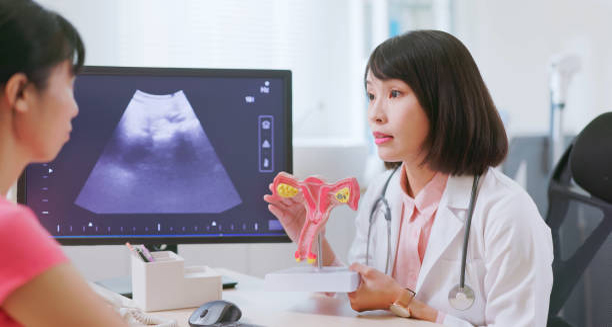
Female doctor explaining cervical anatomy and cancer diagnosis

Diagnosis of Cervical Cancer

Diagnosis of Cervical Cancer Diagnosis of cervical cancer begins with abnormal findings on a routine screening test, followed by further evaluation to confirm the presence and stage of the disease. Early diagnosis drastically improves treatment outcomes and survival rates. 1. Cervical Screening (Pap Smear and HPV Test) Routine cervical screening is the first line of defence. In South Africa and many other countries, women aged 25–65 are encouraged to have regular Pap smears. These tests detect abnormal cells before they become cancerous. An HPV test checks for the presence of high-risk strains of the virus that cause most cervical cancers. Combined Pap/HPV testing increases accuracy. 2. Colposcopy | Diagnosis of Cervical Cancer If abnormal cells are found, the next step is usually a colposcopy. This is a simple outpatient procedure where a specialist uses a microscope to examine the cervix more closely. A mild vinegar solution highlights abnormal areas. If anything concerning is seen, a biopsy is taken — a small sample of tissue sent to a lab to check for cancer cells. 3. Imaging Tests If cancer is confirmed, imaging helps determine how far it has spread (staging): 4. Blood Tests While no blood test can diagnose cervical cancer directly, general blood work helps assess organ function and prepare for treatment. 5. Staging | Diagnosis of Cervical Cancer Staging ranges from Stage 0 (pre-cancer) to Stage IV (cancer has spread). Knowing the stage helps guide treatment choices and provides insight into prognosis. Prompt diagnosis of cervical cancer allows for early treatment, often before symptoms ever develop. That’s why screening, follow-up, and good gynaecological care are so important for every woman’s health. [Next: Treatment of Cervical Cancer →]

Diagnosis of Cervical Cancer Read More »

Woman consulting a doctor about cervical cancer treatment

Treatment of Cervical Cancer

Treatment of Cervical Cancer Treatment of cervical cancer depends on the stage of the disease, the patient’s age, overall health, and future fertility desires. The goal of this treatment is to eliminate the cancer while preserving as much normal function as possible. Modern approaches often involve a combination of surgery, radiation, and chemotherapy. 1. Early-Stage Treatment For very early stages (such as CIN3 or Stage 0), treatment may involve removing just the affected tissue: These procedures remove precancerous or very early cancerous cells without removing the uterus. 2. Surgery | Treatment of Cervical Cancer If the cancer is slightly more advanced but still confined to the cervix: 3. Radiation Therapy Used for more advanced stages or when surgery isn’t suitable. It can be: Radiation is often combined with chemotherapy to increase effectiveness. 4. Chemotherapy | Treatment of Cervical Cancer Chemo drugs like cisplatin may be used: 5. Targeted Therapy and Immunotherapy For advanced or recurrent cervical cancer, newer treatments like bevacizumab (targeting tumour blood supply) and immunotherapies (e.g., pembrolizumab) are showing promise. 6. Supportive Care Nutrition, pain management, emotional counselling, and physiotherapy form a vital part of recovery. Gynaecological cancer care teams often include psychologists and social workers to support patients through treatment. Treatment of cervical cancer can be curative in most early-stage cases. With access to quality care and regular follow-up, long-term survival is increasingly common, even in more advanced diagnoses. [Next: Complications and Recovery from Cervical Cancer →]

Treatment of Cervical Cancer Read More »

Scroll to Top