Mental Matters

Author name: admin

Diagnosis of Long QT Syndrome

Diagnosis of Long QT Syndrome

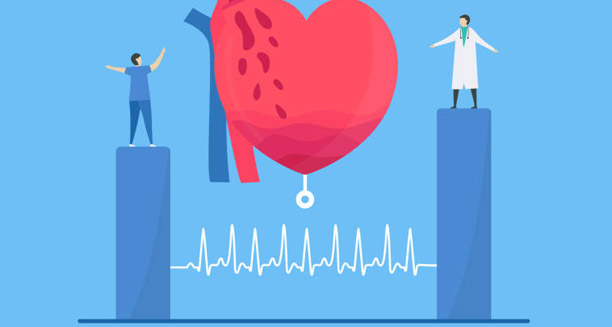
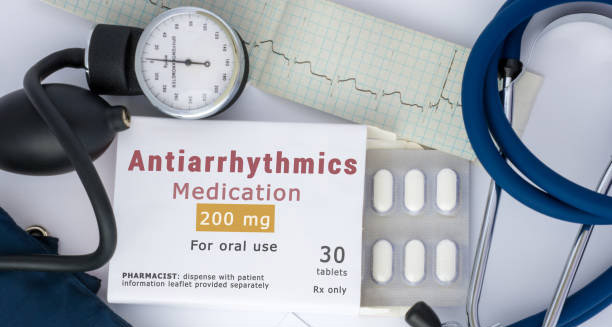
Diagnosis of Long QT syndrome is a multifaceted process that combines clinical evaluation, electrocardiographic analysis, genetic testing, and family history. Because symptoms may be absent, intermittent, or misinterpreted as neurological events, accurate diagnosis is often delayed or missed altogether. However, with increased awareness and advanced testing methods, the timely diagnosis of Long QT syndrome can significantly reduce the risk of fatal arrhythmias and improve long-term outcomes. Clinical Evaluation and Electrocardiographic Analysis The diagnostic journey usually begins with a comprehensive clinical history. Clinicians will ask about fainting episodes, seizure-like events, or any unexplained cardiac arrest — particularly during exercise, sleep, or moments of emotional stress. Questions about medications, electrolyte disturbances, and previous diagnoses (such as epilepsy) are also critical. A family history of sudden death under the age of 40 or known cardiac conditions often raises clinical suspicion. The primary diagnostic tool is a 12-lead electrocardiogram (ECG), which measures the electrical activity of the heart. The hallmark of Long QT syndrome is a prolonged QT interval, which reflects delayed ventricular repolarisation. Since the QT interval varies with heart rate, it is corrected using the Bazett formula to yield the QTc (corrected QT interval). A QTc over 450 ms in men or 470 ms in women is considered prolonged. When the QTc exceeds 500 ms, the risk of dangerous arrhythmias such as torsades de pointes rises significantly. However, a normal or borderline QTc does not exclude the diagnosis. Some individuals with LQTS mutations have a normal resting ECG — a condition known as concealed LQTS. In such cases, further evaluation becomes essential. Advanced Testing and Scoring Tools Due to the variability of QT intervals, a single ECG may not be enough. Repeated ECGs, 24-hour Holter monitoring, or exercise stress testing can help detect intermittent QT prolongation. These methods are particularly useful for diagnosing LQT1, where abnormalities often appear during physical exertion. The Schwartz score is another useful tool in the diagnosis of Long QT syndrome. This clinical scoring system takes into account ECG findings, syncope history, family history, and other features such as congenital deafness. A score of 4 or higher indicates a high probability of LQTS, while a score below 1 suggests it is unlikely. Though not definitive, it offers a structured and helpful guide for further investigation. In borderline cases, provocative testing using epinephrine infusion may reveal abnormal QT responses. These tests are only performed under controlled conditions, as they can trigger arrhythmias and require close monitoring. Genetic Testing and Family Screening Genetic testing plays a vital role in modern diagnostic strategies. Mutations in genes such as KCNQ1, KCNH2, and SCN5A are commonly associated with congenital Long QT syndrome. A positive genetic result confirms the diagnosis and helps guide treatment. It also enables cascade screening of family members, identifying asymptomatic carriers who may still be at risk. It’s important to interpret genetic findings carefully. Some results may show variants of unknown significance (VUS), which can create uncertainty. Furthermore, a negative genetic test does not completely rule out the condition if clinical signs strongly suggest its presence. Family screening is essential once a diagnosis is confirmed. First-degree relatives should undergo ECG testing, and if a known mutation is present, genetic testing can help assess risk and guide management for the whole family. Diagnosis in Special Populations In cases of acquired Long QT syndrome, a detailed medication history and assessment of electrolyte levels are crucial. Discontinuing QT-prolonging drugs and correcting imbalances such as hypokalaemia or hypomagnesaemia often resolves the issue. If the QT interval normalises, acquired LQTS is confirmed. Still, some patients may have an underlying genetic predisposition, so further evaluation may be warranted. Diagnosing Long QT syndrome in infants poses unique challenges. Newborns may present with prolonged QT intervals on routine ECG screening or exhibit symptoms such as fainting, seizures, or sudden collapse. Some cases of sudden infant death syndrome (SIDS) have been linked to undiagnosed LQTS, highlighting the need for early testing in infants with suspicious events or relevant family history. While echocardiography is not used to directly diagnose LQTS, it can help rule out structural heart problems or cardiomyopathies that may mimic its symptoms. In high-risk patients, implantable loop recorders (ILRs) or ICDs may serve both diagnostic and therapeutic roles. These devices provide long-term heart rhythm monitoring and can deliver life-saving interventions in real time. Conclusion: A Layered Diagnostic Approach The diagnosis of Long QT syndrome requires careful integration of symptoms, ECG results, genetic findings, and family history. Early recognition and intervention can prevent life-threatening arrhythmias, especially in young people at risk of sudden cardiac death. With improved diagnostic tools and growing awareness, healthcare providers can now identify LQTS more accurately and intervene more effectively. As with many inherited conditions, collaboration between cardiologists, genetic specialists, and primary care providers ensures comprehensive care. Timely diagnosis of Long QT syndrome not only saves lives but also provides peace of mind for patients and families navigating this complex condition. [Next: Treatment of Long QT Syndrome →]

Diagnosis of Long QT Syndrome Read More »

Treatment of Long QT Syndrome

Treatment of Long QT Syndrome

Treatment of Long QT syndrome is aimed at preventing life-threatening arrhythmias, reducing symptoms, and improving quality of life. Because the condition predisposes the heart to dangerous electrical disturbances, particularly torsades de pointes and sudden cardiac arrest, early and effective intervention is critical. The treatment of Long QT syndrome must be carefully tailored to the individual, taking into account whether the syndrome is congenital or acquired, the patient’s symptoms, risk level, and family history. Medication and Device-Based Therapies A central part of managing Long QT syndrome is the use of beta-blockers, such as propranolol or nadolol. These medications slow the heart rate and reduce the heart’s response to adrenaline, helping to prevent dangerous arrhythmias. They are especially effective for congenital LQT1, where symptoms often appear during physical activity or emotional stress. Long-acting, non-selective beta-blockers are usually preferred, and patients must take them consistently to ensure full protection. For many, beta-blockers are enough. However, individuals who still experience fainting or have survived a cardiac arrest may need an implantable cardioverter-defibrillator (ICD). This small device is placed under the skin and monitors heart rhythm continuously. If a dangerous rhythm is detected, the ICD delivers a shock to restore normal rhythm. While effective, ICDs can cause discomfort and anxiety, so they are generally used only in high-risk cases. Lifestyle Changes and Avoiding Triggers Another key element in the treatment of Long QT syndrome is managing lifestyle and avoiding specific triggers. Triggers differ depending on the subtype: Although earlier guidelines restricted most physical activity, newer evidence supports a more flexible approach. With proper supervision and treatment, many patients can engage in sports or exercise safely. Avoiding QT-prolonging medications is essential. Drugs that affect the QT interval include some antibiotics, antifungals, antipsychotics, antidepressants, and antiarrhythmics. Even common over-the-counter medications, like cold remedies and antihistamines, can be dangerous. Patients and healthcare providers should use reliable sources such as CredibleMeds.org to stay informed. Maintaining electrolyte balance is also critical. Low levels of potassium, magnesium, or calcium can worsen QT prolongation. Supplementation and dietary changes may be needed, especially for those using diuretics or prone to dehydration. Regular blood testing ensures electrolyte levels stay within a safe range. Surgical and Advanced Treatment Options In more severe cases, or when other treatments fail, left cardiac sympathetic denervation (LCSD) may be considered. This surgical procedure removes nerves that stimulate the heart through the sympathetic nervous system. LCSD is often used when ICDs are not suitable or as an additional therapy for patients with frequent arrhythmias. For people with acquired Long QT syndrome, treatment is more straightforward. Identifying and stopping the drug or factor causing the QT prolongation usually allows the heart rhythm to return to normal. Electrolyte correction, intravenous magnesium sulfate (especially during torsades de pointes), and temporary pacing can be lifesaving. These measures are standard in emergency care when arrhythmias occur due to drug reactions or medical illness. Treatment during pregnancy must be managed carefully. Women with LQTS, especially LQT2, may face increased risk in the postpartum period. Beta-blockers are generally safe during pregnancy and breastfeeding, though doses may need to be adjusted. Close coordination between cardiology and obstetric teams is necessary for safe delivery and postpartum monitoring. Managing LQTS in Children and Families Children and infants with LQTS are treated similarly to adults. Beta-blockers are the first-line therapy. In more severe cases, including those with deafness (such as Jervell and Lange-Nielsen syndrome), early ICD placement or LCSD may be required. Ongoing monitoring of growth, symptoms, and emotional wellbeing is essential for long-term care. Patient education and family involvement play a central role in the treatment of Long QT syndrome. Families must understand the condition, learn to recognise symptoms, and know how to respond in emergencies. This may include CPR training and medication safety awareness. Since LQTS can be inherited, other family members may also need ECG screening or genetic testing. In rare cases, gene-specific treatments are being studied. For example, late sodium channel blockers like mexiletine may shorten the QT interval in people with LQT3. These targeted approaches are still under investigation but offer hope for more personalised treatment in the future. Psychological support is another vital aspect of care. Living with a potentially fatal condition can lead to anxiety, depression, and reduced quality of life. Counselling and support groups can help individuals adjust to lifestyle restrictions, cope with their diagnosis, and remain active and engaged. Conclusion: A Multifaceted Approach The treatment of Long QT syndrome must be individualised and comprehensive. It involves a combination of medications, device therapy, surgical options, lifestyle changes, and family screening. With early diagnosis, proper management, and ongoing follow-up, many individuals with LQTS can live full and active lives. A multidisciplinary approach — involving cardiologists, genetic counsellors, psychologists, and primary care providers — is key to success. Early intervention, patient education, and emotional support remain the pillars of care, helping reduce arrhythmic risk and improving quality of life for those living with this condition. [Next: Complications of Long QT Syndrome →]

Treatment of Long QT Syndrome Read More »

Complications of Long QT Syndrome

Complications of Long QT Syndrome

Complications of Long QT syndrome can be sudden, severe, and in some cases fatal. While many individuals may never experience symptoms — especially when the condition is diagnosed early and well-managed — others are at risk for sudden and dangerous heart problems. These issues stem from the electrical instability of the heart, which makes it vulnerable to irregular rhythms. Understanding the complications of Long QT syndrome is vital for preventing emergencies and improving patient outcomes. Life-Threatening Cardiac Events The most serious complication is sudden cardiac arrest. This can occur when the heart shifts into a dangerous rhythm called torsades de pointes, which may worsen into ventricular fibrillation. If not treated within minutes using a defibrillator, this condition is fatal. Sudden cardiac arrest may be the first sign of Long QT syndrome, especially in children and teenagers who haven’t been diagnosed. That’s why early screening is so important in families with a history of unexplained sudden death. Another serious problem is recurrent fainting (syncope). These brief losses of consciousness are caused by irregular heartbeats that reduce blood flow to the brain. Fainting can lead to accidents — particularly during sports, swimming, or driving. In children, it may be mistaken for a seizure, delaying proper diagnosis. Repeated fainting episodes can also affect mental health, leading to fear and avoidance of daily activities. Neurological, Emotional, and Device-Related Risks Some patients may experience seizure-like episodes, especially if an arrhythmia lasts for more than a few seconds. These episodes result from lack of oxygen to the brain (cerebral hypoxia) during abnormal heart rhythms. Because of this, Long QT syndrome is sometimes misdiagnosed as epilepsy. Misdiagnosis delays treatment and can increase risk, especially if patients are given medications that prolong the QT interval. The psychological impact of living with Long QT syndrome should not be overlooked. Fear of fainting, sudden cardiac arrest, or receiving a shock from an implanted device can lead to anxiety, depression, or social withdrawal. Teenagers may struggle with missing out on sports or social events. Adults may worry about employment, parenting, travel, or even pregnancy. In patients who receive implantable cardioverter-defibrillators (ICDs), additional complications can occur. These include: Even when shocks are rare or never happen, device anxiety can lower quality of life. Education, careful device management, and counselling can help reduce this burden. Medication Side Effects and Hormonal Risks Beta-blockers are a common treatment for Long QT syndrome. They help prevent dangerous arrhythmias, but they can also cause: Children may be especially affected, as these side effects can interfere with school or physical growth. Some people cannot tolerate beta-blockers and need alternative therapies. Women with Long QT syndrome face special challenges during pregnancy and the postpartum period. Pregnancy itself is usually safe, but the risk increases in the first 9 months after delivery — particularly in women with the LQT2 subtype. Hormonal shifts, emotional stress, and sleep loss during this time may trigger arrhythmias. Careful coordination between cardiologists and obstetricians is essential. Pediatric and Electrolyte-Related Complications Infants and young children with severe forms of congenital Long QT syndrome, such as Jervell and Lange-Nielsen syndrome, may have high arrhythmic risk from birth. These cases often require early ICD placement, surgical interventions like left cardiac sympathetic denervation (LCSD), and close monitoring. Developmental delays, hearing loss, and emotional stress can add to the challenges for families. Electrolyte imbalances are another common complication. Low potassium, magnesium, or calcium levels (often due to illness, eating disorders, or medications like diuretics) can worsen QT prolongation. These changes may lead to life-threatening arrhythmias, especially if not detected early. Complications from Mismanagement or Non-Compliance In acquired Long QT syndrome, problems often result from failure to stop the drug causing the issue or to fix underlying problems. Hospital patients on multiple medications that affect heart rhythm are especially vulnerable. If QT intervals aren’t monitored, a preventable cardiac arrest can occur. A less obvious risk is non-compliance. Some patients may skip medication or ignore triggers because they feel fine. This false sense of security can be dangerous — especially if they begin a new medication, engage in strenuous activity, or face emotional stress without proper precautions. In very rare cases, long-standing QT prolongation may contribute to structural heart changes. Some patients may also develop overlapping symptoms with other genetic heart rhythm disorders. These situations require careful re-evaluation and updated treatment plans. Conclusion: Managing the Complications of Long QT Syndrome The complications of Long QT syndrome affect physical health, emotional well-being, and day-to-day life. Sudden cardiac arrest, fainting, seizures, and device-related issues show how serious the condition can be. Yet with proper care, many complications can be avoided or managed. Early diagnosis, regular follow-ups, family screening, and adherence to treatment all play key roles. Equally important are mental health support, patient education, and lifestyle adjustments. With the right tools and guidance, individuals with Long QT syndrome can lead full and active lives. [Next: Back to Overview →]

Complications of Long QT Syndrome Read More »

Overview of Lung Cancer

Lung Cancer

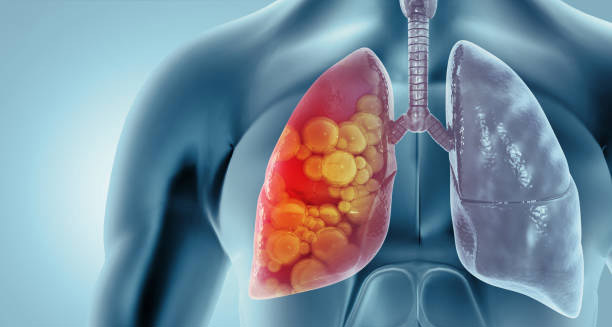
Overview of Lung Cancer Lung cancer is one of the most prevalent and deadly forms of cancer worldwide, affecting both men and women across a wide range of age groups. It occurs when abnormal cells in the lung grow uncontrollably, forming a tumour that can interfere with normal lung function and potentially spread to other parts of the body. The overview of lung cancer involves understanding its types, risk factors, global impact, and the urgent need for early detection and treatment to improve outcomes and survival rates. Types and Risk Factors There are two main types of lung cancer, and each one behaves differently. The first is non-small cell lung cancer (NSCLC). It makes up about 85% of all lung disease cases. NSCLC includes adenocarcinoma, squamous cell carcinoma, and large cell carcinoma. These cancers usually grow and spread more slowly. The second type is small cell lung cancer (SCLC). This kind spreads quickly and often reaches other parts of the body early. SCLC accounts for about 10–15% of cases and is almost always caused by smoking. One major concern in the overview of lung cancer is how strongly it’s linked to smoking. Smoking remains the top cause, responsible for around 80–90% of all lung cancer cases. But people who don’t smoke can still get lung disease . Breathing in radon gas, polluted air, second-hand smoke, or harmful chemicals at work—like asbestos or diesel fumes—can also raise the risk. Sometimes, people with a family history or certain gene changes also develop the disease, especially if they’re young or never smoked. Why Early Detection Matters Doctors often find lung cancer late because early signs are easy to miss. At first, symptoms like a long-lasting cough, mild chest pain, or shortness of breath might not seem serious. Many people think they just have a cold, asthma, or another simple illness. This delay in diagnosis often leads to worse outcomes. Lung disease continues to be the top cause of cancer death worldwide. According to the World Health Organization (WHO), it causes nearly 1.8 million deaths every year. Fortunately, things are starting to improve. Newer tools, like low-dose CT scans, help doctors find lung cancer earlier—especially in people at high risk. Treatment options have also advanced. Now, doctors can offer therapies that target specific cancer traits or boost the immune system. These approaches give more people a chance at better results, even after diagnosis. The Broader Impact of Lung Cancer The overview of lung cancer also includes the toll it takes on families, patients, and health systems. Treating lung cancer often takes a long time and involves many steps. People may need surgery, radiation, chemotherapy, or a mix of these. This treatment can be expensive and hard on the body. Patients often feel stressed, tired, or down. Many find it hard to keep up with work or normal life. This emotional and mental strain adds to the physical burden of the disease. To fight lung cancer, many countries and groups focus on public health. They push for people to quit smoking, screen high-risk groups early, and raise awareness about harmful air and work environments. Many governments also make rules to clean indoor air, require warnings on tobacco, and support quit-smoking programs. Researchers continue looking for better treatments and ways to spot cancer sooner. Some even study how daily habits—like food choices or exercise—might affect risk. Stigma, Metastasis, and Rare Cases Stigma creates another problem for people with lung cancer. Some believe the illness is the patient’s fault, especially if they used to smoke. This mindset can lead to less support, lower funding, and even loneliness. But lung disease can affect anyone, even non-smokers. Everyone deserves kindness and proper care. In some cases, cancer starts in another part of the body and spreads to the lungs. This is called metastatic lung cancer. It makes diagnosis and treatment more complex, especially if the person already had another kind of cancer, like breast or kidney cancer. In children and teens, lung cancer is very rare. But when it does happen, it often grows quickly. These cases usually come from genetic issues or birth defects. Kids with lung disease need care from doctors who specialise in treating young patients. Moving Forward with the Overview of Lung Cancer To sum up, the overview of lung cancer shows how serious and wide-reaching this disease is. It covers everything from causes and symptoms to how it affects society and health care. Lung disease continues to be a major health issue around the world. However, early detection and better treatments are making a difference. Survival rates are slowly rising. When people know the signs, get screened early, and have access to care, they have a better chance at surviving. By learning more about lung cancer and taking steps to lower risk, we can save lives. Raising awareness and supporting research will help more people live longer, healthier lives. [Next: Causes of Lung Cancer →]

Lung Cancer Read More »

Causes of Lung Cancer

Causes of Lung Cancer

The causes of lung cancer are wide-ranging. They include lifestyle choices, environmental exposure, genetics, and workplace hazards. Understanding what causes lung cancer is crucial for both prevention and public health efforts. While smoking is the leading cause, it is not the only one. Many non-smokers are also diagnosed each year, showing that lung cancer is often the result of multiple factors. Smoking: The Leading Cause Tobacco smoke is the number one cause of lung cancer. Cigarette smoke contains over 7,000 chemicals, including at least 70 known cancer-causing agents. These include arsenic, benzene, and formaldehyde. Over time, exposure to these chemicals damages the cells in the lungs. This leads to genetic mutations that can cause uncontrolled cell growth. Around 80–90% of all lung cancer cases are directly linked to smoking. The risk increases with the number of cigarettes smoked and the length of time someone has smoked. However, even light smokers are still at much higher risk than non-smokers. Those who start smoking at a young age are also more likely to develop lung cancer later. Cigar and pipe smokers are not exempt—their risk, though slightly lower than cigarette smokers, is still significantly higher than those who don’t use tobacco. Second-Hand Smoke Second-hand smoke, also called passive smoking, is another major cause. It happens when non-smokers inhale smoke from nearby smokers or burning cigarettes. Living or working in smoke-filled environments can raise a non-smoker’s lung cancer risk by as much as 30%. Children exposed to household smoke are also at risk of respiratory illnesses and may face a higher cancer risk later in life. Radon Gas: A Silent Threat Radon gas is the second leading cause of lung cancer worldwide and the main cause among non-smokers. It is a radioactive gas formed by the breakdown of uranium in soil, rocks, and water. Radon can enter homes and buildings through cracks in floors or walls. Poor ventilation makes the problem worse. Long-term exposure to high radon levels damages lung tissue and increases cancer risk. The World Health Organization classifies radon as a Group 1 carcinogen—a confirmed cause of cancer. Occupational Exposure Certain workplace environments expose people to harmful substances. Jobs in construction, mining, shipbuilding, or manufacturing may involve exposure to: Asbestos is especially dangerous. Once widely used in insulation, it can cause both lung cancer and mesothelioma, a rare cancer of the lung lining. Smokers exposed to these substances face a much higher combined risk. Air Pollution Air pollution, especially in cities, is another cause of lung cancer. Pollutants like fine particles (PM2.5), nitrogen dioxide, and ozone can inflame and damage lung tissue. The International Agency for Research on Cancer (IARC) has classified outdoor air pollution and PM2.5 as cancer-causing. Indoor air pollution, especially from burning wood or coal for heating and cooking, also poses a serious risk—especially in areas with poor ventilation. Genetic Factors Genetics can also play a role. Some people inherit gene mutations that make them more vulnerable to cancer. These mutations affect how the body repairs DNA or controls cell growth. If you have a family history of lung cancer—especially among close relatives—your risk may be higher, even if you’ve never smoked. Certain ethnic groups also carry genetic traits that influence cancer susceptibility. Radiation Exposure People who have had radiation therapy to the chest, often for conditions like breast cancer or lymphoma, may face a slightly increased risk of lung cancer. The level of risk depends on: Childhood cancer survivors may be especially vulnerable due to their longer life expectancy after treatment. Chronic Lung Diseases Chronic illnesses like: …can raise the risk of lung cancer. These conditions cause ongoing lung damage, inflammation, and scarring. Although they do not directly cause cancer, they create an environment where cancer is more likely to develop. Diet and Lifestyle While not as strong as other causes, some diet and lifestyle factors may play a role. For example: A Combination of Factors In many people, multiple causes of lung cancer are at play. For instance, someone might: This combined exposure significantly raises their risk. The interaction of environmental, lifestyle, and genetic factors makes prevention both challenging and essential. Prevention and Risk Reduction The most effective way to prevent lung cancer is to stop smoking. Other important steps include: Public awareness, policy changes, and stricter regulations are also key to reducing exposure to known lung cancer risks. In Summary The causes of lung cancer are complex and varied. Smoking is the biggest factor, but others—like radon, pollution, workplace toxins, and genetics—also matter. By learning about these risks, individuals can take steps to protect themselves. Meanwhile, governments and healthcare providers can build stronger prevention programs and save more lives. [Next: Symptoms of Lung Cancer →]

Causes of Lung Cancer Read More »

Symptoms of Lung Cancer

Symptoms of Lung Cancer

Symptoms of lung cancer can vary widely depending on the stage, type, and location of the tumour. In its early stages, lung cancer often causes no clear signs. This delay in symptoms often leads to late diagnosis and worse outcomes. But as the disease grows, symptoms become more obvious. These symptoms may affect both the lungs and the rest of the body. Knowing the symptoms of lung cancer early is very important. It can lead to faster treatment and better survival. Early Warning Signs Often Go Ignored Many people ignore mild symptoms at first. They may think they just have a cold, allergies, or bronchitis. A common early sign is a cough that doesn’t go away. It might even get worse with time. This cough can be dry or include mucus. Smokers or people with long-term breathing problems often assume it’s normal for them. That’s why it often gets overlooked. Coughing Up Blood A more serious sign is coughing up blood. Doctors call this haemoptysis. It may show as red streaks in the mucus or larger amounts of blood. This symptom must not be ignored. Even small amounts should be checked right away. It often means a tumour is irritating or damaging small blood vessels in the lungs. Trouble Breathing and Chest Pain Shortness of breath is another important sign. It might come on slowly or suddenly. It can happen because a tumour is blocking airways or due to fluid build-up around the lungs. This extra fluid is called pleural effusion. People may notice they get tired doing things that used to be easy. Walking, climbing stairs, or even talking can become hard. Chest pain also occurs in many cases. It happens when the tumour touches the lining of the lungs or the chest wall. The pain may feel sharp or dull. It might come and go, or stay constant. Coughing, laughing, or deep breaths often make it worse. Pain from lung cancer usually doesn’t improve with regular painkillers. Sometimes it spreads to the shoulder or back. Other Body-Wide Symptoms of Lung Cancer Weight loss without trying is another warning sign. It often happens because the body reacts to the tumour and its waste products. Losing weight fast, without a change in diet or activity, could be a sign the disease has spread. Fatigue is also very common. But this isn’t just feeling tired. It’s a deep, ongoing lack of energy that doesn’t improve with sleep. This fatigue affects daily life and can make normal tasks hard. Some people notice changes in their voice. Hoarseness happens when cancer affects the nerves that control the vocal cords. At first, it may sound like a mild cold. Over time, the voice may become weaker or raspier. Swallowing may also become difficult. This happens when a tumour presses against the food pipe or if cancer spreads to nearby areas. Infections and Repeated Chest Illnesses Recurring infections like bronchitis or pneumonia can also be signs of lung cancer. A tumour can block part of the lung, causing mucus to build up. That trapped mucus becomes a place for bacteria to grow. If someone keeps getting infections in the same spot, further testing is needed. Rare But Serious Syndromes In some cases, doctors find the cancer only after strange symptoms appear. These are called paraneoplastic syndromes. They happen when the immune system reacts to cancer or when the tumour makes hormone-like substances. Signs may include: These problems can appear even before the main cancer symptoms. Signs of Advanced Lung Cancer Later stages of the disease may bring more serious symptoms. Bone pain, especially in the hips, back, or ribs, could mean the cancer has spread. Headaches, dizziness, or seizures might appear if it spreads to the brain. These signs usually mean the cancer has reached stage IV and needs quick attention. Certain lung cancer types cause different symptoms. Small cell lung cancer spreads fast. It often causes strong signs early, like night sweats, extreme tiredness, or swelling in the face and neck. This swelling can happen when a tumour blocks a large vein called the superior vena cava. Non-small cell lung cancer may cause fewer early signs, but breathing problems still appear as the tumour grows. Not Everyone Has the Same Symptoms People with lung cancer can have very different experiences. Some have no symptoms at all. Others may have only one symptom, which leads to full testing. This makes screening very important for people at risk—such as long-time smokers. Catching the disease early can save lives. Doctors advise people to seek help if they notice any of these: Because these symptoms can look like asthma, acid reflux, or a virus, people often ignore them. But even one unexplained symptom should lead to a doctor visit—especially for anyone with known risk factors. Early Action Saves Lives In summary, the symptoms of lung cancer can range from mild breathing changes to severe health problems. Early warning signs matter. The sooner someone sees a doctor, the better their chances. By raising awareness, more people can get help before the disease spreads—and that can make all the difference. [Next: Diagnosis of Lung Cancer →]

Symptoms of Lung Cancer Read More »

Diagnosis of Lung Cancer

Diagnosis of Lung Cancer

Diagnosis of lung cancer is a critical process that involves multiple steps, aimed at confirming the presence of cancer, determining its type, and identifying its stage. Early and correct diagnosis plays a key role in choosing the right treatment. It also helps improve survival. Many lung cancer symptoms look like signs of other illnesses. So, doctors must follow a clear, step-by-step approach. First Signs and the Start of Diagnosis The process often begins when a patient shows long-lasting symptoms. These may include a cough that doesn’t go away, chest pain, weight loss, or coughing up blood. Sometimes, doctors spot possible signs during a routine X-ray or CT scan done for another reason. In people at high risk—like smokers or those exposed to harmful substances at work—early checks are even more important. The first test is usually a chest X-ray. This can show unusual areas like lumps, collapsed sections, or fluid build-up. But X-rays don’t always give a full picture. Small tumours may be missed. Also, lung infections or old injuries can look like cancer. That’s why doctors always follow up with more tests. CT Scans and Better Imaging A CT scan gives clearer, more detailed images than an X-ray. It shows cross-sections of the lungs and nearby areas. This test helps spot small tumours, measure their size, and see if they’ve spread to lymph nodes or other organs. CT scans often guide the next steps in the diagnosis of lung cancer. Biopsy: The Next Step If doctors find a lump or abnormal area, they need to look at the tissue. This step is called a biopsy. There are several ways to collect the sample, based on where the tumour is and how healthy the patient is. These include: What the Biopsy Tells Us Once doctors collect the sample, a pathologist checks it under a microscope. This helps confirm whether cancer is present and, if so, what kind it is. There are two main types: This step is vital. Each type of lung cancer needs a different treatment of lung cancer. Staging the Cancer After doctors confirm lung cancer, they need to know how far it has spread. This step is called staging. It guides treatment plans and helps predict outcomes. Common tools used for staging include: Doctors also do blood tests. While these can’t confirm cancer, they help check the patient’s health before surgery or treatment. Molecular Testing and Genetic Clues Modern tests can now check for certain genes or markers in the cancer cells. This part of the diagnosis of lung cancer helps match patients to targeted drugs or immunotherapy. Some important markers include: This testing supports better, more personal care. It’s now a key part of lung cancer treatment planning. Screening and Early Detection Screening helps find cancer early—before it causes symptoms. For high-risk people, such as those aged 55–80 with a history of heavy smoking, low-dose CT (LDCT) scans can help. These scans lower the risk of dying from lung cancer. But they’re not for everyone. For people at low risk, the downsides—like false alarms and radiation—may outweigh the benefits. Still, in the right group, early screening saves lives. Avoiding Misdiagnosis Doctors must stay alert because early lung cancer may look like other illnesses. Asthma, infections, or chronic bronchitis can hide the signs. This can lead to delays. That’s why a strong sense of awareness is key—especially in people with risk factors. Why Fast, Accurate Diagnosis Matters To sum up, the diagnosis of lung cancer needs many tools—scans, biopsies, lab work, and staging. Getting a quick and clear answer helps doctors act fast. It also improves life quality and boosts the chances of survival. Knowing the early signs and using screening when needed can make a big difference. [Next: Treatment of Lung Cancer →]

Diagnosis of Lung Cancer Read More »

Treatment of Lung Cancer

Treatment of Lung Cancer

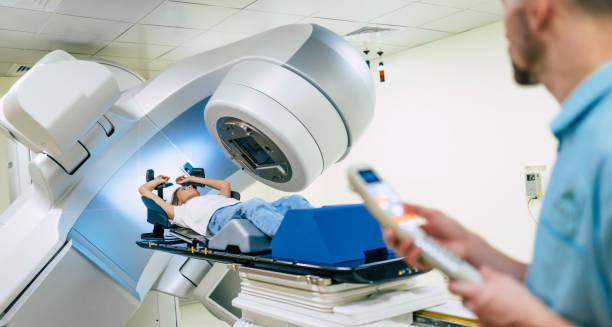
Treatment of lung cancer involves a complex and carefully individualised approach, depending on the type, stage, location, genetic makeup of the tumour, and the overall health of the patient. The main goal is to remove the cancer, shrink it, or keep it under control. Doctors also focus on easing symptoms and helping patients live longer and better. Medical science has come a long way. Today, people have more choices than ever before. Treatments now suit the needs of each patient much more closely. Understanding the Type of Lung Cancer The first step is to find out what kind of lung cancer a person has. Doctors group it into two main types—non-small cell lung cancer (NSCLC) and small cell lung cancer (SCLC). NSCLC is more common and grows slowly. That gives doctors more options for how to treat it. SCLC is more aggressive. It often spreads early, so doctors use treatments that reach the whole body. Surgery for Lung Cancer Doctors may choose surgery to treat early-stage NSCLC. Surgery works best when the tumour is in one place and the patient is healthy enough for an operation. Common types of surgery include: After surgery, doctors may use chemotherapy or radiation to kill any cancer that remains. These extra steps lower the chance of the cancer returning. Doctors do not usually use surgery for SCLC because it spreads too quickly. Radiotherapy in Treatment of Lung Cancer Radiation is a major part of the treatment of lung cancer. It works alone or alongside other methods. Doctors may use it: A new form called stereotactic body radiotherapy (SBRT) gives strong, targeted doses in fewer sessions. This helps patients who cannot have surgery. Chemotherapy and When It Helps Chemotherapy plays a big role in lung cancer care, especially in SCLC and late-stage NSCLC. These drugs attack fast-growing cells and are given through the veins in cycles. Doctors may give chemo: For SCLC, chemotherapy is usually the first step. Doctors often use two drugs together, like cisplatin and etoposide. It may not cure the cancer, but it can help with symptoms and improve life length. Targeted Therapy in Lung Cancer Care Targeted therapy changed the treatment of lung cancer. These drugs focus on specific changes in cancer cells. They do not harm all fast-growing cells like chemo does. Some examples are: Most of these are pills, not infusions. They often cause fewer side effects. These treatments work best in people who have certain types of cancer, like non-smokers with adenocarcinoma. Immunotherapy: A New Direction A newer and promising part of the treatment of lung cancer is immunotherapy. These drugs help the immune system fight the tumour. Checkpoint inhibitors like nivolumab, pembrolizumab, and atezolizumab block cancer’s defense system. This allows immune cells to attack the tumour. Immunotherapy works well in NSCLC with high PD-L1 levels. It can be used alone or with chemo. Some patients stay cancer-free long after treatment ends. When Treatments Work Best Together Often, doctors combine several types of treatment. Teams of specialists—including surgeons, oncologists, and radiologists—create a plan that suits each patient. For example, a person with stage III NSCLC might get chemo and radiation together, followed by immunotherapy. In SCLC, chemo and radiation often go hand in hand. For advanced disease, doctors may also include immunotherapy. Palliative Care in Treatment of Lung Cancer When curing the cancer is not possible, palliative care becomes very important. The goal changes from cure to comfort. Doctors focus on making the patient feel better and improving daily life. Palliative care includes: Some patients start palliative care early, while still getting other treatments. This approach helps the whole person, not just the disease. Clinical Trials and New Options Doctors are still finding new and better ways to treat lung cancer. Clinical trials test the latest drugs and treatments. People with late-stage or hard-to-treat cancer may join trials to try these new therapies. While trials have risks, they also offer hope. Many of today’s best treatments came from past trials. Lifestyle Changes and Support Programs Along with medical care, lifestyle support helps in the treatment of lung cancer. Quitting smoking, eating well, and joining rehab programs can make a big difference. Patients who stop smoking after diagnosis often respond better to treatment. They also face fewer problems. Mindfulness, therapy, exercise, and support groups help patients cope better. These services improve mental health and daily strength. A Changing Future in Lung Cancer Care In summary, the treatment of lung cancer has many parts and keeps changing. From surgery and chemo to targeted and immune-based treatments, patients now have more hope than ever. Early diagnosis, personalised care, and strong support systems give patients the best chance. The right mix of science and care can help people live longer and live well. [Next: Complications of Lung Cancer →]

Treatment of Lung Cancer Read More »

Complications of Lung Cancer

Complications of Lung Cancer

Complications of lung cancer can be extensive and severe, affecting not only the lungs but also multiple organs and bodily systems. These problems come either from the cancer itself, from its spread to other areas, or as side effects of treatment. Knowing the complications of lung cancer helps in facing problems, easing symptoms, and making life better for patients at all stages. Breathing Problems and Lung Damage One of the most common complications of lung cancer is trouble with breathing. Tumors inside the lungs can block airways. They may also cause parts of the lung to collapse or lead to fluid building up around the lungs. This reduces how well the lungs take in oxygen and remove carbon dioxide. As a result, patients often feel out of breath, tired, or even face serious breathing issues. In severe cases, treatment may include oxygen therapy, procedures to drain fluid, or use of machines to help with breathing. Cancer Spread to Other Organs Another big concern is how quickly lung cancer spreads. This is especially true in small cell lung cancer, which spreads fast and early. The cancer often moves to: When the cancer spreads, the main goal of treatment often changes. Instead of aiming to cure, the focus shifts to controlling symptoms. This may need extra treatments like radiation, chemotherapy, or comfort care. Complications of Lung Cancer Can Become Urgent One serious and urgent issue is superior vena cava (SVC) syndrome. This happens when a tumor presses on the large vein that carries blood from the upper body to the heart. The result is swelling in the face, neck, or arms, along with dizziness and headaches. SVC syndrome is a medical emergency. Doctors treat it quickly using radiation or a small tube (stent) to open the vein. Infections and Low Immunity Infections often happen in patients with lung cancer. This is more likely when the immune system becomes weak from cancer or its treatments. Lung infections, like pneumonia, are very common. Some infections can be life-threatening. Chemotherapy can lower white blood cell counts, making it harder to fight germs. This condition, called neutropenia, means patients need fast treatment with antibiotics or may need to stay in the hospital. Blood Clots and Rare Reactions Blood clots are another serious issue. These include deep vein thrombosis (DVT) or clots in the lungs (pulmonary embolism). They happen because the body reacts strongly to the tumor or because patients move less and receive certain treatments. Pulmonary embolism can be deadly if not treated right away. In rare cases, lung cancer may cause something called paraneoplastic syndromes. These are odd body responses to cancer and may include: These rare problems usually happen in small cell lung cancer. They make diagnosis and treatment harder. Mental and Emotional Complications of Lung Cancer The emotional toll of lung cancer is very heavy. Many patients feel deep sadness, worry, fear, or even panic. This becomes worse in cases where the disease is advanced or the outlook is poor. Strong emotions can affect how well patients follow their treatment plans. They can also impact relationships with family or friends. Managing Pain and Discomfort Pain is a big problem in lung cancer. It can come from the tumor, from cancer that has spread to bones, or from treatments like surgery or radiation. Controlling pain is very important. Doctors may use strong painkillers, nerve treatments, or even alternative methods to help. If pain is not managed well, life becomes much harder for the patient. Treatment Side Effects and Long-Term Issues Many patients deal with tough side effects during treatment. These include: Even if the cancer gets better, some effects last long. These may include lung scarring, nerve damage, or even new cancers caused by earlier treatments. End-Stage Challenges and Social Impact In the late stages of lung cancer, a condition called cachexia may happen. This causes extreme weight loss, weak muscles, and tiredness that food can’t fix. Cachexia is very hard for both patients and families. Special care is needed from a team focused on comfort and support. Complications also come from the treatment journey itself. Frequent hospital visits, money stress, job loss, and tired caregivers add to the pressure. This can make life even harder for both patients and their loved ones. Focus on Team Care and Quality of Life In conclusion, the complications of lung cancer affect every part of life—body, mind, and relationships. To handle them well, many types of healthcare workers need to work together. This includes cancer doctors, palliative care experts, mental health workers, physical therapists, social workers, and family. Not every complication can be stopped. But many of them can be managed or lessened with the right care. Helping patients live better and suffer less should always remain a top goal. [Next: Back to Overview →]

Complications of Lung Cancer Read More »

Overview of Low Blood Sugar

Low Blood Sugar

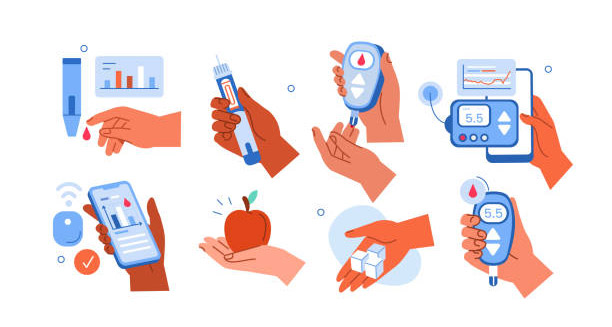
Overview of Low Blood Sugar Low blood sugar, medically termed hypoglycaemia, occurs when blood glucose levels fall below the normal range necessary to fuel the body’s cells — particularly the brain. Glucose is the body’s main source of energy. When its level drops too low, symptoms can range from mild discomfort to life-threatening emergencies. Most experts define low blood sugar as a level below 4.0 mmol/L (72 mg/dL). However, this can vary slightly based on health status and medical advice. Although low blood sugar is most common in people with diabetes — especially those taking insulin or certain oral medicines — it can also happen in people without diabetes. In such cases, it may be due to long fasting, drinking too much alcohol, hormone problems, severe illness, or rare metabolic diseases. Whatever the cause, untreated hypoglycaemia can be dangerous and needs fast action. How the Body Regulates Blood Sugar The body works in several ways to keep the levels steady. These include releasing glucose from the liver (glycogenolysis), making new glucose from non-carb sources (gluconeogenesis), and using hormones like glucagon, cortisol, and adrenaline. If these systems fail or cannot keep up, low blood sugar can develop quickly. In diabetes, hypoglycaemia usually happens as a side effect of treatment. Insulin and some diabetes medicines lower blood sugar by helping cells take in glucose or by reducing its production. If someone takes too much medicine, skips a meal, exercises too hard, or drinks alcohol without eating, the level can fall fast. The brain relies almost completely on glucose for energy. When sugar drops, thinking and movement can quickly suffer. This may cause confusion, clumsiness, slurred speech, and later, unconsciousness. Symptoms of Low Blood Sugar The signs of low blood sugar depend on how severe it is and how sensitive the person is to changes. Early signs include shakiness, sweating, hunger, irritability, and a racing heartbeat. As it worsens, the brain gets too little glucose, leading to symptoms like blurred vision, headache, poor balance, and mood or behaviour changes. Severe hypoglycaemia can cause seizures, coma, and death if not treated right away. Types of Hypoglycaemia Doctors group low blood sugar into several types. Reactive hypoglycaemia happens a few hours after eating and is linked to too much insulin release. Fasting hypoglycaemia happens after long periods without food. Alcohol-related hypoglycaemia occurs when the liver cannot make glucose due to alcohol use. In some cases, factitious hypoglycaemia results from taking insulin or diabetes drugs secretly, often linked to mental health problems like Munchausen syndrome. Special Risks and Diagnosis Low blood sugar does not always cause clear symptoms. People with diabetes for many years may have “hypoglycaemia unawareness.” They do not feel early warning signs because of repeated episodes. This raises the risk for sudden severe drops, making close monitoring essential. To confirm low blood sugar, doctors use Whipple’s triad: This method helps tell true hypoglycaemia from other problems like anxiety, dehydration, or some nerve conditions. Managing and Preventing Low Blood Sugar For people with diabetes, preventing hypoglycaemia means balancing medication, food, and activity. Modern tools like continuous glucose monitors (CGMs), flash glucose systems, and insulin pumps help track sugar in real time. Even with technology, education is vital. People must know the signs, carry quick sugar sources, and adjust medicine when needed. Outside diabetes, low blood sugar is less common but can signal serious illness like an insulin-producing tumour (insulinoma), liver failure, adrenal problems, or infection. In newborns and infants, it is common due to immature liver function and high energy needs. Quick treatment is needed to avoid harm to brain development. Public Awareness and Safety Public knowledge of low blood sugar is still low compared to high blood sugar. Yet the risks are just as serious. At work, on the road, or at home, an episode can cause confusion, poor judgement, or collapse. This can endanger both the person and others. Teachers, coaches, caregivers, and employers should know the signs and act fast. Final Thoughts on the Overview of Low Blood Sugar Low blood sugar is a serious condition that can limit daily life, lower quality of life, and threaten life if ignored. With good education, quick recognition, and the right care, most people can keep stable blood sugar and avoid severe events. As both a warning sign and a diagnosis, hypoglycaemia needs careful attention in all healthcare settings. [Next: Causes of Low Blood Sugar →]

Low Blood Sugar Read More »

Scroll to Top