Mental Matters

Author name: admin

Symptoms of Low Sperm Count

Symptoms of Low Sperm Count

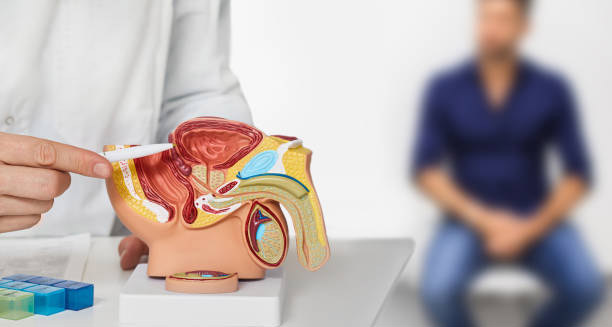
The symptoms of low sperm count are often subtle and may go unnoticed until a couple faces difficulties with conception. For many men, there are no clear outward signs. Because of this, the condition can remain hidden until fertility tests reveal it. If a couple has tried to get pregnant for a year without success, knowing these signs can help start testing sooner. Early action can lead to better results. Inability to Conceive The most common and defining sign of low sperm count is the inability to get pregnant despite ongoing efforts. In many cases, this is the only clue. A man may feel healthy and notice no problems. Yet, after months or even years of trying, pregnancy does not happen. At this stage, doctors usually test both partners. A semen analysis then often confirms the low count. Other Possible Signs from Hormonal Problems Low sperm count may also happen because of hormonal or medical issues. These problems can cause other symptoms, even though the sperm count itself does not directly cause them. For example, men with low testosterone from hypogonadism may notice: These signs may appear along with fertility struggles and can point to hormone testing. Signs from Structural Problems Some men have physical problems in the reproductive system that lower sperm count. A common example is a varicocele, or enlarged veins in the scrotum. This can lead to: Varicoceles are a leading reversible cause of low sperm count. They can also lower sperm movement and shape quality, making conception harder. Signs from Infections Infections in the reproductive tract can harm sperm production or block sperm flow. These may include: These problems may point to inflammation or infection in the testicles, epididymis, or prostate. Other Medical Clues Some men may have undescended testicles that were never corrected in childhood. This may only be found during a check-up. In rare cases, genetic issues like Klinefelter syndrome may also be present. These can cause: No Visible Signs but Emotional Impact Sometimes, there are no physical signs at all. In these cases, only a semen analysis can confirm the diagnosis. Still, the emotional effects can be strong. Men may feel guilt, shame, or stress. These feelings can affect relationships and mental health. Talking to a counsellor or therapist can help. In short, the symptoms of low sperm count often stay hidden. Infertility may be the only clear sign. Yet, related hormonal, infection, or structural problems can offer clues. Knowing them early can guide men toward testing and treatment. [Next: Diagnosis of Low Sperm Count →]
Symptoms of Low Sperm Count Read More »

Diagnosis of Low Sperm Count

Diagnosis of Low Sperm Count

The diagnosis of low sperm count is an essential step in checking male fertility. It is especially important when a couple has been trying to conceive for at least a year without success. Many men with low sperm count show no clear signs. This makes medical tests the only dependable way to find it. A full diagnosis also helps uncover the cause, so treatment can start in the right way. Medical History and Lifestyle Check The first step is a detailed medical and reproductive history. The doctor will ask about: These questions help point to possible factors that affect sperm production. Physical Examination Next, the doctor does a physical check of the genital area. They look for: These signs can suggest conditions like Klinefelter syndrome or hypogonadism. Semen Analysis The main test for low sperm count is a semen analysis. It measures the number and quality of sperm in the semen. How it works: The test looks at: To be sure of the results, doctors often check at least two samples, taken weeks apart. A sperm count below 15 million per millilitre is low (oligospermia). No sperm means azoospermia. Extra Tests for Cause If the count is low, more tests help find the reason. Hormone tests check testosterone, LH, FSH, prolactin, and thyroid hormones. These can show if there are hormone problems affecting sperm. Scans such as scrotal ultrasound can spot varicocele, blockages, tumours, or other changes in the reproductive organs. A transrectal ultrasound (TRUS) can look for blockages in the seminal vesicles or ejaculatory ducts. Genetic tests may be used for very low counts or azoospermia. These can include: Other special tests can include: Testicular biopsy may be needed if other tests cannot give answers. In this, a small tissue sample is taken to check sperm production and, if possible, collect sperm for assisted reproduction. Partner Assessment Often, fertility problems come from both partners. Because of this, doctors usually check the female partner at the same time. This gives a full picture and avoids delays in starting treatment. Final Thoughts Diagnosing low sperm count is a step-by-step process. It starts with questions and a physical check. Then, it moves to semen testing and sometimes hormone, scan, or genetic tests. The sooner this is done, the better the chance of finding and fixing the cause. For couples facing fertility struggles, this careful approach offers answers, a plan, and hope. [Next: Treatment of Low Sperm Count →]

Diagnosis of Low Sperm Count Read More »

Treatment of Low Sperm Count

Treatment of Low Sperm Count

The treatment of low sperm count depends on the underlying cause, the severity of the condition, and the couple’s overall fertility goals. Some men may only need lifestyle changes, while others may require medical or surgical treatment. Today, advances in reproductive medicine make it possible for many men with low sperm count — even those with severe fertility problems — to father biological children through different therapies and assisted reproductive technologies (ART). Lifestyle Changes for Better Sperm Health A good plan for the treatment of low sperm count often starts with lifestyle changes. These are usually the first step and can improve both sperm count and quality. Key changes include: Medical Treatments for Low Sperm Count When lifestyle changes are not enough, medical options may help. Hormone treatments are useful when the cause is linked to hormone problems. Depending on the case, doctors may prescribe: If infections in the reproductive tract reduce sperm production or block sperm flow, antibiotics can treat the infection. Early treatment of conditions like epididymitis or prostatitis may prevent lasting harm, though it cannot repair damage already done to sperm-producing tissue. Surgical Options and Sperm Retrieval Some men need surgery to correct structural problems. One common procedure is: Other surgical methods include: When no sperm are found in the ejaculate (azoospermia), sperm retrieval techniques may be used for ART: These methods take sperm directly from the testes for use in IVF with intracytoplasmic sperm injection (ICSI). Assisted Reproductive Technologies (ART) For many couples, ART gives the best chance of success. Options include: When sperm quality or count is extremely low, or when genetic risks are high, donor sperm may be considered. This is a personal choice that often involves counselling and legal advice to ensure both partners agree emotionally and ethically. Genetic Causes and Counselling If the low sperm count comes from a genetic condition like Y chromosome microdeletion or Klinefelter syndrome, treatment options are fewer. ART with sperm retrieval may still be possible, but genetic counselling is important to understand risks to future children. Emotional Support and Mental Health Throughout the treatment of low sperm count, mental health care is essential. The diagnosis can cause embarrassment, low self-worth, or depression. Stress from fertility problems can strain relationships. Counsellors or therapists can help couples handle the emotional pressure and make informed decisions. Final Thoughts on the Treatment of Low Sperm Count Treatment of low sperm count is personal and depends on the cause, level of sperm problem, couple’s goals, age, and readiness for advanced fertility options. Many men once thought infertile have become fathers with the right mix of care, persistence, and medical help. [Next: Complications of Low Sperm Count →]

Treatment of Low Sperm Count Read More »

Complications of Low Sperm Count

Complications of Low Sperm Count

The complications of low sperm count extend far beyond an inability to conceive. Infertility is the most obvious and immediate result. But the emotional, mental, and even physical effects can greatly harm a man’s health and quality of life. Knowing these complications early helps in getting the right medical and emotional help. Infertility and Related Problems The main complication of low sperm count is male infertility. Infertility means not being able to conceive after 12 months of regular, unprotected sex. A sperm count below 15 million per millilitre of semen lowers the chance of natural pregnancy. For some men, low count comes with poor movement (motility) or abnormal shape (morphology) of sperm. This makes it harder for sperm to reach and fertilise the egg. Even if sperm are present, their ability to work well may be too weak for pregnancy without medical help. Emotional and Psychological Impact The effects of low sperm count go beyond the body. The emotional toll can be deep. Men who learn they are infertile may feel: In many cultures, fatherhood is tied to masculinity. This can make feelings of failure stronger. Men may feel less “manly” even though infertility is a medical issue affecting millions worldwide. Stigma often stops men from talking about the problem or seeking help, which can delay treatment and add stress. Relationship Strain Fertility issues can also cause problems between partners. Couples may face poor communication, sexual anxiety, blame, or resentment. The stress of repeated negative pregnancy tests or failed treatments can create distance and mistrust. Even when couples use donor sperm, adoption, or surrogacy, the emotional weight may stay if the root cause is not addressed. Financial Burden of Treatment Another serious complication of low sperm count is the cost of diagnosis and treatment. Finding the cause often needs many tests — semen analysis, hormone checks, genetic screening, and sometimes imaging. Private testing can be costly. If assisted reproduction like IVF or ICSI is needed, expenses can rise sharply. Multiple attempts may be needed, with no guarantee of success. For many couples, these costs add to the stress and sometimes stop them from getting treatment at all. Medical Risks and Hidden Conditions Low sperm count can also be a warning sign for other health issues, such as: Finding low sperm count early can reveal these problems and allow treatment before they get worse. Fertility checks can sometimes open the door to better overall health care. Invasive Procedures and Risks Men with very low sperm count or no sperm at all may need surgical sperm retrieval methods like TESE or micro-TESE. These surgeries have risks, including bleeding, infection, testicular damage, and sometimes infertility from scarring. Genetic Concerns When pregnancy happens through ART despite low sperm count, there may be a risk of passing on infertility. Some genetic causes, like Y-chromosome deletions, can be inherited if ICSI is used. This makes genetic counselling important before trying for a baby. Long-Term and Social Impact Couples who stay childless may face social exclusion, especially where parenthood is highly valued. This can affect self-worth, social life, and even care in old age. Feelings of regret or loss can last for years, making emotional support vital. Public Health Considerations Low sperm count is also being studied as a public health issue. Research shows falling sperm counts in many parts of the world. Factors like hormone-disrupting chemicals, pollution, and stress may play a role. This trend suggests many individual cases could be part of a wider health problem. Final Thoughts on the Complications of Low Sperm Count The complications of low sperm count cover medical, emotional, financial, and social areas. While infertility is central, it is only one part of the story. Early checks, kind medical care, mental health support, and honest talks between partners are key. As treatments improve, options for men are growing. But managing the emotional side is just as important as the physical side. [End of Topic: Low Sperm Count]

Complications of Low Sperm Count Read More »

Overview of Liver Cancer

Liver Cancer

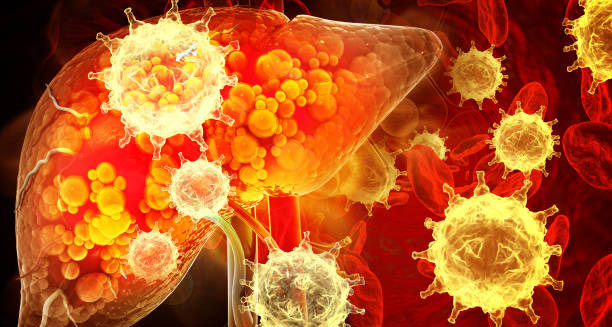
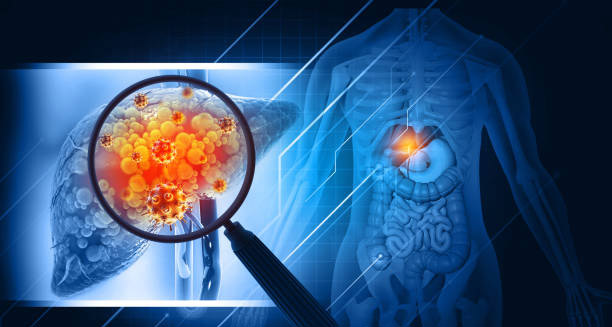
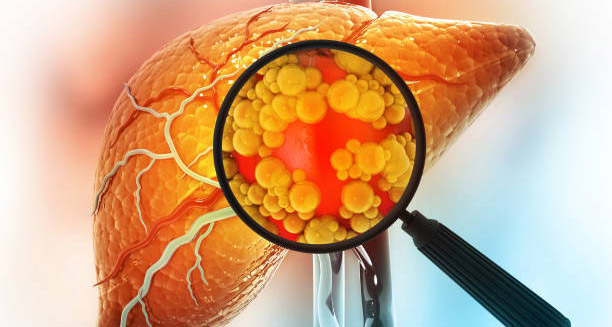
Liver cancer is a serious and potentially life-threatening disease that originates in the tissues of the liver, an organ vital for detoxifying blood, metabolising nutrients, and supporting digestion. The overview of liver cancer helps us understand how the disease begins, spreads, and who it affects most. The liver plays a key role in metabolism and is constantly exposed to toxins and infections through the bloodstream. When liver cell DNA becomes damaged, cancer can form. Types and Spread of Liver Cancer Liver cancer falls into two main types. Primary liver cancer starts in the liver itself. Secondary (metastatic) liver cancer begins in another part of the body and then spreads to the liver. The most common type of primary this condition is hepatocellular carcinoma (HCC). It accounts for about 90% of cases. Less common types include intrahepatic cholangiocarcinoma, which affects the bile ducts, and angiosarcoma, a rare cancer of liver blood vessels. One reason this condition is hard to treat is because it’s often found late. Early signs are vague or missing entirely. The liver can also keep working well even when badly damaged, which hides the problem. Because of this, many cases are diagnosed when the cancer has already advanced. This delay leads to higher death rates. Globally, liver cancer is one of the top causes of cancer deaths. It’s more common in areas where hepatitis B and C infections are widespread, such as Asia and sub-Saharan Africa. Risk Factors and Global Patterns Knowing the risk factors is key to the overview of liver cancer. Long-term liver damage is the most common cause. This damage often comes from: The disease isn’t spread equally around the world. It’s more common in countries where hepatitis is a major health issue. However, cases are rising in Western nations. This is largely due to lifestyle changes, especially rising rates of obesity, diabetes, and alcohol-related liver problems. Benign vs Malignant Tumours and Staging The overview of this condition must also explain the difference between benign and malignant liver tumours. Not all growths in the liver are cancer. Many, such as haemangiomas, hepatic adenomas, and focal nodular hyperplasia, are non-cancerous. Even so, they often need extra tests because they can look similar to cancer on scans. Staging liver cancer is another crucial step. It helps doctors choose the right treatment and predict outcomes. The two most used systems are: These systems look at tumour size, number of tumours, spread to blood vessels or other organs, and liver function. Liver function is often measured by the Child-Pugh score. If cancer is found early, curative treatments like surgery or transplant may work. If it’s advanced, then care focuses more on comfort and quality of life. Prevention and Hope for the Future Recent progress in medical technology has improved how we detect and treat this condition. Still, survival rates remain low if the cancer is caught late. That’s why a multidisciplinary team — including liver specialists, cancer doctors, radiologists, and surgeons — is so important in managing this disease. Early screening in people at risk has become a powerful tool. It helps doctors find this condition before symptoms appear. The overview of liver cancer must also highlight how prevention can save lives. Key steps include: Looking ahead, targeted treatments and immunotherapy offer real hope. These newer approaches are helping some patients live longer and with better quality of life. Final Thoughts on the Overview of Liver Cancer To sum up, the overview of liver cancer shows just how complex and dangerous this disease is. Because it often grows without warning signs, many people get diagnosed too late. That’s why early detection, awareness of risks, and regular monitoring matter so much. By understanding how liver cancer starts, spreads, and can be prevented, we move closer to saving more lives. Ongoing research and smarter screening programs will continue to shape how we fight this challenging disease. [Next: Causes of Liver Cancer →]

Liver Cancer Read More »

Causes of Liver Cancer

Causes of Liver Cancer

Causes of liver cancer are often complex and multifactorial, involving a combination of environmental, viral, genetic, and lifestyle factors. Understanding these causes helps with both prevention and early diagnosis. It also helps identify high-risk individuals and shape screening plans. Most causes of liver cancer link back to long-term liver damage, inflammation, and scarring, all of which can trigger liver cells to turn cancerous over time. Viral Infections and Alcohol Use Chronic infection with hepatitis B virus (HBV) and hepatitis C virus (HCV) is one of the most well-known causes. These infections cause ongoing inflammation in the liver. Over time, this increases the risk of DNA changes in liver cells. These changes can eventually lead to cirrhosis and the development of hepatocellular carcinoma (HCC), the most common type of liver cancer. Hepatitis B is especially dangerous because it can lead to cancer even without cirrhosis. This happens because the virus can insert itself directly into liver cell DNA. Alcohol-related liver disease is another major cause. Drinking heavily over many years damages the liver. It can lead to alcoholic hepatitis and then cirrhosis, which replaces healthy liver cells with scar tissue. This scarred tissue weakens liver function and makes cancer more likely. Alcohol also damages cells directly by creating toxins and oxidative stress that harm DNA. Metabolic Liver Disease and Toxins In recent years, non-alcoholic fatty liver disease (NAFLD) and non-alcoholic steatohepatitis (NASH) have become leading causes — especially in Western countries. These conditions are linked to obesity, type 2 diabetes, and metabolic syndrome. Like alcohol-related liver disease, NASH can lead to cirrhosis and eventually liver cancer. Worryingly, people with NAFLD sometimes develop liver cancer even if they don’t have cirrhosis. This suggests that other harmful processes are involved, beyond scarring. Another well-known cause is exposure to aflatoxins. These are poisonous substances made by moulds like Aspergillus flavus. They often contaminate food stored in warm, damp places — especially grains and nuts in parts of Africa and Asia. Over time, aflatoxins damage DNA in liver cells and greatly raise the risk of cancer. If hepatitis B is also present, the risk becomes even higher. Inherited Disorders, Hormones, and Chronic Inflammation Some rare genetic conditions also play a role in liver cancer. These include: All of these can lead to cirrhosis, which increases cancer risk. Even though these conditions are less common, they show how inherited diseases can damage the liver over time and lead to cancer. Certain hormonal drugs also appear to raise liver cancer risk. Long-term use of anabolic steroids, often for bodybuilding, has been linked to liver tumours, including HCC. Some oral contraceptives have also been linked to benign liver tumours. However, the cancer risk from contraceptives is low and mostly limited to very rare cases. Another major factor is long-term liver inflammation and cirrhosis, no matter the cause. When liver cells are constantly damaged, killed, and replaced, the chance of DNA mistakes during cell repair goes up. Scarred liver tissue also lacks the natural defenses that stop cancer from forming. Environmental and Emerging Risk Factors Some environmental toxins also contribute to liver cancer. Long-term exposure to industrial chemicals, such as vinyl chloride and thorium dioxide, has been linked to liver tumours. In some places, contaminated drinking water may also raise the risk. Smoking slightly increases liver cancer risk too, especially when combined with drinking alcohol or having hepatitis. New research has also begun to look at the role of the gut-liver connection. Harmful bacteria and toxins from the gut may move into the liver and cause inflammation. This process, still under study, may be another way liver cancer develops. Final Thoughts on Causes of Liver Cancer In summary, the causes of liver cancer include chronic viral infections, alcohol abuse, obesity-related liver disease, exposure to toxins, inherited disorders, and certain hormone-related drugs. These causes often overlap, making liver cancer a complex disease to prevent and treat. Reducing risk involves several key steps. These include vaccinating against hepatitis, avoiding excessive alcohol, treating metabolic conditions, and ensuring safe food storage. A clear understanding of these risk factors can help shape better public health strategies and clinical care. [Next: Symptoms of Liver Cancer →]

Causes of Liver Cancer Read More »

Symptoms of Liver Cancer

Symptoms of Liver Cancer

Symptoms of liver cancer can be subtle, non-specific, or entirely absent during the early stages, making early detection a significant clinical challenge. The liver can keep working even when it’s damaged. Because of this, many people do not notice any signs until the disease becomes serious. The symptoms of liver cancer often show up late, which makes early diagnosis hard. Knowing the full range of signs is key to spotting the disease early and getting the right care quickly. Early Signs and Common Misunderstandings At first, liver cancer may cause no symptoms. This silent start is one reason why doctors often find the cancer when it’s already advanced. When symptoms do appear, they may seem minor or similar to other health issues. People might feel tired, have mild stomach issues, or think they caught a virus. These mild problems can delay testing and diagnosis. One of the most common symptoms of liver cancer is losing weight without trying. Many patients feel full quickly and lose interest in eating. Even small meals may feel like too much. This can happen because the tumour takes up space and presses against the stomach. Cancer can also affect the body’s metabolism, causing a serious condition called cachexia, which leads to muscle loss and extreme weight loss. Pain or discomfort in the upper right belly is another clear sign. It may feel dull and steady or become sharp and severe if the tumour pushes on the liver capsule or nearby nerves. Some people even feel pain in the right shoulder — a problem known as Kehr’s sign — which comes from nerve irritation. Fluid Buildup, Jaundice, and Digestive Issues Bloating or swelling in the belly may happen as fluid builds up, a problem called ascites. This usually means the liver is not working well and the cancer has reached a later stage. Patients may also see their belly getting larger or notice visible veins under the skin. Another key symptom is jaundice, or yellowing of the skin and eyes. It happens when the liver can’t remove bilirubin, a waste product from red blood cells. This can be due to poor liver function or blockage in the bile ducts. Jaundice often comes with dark urine, light-colored stools, and itchy skin, all signs of poor bile flow. Tiredness and feeling unwell are also very common. These general symptoms don’t always point to liver cancer right away, which is why they’re often overlooked. In liver cancer, this fatigue may be caused by anaemia, toxin buildup, or hormone changes. People often feel exhausted even if they haven’t done much. As the disease gets worse, nausea, vomiting, and a lack of appetite may show up. Feeling full too quickly, called early satiety, is common. Some patients get fevers or night sweats, which may be caused by the body reacting to tumour growth or breakdown. Later Symptoms and Unusual Findings In some cases, people can feel a lump or mass in the upper belly. This lump is usually firm but not painful. It could mean the liver has grown larger or that several tumours are present. During a doctor’s exam, the liver (hepatomegaly) or spleen (splenomegaly) may feel enlarged. These signs suggest the disease may be spreading or causing blood flow issues. Sometimes, the cancer causes paraneoplastic syndromes. These are side effects from substances made by the tumour or from how the immune system reacts. In liver cancer, this could lead to low blood sugar, too many red blood cells, or high calcium levels. These problems can make people feel dizzy, confused, or weak. In men, hormonal changes caused by the tumour may lead to shrinking of the testicles, breast swelling (gynecomastia), or loss of interest in sex. While rare, these signs can show up early in some cases and should not be ignored. The symptoms of liver cancer may also depend on whether the cancer started in the liver (primary) or spread from another organ (secondary). When the cancer spreads from places like the colon, breast, or pancreas, signs may first relate to those original sites. Emergency Signs, High-Risk Groups, and Early Detection In rare but serious cases, the tumour can bleed inside the body. This may happen if it bursts or grows into blood vessels. People may feel sudden belly pain, become dizzy, or even go into shock. This is an emergency and needs fast medical care. Because many symptoms of liver cancer look like other health problems, regular checks are very important for people at high risk. This includes anyone with cirrhosis, chronic hepatitis, or fatty liver disease. Doctors often use scans and blood tests to find tumours early — before any symptoms begin. Routine screening helps find cancer at a treatable stage. Catching it early gives patients a much better chance for treatments like surgery, tumour removal, or liver transplant. Final Thoughts on Symptoms of Liver Cancer To sum up, the symptoms of liver cancer range from tiredness and weight loss to more specific problems like jaundice, belly pain, and fluid buildup. These signs often appear late and can be missed or mistaken for something else. That’s why both doctors and the public need to stay alert, especially in people who already have liver disease. The sooner we notice the signs, the better the chances of saving lives. [Next: Diagnosis of Liver Cancer →]

Symptoms of Liver Cancer Read More »

Diagnosis of Liver Cancer

Diagnosis of Liver Cancer

Diagnosis of liver cancer involves a multi-step process that integrates clinical assessment, imaging studies, laboratory tests, and, in some cases, tissue sampling. Since early signs are often unclear or missing, many people are diagnosed late. That’s why it’s so important to find liver cancer early, especially in people with high risk like hepatitis, cirrhosis, or other liver problems. A strong understanding of the diagnosis of liver cancer helps doctors catch it early, choose the best treatment, and predict outcomes. Medical History, Symptoms, and First Steps Doctors begin by asking about the patient’s medical history and performing a full exam. They look for risk factors like long-term hepatitis B or C, heavy alcohol use, family history of liver problems, or exposure to toxins like aflatoxins. They also ask about symptoms such as unexplained weight loss, tiredness, pain on the right side of the belly, or yellowing of the skin. During the physical exam, doctors check for signs like an enlarged liver (hepatomegaly), fluid buildup in the belly (ascites), or jaundice. These findings can point toward possible liver cancer and lead to more testing. Imaging Studies in Diagnosis of Liver Cancer If doctors suspect liver cancer, the next step is usually imaging. Ultrasound is often the first test. It’s simple, safe, cheap, and available in most places. In high-risk patients, doctors often use ultrasound regularly to spot tumours early. If ultrasound shows something unusual, more detailed scans are done. A CT scan or MRI with contrast gives a clearer view of the liver. These tests help doctors see how many tumours are present, how big they are, and where they are located. A typical sign of liver cancer on these images is a bright spot during the arterial phase and fading in the venous phase. This pattern, along with cirrhosis, can strongly suggest hepatocellular carcinoma (HCC). Blood Tests, Biomarkers, and the Role of Biopsy Blood tests also play a key part in the diagnosis of liver cancer. The main marker is alpha-fetoprotein (AFP), which often rises in people with HCC. However, AFP isn’t perfect. Some liver cancers don’t produce it, and other liver issues can cause AFP to rise too. Still, when AFP levels are used alongside imaging, they can help confirm the diagnosis. Other markers like des-gamma-carboxy prothrombin (DCP) and AFP-L3 can also help. At the same time, liver function tests — like bilirubin, albumin, liver enzymes, and clotting time — help doctors understand how well the liver is working. This is important for choosing treatment. In some cases, imaging and blood tests don’t give a clear answer. When this happens, a biopsy may be needed. Doctors use a needle to take a small sample of liver tissue, often guided by ultrasound or CT scan. A pathologist checks this sample under a microscope to see if cancer cells are present. But biopsies do carry some risk. Liver tumours have many blood vessels, so there’s a small chance of bleeding. There’s also a rare chance of cancer spreading along the needle path. That’s why doctors only do biopsies when needed. Staging Systems and Transplant Considerations Once doctors confirm liver cancer, they must figure out its stage. Staging shows how far the cancer has spread and helps guide treatment choices. The Barcelona Clinic Liver Cancer (BCLC) system is one of the most used. It looks at tumour size and number, liver function (Child-Pugh score), physical condition, and symptoms to suggest treatment plans. Another system, called TNM staging, focuses on tumour size (T), lymph node spread (N), and distant spread (M). This system helps in planning surgery. Doctors may also scan the chest or bones to check for cancer spread. In some cases, they use PET scans to find cancer outside the liver. For patients who may get a liver transplant, doctors also check if they meet the Milan criteria. This includes one tumour ≤5 cm or up to three tumours each ≤3 cm, with no blood vessel invasion or spread outside the liver. Meeting these rules means a transplant could be an option. Surveillance, AI Tools, and the Future of Diagnosis of Liver Cancer Surveillance is a critical part of the diagnosis of liver cancer, especially for people with cirrhosis or chronic hepatitis B. Doctors recommend an ultrasound every six months, with or without AFP testing. This allows them to catch liver cancer early, when treatments like surgery, ablation, or transplant can still cure it. New technologies are also shaping the future. Artificial intelligence (AI) and radiomics can look at scans in much more detail than the human eye. These tools may soon help doctors find liver cancer earlier or predict how it will behave. At the same time, liquid biopsies — tests that find tumour DNA or RNA in the blood — are being tested for early, non-invasive detection. Final Thoughts on Diagnosis of Liver Cancer To sum up, the diagnosis of liver cancer includes history taking, imaging, blood tests, and sometimes biopsy. Catching liver cancer early gives patients the best chance for survival. For people at risk, regular screening is essential. As technology improves, better tests and smarter tools will help detect this aggressive cancer sooner and more accurately. [Next: Treatment of Liver Cancer →]

Diagnosis of Liver Cancer Read More »

Treatment of Liver Cancer

Treatment of Liver Cancer

Treatment of liver cancer requires a multidisciplinary approach, carefully tailored to the individual patient’s tumour characteristics, liver function, and overall health. Since liver cancer often develops alongside long-term liver disease or cirrhosis, doctors must carefully balance removing the tumour with keeping the liver working well. The main goal is to get the best result while helping the patient stay comfortable and active. Knowing the full range of treatment of liver cancer helps doctors, patients, and families make better decisions. When liver cancer is found early, some treatments may offer a cure. These include surgery, liver transplant, and treatments that destroy the tumour directly. In later stages, doctors may use drug treatments, targeted therapies, immune-based drugs, and comfort-focused care. The treatment of liver cancer follows staging systems like the Barcelona Clinic Liver Cancer (BCLC) system. This system helps pick the right plan based on the patient’s condition. Surgical and Transplant Options for Early Liver Cancer Surgery to remove the tumour, called surgical resection, is one of the main ways to try to cure liver cancer. Doctors remove the tumour along with a part of healthy liver. This is usually an option only when the patient has one tumour and a liver that still works well. Also, there should be no signs of high pressure in the portal vein. The chance of success depends on the tumour’s size and place, how well the liver works (often measured by the Child-Pugh score), and if the cancer has spread. If chosen carefully, surgery can lead to long-term survival or even a cure. Liver transplant is another possible cure, especially for patients who meet the Milan criteria. This means they have one tumour smaller than or equal to 5 cm, or up to three tumours all under 3 cm. The cancer must not have spread or invaded blood vessels. A transplant not only removes the cancer but also fixes the liver disease underneath, often cirrhosis. In well-matched patients, survival after five years is over 70%. But finding a donor organ and the risk of tumour growth while waiting remain big challenges. Local Treatments and Tumour Control Therapies like radiofrequency ablation (RFA) and microwave ablation (MWA) destroy the tumour using heat. Doctors often do these through the skin using imaging to guide them. These are best for small tumours, usually under 3 cm, and in people who can’t have surgery. Some hospitals also use cryoablation or high-intensity focused ultrasound (HIFU). These treatments can control the tumour well and are sometimes used while patients wait for a transplant. If the cancer can’t be cured, doctors use locoregional treatments to slow it down and reduce symptoms. One common method is transarterial chemoembolisation (TACE). In this procedure, doctors put chemotherapy directly into the artery that feeds the tumour. Then, they block that artery with small particles. This keeps the drug inside the tumour and cuts off its blood supply. TACE is usually used in medium-stage liver cancer and has helped patients live longer. Another locoregional option is transarterial radioembolisation (TARE), also known as selective internal radiation therapy (SIRT). This method sends small radioactive beads into the liver artery. These beads release radiation straight into the tumour with less harm to nearby tissue. Doctors may choose TARE when TACE isn’t safe, like if the portal vein is blocked. Systemic Therapies in Advanced Liver Cancer When liver cancer is at a late stage, drug treatments become the main choice. For years, the only approved drug was sorafenib, which helped patients with advanced liver cancer live longer. However, treatment of liver cancer has changed quickly with the arrival of new drugs and immune therapies. Medicines like lenvatinib, regorafenib, cabozantinib, and ramucirumab target tumour growth in different ways. Some of these are used first, while others are given after other treatments fail. Immune therapy has shown good results, especially with immune checkpoint inhibitors like nivolumab and pembrolizumab. These help the body’s own defence system find and kill cancer cells. A strong combination of atezolizumab (which blocks PD-L1) and bevacizumab (which blocks blood vessel growth) has worked better than sorafenib. This mix is now a standard for some patients with advanced liver cancer. Researchers continue testing new drug mixes and treatment steps to get better results with fewer side effects. These therapies can slow cancer and help patients live longer. Still, they can cause problems like tiredness, high blood pressure, diarrhoea, skin issues, and immune reactions. Doctors need to watch closely and give extra care to help patients feel well during treatment. Palliative Care and Supportive Approaches In some cases, especially when liver function is poor and the disease is advanced, the focus turns to comfort. Instead of fighting the tumour, doctors work to ease pain, reduce symptoms, and give emotional help. Treatment may include pain control, easing swelling (ascites) and jaundice, giving good nutrition, and planning for end-of-life care. This phase of treatment of liver cancer helps patients stay comfortable and respected. Another key part of liver cancer care is clinical trials. These studies test new treatments and may be a good option for patients when standard treatments stop working. Clinical trials also help move cancer research forward, which benefits future patients. Lifestyle Support and Final Thoughts on Treatment of Liver Cancer Good habits can help the liver and improve treatment results. Patients should stop drinking alcohol, avoid harmful medications, eat healthy meals, and control other health problems like diabetes or high blood pressure. Vaccines and antiviral treatment for hepatitis are also important parts of care. Moving Forward with the Treatment of Liver Cancer In summary, the treatment of liver cancer includes many types of care, both to cure and to comfort. Surgery, transplant, drug therapies, and support all play a part. The best plan depends on how far the cancer has spread, how well the liver works, and what the patient prefers. With better science and a growing focus on early detection and personal care, people living with liver cancer have more hope for a better and longer life. [Next: Complications

Treatment of Liver Cancer Read More »

Complications of Liver Cancer

Complications of Liver Cancer

Complications of liver cancer can be extensive and affect more than just the liver. They often involve many other body systems and arise from both tumour progression and the underlying liver disease. These complications influence survival, quality of life, and how well treatment works. A clear understanding of the complications of liver cancer helps clinicians, caregivers, and patients prepare for problems, act early, and deliver well-rounded care. Liver Failure and Hepatic Encephalopathy One of the most serious complications of liver cancer is liver failure. As the tumour grows, it replaces or compresses healthy liver tissue. This damages essential liver functions, such as making proteins, removing toxins, and producing bile. When the liver fails, patients may develop jaundice, bleeding problems (due to reduced clotting factors), low blood sugar, and hepatic encephalopathy. The latter is a brain condition caused by toxins like ammonia building up in the blood. Hepatic encephalopathy often starts with forgetfulness, irritability, or disturbed sleep. It can progress to confusion, disorientation, or even coma. Gastrointestinal bleeding, infections, and high protein intake can make it worse. Treatment may include lactulose, rifaximin, diet changes, and addressing triggers. Portal Hypertension and Related Complications of Liver Cancer Portal hypertension occurs when blood flow through the liver is blocked by cirrhosis or tumour growth. This raises pressure in the portal vein, creating enlarged veins (varices) in the oesophagus and stomach. If varices rupture, severe gastrointestinal bleeding can follow, often showing as vomiting blood or passing black stools. Ascites — fluid build-up in the abdomen — is another frequent result of portal hypertension. It causes bloating, discomfort, and breathing difficulty. It can also increase the risk of spontaneous bacterial peritonitis (SBP), a dangerous infection. Management includes reducing salt in the diet, using diuretics, draining fluid (paracentesis), or in some cases, a transjugular intrahepatic portosystemic shunt (TIPS). Jaundice, Malnutrition, and Infections Jaundice may result from blocked bile ducts or liver dysfunction. It causes yellow skin and eyes, itching, dark urine, and pale stools. While not always life-threatening, it signals advanced disease and may limit treatment options. Cancer cachexia — muscle and weight loss due to the tumour’s metabolic demands — is common. Poor appetite, nausea, and digestive problems make it worse. Nutritional support, high-protein supplements, appetite stimulants, and anti-nausea medications can help. Liver cancer patients are also prone to infections, especially if liver function is poor or they are on immune-suppressing treatments. Pneumonia, urinary tract infections, and sepsis are frequent risks and can worsen other complications. Bone, Lung, and Blood-Related Complications of Liver Cancer In advanced disease, liver cancer can spread to the bones or lungs. Bone metastases may cause pain, fractures, and high calcium levels. Lung spread can cause cough, breathlessness, or chest pain. Blood clotting issues are common. Patients may both bleed easily and be prone to blood clots. Portal vein thrombosis is a serious complication that worsens portal hypertension and limits treatment choices. Rare and Psychological Complications In rare cases, liver tumours may rupture and bleed internally. This is a medical emergency that causes sudden, severe abdominal pain, low blood pressure, and shock. Urgent surgery or embolisation may be needed. Psychological effects — including anxiety, depression, and fear — are common and can be as challenging as physical symptoms. Emotional support, counselling, and medication for mood disorders can make a big difference. Treatment-Related and End-Stage Complications of Liver Cancer Cancer treatment itself can cause side effects. Chemotherapy, targeted therapy, and immunotherapy may lead to fatigue, nausea, diarrhoea, skin problems, or inflammation in organs. Managing these requires balancing tumour control with quality of life. In late stages, the build-up of multiple complications often signals a shift toward palliative care. The focus becomes comfort, symptom control, and emotional well-being. Hospice care may allow patients to spend their final days in a preferred setting. Final Thoughts on the Complications of Liver Cancer The complications of liver cancer are diverse, often linked, and can affect nearly every part of the body. From liver failure to infections, malnutrition, and emotional distress, these problems require early recognition and proactive management. With a holistic approach, it is possible to preserve dignity and comfort, even in advanced illness. [Next: Back to Overview →]

Complications of Liver Cancer Read More »

Scroll to Top