Mental Matters

Author name: admin

Woman holding a sanitary pad and tampon as part of heavy period treatment options

Treatment of Heavy Periods

Treatment of Heavy Periods The treatment of heavy periods depends on the severity of symptoms. The underlying cause, and the individual’s personal circumstances, such as age, future fertility goals, and overall health. While many people tolerate a certain degree of menstrual variability. Persistent or debilitating heavy bleeding should never be accepted as normal. The good news is that the treatment of heavy periods has advanced significantly in recent decades. Offering a wide range of non-hormonal, hormonal, and surgical options tailored to individual needs. The first step in managing heavy periods is usually lifestyle adjustment and monitoring. Particularly if the bleeding is mild or only recently started. Keeping a menstrual diary—tracking flow, clots, duration, and associated symptoms—can help both patients and healthcare providers assess patterns and treatment effectiveness over time. In cases where no obvious structural cause is found, simple interventions may be enough to bring relief. For many people, iron supplementation is an essential part of treatment, especially when fatigue, pallor, or dizziness point to iron deficiency anaemia. Oral iron tablets are typically prescribed first, although intravenous iron may be necessary in severe cases. Rebuilding iron stores is crucial not only for physical strength but also for brain function and mood stability. Non-hormonal medications are often the first line of treatment, particularly for those who prefer to avoid hormonal therapies. These include: Tranexamic acid, an antifibrinolytic, which reduces menstrual blood loss by helping the blood clot more effectively. It is taken only during menstruation and can reduce bleeding by up to 50%. Treatment of Heavy Periods Non-steroidal anti-inflammatory drugs (NSAIDs) such as ibuprofen or mefenamic acid, which reduce both pain and blood loss. NSAIDs work by lowering levels of prostaglandins—chemicals that promote inflammation and excessive uterine contractions. For those who require hormonal regulation, several options are available: Combined oral contraceptive pills regulate the menstrual cycle, reduce the thickness of the endometrial lining, and decrease bleeding. They are suitable for those who also need contraception and are generally safe for long-term use in healthy individuals. Progestin-only pills or cyclical progestogens may be used in individuals who cannot take oestrogen. These help balance hormone levels and reduce bleeding, although they may cause irregular spotting in some users. The hormonal intrauterine device (IUD), such as the levonorgestrel-releasing system (e.g., Mirena), is one of the most effective long-term treatments for heavy periods. It releases small amounts of hormone directly into the uterus, thinning the lining and reducing bleeding by up to 90% in some users. It also offers reversible contraception for up to five years. Hormonal Injections Hormonal injections (e.g., depot medroxyprogesterone acetate) and implants (e.g., etonogestrel) are also effective in many cases but may cause menstrual irregularities. When medical therapy fails or when a structural abnormality is identified—such as fibroids, polyps, or adenomyosis—surgical options may be recommended. These include: Endometrial ablation, a minimally invasive procedure that destroys the endometrial lining to reduce or stop menstruation. It is suitable for individuals who do not wish to become pregnant in the future. Hysteroscopic resection of fibroids or polyps, which involves removing the growths from inside the uterus using a small camera and surgical instruments inserted through the cervix. Myomectomy, the surgical removal of fibroids while preserving the uterus, ideal for those wishing to retain fertility. Uterine artery embolisation (UAE), a radiological procedure that cuts off the blood supply to fibroids, causing them to shrink and reducing heavy bleeding. Treatment of Heavy Periods Doctors consider hysterectomy—surgery to remove the uterus—a final option when other treatments haven’t worked or when heavy bleeding seriously affects a person’s quality of life. It eliminates menstrual bleeding entirely but is a major procedure and requires a longer recovery time. Doctors usually choose hormonal treatments for teenagers and young adults to protect fertility and avoid surgery. They also carefully consider the person’s age, daily routine, and emotional well-being when planning care. In such cases, reassurance, education, and close monitoring are key components of care. Bleeding disorders require tailored treatment in collaboration with haematologists. If doctors find von Willebrand disease or problems with platelets, they may add treatments like desmopressin (DDAVP) or clotting factor concentrates to the usual methods for managing periods. Identifying such disorders early can dramatically reduce the burden of symptoms and prevent complications. Doctors usually treat heavy periods linked to menopause or perimenopause with hormone therapy or less invasive procedures. However, because bleeding at this age can also signal endometrial hyperplasia or cancer, they always perform extra tests before starting treatment. Supportive care is equally important in managing the broader impacts of heavy periods. Fatigue, social withdrawal, missed work or school, and reduced self-esteem are common. Counselling, nutritional support, and involvement in treatment planning help individuals feel empowered and informed. Involving partners or family members in consultations can also improve understanding and support at home. Natural Remedies For individuals seeking natural remedies, certain approaches may offer mild symptom relief. These include: Diets rich in iron and vitamin C to support blood replenishment Gentle exercise to regulate hormones and reduce inflammation Herbal supplements like chasteberry or ginger (though scientific evidence is limited and users should consult a doctor before use) Mindfulness techniques or stress reduction to balance the hypothalamic-pituitary-ovarian axis In all cases, follow-up is crucial. Doctors need to check how well treatment works regularly and make changes based on bleeding, side effects, and personal goals. Also, treatment may change over time, especially during major life events like planning a pregnancy or going through menopause. Treatment of Heavy Periods In summary, the treatment of heavy periods is highly individualised and may include medication, hormonal therapy, surgical intervention, and supportive care. With proper evaluation and a tailored plan, most people can achieve significant improvement in symptoms, regain confidence, and enjoy better overall health. Fortunately, the many treatment options available today mean that almost every case of heavy menstrual bleeding can be managed successfully. [Next: Complications of Heavy Periods →]

Treatment of Heavy Periods Read More »

Woman curled up in pain on bed due to complications from heavy menstrual bleeding

Complications of Heavy Periods

Complications of Heavy Periods The complications of heavy periods can be wide-ranging, affecting physical health, emotional wellbeing, and overall quality of life. While occasional heavy bleeding may not be cause for concern, persistent menorrhagia. Especially when untreated—can lead to a host of short- and long-term issues. Recognising the complications of heavy periods is crucial for timely intervention and to prevent potentially serious outcomes. Such as anaemia, chronic fatigue, or fertility issues. One of the most common and well-documented complications is iron deficiency anaemia. Heavy menstrual bleeding results in excessive loss of iron. Which the body needs to make haemoglobin—the oxygen-carrying component of red blood cells. When blood loss outpaces dietary iron intake and absorption, the result is anaemia. Symptoms include fatigue, weakness, dizziness, shortness of breath, and pale skin. In more advanced cases, people may experience heart palpitations, brittle nails, or difficulty concentrating. Iron deficiency anaemia can creep in gradually and is sometimes only discovered when individuals struggle to keep up with daily physical or mental demands. Another serious consequence is chronic fatigue, even in the absence of measurable anaemia. The physical strain of losing large volumes of blood each month. Combined with pain and disrupted sleep, can leave people feeling consistently drained. This can significantly reduce productivity at work or school and limit engagement in hobbies, exercise, and social activities. Over time, it can contribute to low mood, frustration, and a diminished sense of control over one’s life. Complications of Heavy Periods Emotional and psychological distress are also prominent complications. The unpredictability and volume of bleeding can lead to anxiety, especially when planning daily activities. Many individuals worry about leakage, staining clothes or bedding, or being far from a bathroom. This fear may cause them to avoid social outings, physical intimacy, or travel. Teenagers with heavy periods may experience embarrassment or bullying, affecting their confidence and willingness to participate in school or sports. Over time, these emotional strains can evolve into depression, particularly if the individual feels dismissed or unsupported by healthcare providers. Disruption to daily routines is another frequently reported complication. Some people find themselves missing work or school, declining invitations, or modifying their lifestyle around their menstrual cycle. In extreme cases, they may plan their entire month around when they expect to bleed, taking time off or avoiding commitments during that time. This disruption can hinder educational progress, career development, or parenting responsibilities, especially if left unaddressed for extended periods. Left unmanaged, heavy periods may cause reproductive health problems. Certain underlying causes—such as endometriosis, fibroids, or polyps—not only cause heavy bleeding but may also interfere with conception or pregnancy. For example, submucosal fibroids can distort the uterine cavity and hinder embryo implantation, while advanced endometriosis may cause scarring of the fallopian tubes or ovaries. If heavy periods are linked to ovulatory dysfunction, as in polycystic ovary syndrome (PCOS), irregular ovulation may further complicate fertility. Besides fertility worries, some causes of heavy bleeding—especially hormone imbalances or problems with the uterus—can also lead to repeated miscarriages. For women trying to get pregnant, diagnosing and treating the root cause of heavy periods becomes even more essential—not only to improve quality of life but also to enhance reproductive outcomes. Complications of Heavy Periods Among postmenopausal women, any bleeding is considered abnormal and should be investigated urgently. While technically not a complication of menstruation, heavy or irregular bleeding in women nearing menopause may sometimes be a sign of endometrial hyperplasia or, in rare cases, endometrial cancer. Therefore, doctors must always take heavy periods in older women seriously, especially when they also report weight loss, pelvic pain, or a family history of gynaecological cancers. Skin-related complications can also develop, especially when individuals are constantly wearing sanitary products. Prolonged contact with pads, moisture, and friction can result in skin irritation, chafing, and in some cases, contact dermatitis. This is particularly common among those who wear protective gear for long hours, such as during travel or shift work, and among individuals with sensitive skin. In severe or prolonged cases, the combination of anaemia, fatigue, psychological strain, and social withdrawal may lead to reduced immunity, making the individual more vulnerable to infections or illness. In children and teenagers, chronic lack of nutrients or hormone problems can slow down growth and development. As a result, many of them also miss a lot of school. Syncopal episodes (fainting) Another rare but serious complication is syncopal episodes (fainting) due to extreme blood loss. This tends to occur in individuals with underlying cardiovascular conditions or when anaemia becomes profound. Fainting poses risks of falls, injury, or hospitalisation and requires urgent correction of iron levels and bleeding control. If people leave heavy periods untreated for years, they may face a higher chance of needing more invasive treatments later. For example, someone who could have used simple medication earlier might later need surgery, such as endometrial ablation, myomectomy, or even a hysterectomy. While these treatments are effective and life-changing for many, they carry risks and recovery time and may not be suitable for those wishing to retain fertility. There is also a financial burden associated with chronic heavy periods. The cost of sanitary products, pain relief medication, supplements, lost wages due to sick leave, or travel to and from medical appointments can accumulate significantly over time. In some countries, access to menstrual products remains a barrier for low-income individuals, compounding the social and health impact. Complications of Heavy Periods In summary, the complications of heavy periods extend far beyond monthly discomfort. They include iron deficiency anaemia, chronic fatigue, mental health challenges, social limitations, reproductive issues, and even increased risk of surgical interventions. While the condition is common, it is not something that should be ignored or endured in silence. With early diagnosis, appropriate treatment, and supportive care, the complications can often be avoided altogether—restoring quality of life and empowering individuals to regain control of their health. [Next: Prevention of Heavy Periods →]

Complications of Heavy Periods Read More »

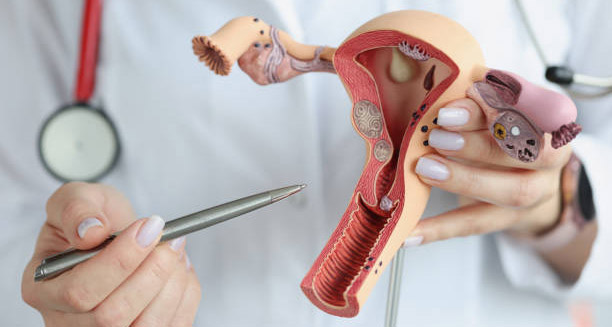
Doctor holding a female reproductive system model while pointing out ways to prevent heavy menstrual bleeding

Prevention of Heavy Periods

Prevention of Heavy Periods The prevention of heavy periods is a complex topic, as it often depends on the specific underlying cause of the condition. While not all cases can be entirely prevented. Particularly those driven by structural abnormalities or inherited conditions. There are many proactive steps individuals can take to reduce the risk or lessen the severity of heavy periods. Understanding personal risk factors, maintaining hormone balance. Furthermore, seeking early treatment for gynaecological concerns is an essential component of an effective prevention strategy. For many individuals, the first step in the prevention of heavy periods is identifying and managing hormonal imbalances. Fluctuations in oestrogen and progesterone are responsible for regulating the menstrual cycle. When this balance is disrupted, the uterine lining may become excessively thick, leading to heavier and prolonged menstrual bleeding. To help regulate hormones naturally, maintaining a healthy weight through regular physical activity and a balanced diet is crucial. Excess body fat can contribute to oestrogen dominance. While low body weight and extreme exercise may suppress ovulation, leading to irregular or heavier bleeding. Stress management is another important aspect. Chronic stress affects the hypothalamic-pituitary-ovarian axis, potentially disrupting menstrual regularity and hormone production. Engaging in regular stress-reducing activities. Such as yoga, mindfulness, journaling, or adequate sleep—can help promote more consistent and balanced menstrual cycles. Tracking menstrual patterns using a diary or app is a simple yet powerful tool in prevention. By monitoring flow volume, duration, clotting, and symptoms such as fatigue or pain. Individuals can detect early warning signs and seek care before symptoms worsen. Tracking can also highlight patterns related to lifestyle changes, travel, stress, or diet, offering insight into possible triggers of heavy bleeding. Non-hormonal medications Preventative use of non-hormonal medications during menstruation can help manage flow, particularly in individuals prone to occasional heavy bleeding. For example, taking tranexamic acid or NSAIDs at the onset of menstruation can reduce blood loss and alleviate pain. While these should be used under medical supervision. They are often well tolerated and effective for those who don’t need daily hormonal treatment. For individuals with predictable heavy cycles, clinicians may recommend hormonal contraceptives as a preventive strategy. These include: Combined oral contraceptive pills, which regulate menstrual cycles and reduce the thickness of the endometrium. Progestogen-only pills, which suppress ovulation and lighten periods. Hormonal IUDs (e.g., Mirena), which reduce or eliminate bleeding in many users by thinning the uterine lining. These methods not only help manage menstrual flow but also reduce the risk of anaemia and menstrual-related anxiety. They are particularly useful for individuals who do not wish to become pregnant in the near future and are looking for both contraceptive and therapeutic benefits. Where fibroids or polyps are known or suspected, early intervention is key to preventing escalation of symptoms. Regular gynaecological check-ups and ultrasounds can help detect such growths before they reach a size or location that causes significant bleeding. If small fibroids or polyps are identified, minimally invasive procedures. Such as hysteroscopic resection or uterine artery embolisation—can often prevent the development of menorrhagia and avoid more invasive surgery later on. Chronic Medical Conditions Managing chronic medical conditions such as thyroid disorders, diabetes, or bleeding disorders is also important in the prevention of heavy periods. When these conditions are under control, the hormonal and vascular systems function more predictably. Reducing the likelihood of abnormal menstrual bleeding. For individuals with inherited bleeding disorders like von Willebrand disease. Working closely with a haematologist and using clot-stabilising medications can significantly limit menstrual blood loss. Diet plays a supporting role as well. Eating iron-rich foods—such as spinach, lentils, red meat, pumpkin seeds, and fortified cereals—helps maintain iron stores and reduce the risk of anaemia from menstrual blood loss. Pairing iron-rich foods with sources of vitamin C (e.g., oranges, bell peppers, tomatoes) improves absorption. Avoiding excessive caffeine and alcohol, which can worsen inflammation and affect hormone levels, may also help in managing cycle consistency and flow. In adolescents, early education about normal menstrual health can play a key role in prevention. When young people are taught how to identify excessive bleeding, when to seek help, and how to track their cycles, they are more likely to address issues early—before they lead to complications like iron deficiency or school absenteeism. Schools and healthcare providers should promote open conversations around menstrual health to reduce stigma and encourage timely care. Approaching Perimenopause For those approaching perimenopause, understanding the changes in hormonal rhythm during this stage of life is critical. While heavy or irregular bleeding can be part of the natural transition, it is still important to monitor for underlying pathology. Using hormonal support—such as low-dose contraceptives or progesterone therapy—during this period may help smooth out fluctuations and prevent excessively heavy cycles. Lifestyle changes also extend to avoiding known triggers. For some individuals, certain activities—such as long-haul travel, extreme endurance training, or restrictive dieting—can lead to menstrual irregularity or aggravate bleeding. Identifying these factors and adjusting routines when possible can make a significant difference in the predictability and manageability of periods. Minimising unnecessary surgical interventions is another long-term strategy. By managing conditions like fibroids or endometriosis early, and avoiding repeated procedures that may cause uterine trauma, the risk of long-term menstrual irregularities can be reduced. For example, preserving uterine health through conservative treatment may avoid scarring that can contribute to dysfunctional bleeding later in life. In individuals using copper IUDs, monitoring for changes in menstrual flow is vital. If periods become significantly heavier and the IUD is confirmed to be the cause, switching to a hormonal IUD or another contraceptive method can help prevent worsening symptoms. Regular reviews with a gynaecologist ensure that contraceptive choices align with the individual’s health needs and symptom profile. Prevention of Heavy Periods In summary, the prevention of heavy periods involves a proactive and multifaceted approach that includes lifestyle modifications, hormonal balance, medical management of chronic conditions, and regular monitoring. While not every cause of heavy periods can be eliminated, many can be anticipated, minimised, or treated early. Empowering individuals with education, tools

Prevention of Heavy Periods Read More »

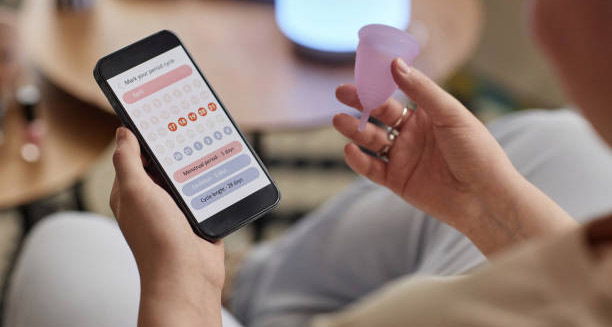
Person using a menstrual tracking app while holding a menstrual cup

Outlook for Heavy Periods

Outlook for Heavy Periods The outlook for heavy periods is generally positive, particularly when the condition is identified early and managed with appropriate treatment. Although the experience of heavy menstrual bleeding can be physically draining and emotionally taxing. Most individuals respond well to medical or surgical intervention, and many go on to lead full, active lives without ongoing disruption. With modern treatment options and increased awareness. The outlook for heavy periods continues to improve for people of all ages and backgrounds. In cases where the cause is functional—such as hormonal imbalance during adolescence or perimenopause—the outlook is especially good. These hormonal fluctuations often settle with time or respond well to low-dose hormonal therapy. Many individuals experience natural regulation of their menstrual cycle as their bodies adjust. Particularly when combined with lifestyle measures such as stress management, exercise, and maintaining a healthy weight. For those with treatable structural causes, such as fibroids or polyps, outcomes are also encouraging. Minimally invasive procedures—like hysteroscopic resection or endometrial ablation. Can offer long-term relief from symptoms, often without affecting fertility or daily function. When surgery is necessary, advances in laparoscopic and robotic techniques mean quicker recovery times, fewer complications, and better patient satisfaction. For people whose fibroids recur or grow. Follow-up care ensures that the situation can be monitored and addressed before symptoms become severe. Individuals who choose hormonal treatments, such as oral contraceptives or intrauterine devices (IUDs). Typically, see a significant reduction in menstrual blood loss within a few cycles. Many find that their overall menstrual health improves, with lighter, shorter periods and fewer cramps. For those who also require contraception, these treatments provide dual benefits, further improving quality of life. Compliance and side effect management are key to long-term success. Furthermore, most people adapt well and continue on their chosen therapy for years. Outlook for Heavy Periods Even in more challenging cases—such as heavy periods caused by chronic conditions like endometriosis or bleeding disorders. The outlook is often manageable with specialist care. Multidisciplinary teams that include gynaecologists, haematologists, nutritionists, and mental health professionals can offer holistic treatment plans tailored to the individual. Though some cases may require ongoing management, flare-ups and complications can be greatly reduced with consistent care and early intervention. Another area of optimism lies in the increasing normalisation and visibility of menstrual health issues. As public awareness grows, more individuals feel empowered to seek help sooner. Education campaigns, online resources, and open discussion in schools, workplaces, and healthcare settings have all contributed to a more supportive environment for those experiencing heavy periods. This cultural shift not only leads to earlier diagnoses but also helps reduce the shame, stigma, and silence that once kept so many from accessing care. One of the main factors that leads to a good outcome for heavy periods is managing iron levels well. When people restore their iron through supplements or food, symptoms like tiredness, dizziness, and shortness of breath usually get better. In addition, bringing iron back helps improve mood, energy, and clear thinking. For those who have dealt with symptoms for years without knowing they were caused by blood loss, this recovery can truly change their lives. Of course, individual experiences vary, and not every case is resolved quickly or without complication. Some people may try several treatments before finding one that suits them best. Others may require long-term monitoring or revisit treatment plans after life events like pregnancy or menopause. Nevertheless, the overwhelming trend is toward improved outcomes, especially with patient-centred care that respects personal preferences and health goals. Outlook for Heavy Periods In the context of fertility, many individuals worry that heavy periods might affect their ability to conceive or carry a pregnancy. In most cases, this concern can be addressed with proper investigation and management. Treating underlying conditions such as fibroids, endometrial abnormalities, or hormone imbalances not only reduces bleeding but also improves the likelihood of successful conception. For those pursuing assisted reproductive technologies, controlling heavy bleeding and stabilising cycles are important preparatory steps. In older adults approaching menopause, heavy periods may become increasingly irregular before eventually ceasing. While this transition can be disruptive, the end of menstruation often brings relief to those who have dealt with long-term menorrhagia. During this time, clinicians remain vigilant about ruling out more serious causes, such as endometrial hyperplasia or malignancy, but once those are excluded, treatment usually shifts to symptom relief and hormone support. Economically, the outlook improves too, as effective treatment reduces the need for frequent sanitary product use, sick leave, and costly emergency visits. For some individuals, especially those who previously struggled with work attendance or social participation due to their periods, successful management results in better career progression, improved relationships, and renewed confidence. It’s also important to highlight the growing number of digital health tools and wearable technology that can support menstrual health. From smart period trackers to apps that sync with wearable devices and notify users of cyclical changes, individuals now have greater insight into their own patterns. These tools can guide discussions with healthcare providers, improve adherence to treatment, and enhance personal agency over one’s reproductive health. Outlook for Heavy Periods In summary, the outlook for heavy periods is increasingly optimistic. With personalised treatment options, improved medical technology, and growing awareness, most individuals can achieve effective control over their symptoms. Whether the cause is hormonal, structural, or idiopathic, modern medicine offers solutions that are less invasive, more effective, and better suited to each person’s goals and lifestyle. The key lies in recognising the symptoms early, seeking appropriate care, and engaging in a collaborative treatment journey with healthcare providers. [Next: Back to Overview →]

Outlook for Heavy Periods Read More »

Worker receiving first aid after collapsing from heatstroke on site

Heatstroke

Heatstroke Heatstroke is the most severe form of heat-related illness and is considered a medical emergency that requires immediate treatment. It occurs when the body’s core temperature rises to 40°C (104°F) or higher, and its natural cooling systems fail. Heatstroke can cause widespread organ damage, neurological dysfunction, and even death if not treated rapidly. Unlike heat exhaustion, where the body still sweats in an effort to cool itself, heatstroke typically presents with hot, dry skin due to the collapse of thermoregulatory mechanisms. Recognising and acting swiftly on the signs of heatstroke can mean the difference between recovery and fatality. At the centre of the condition is thermoregulatory failure. Under normal circumstances, the body maintains a stable internal temperature through sweating and vasodilation—where blood vessels expand to release heat through the skin. When exposed to extremely high temperatures or when physical exertion overwhelms the body’s ability to cool itself, this system begins to break down. As a result, the body’s core temperature continues to rise uncontrollably, damaging tissues, enzymes, and organ systems along the way. Once the brain’s temperature-regulating centres are impaired, core temperature can climb even higher, accelerating the crisis. Exertional and Non-exertional There are two primary types of heatstroke: exertional and non-exertional (classic). Exertional heatstroke usually affects healthy individuals—such as athletes, military personnel, or labourers—who engage in intense physical activity in hot environments. It can develop rapidly, sometimes within an hour, particularly if the person is dehydrated or not acclimatised to the heat. Non-exertional heatstroke, on the other hand, typically affects older adults, infants, and people with chronic illnesses during heatwaves or in poorly ventilated environments. It develops more slowly, often over several days, but can be just as deadly. Risk factors for heatstroke include high humidity, dehydration, wearing heavy or restrictive clothing, certain medications (such as diuretics, antihistamines, or beta-blockers), and underlying health conditions like cardiovascular disease, diabetes, or obesity. Age is another critical factor: both the very young and the elderly are less capable of thermoregulation and are more prone to rapid overheating. Heatstroke The pathophysiology of heatstroke involves a dangerous cycle of rising body temperature, systemic inflammation, and cellular injury. As core temperature increases, proteins begin to denature, cellular membranes break down, and enzymes cease to function properly. This triggers a systemic inflammatory response similar to sepsis, with the release of cytokines, clotting factors, and other chemicals that further damage the vascular and immune systems. Organs such as the brain, liver, kidneys, and heart are particularly vulnerable. The brain is often the first to be affected. As internal temperature climbs, cerebral oedema (swelling), blood-brain barrier disruption, and oxidative stress lead to confusion, disorientation, seizures, or coma. Neurological symptoms are not only an early marker of heatstroke but also a major determinant of prognosis. In severe cases, survivors may experience lasting cognitive or motor deficits, making prevention and immediate treatment essential. Medical Emergency Importantly, heatstroke is a medical emergency that must never be managed passively or with home remedies. The speed at which temperature rises and causes damage means that every minute counts. Without rapid cooling, mortality rates are high, ranging from 10% to over 50% depending on the delay in intervention and the presence of organ failure. The goal is to lower the core temperature to below 38.9°C (102°F) as quickly as possible using aggressive, targeted methods. Understanding the distinct clinical features and causes of heatstroke is the first step in preventing this highly dangerous condition. Awareness is particularly important in a world where climate change is increasing the frequency and intensity of heatwaves across many regions. In summary, heatstroke is a life-threatening failure of the body’s ability to regulate its temperature. It can occur suddenly and without warning, especially during high-heat exposure or exertion. Recognising the early symptoms and initiating emergency treatment immediately are critical to preventing death or long-term disability. With early intervention, recovery is possible—but delays can be catastrophic. [Next: Causes of Heatstroke →]

Heatstroke Read More »

Woman wiping her forehead under intense sun, showing signs of overheating

Causes of Heatstroke

Causes of Heatstroke The causes of heatstroke revolve around prolonged exposure to high temperatures or excessive physical exertion that overwhelms the body’s thermoregulation system. When the body is unable to cool itself adequately. Either due to environmental heat, humidity, dehydration, or underlying health factors—core temperature rises to dangerous levels. The resulting failure of the cooling mechanisms leads to heatstroke. A medical emergency with the potential to cause widespread organ failure and death. Understanding the causes of heatstroke is essential for both prevention and early intervention. Particularly in a world where climate extremes are becoming more common. There are two primary pathways to heatstroke: exertional and non-exertional (classic). Though the end result is the same—an unchecked rise in core body temperature. The underlying causes differ slightly between the two. Exertional heatstroke typically affects healthy, active individuals such as athletes, manual labourers, or military personnel. It occurs when intense physical activity in a hot or humid environment generates more heat than the body can dissipate. The muscles produce enormous amounts of metabolic heat during vigorous exercise. Furthermore, if the conditions inhibit effective cooling. Such as high ambient temperature, poor ventilation, or dehydration—the result can be a rapid escalation to heatstroke. This form is especially common in younger people during sporting events, endurance competitions, or outdoor training sessions. On the other hand, non-exertional (classic) heatstroke tends to affect vulnerable populations: the elderly, infants, people with chronic illnesses, or those with limited mobility. This form develops more gradually, often during prolonged heatwaves or exposure to warm indoor environments without adequate air conditioning or airflow. Elderly individuals are particularly susceptible due to reduced cardiovascular efficiency, lower sweat gland activity, and impaired thirst mechanisms. Medications commonly used by older adults, such as diuretics. Antihypertensives, and anticholinergics, also play a significant role in reducing the body’s ability to respond to heat stress. Causes of Heatstroke A major contributing factor in both forms is dehydration. When the body becomes dehydrated—whether from inadequate fluid intake, excessive sweating, or illness—it loses its ability to produce sweat, which is critical for evaporative cooling. Without sweat, core temperature rises more rapidly, and the risk of heatstroke increases substantially. In addition to water, the body also loses essential electrolytes through sweat, which can exacerbate cardiovascular strain and neurological symptoms. High humidity is another critical factor. In dry heat, sweat can evaporate effectively from the skin’s surface, which aids cooling. However, when the humidity is high, the air is already saturated with moisture, and sweat cannot evaporate as efficiently. This traps heat in the body and makes it much harder to cool down, particularly during physical activity. Even at relatively moderate temperatures, high humidity can increase the risk of heatstroke by disrupting normal heat loss processes. Environmental heat exposure, such as during heatwaves or in poorly ventilated indoor environments, is a major cause of classic heatstroke. People living in densely populated urban areas are at greater risk due to the “urban heat island” effect, where buildings and paved surfaces absorb and radiate heat, creating significantly higher local temperatures. Homes and buildings without air conditioning become dangerous during extended periods of high heat, especially when night-time temperatures remain elevated and prevent the body from recovering overnight. Clothing choices can contribute significantly to heatstroke risk. Wearing heavy, dark-coloured, or non-breathable clothing prevents heat from escaping and can trap sweat against the skin, raising body temperature. This is particularly dangerous in occupational settings where protective gear is required—such as in construction, mining, firefighting, or military operations—where individuals may be unable to remove layers even when overheated. Causes of Heatstroke Certain medical conditions increase susceptibility to heatstroke. People with cardiovascular disease, diabetes, respiratory disorders, or neurological conditions may have compromised heat regulation. For example, individuals with Parkinson’s disease may experience impaired autonomic function, including reduced sweating. Likewise, obesity affects the body’s ability to dissipate heat and increases the cardiovascular strain during exertion, making obese individuals more vulnerable to overheating. Medications are another significant contributor. Common drug classes that increase the risk of heatstroke include: Diuretics, which promote fluid loss and increase the risk of dehydration. Anticholinergics, which reduce sweating and alter heat perception. Beta-blockers and calcium channel blockers, which impair cardiovascular responses to heat stress. Stimulants, including some used for ADHD or weight loss, which increase metabolic heat production. Sedatives or tranquillisers, which may impair awareness of heat or reduce responsiveness. Alcohol & Drugs Additionally, Alcohol and drug use can impair judgement and reduce the body’s ability to regulate temperature. Alcohol is a diuretic and increases fluid loss, while also dulling the awareness of thirst and environmental discomfort. Recreational drugs like MDMA (ecstasy), amphetamines, or cocaine significantly raise body temperature and have been linked to fatal cases of exertional heatstroke in party or festival settings. Limited access to water or rest also plays a critical role. People working long hours in hot environments—such as agricultural workers, factory employees, or delivery personnel—may not have the opportunity to drink fluids regularly or take cooling breaks. Cultural practices, financial constraints, or lack of awareness may prevent adequate rest or hydration, especially in low-resource settings. Children and infants are at higher risk due to their smaller body mass, underdeveloped temperature regulation, and inability to seek shade, remove clothing, or access fluids on their own. Leaving a child in a parked car, even for a few minutes, can result in lethal temperature rises. In many regions, paediatric vehicular heatstroke is a tragically common cause of preventable death. In rare cases, genetic or metabolic disorders can predispose individuals to heat intolerance. For example, people with malignant hyperthermia or certain mitochondrial diseases may not respond appropriately to heat stress and can develop hyperthermia more rapidly than others. Causes of Heatstroke In summary, the causes of heatstroke include a complex mix of environmental exposure, physical activity, hydration status, medical conditions, medications, and personal vulnerability. While anyone can develop heatstroke under the right circumstances, those who are unacclimatised, dehydrated, or unable to cool themselves effectively are at greatest risk. Awareness of these contributing factors is the

Causes of Heatstroke Read More »

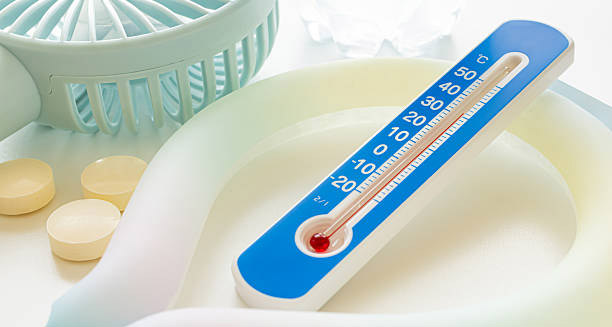
Thermometer reading high temperature beside medical cooling supplies

Diagnosis of Heatstroke

Diagnosis of Heatstroke The diagnosis of heatstroke must be rapid, accurate, and decisive. As this condition represents a true medical emergency with high risks of mortality and irreversible organ damage. Recognising the signs of heatstroke—especially in the context of recent heat exposure or exertion—is vital for clinicians, first responders, and caregivers alike. Since delays in treatment can result in permanent neurological injury or death. The diagnosis of heatstroke is often made clinically based on presenting features and situational context, with confirmatory tests performed alongside immediate management efforts. Heatstroke means the body’s core temperature reaches 40°C (104°F) or higher. Along with problems in the brain like confusion, restlessness, slurred speech, seizures, or even coma. When both high body heat and brain problems happen after being in a hot place or doing hard work in the heat. Doctors can assume it is heatstroke. Importantly, treatment should start right away and not wait for long tests to confirm the diagnosis. The diagnostic process starts by taking a detailed history if the patient is awake or if witnesses are around. For example, important questions ask about recent exercise. How long and how strong the heat exposure was, how well the person stayed hydrated, and if they had shade. Also, it’s key to find out if they felt dizzy, tired, had a headache, or were confused before collapsing. In addition, doctors must check what medicines the person takes, if they drink alcohol, and any health problems, because these can affect how the body handles heat and controls temperature. Diagnosis of Heatstroke A physical examination provides essential clues. Patients with heatstroke may appear flushed, have dry or hot skin (particularly in classic heatstroke), or still be sweating heavily in the case of exertional heatstroke. Tachycardia (rapid heart rate), hypotension (low blood pressure), tachypnoea (rapid breathing), and signs of dehydration (dry mucous membranes, poor skin turgor) are common. The neurological status is paramount—altered consciousness, delirium, seizures, or a Glasgow Coma Scale (GCS) score below normal may indicate advanced heat-related brain injury. A crucial step in the diagnosis of heatstroke is obtaining an accurate core body temperature. This is best done using a rectal thermometer, as oral, axillary (underarm), tympanic (ear), or forehead methods may give falsely low readings due to sweating or environmental cooling. Rectal temperatures provide the most reliable measure of the true internal heat burden. A reading of 40°C or higher in a symptomatic individual confirms the clinical suspicion and necessitates immediate cooling intervention. Alongside clinical observations, laboratory investigations help assess the extent of physiological disruption and guide supportive management. These tests include: Complete blood count (CBC): May reveal elevated white blood cells due to stress or inflammation. Serum electrolytes: Sodium, potassium, calcium, and magnesium levels are often disturbed. Hyponatraemia (low sodium) and hyperkalaemia (high potassium) can be life-threatening. Renal Function Tests Renal function tests: Elevated urea and creatinine levels suggest dehydration or acute kidney injury. Liver function tests: Heatstroke can cause hepatic stress or failure, particularly with delayed treatment. Creatine kinase (CK): Elevated in cases of rhabdomyolysis—muscle breakdown that can damage the kidneys. Coagulation profile (PT, aPTT, INR): Disseminated intravascular coagulation (DIC) is a known complication of severe heatstroke. Arterial blood gas (ABG): Often shows metabolic acidosis, hypoxaemia, or respiratory compensation. Glucose levels: May be low due to altered metabolism or seizures, particularly in children. Urinalysis is also informative, with findings such as dark or tea-coloured urine pointing toward rhabdomyolysis. Myoglobin in the urine may indicate muscle damage that can progress to acute renal failure. Diagnosis of Heatstroke Electrocardiography (ECG) helps check for irregular heartbeats, heart strain, or mineral imbalances. For example, a fast heartbeat called sinus tachycardia happens often. However, more serious rhythms like ventricular tachycardia or fibrillation can also occur, especially if potassium levels are high. Doctors usually don’t do brain scans like CT or MRI right away unless they suspect a head injury, stroke, or other serious brain problems. However, once the patient is stable, doctors might order these scans if the person’s brain function is not improving or is getting worse. In differentiating heatstroke from other conditions, several possibilities must be considered: Sepsis or severe infection can mimic heatstroke with fever, confusion, and circulatory collapse. However, sepsis usually has an infectious source and normal thermoregulatory response. Neuroleptic malignant syndrome (NMS) and serotonin syndrome present with hyperthermia and altered mental status but are usually drug-induced. Malignant hyperthermia—a rare genetic reaction to certain anaesthetics—also causes extreme hyperthermia and requires specific intervention. Hypoglycaemia Hypoglycaemia, stroke, meningitis, and intoxication must also be ruled out, especially in patients without a clear heat exposure history. Because a delayed diagnosis can cause serious harm, medical teams must start treatment immediately as soon as they suspect heatstroke, even while they run tests. For example, they should prioritize quick cooling methods right away—like ice water baths, spraying cool water with fans, or placing ice packs on large arteries—before waiting for test results. In some cases, particularly with exertional heatstroke, the window for intervention is very narrow. Core temperatures can climb by 0.3°C per minute during intense exertion. Cooling within the first 30 minutes significantly improves survival and neurological outcomes, underscoring the need for field diagnosis and action in sporting, military, or industrial settings. In conclusion, the diagnosis of heatstroke is primarily clinical, supported by temperature measurement and laboratory findings. Swift identification based on context and symptoms enables life-saving treatment. In all cases, the focus must be on lowering body temperature and managing complications—not on exhaustive testing before intervention. When recognised and managed quickly, survival rates improve dramatically; when missed or delayed, heatstroke is often fatal. [Next: Symptoms of Heatstroke →]

Diagnosis of Heatstroke Read More »

Elderly woman with heat exhaustion receiving help outdoors

Symptoms of Heatstroke

Symptoms of Heatstroke The symptoms of heatstroke are often sudden, severe, and unmistakable. They result from the body’s failure to regulate its internal temperature after prolonged heat exposure or intense physical exertion. When the core temperature exceeds 40°C (104°F), the body’s cooling systems collapse, and organs—especially the brain, heart, and kidneys—begin to suffer damage. Recognising the symptoms of heatstroke is critical, as delays in treatment can quickly lead to permanent disability or death. Rapid identification and intervention are the only effective ways to reverse this medical emergency. A hallmark symptom of heatstroke is a very high core body temperature, typically above 40°C. This hyperthermia is the defining feature of heatstroke and causes widespread cellular damage. It often develops rapidly in exertional heatstroke (such as in athletes or labourers), or more gradually during sustained environmental exposure in vulnerable individuals. While fever is common in many conditions, the extreme temperature seen in heatstroke—alongside the context of heat exposure—is uniquely dangerous. One of the most dangerous and urgent symptoms is altered mental status. As internal temperature rises, the brain becomes increasingly affected. Early signs may include confusion, disorientation, agitation, or bizarre behaviour. Patients may appear restless, hallucinate, or have difficulty responding to questions. As the condition worsens, more severe symptoms such as seizures, loss of consciousness, or coma may develop. These neurological symptoms indicate that the central nervous system is being compromised and require immediate medical attention. Symptoms of Heatstroke Another distinguishing feature is hot, dry skin, particularly in classic (non-exertional) heatstroke. The skin may feel flushed, red, and dry to the touch due to the cessation of sweating—one of the body’s main mechanisms for cooling. In contrast, patients with exertional heatstroke may still be sweating profusely, which can cause confusion during diagnosis. Regardless of skin moisture, a persistently high temperature combined with central nervous system dysfunction is always a red flag. Rapid heart rate (tachycardia) is a common response to heat stress as the cardiovascular system attempts to cool the body and deliver oxygen to overheated tissues. The pulse may be weak or bounding, depending on hydration status and circulatory strain. This can be accompanied by low blood pressure (hypotension), particularly in patients who are dehydrated, further compromising blood flow to vital organs. Breathing becomes fast and shallow—a condition known as tachypnoea. This may result from both fever-induced metabolic acidosis and respiratory compensation as the body tries to expel heat and manage rising carbon dioxide levels. In some cases, laboured breathing may indicate developing pulmonary complications or even coexisting respiratory illness. Nausea and vomiting are frequent symptoms of heatstroke and can worsen dehydration. The gastrointestinal system becomes stressed during heat illness due to reduced blood flow, which impairs digestion and absorption. Abdominal cramps or discomfort may accompany these symptoms, particularly if the patient has also experienced muscle breakdown (rhabdomyolysis), which can affect electrolyte levels and gut function. Headache Headache is a common early symptom and can range from mild to severe. It often accompanies dizziness or a feeling of pressure in the skull, reflecting the overall strain on the central nervous system. If not addressed early, a simple headache can quickly evolve into full-blown confusion or collapse. In many cases, muscle cramps, weakness, or stiffness are present. These symptoms arise from electrolyte imbalance—particularly involving sodium and potassium—caused by sweating and dehydration. More alarmingly, in exertional heatstroke, muscle breakdown leads to rhabdomyolysis, where damaged muscle tissue releases myoglobin into the bloodstream. This can result in dark-coloured urine, kidney damage, and generalised muscle pain. Skin colour and appearance may vary depending on the type of heatstroke. In classic cases, the skin may appear red and dry. In exertional cases, it may be pale or mottled and damp with sweat. A bluish tint (cyanosis) in lips or fingertips may indicate oxygen deprivation and requires immediate resuscitative care. Urinary changes are also common. Patients may stop urinating altogether (oliguria or anuria), or their urine may be dark and concentrated due to dehydration. In cases involving muscle breakdown, the urine may become tea-coloured due to the presence of myoglobin, which can damage the kidneys if not treated promptly. Symptoms of Heatstroke Behavioural changes may appear before other physical symptoms. Patients may become withdrawn, unusually quiet, overly irritable, or show signs of poor judgement. These subtle changes are often the first indication that something is wrong, particularly in children or older adults who may not complain of typical symptoms like headache or nausea. In children, symptoms of heatstroke may manifest differently and include listlessness, inconsolable crying, refusal to drink, and seizures. Infants may have a sunken fontanelle (soft spot on the head), dry mouth, or fewer wet nappies. Because children have a higher surface-area-to-body-mass ratio and immature temperature regulation systems, they are more prone to rapid overheating and deterioration. In older adults, symptoms may be more subtle and progress more slowly. They may simply appear confused, unusually tired, or unsteady on their feet. Because older individuals often have diminished thirst sensation and lower cardiac reserve, they may decompensate quickly without exhibiting dramatic symptoms. This makes vigilance in hot weather critically important for caregivers and healthcare providers. In some cases, multi-organ failure begins before diagnosis is even made. Symptoms such as persistent hypotension, reduced urine output, altered clotting times, or elevated liver enzymes may indicate that the heart, kidneys, liver, or brain are already under severe stress. Without immediate cooling and intensive care, the likelihood of long-term damage or death increases sharply. In summary, the symptoms of heatstroke range from high core body temperature, confusion, and dry skin to seizures, unconsciousness, and cardiovascular collapse. Recognising these symptoms—especially in individuals recently exposed to high temperatures or prolonged exertion—is the first and most important step in saving lives. Every minute counts, and early intervention dramatically improves outcomes. [Next: Treatment of Heatstroke →]

Symptoms of Heatstroke Read More »

Construction worker helping colleague with heatstroke by giving water

Treatment of Heatstroke

Treatment of Heatstroke The treatment of heatstroke is a medical emergency requiring immediate and aggressive intervention to lower the core body temperature and prevent permanent organ damage or death. As soon as heatstroke is suspected—defined by a core temperature of 40°C or higher and signs of central nervous system dysfunction—emergency measures must begin without delay. The key goals in the treatment of heatstroke are rapid cooling, stabilisation of vital functions, and the management of complications affecting the brain, kidneys, heart, liver, and coagulation systems. Time is of the essence. Every minute that passes without reducing body temperature increases the risk of irreversible damage. Studies have shown that initiating cooling within the first 30 minutes of symptom onset can dramatically reduce the likelihood of mortality and long-term disability. Therefore, diagnosis and treatment often occur simultaneously, especially in field settings or during transport to hospital. The most effective and immediate strategy is rapid cooling, ideally through cold water immersion. This involves submerging the individual in a bath of cold or ice water (1.7°C–15°C), which can reduce core body temperature by up to 0.2°C per minute. This method is particularly effective in exertional heatstroke, such as among athletes or military personnel. While it can be logistically difficult in all settings, cold water immersion remains the gold standard. If immersion is not possible, then people use evaporative cooling methods instead. For example, they spray cool water on the body and fan the person to help the water evaporate and take heat away. Also, placing ice packs on important areas like the neck, groin, armpits, and behind the knees helps pull heat from the body’s vital parts. Additionally, fans, air conditioning, and cold, wet towels all support cooling when immersion isn’t an option. Treatment of Heatstroke Removing clothing is very important to help the body lose heat. Therefore, take off any tight, heavy, or warm clothes so the skin can cool down as much as possible. Also, if the person is awake and able, encourage them to lie down flat in a cool, shaded, and breezy place while you keep cooling them actively. For non-exertional (classic) heatstroke, which often affects elderly or chronically ill individuals during heatwaves, cooling may need to be more gradual to avoid triggering cardiovascular complications. Nonetheless, core temperature must still be brought below 38.9°C (102°F) as quickly as possible, using methods appropriate to the patient’s age and condition. Airway, breathing, and circulation (ABCs) need to be checked all the time. If the person is unconscious or having seizures, their airway might get blocked. Therefore, emergency responders should give oxygen and be ready to insert a breathing tube if needed. Seizures might need medicine called benzodiazepines, and it is important to quickly fix any imbalances in the body’s minerals to stop heart problems. Intravenous Fluid Resuscitation Intravenous (IV) fluids play a key role in treatment. Most people with heatstroke lose a lot of water, so giving IV fluids helps bring back their blood volume, keep their blood pressure steady, and control their body temperature. Usually, doctors start with isotonic saline for this. However, it’s important to watch fluid levels closely, especially if the person shows signs of kidney problems or fluid buildup in the lungs. Electrolyte imbalances are common and must be corrected based on laboratory results. Hyperkalaemia (high potassium) can lead to life-threatening arrhythmias, while hyponatraemia (low sodium) can exacerbate cerebral oedema and neurological symptoms. Blood glucose should also be checked and managed as needed, especially in diabetic patients or children. Monitoring for complications is very important throughout treatment. For example, muscle breakdown, called rhabdomyolysis, often happens in heatstroke caused by exercise and can damage the kidneys quickly. Therefore, caregivers should watch urine output closely. Dark, cola-coloured urine is a warning sign of muscle toxins in the urine. In serious cases, doctors may need to use dialysis to help the kidneys work. Treatment of Heatstroke Liver function should be checked often. In heatstroke, liver enzymes usually go up, and in the worst cases, sudden liver failure can happen. Also, doctors need to watch blood clotting because heatstroke can cause a serious clotting problem called disseminated intravascular coagulation (DIC). Early signs include bleeding that lasts longer than usual, bruises, and unusual results on clotting tests. Neurological checks should happen constantly during treatment. Caregivers need to watch and note the patient’s alertness, how they respond to touch or sound, and any seizures. Although cooling helps, it might not fix brain damage if treatment starts late. However, acting quickly often helps healthy people fully recover. In children, the same rules apply, but caregivers must cool them carefully to prevent shivering or shock. For example, sponge baths, cool misting, and cold packs often work better than full immersion, especially for smaller kids. Also, because children lose water quickly, they should get IV fluids right away if they cannot drink. Antipyretic Medications Antipyretic medications, such as paracetamol or ibuprofen, are ineffective and should not be used in heatstroke. These drugs work by altering the body’s hypothalamic temperature set point in fever—not by treating hyperthermia from external heat overload. Their use may delay proper treatment and give a false sense of improvement. Once stabilised, patients are typically admitted to an intensive care unit (ICU) for further observation and management. Long-term effects such as cognitive impairment, kidney damage, or liver dysfunction may not be immediately apparent and require ongoing assessment. Follow-up care includes imaging, neurological evaluation, and in some cases, physiotherapy or rehabilitation for functional deficits. Patient education and community outreach are also integral to the treatment of heatstroke—especially in individuals at high risk of recurrence. People who have experienced heatstroke once are more likely to develop it again, often with more severe consequences. Ongoing advice regarding hydration, heat avoidance, and early symptom recognition can prevent future episodes. Treatment of Heatstroke In summary, the treatment of heatstroke hinges on early recognition, rapid cooling, supportive care, and complication management. It is a time-critical emergency with potentially devastating consequences, but with swift and effective intervention, survival and full recovery

Treatment of Heatstroke Read More »

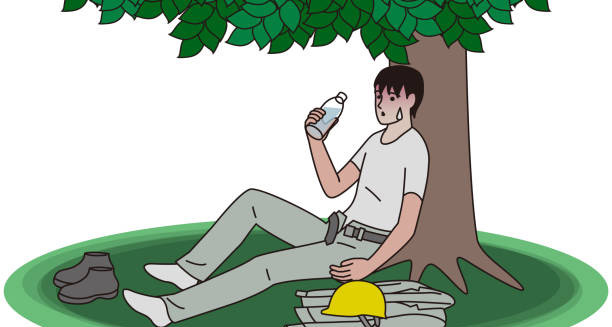
Illustration of overheated worker resting under tree with heat exhaustion

Complications of Heatstroke

Complications of Heatstroke The complications of heatstroke can be both immediate and long-term, often affecting multiple organs and systems within the body. While prompt treatment significantly reduces the risk of permanent damage, delays in recognition and intervention frequently result in catastrophic outcomes. The severity of heatstroke lies not only in the dangerously high body temperature but also in the profound systemic inflammation, circulatory collapse, and cellular injury it triggers. Many of the complications of heatstroke are life-threatening and demand urgent, intensive medical care. The most critical and often fatal complication is multi-organ failure. As core body temperature rises above 40°C (104°F), the body enters a state of hypermetabolism and inflammation. Proteins denature, cell membranes become unstable, and widespread oxidative stress develops. This results in a breakdown of normal organ function, particularly in the brain, heart, liver, kidneys, and lungs. Without immediate cooling and supportive care, these organs begin to fail, often simultaneously. The brain is especially vulnerable to heat. Cerebral oedema (swelling), ischaemia, and direct thermal injury to neurons can cause lasting neurological deficits. Even after core temperature is reduced, some individuals experience confusion, memory loss, difficulty concentrating, and impaired coordination for days or weeks. In severe cases, seizures, coma, and permanent cognitive impairment occur. Children and older adults are particularly at risk of long-term neurological damage due to the sensitivity of their developing or ageing brains. Complications of Heatstroke Another major consequence of heatstroke is acute kidney injury (AKI), often triggered by rhabdomyolysis. This condition occurs when muscle cells break down and release myoglobin into the bloodstream, which is toxic to the kidneys. The combination of dehydration, muscle breakdown, and reduced renal perfusion leads to impaired kidney function and, in some cases, the need for dialysis. Urine output may decrease sharply or stop entirely, and blood tests reveal rising creatinine and urea levels. If untreated, AKI can progress to chronic kidney disease or death. The cardiovascular system is also significantly impacted. High temperatures and dehydration place enormous strain on the heart. Tachycardia (rapid heart rate), hypotension (low blood pressure), and decreased cardiac output reduce oxygen delivery to vital organs. In individuals with pre-existing heart conditions, this stress can precipitate arrhythmias, myocardial infarction, or heart failure. In some cases, even young, healthy individuals can experience cardiac arrest due to electrolyte disturbances and poor perfusion during heatstroke. Liver failure is another serious complication, particularly in prolonged or severe cases. The liver is highly sensitive to oxygen deprivation and heat stress. Elevated liver enzymes (ALT, AST), coagulopathy (impaired clotting), and jaundice may develop. In the worst cases, fulminant hepatic failure ensues, requiring liver transplant or resulting in death. Liver dysfunction also contributes to the body’s inability to metabolise toxins, exacerbating the effects of other failing organs. The gastrointestinal system can suffer from ischaemia, leading to mucosal injury, bleeding, or even necrosis of bowel tissue. Nausea, vomiting, abdominal pain, and diarrhoea are common symptoms, but in severe cases, gastrointestinal haemorrhage or perforation can occur. These complications add further complexity to an already critical clinical picture and can worsen dehydration and electrolyte imbalance. Complications of Heatstroke One of the most feared complications is disseminated intravascular coagulation (DIC). This is a condition where widespread clotting occurs inside the blood vessels, followed by excessive bleeding due to the depletion of clotting factors. Heatstroke triggers the systemic inflammatory response that underpins DIC. Patients may exhibit bruising, bleeding from injection sites, haematuria (blood in the urine), or gastrointestinal bleeding. Blood tests typically reveal prolonged clotting times, low platelets, and elevated D-dimers. DIC significantly increases the risk of death and is notoriously difficult to manage. Pulmonary complications may include acute respiratory distress syndrome (ARDS), which results from fluid leakage into the lungs due to widespread inflammation and capillary damage. This impairs gas exchange and leads to severe hypoxaemia, often requiring mechanical ventilation. Fluid overload from aggressive rehydration can also exacerbate pulmonary oedema, especially in patients with weakened hearts or kidneys. In addition to organ failure, electrolyte imbalances are a common and dangerous complication. Hyperkalaemia (high potassium) may result from cell breakdown and can cause lethal arrhythmias. Hyponatraemia (low sodium), especially if caused by overhydration with hypotonic fluids or excessive sweating without salt replacement, can lead to cerebral oedema and seizures. Calcium and magnesium levels may also be disrupted, adding further instability to neuromuscular and cardiac function. Heatstroke also carries psychological consequences, particularly for survivors who experience prolonged hospitalisation or neurological injury. Anxiety, depression, post-traumatic stress, and reduced quality of life are not uncommon, especially among athletes or workers who fear a return to strenuous activity. In children, behavioural changes and developmental regression have been reported after severe heat illness. Complications of Heatstroke Long-term functional decline is another concern, especially in older adults. Even when patients survive, they may be left with decreased mobility, cognitive impairment, and reduced independence. These outcomes are often underappreciated but have a significant impact on families and caregivers. From a public health perspective, heatstroke outbreaks—particularly during extreme weather events—can overwhelm healthcare systems. Limited access to emergency cooling facilities, delayed ambulance responses, and shortages of critical care beds all compound the risks and may result in higher death rates, especially in resource-limited settings. In some survivors, heat intolerance may persist long after recovery. These individuals are more susceptible to future heat illness and may need to alter their lifestyle, work responsibilities, or athletic pursuits. Recurrent heatstroke episodes increase the risk of permanent damage and further reduce thermal tolerance. In summary, the complications of heatstroke are numerous, severe, and often interconnected. They include neurological damage, kidney and liver failure, cardiac events, coagulopathies, respiratory distress, and long-term psychological and physical impairment. Preventing heatstroke in the first place is crucial, but when it does occur, rapid recognition and treatment are the only ways to minimise the profound and sometimes irreversible effects on the human body. [Next: Prevention of Heatstroke →]

Complications of Heatstroke Read More »

Scroll to Top