Mental Matters

Heart Failure

Older man clutching his chest in pain, indicating possible symptoms of heart failure

Heart Failure

Heart Failure Heart failure is a chronic, progressive condition in which the heart muscle becomes weakened or stiff, losing its ability to pump blood efficiently throughout the body. This means that oxygen and nutrients cannot reach organs and tissues in adequate amounts. The consequences of heart failure can range from mild fatigue and reduced exercise tolerance to life-threatening complications and hospitalisation. It is a major global health concern and one of the leading causes of morbidity and mortality worldwide. Although often referred to as “congestive heart failure,” the term encompasses more than just fluid buildup. Heart failure can occur with reduced ejection fraction (HFrEF), where the heart’s pumping ability is diminished, or with preserved ejection fraction (HFpEF), where the heart pumps normally but is too stiff to fill properly. Both forms impair the circulation of blood and place strain on various organs, leading to a cascade of physiological effects. The condition typically develops over time as the heart becomes damaged by other underlying diseases. These may include coronary artery disease, long-standing hypertension, previous heart attacks, diabetes, valvular disorders, and certain infections or genetic conditions. As the heart struggles to compensate for its declining function. It undergoes structural changes such as enlargement (dilation), thickening (hypertrophy), and scarring, which further impair its performance. Heart Failure One of the hallmark features of heart failure is fluid retention. Because the heart is not pumping effectively, blood can back up into the lungs, abdomen, or legs. This causes symptoms like breathlessness, swelling (oedema), and weight gain. Patients often feel fatigued or weak, and may notice they need to sleep with extra pillows. Additionally, wake at night gasping for air due to fluid accumulation in the lungs (orthopnoea and paroxysmal nocturnal dyspnoea). Heart failure is often classified according to the New York Heart Association (NYHA) functional classification system: This system helps guide treatment and assess prognosis, although the condition can vary day-to-day depending on factors such as salt intake, medication adherence, and concurrent illnesses. Diagnosing heart failure typically involves a combination of patient history, physical examination, blood tests (e.g., BNP or NT-proBNP levels), ECG, echocardiogram, and sometimes imaging such as cardiac MRI or stress testing. Identifying the underlying cause is crucial, as treatment will often be tailored to address the root problem—whether it’s ischaemic, hypertensive, valvular, or idiopathic in origin. Management of heart failure requires a multidisciplinary approach. It includes lifestyle modifications (e.g., sodium restriction, fluid management, weight control), pharmacological therapy (including ACE inhibitors, beta-blockers, diuretics, and newer agents like SGLT2 inhibitors), and in some cases, device therapy (e.g., implantable defibrillators or biventricular pacemakers). In advanced cases, mechanical circulatory support or heart transplantation may be necessary. Heart Failure While it is a serious diagnosis, heart failure is not a death sentence. With the right care and monitoring, many individuals lead active and fulfilling lives. Patient education and engagement are essential, particularly when it comes to recognising symptom flare-ups and adhering to daily weight monitoring or medication schedules. Preventing heart failure involves controlling the underlying risk factors that damage the heart in the first place. Managing high blood pressure, avoiding smoking, staying physically active, treating diabetes, and adopting a heart-healthy diet can significantly lower the risk of developing the condition. For those already living with heart failure, close follow-up with a cardiologist, regular bloodwork, and participation in cardiac rehabilitation programmes improve both longevity and quality of life. As the global population ages and chronic diseases become more prevalent, the number of people living with heart failure is expected to rise dramatically. This highlights the importance of not only treating the condition but also investing in public health strategies to prevent it through early intervention and education. [Next: Causes of Heart Failure →]


Heart Failure Read More »

Woman holding her chest and gasping for air, showing early signs of heart failure

Causes of Heart Failure

Causes of Heart Failure The causes of heart failure are diverse and often interconnected. Involving a variety of conditions that damage or weaken the heart muscle, reduce its efficiency, or place it under chronic stress. Understanding the causes of heart failure is essential not only for accurate diagnosis and effective treatment. However, this is also important for prevention and long-term disease management. At the centre of most cases of heart failure is a structural or functional abnormality of the heart. These abnormalities can impair the heart’s ability to fill properly during diastole (diastolic dysfunction) or eject blood efficiently during systole (systolic dysfunction). The heart may become stiff, thickened, weakened, or dilated—each of which interferes with normal circulation and oxygen delivery throughout the body. One of the most common causes of heart failure is coronary artery disease (CAD). This condition occurs when the coronary arteries, which supply the heart muscle with oxygen-rich blood, become narrowed or blocked due to atherosclerosis (plaque buildup). When blood flow to the heart is restricted, parts of the muscle may weaken, especially after a heart attack (myocardial infarction), where a section of the heart muscle dies. The resulting scar tissue impairs pumping capacity, making CAD a leading contributor to heart failure with reduced ejection fraction (HFrEF). Hypertension (high blood pressure) is another significant cause. Over time, elevated pressure in the arteries forces the heart to work harder to circulate blood. This increased workload causes the heart muscle—especially the left ventricle—to thicken (left ventricular hypertrophy) and become stiff. Eventually, this rigidity interferes with the heart’s ability to relax and fill effectively, leading to heart failure with preserved ejection fraction (HFpEF). In both cases, prolonged high blood pressure can wear down the heart’s resilience and adaptability. Causes of Heart Failure Cardiomyopathies, which refer to diseases of the heart muscle itself, are also frequent culprits. These can be classified as: Dilated cardiomyopathy, where the heart becomes enlarged and weakened. Hypertrophic cardiomyopathy, involving abnormally thickened heart muscle, often genetic in origin. Restrictive cardiomyopathy, where the heart muscle becomes stiff and less compliant, impairing filling. Arrhythmogenic right ventricular cardiomyopathy, a rare genetic condition involving fibrous and fatty infiltration of the heart muscle. These disorders can be inherited or acquired due to infections, autoimmune diseases, or prolonged exposure to toxins. Causes of Heart Failure Valvular heart disease also contributes to heart failure. When heart valves are damaged—whether through degenerative changes, congenital defects, infections like endocarditis, or rheumatic fever—they may not open or close properly. This can lead to volume overload (as in mitral or aortic regurgitation) or pressure overload (as in stenosis), eventually weakening the heart and disrupting its ability to maintain effective circulation. Arrhythmias, such as atrial fibrillation or persistent tachycardia, may both cause and exacerbate heart failure. When the heart beats too quickly, irregularly, or inefficiently, it reduces the time available for the ventricles to fill and pump blood effectively. Over time, these rhythm disturbances can lead to structural changes and reduced cardiac output. Metabolic disorders also play a crucial role. Diabetes mellitus doubles the risk of heart failure, not only because of its association with coronary artery disease and hypertension but also due to diabetic cardiomyopathy—a condition characterised by metabolic and structural alterations in the myocardium independent of other cardiovascular diseases. Thyroid dysfunction can contribute to heart failure in both directions: hyperthyroidism increases the heart’s metabolic demands and can cause tachyarrhythmias, while hypothyroidism can slow the heart rate, increase peripheral resistance, and cause fluid retention. Causes of Heart Failure Infections, particularly viral myocarditis, can cause inflammation and direct injury to heart muscle, leading to acute or chronic heart failure. Parasitic infections such as Chagas disease are significant causes in certain parts of the world. Bacterial infections affecting the heart valves (endocarditis) can similarly impair cardiac function. Exposure to toxins or drugs—such as excessive alcohol, certain chemotherapy agents (e.g., doxorubicin), recreational drugs (e.g., cocaine), and some illicit anabolic steroids—can damage cardiac muscle cells and precipitate heart failure. Alcoholic cardiomyopathy is a well-recognised example of toxic-induced heart failure that improves with cessation of drinking. Congenital heart defects are another category. Structural abnormalities present from birth—such as septal defects, valve malformations, or single ventricle anomalies—can impair heart function early in life and increase long-term risk of heart failure, even following surgical correction. In some cases, anaemia, severe lung disease, or chronic kidney disease can contribute to a condition called high-output heart failure. In these cases, the heart is not failing because it is weak or stiff, but because it cannot keep up with the body’s increased demands for blood flow. Treating the underlying condition can often resolve this type of heart failure. Pregnancy-related conditions, such as peripartum cardiomyopathy, can also trigger heart failure. This rare disorder develops in the last month of pregnancy or within several months after delivery. Its cause is not fully understood but is believed to involve inflammation, hormonal changes, and vascular dysfunction. Finally, genetic mutations—even in the absence of structural abnormalities—can predispose individuals to heart failure. Inherited channelopathies and mitochondrial diseases may disrupt the heart’s electrical or energy systems, contributing to the development of systolic or diastolic dysfunction over time. Causes of Heart Failure In summary, the causes of heart failure are varied and often cumulative. Multiple risk factors frequently act together—such as a person with hypertension and diabetes who suffers a heart attack and later develops heart failure. Identifying and addressing each contributing factor is crucial for comprehensive treatment and long-term disease control. [Next: Diagnosis of Heart Failure →]

Causes of Heart Failure Read More »

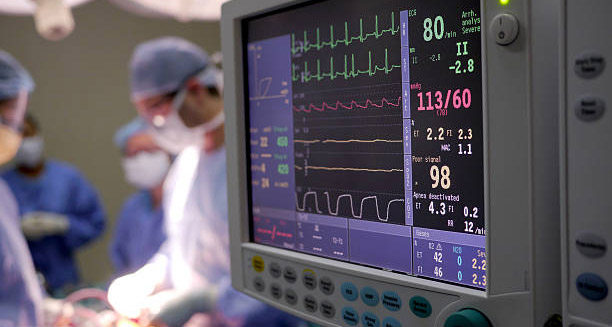
Hospital monitor displaying heart rhythms during surgery in a cardiac operating room

Diagnosis of Heart Failure

Diagnosis of Heart Failure The diagnosis of heart failure involves a comprehensive clinical assessment, including the evaluation of symptoms, a detailed medical history, physical examination, and a combination of laboratory and imaging tests. Because the symptoms of heart failure can overlap with those of other common medical conditions, an accurate and early diagnosis of heart failure is essential for effective treatment and better long-term outcomes. A thorough history is usually the starting point. Patients often report fatigue, shortness of breath (especially on exertion or when lying down), leg swelling, weight gain, and reduced ability to exercise. Some may also mention waking up at night with difficulty breathing, needing extra pillows to sleep comfortably, or noticing a persistent cough that worsens when lying flat. These symptoms may be gradual or sudden and are key red flags prompting further investigation. The clinician will review past and present medical conditions that may contribute to heart failure, such as coronary artery disease, hypertension, diabetes, valvular disorders, arrhythmias, kidney disease, or previous heart attacks. Family history is also relevant, as genetic predispositions can play a role in certain types of cardiomyopathy. Diagnosis of Heart Failure A detailed physical examination is critical. Doctors will assess heart rate and rhythm, check blood pressure, listen to the heart and lungs with a stethoscope, and look for signs of fluid retention—such as jugular vein distension, ankle or leg swelling, and crackling sounds in the lungs. Cool extremities, delayed capillary refill, and low blood pressure can indicate poor perfusion in advanced cases. After the initial clinical assessment, the next step in the diagnosis of heart failure is a series of investigations that confirm the presence of the disease and help determine its underlying cause and severity. One of the first and most useful blood tests is measurement of natriuretic peptides, including B-type natriuretic peptide (BNP) and N-terminal pro-BNP (NT-proBNP). These biomarkers are released by the heart in response to increased pressure and volume overload. Elevated levels strongly suggest heart failure, especially in patients presenting with shortness of breath. Other important blood tests include: Full blood count – to rule out anaemia or infection. Kidney function tests – since renal impairment can both mimic and exacerbate heart failure. Liver function tests – to assess for hepatic congestion in advanced heart failure. Thyroid function tests – as both hypo- and hyperthyroidism can influence cardiac output. Lipid profile and HbA1c – to evaluate cardiovascular risk and screen for diabetes. Diagnosis of Heart Failure The electrocardiogram (ECG) is an essential tool for evaluating heart rhythm, previous myocardial infarction, and evidence of left ventricular hypertrophy or conduction abnormalities. While not diagnostic on its own, the ECG can reveal clues that point towards underlying pathology contributing to heart failure. The cornerstone of structural assessment is the echocardiogram, a non-invasive ultrasound test that visualises the heart in real-time. This test can evaluate: Left and right ventricular size and function Ejection fraction (EF), which helps classify heart failure as HFrEF (EF <40%) or HFpEF (EF ≥50%) Valve structure and performance Wall motion abnormalities suggesting previous infarction Presence of pericardial effusion or intracardiac masses In some cases, more advanced imaging may be required. Cardiac MRI provides detailed information about heart muscle structure, function, and scarring. It is particularly useful in assessing cardiomyopathies and distinguishing between different types of myocardial disease. Cardiac CT is useful for evaluating coronary anatomy, particularly in patients unable to undergo invasive coronary angiography. Chest X-rays are commonly performed in patients suspected of heart failure. They can show signs of pulmonary congestion, cardiomegaly (enlarged heart), pleural effusions, or alternative causes of respiratory symptoms such as pneumonia or lung disease. Diagnosis of Heart Failure For patients with suspected coronary artery disease, a key contributor to heart failure, a stress test may be used. This can be an exercise ECG or a nuclear perfusion scan that evaluates blood flow to the heart under stress. If the results are concerning, coronary angiography—an invasive procedure—may be performed to identify and potentially treat blockages in the coronary arteries. Right heart catheterisation is sometimes used in complex cases, particularly where pulmonary hypertension or advanced heart failure is suspected. This procedure measures pressures in the heart chambers and pulmonary arteries, providing valuable haemodynamic data to guide treatment decisions. Holter monitoring or event recorders may be employed when arrhythmias are suspected as a cause or complication of heart failure. These portable devices record the heart’s rhythm continuously over a day or more, helping detect intermittent disturbances such as atrial fibrillation or ventricular tachycardia. In some patients, especially younger individuals or those with a family history, genetic testing may be recommended to evaluate for inherited forms of cardiomyopathy. This can also help inform family screening and guide therapy. The diagnosis of heart failure does not end with confirmation of the disease. It extends to determining its subtype, cause, and stage. For this reason, clinical guidelines often recommend using validated classification systems such as the New York Heart Association (NYHA) functional class. The American College of Cardiology/American Heart Association (ACC/AHA) stages. Furthermore, the European Society of Cardiology (ESC) algorithms. These systems support treatment decisions and help predict prognosis. Diagnosis of Heart Failure Importantly, diagnosing heart failure early—even in patients without obvious symptoms—can change the course of the disease. Timely intervention may prevent progression, reduce hospitalisations, and improve quality of life. In conclusion, the diagnosis of heart failure requires a multi-pronged approach that combines careful clinical evaluation with targeted testing. The aim is not only to confirm the condition, but to understand its cause, guide treatment, and anticipate complications. Accurate and timely diagnosis is the cornerstone of effective heart failure management. [Next: Symptoms of Heart Failure →]

Diagnosis of Heart Failure Read More »

Man clutching his chest in pain while standing near stairs, showing signs of heart failure

Symptoms of Heart Failure

Symptoms of Heart Failure The symptoms of heart failure can range from subtle to life-threatening, depending on the type, stage, and severity of the condition. Recognising the symptoms of heart failure early is vital for diagnosis, timely treatment, and preventing further damage to the heart and other organs. Since heart failure often develops gradually, individuals may dismiss early signs or attribute them to ageing, weight gain, or lack of fitness—delaying critical intervention. Shortness of breath (dyspnoea) is one of the hallmark symptoms. It occurs when fluid backs up into the lungs due to the heart’s inability to pump blood efficiently. In early stages, breathlessness may be noticeable only during exertion, such as walking uphill or climbing stairs. As the condition progresses, people may experience shortness of breath even at rest or while lying flat (orthopnoea). Many patients begin to sleep with multiple pillows or find themselves waking in the night gasping for air—a condition known as paroxysmal nocturnal dyspnoea. Fatigue and weakness are also common and often described as persistent and unexplained. These symptoms result from reduced blood flow to muscles and tissues, depriving the body of the oxygen and nutrients needed for normal activity. Simple tasks such as grocery shopping or walking short distances may become exhausting. This reduction in stamina severely affects quality of life and can lead to emotional distress and social isolation. Symptoms of Heart Failure Swelling (oedema) is another characteristic feature. It typically begins in the ankles and lower legs but can spread to the thighs, abdomen, and even the sacral area in individuals who are bedbound. The swelling occurs due to fluid retention, as the kidneys receive less blood flow and respond by holding onto sodium and water. In advanced stages, abdominal swelling (ascites) and rapid weight gain may signal severe fluid overload. Persistent cough or wheezing, especially when lying down, may be a sign of fluid accumulation in the lungs. In some cases, the cough is dry and hacking, while in others it may produce white or pink-tinged frothy sputum—a sign of pulmonary oedema, which is a medical emergency. Rapid or irregular heartbeat (palpitations) is another symptom, especially when the heart tries to compensate for its weakened state by beating faster or irregularly. Many patients with heart failure also develop arrhythmias such as atrial fibrillation, which can exacerbate symptoms and increase the risk of stroke. Dizziness, light-headedness, or fainting may occur when the brain receives insufficient blood flow. These symptoms are particularly common in severe or rapidly progressing cases and may indicate dangerously low cardiac output. In some instances, fainting may be the first sign of heart failure or a related arrhythmia. Weight changes—especially sudden weight gain of more than 2–3 kg over a few days—are often an early indicator of fluid retention. Monitoring daily weight is therefore a key part of managing heart failure, as it provides valuable information about the effectiveness of treatment and the possibility of impending decompensation. Symptoms of Heart Failure Reduced appetite and nausea can also develop due to fluid accumulation in the liver and gastrointestinal tract. This symptom is often accompanied by early satiety and discomfort in the upper abdomen. It can lead to nutritional deficiencies, further weakening the individual and complicating overall care. In addition to these physical signs, cold extremities, pale or bluish skin, and slow capillary refill may be seen in advanced heart failure due to poor circulation. These peripheral signs suggest that the heart is struggling to meet the body’s basic metabolic demands. Symptoms of heart failure vary slightly depending on whether the condition predominantly affects the left side, the right side, or both sides of the heart: Left-sided heart failure usually causes pulmonary symptoms like breathlessness, cough, and fatigue. Right-sided heart failure more often results in systemic symptoms such as swelling, abdominal bloating, and liver congestion. Biventricular heart failure (affecting both sides) presents with a combination of pulmonary and systemic symptoms. In children and infants, the symptoms of heart failure can look very different. Babies may struggle to feed, fail to gain weight, or breathe rapidly. In older children, reduced activity, chronic fatigue, and poor growth are often seen. Because children may not be able to articulate their symptoms clearly, these signs should prompt urgent evaluation. Symptoms of Heart Failure The presentation of heart failure is also influenced by its classification: Heart failure with reduced ejection fraction (HFrEF) often presents with more pronounced fatigue and exercise intolerance due to poor cardiac output. Heart failure with preserved ejection fraction (HFpEF) may present with more subtle symptoms, including exercise-induced breathlessness and fluid retention, particularly in older women with hypertension. It’s important to note that the symptoms of heart failure may fluctuate. Patients may experience periods of relative stability followed by acute worsening, known as decompensated heart failure. Triggers for decompensation include poor medication adherence, dietary indiscretion (e.g., excess salt), new arrhythmias, infections, or progressive underlying disease. Because many symptoms are nonspecific and overlap with other common conditions like asthma, anaemia, or kidney disease, heart failure is often misdiagnosed or under-recognised—especially in elderly or sedentary individuals. This underlines the importance of clinical vigilance and timely diagnostic testing. Emotionally, the impact of symptoms can be profound. Constant fatigue, breathlessness, and hospitalisations often lead to anxiety, depression, and diminished mental well-being. Many patients express frustration over their loss of independence and social functioning. As a result, symptom management must include not only physical treatment but also psychological and emotional support. Symptoms of Heart Failure In summary, the symptoms of heart failure encompass a wide array of physical and psychological manifestations. Recognising them early and understanding their progression allows for better disease management, reduced hospital admissions, and improved quality of life. Ongoing education, regular monitoring, and communication between patient and care team are essential to stay ahead of symptom escalation. [Next: Treatment of Heart Failure →]

Symptoms of Heart Failure Read More »

Smiling male doctor in scrubs forming a heart shape with hands, symbolising heart health and treatment

Treatment of Heart Failure

Treatment of Heart Failure The treatment of heart failure is multifaceted and must be tailored to the individual’s symptoms, type of heart failure, underlying cause, and stage of progression. Effective treatment of heart failure aims to alleviate symptoms, slow or reverse disease progression, reduce hospitalisations, and improve overall survival and quality of life. Management strategies typically include lifestyle modifications, pharmacological therapy, device implantation, surgical interventions, and long-term monitoring. The cornerstone of treatment is lifestyle modification, which helps reduce the workload on the heart and prevent symptom exacerbation. Patients are advised to: Limit sodium intake, typically to less than 2 grams per day, to minimise fluid retention. Monitor daily weight, with sudden gains signalling fluid accumulation and early decompensation. Restrict fluid intake, especially in moderate to severe heart failure, usually to 1.5–2 litres per day. Quit smoking and avoid alcohol, both of which can exacerbate symptoms and increase mortality. Engage in supervised physical activity, such as cardiac rehabilitation, to improve cardiovascular fitness and mental well-being. Nutritional counselling and patient education are critical for empowering individuals to manage their condition effectively at home. Understanding symptom patterns and adhering to treatment regimens can dramatically reduce hospital admissions and improve independence. Pharmacological treatment forms the foundation of most management plans. The specific medications prescribed depend on whether the patient has heart failure with reduced ejection fraction (HFrEF) or preserved ejection fraction (HFpEF). Treatment of Heart Failure For patients with HFrEF, evidence-based medications include: ACE inhibitors or ARBs (angiotensin receptor blockers): Reduce afterload and improve survival. Beta-blockers: Slow the heart rate, reduce oxygen demand, and improve heart function. Mineralocorticoid receptor antagonists (e.g., spironolactone): Decrease fluid retention and fibrosis. SGLT2 inhibitors (e.g., dapagliflozin, empagliflozin): Originally used for diabetes, now shown to improve heart failure outcomes in both diabetic and non-diabetic patients. ARNI (angiotensin receptor-neprilysin inhibitor), such as sacubitril/valsartan: Offers superior outcomes compared to ACE inhibitors in many cases. Diuretics, especially loop diuretics (e.g., furosemide), are used to relieve symptoms of fluid overload, such as breathlessness and oedema, though they do not alter long-term survival. In HFpEF, fewer treatments have shown mortality benefit, but symptom control is still vital. Diuretics remain the primary therapy for fluid retention. Managing comorbidities like hypertension, diabetes, and atrial fibrillation is key. Emerging research is exploring the role of SGLT2 inhibitors and other agents in this subgroup. Device therapy is indicated for selected patients, particularly those with electrical conduction abnormalities or high risk of sudden cardiac death: Implantable cardioverter-defibrillators (ICDs): Used in patients with significantly reduced ejection fraction (typically <35%) to prevent fatal arrhythmias. Cardiac resynchronisation therapy (CRT): Recommended for patients with wide QRS complexes and heart failure symptoms, CRT uses biventricular pacing to improve cardiac efficiency. Left ventricular assist devices (LVADs): Employed in advanced heart failure as a bridge to transplantation or as destination therapy in those ineligible for transplant. For patients with valvular disease, surgical or transcatheter interventions may be necessary. Repair or replacement of faulty valves can relieve pressure on the heart and improve function. Similarly, individuals with obstructive coronary artery disease may benefit from coronary artery bypass grafting (CABG) or percutaneous coronary intervention (PCI) to restore adequate blood supply. Treatment of Heart Failure In end-stage heart failure, where symptoms persist despite optimal medical therapy, heart transplantation may be considered. While limited by donor availability and eligibility criteria, transplant remains a life-saving option for carefully selected patients and offers excellent long-term outcomes. A key component of treatment is ongoing monitoring. Regular follow-ups with a cardiologist help assess disease progression, adjust medications, and detect complications early. Remote monitoring tools—including blood pressure cuffs, weight logs, and smartphone-based applications—allow patients to report symptoms and data from home, reducing the risk of hospitalisation. Cardiac rehabilitation is highly recommended after diagnosis or following decompensated episodes. These programmes combine exercise, education, counselling, and lifestyle guidance in a structured setting. They help improve physical function, reduce anxiety and depression, and enhance adherence to treatment plans. Psychosocial support is equally important. Many patients experience depression, anxiety, or frustration due to symptom burden and limitations in daily life. Involving mental health professionals, social workers, or peer support groups can dramatically improve emotional resilience and quality of life. Treatment of Heart Failure Patient and family education is vital to success. Individuals should be taught to recognise warning signs of decompensation—such as sudden weight gain, increased breathlessness, or swelling—and know when to seek medical attention. Family members or caregivers should be involved in learning how to support medication schedules, dietary plans, and emergency responses. The treatment of heart failure is constantly evolving. Recent innovations include novel medications, wearable monitors, gene therapy research, and artificial intelligence tools that predict decompensation. As the understanding of heart failure deepens, more personalised and precise treatments are becoming available, improving prognosis and quality of life. In summary, the treatment of heart failure requires a multidisciplinary approach that blends medical management with lifestyle change, technology, education, and emotional support. When coordinated effectively, these strategies enable patients to live longer, healthier, and more fulfilling lives. [Next: Complications of Heart Failure →]

Treatment of Heart Failure Read More »

Cardiac monitor displaying vital signs during heart surgery, indicating severe heart complications

Complications of Heart Failure

Complications of Heart Failure The complications of heart failure can be wide-ranging and severe, often involving multiple organ systems and significantly impacting a person’s quality of life and prognosis. As the heart becomes less effective at pumping blood, other parts of the body are affected due to poor circulation, oxygen deprivation, and fluid overload. Understanding the complications of heart failure is essential to comprehensive management, as early recognition and intervention can prevent hospitalisations and extend survival. One of the most common and debilitating complications is fluid overload, resulting in symptoms such as pulmonary congestion, peripheral oedema, and ascites. When the heart cannot pump effectively, blood backs up into the lungs, causing breathlessness, particularly during exertion or while lying down. This can progress to pulmonary oedema, a life-threatening emergency marked by severe breathlessness, frothy sputum, and hypoxia. In the systemic circulation, fluid may accumulate in the legs, abdomen, and even around the liver, causing swelling, discomfort, and poor appetite. Renal impairment, or cardiorenal syndrome, is another major complication. Poor cardiac output reduces blood flow to the kidneys, impairing their ability to filter waste and regulate fluid balance. In turn, reduced kidney function can lead to fluid retention and electrolyte imbalances, which further exacerbate heart failure. This vicious cycle often results in the need for careful medication management, including reduced doses or avoidance of nephrotoxic drugs. The lungs are commonly affected in chronic heart failure. Besides pulmonary oedema, long-standing pressure overload in the pulmonary vessels can cause pulmonary hypertension, leading to right-sided heart failure (cor pulmonale). This exacerbates systemic congestion and can result in liver enlargement, gastrointestinal symptoms, and worsened kidney function. Liver dysfunction, specifically congestive hepatopathy or “cardiac cirrhosis,” may develop as a result of chronic hepatic congestion. The liver becomes engorged due to back pressure from the right side of the heart. This can lead to elevated liver enzymes, jaundice, and impaired clotting ability, complicating both medical and surgical treatment plans. Complications of Heart Failure Arrhythmias are a frequent and dangerous complication of heart failure. Atrial fibrillation is particularly common and increases the risk of stroke due to blood stasis in the atria. Ventricular arrhythmias, such as ventricular tachycardia or fibrillation, are potentially fatal and account for many cases of sudden cardiac death in patients with severe systolic dysfunction. These arrhythmias may require the use of implantable defibrillators or antiarrhythmic drugs for management. Stroke is another serious risk in individuals with heart failure, particularly when associated with atrial fibrillation. Blood clots can form in the atria due to stagnant blood flow, and if one travels to the brain, it can cause an ischaemic stroke. This often results in significant long-term disability or death. Anticoagulation therapy is frequently used in high-risk patients to reduce this threat. Cognitive impairment and depression are often under-recognised complications. Reduced cardiac output and perfusion to the brain can contribute to memory issues, confusion, and decreased executive functioning, particularly in older adults. The psychological burden of living with a chronic, life-limiting illness also contributes to depression and anxiety, which in turn are associated with worse outcomes, including higher hospitalisation and mortality rates. Malnutrition is another concern. Chronic fatigue, early satiety due to ascites, gastrointestinal congestion, and the catabolic effects of heart failure can all contribute to weight loss and muscle wasting—a condition known as cardiac cachexia. This is a strong negative prognostic indicator and is difficult to reverse, especially in advanced stages. Complications of Heart Failure Thromboembolism is an additional danger in heart failure patients. Blood that moves slowly through weakened heart chambers is more likely to clot. These clots can dislodge and travel to the lungs (pulmonary embolism), brain (stroke), or limbs, causing significant damage. This is especially problematic in patients with dilated cardiomyopathy or significant wall motion abnormalities following a myocardial infarction. Frequent hospitalisations are among the most disruptive complications. Many patients experience repeated admissions due to fluid overload, arrhythmias, or infections. Each hospitalisation is associated with further cardiac decompensation, emotional distress, and increased risk of mortality. It is also financially burdensome and often leads to the need for more intensive outpatient care or home support. Medication complications can also arise due to the complex drug regimens involved in treating heart failure. Diuretics can cause dehydration, electrolyte imbalances, or kidney dysfunction. ACE inhibitors and ARBs may lead to cough, hypotension, or elevated potassium. Polypharmacy increases the risk of drug interactions and nonadherence, especially in elderly patients. Infections, particularly respiratory infections, can trigger decompensation in vulnerable individuals. Pneumonia, influenza, or even urinary tract infections can lead to rapid fluid shifts, fever, and increased metabolic demand—overwhelming a heart already operating at reduced capacity. Preventive measures such as vaccination and early treatment of infections are crucial. In advanced cases, patients may develop refractory heart failure, where symptoms persist despite optimal medical and device therapy. These individuals often require palliative care for symptom relief and end-of-life planning. Hospice support may focus on comfort, dignity, and emotional support rather than curative interventions. Lastly, sudden cardiac death is one of the most feared complications of heart failure. Without warning, an individual may collapse due to a fatal arrhythmia. This underscores the importance of risk stratification and considering implantable cardioverter-defibrillators (ICDs) in patients with low ejection fraction or other high-risk features. Complications of Heart Failure In conclusion, the complications of heart failure span a wide range of physiological, emotional, and logistical challenges. From organ dysfunction and arrhythmias to cognitive decline and frequent hospitalisations, each complication significantly influences prognosis and quality of life. Proactive, multidisciplinary management is essential to prevent or minimise these effects, allowing patients to maintain stability and independence for as long as possible. [Next: Prevention of Heart Failure →]

Complications of Heart Failure Read More »

Heart-shaped bowl filled with healthy foods surrounded by fitness equipment for heart failure prevention

Prevention of Heart Failure

Prevention of Heart Failure The prevention of heart failure is one of the most important priorities in modern medicine, especially as cardiovascular risk factors become more prevalent worldwide. With early intervention and the right strategies, it is possible to reduce the risk of developing heart failure—even in individuals with a family history or existing heart disease. The prevention of heart failure depends on addressing modifiable lifestyle factors, managing chronic conditions effectively, and promoting public awareness of cardiovascular health. At its core, heart failure is a result of prolonged stress or damage to the heart muscle. Most of this damage arises from conditions like hypertension, coronary artery disease, diabetes, and lifestyle habits such as smoking, poor diet, and physical inactivity. Preventing heart failure requires identifying these risk factors early and treating them with a comprehensive and sustained approach. Maintaining healthy blood pressure is one of the most effective ways to prevent heart failure. High blood pressure increases the workload of the heart, causing the muscle to thicken and stiffen over time. This process can lead to both systolic and diastolic dysfunction. Adults should aim for a blood pressure reading below 120/80 mmHg. Regular screening—especially for those over 40 or with a family history—is crucial, as hypertension often has no obvious symptoms. Prevention of Heart Failure Heart-healthy nutrition plays a central role in prevention. Diets rich in fruits, vegetables, whole grains, legumes, and lean proteins support vascular health and maintain a healthy weight. Reducing salt intake to under 2 grams per day can help control blood pressure and reduce fluid retention. Saturated fats, trans fats, and processed sugars should be limited, while heart-protective fats (like those found in fish, nuts, and olive oil) are encouraged. The Mediterranean and DASH diets have both been shown to reduce cardiovascular risk and improve heart function. Regular physical activity strengthens the heart and improves circulation, cholesterol levels, and insulin sensitivity. Adults should engage in at least 150 minutes of moderate aerobic activity each week, such as brisk walking, swimming, or cycling. Exercise not only reduces the risk of heart failure but also improves mental well-being and reduces inflammation throughout the body. For those at risk or living with comorbidities, supervised programmes such as cardiac rehabilitation are ideal. Quitting smoking is one of the most powerful tools for the prevention of heart failure. Tobacco damages blood vessels, raises blood pressure, promotes plaque buildup in arteries, and increases the risk of arrhythmias. The cardiovascular benefits of quitting smoking begin almost immediately and continue to improve over time. Even exposure to second-hand smoke significantly raises heart failure risk. Weight management is also key. Obesity contributes to nearly every major risk factor for heart failure, including hypertension, type 2 diabetes, sleep apnoea, and elevated cholesterol. Even modest weight loss can lower blood pressure and reduce the burden on the heart. Long-term success is best achieved through a combination of dietary improvements, physical activity, behavioural support, and—when needed—medical or surgical interventions. Prevention of Heart Failure Diabetes control is vital in reducing heart failure risk. Persistently high blood sugar damages blood vessels and the heart muscle itself, leading to diabetic cardiomyopathy even in the absence of coronary artery disease. Good glycaemic control through lifestyle measures and medications such as metformin, SGLT2 inhibitors, or GLP-1 receptor agonists has been shown to reduce the incidence of heart failure in people with type 2 diabetes. Managing cholesterol levels helps prevent the development of atherosclerosis, which can cause coronary artery disease and heart attacks—two major precursors of heart failure. Lipid-lowering medications like statins may be prescribed for those with high LDL cholesterol, family history of cardiovascular disease, or existing plaque in arteries. Regular cholesterol screenings allow for early intervention. Stress reduction and mental health support also contribute to heart failure prevention. Chronic stress raises levels of cortisol and adrenaline, which elevate heart rate and blood pressure over time. Stress is also linked to unhealthy coping mechanisms like overeating, smoking, or alcohol misuse. Techniques such as mindfulness, cognitive behavioural therapy, yoga, and adequate sleep are valuable tools in maintaining emotional and cardiovascular health. Alcohol consumption should be kept within recommended limits—or avoided altogether. Excessive alcohol intake can lead to high blood pressure, arrhythmias, and alcoholic cardiomyopathy. When consumed, alcohol should be limited to one drink per day for women and two for men, though even moderate intake should be approached with caution in high-risk individuals. Prevention of Heart Failure Sleep health is often overlooked but plays a key role in preventing heart failure. Conditions such as obstructive sleep apnoea increase cardiovascular strain by causing intermittent oxygen deprivation and blood pressure surges during the night. Anyone who experiences loud snoring, daytime sleepiness, or frequent waking should be evaluated with a sleep study. Treating sleep apnoea with devices like CPAP can reduce heart failure risk, especially in patients with concurrent hypertension or obesity. Vaccination is an important preventive measure for vulnerable individuals, particularly older adults or those with chronic conditions. Infections like influenza and pneumonia can trigger decompensation in individuals with underlying heart dysfunction or silently contribute to cardiac damage. Annual flu shots and pneumococcal vaccines are recommended to lower risk. Regular medical check-ups are essential for early detection of emerging risk factors or asymptomatic conditions. Blood pressure, cholesterol, glucose levels, weight, and family history should be assessed regularly, particularly for individuals over 40 or those with a known history of cardiovascular disease. Public health strategies also play a crucial role. Campaigns that promote heart health, regulate tobacco and food industries, and improve access to care can have widespread benefits in reducing heart failure rates across populations. Community-based screening programmes and employer wellness initiatives offer additional opportunities for prevention. For people who already have risk factors or mild structural heart abnormalities, secondary prevention becomes the focus. This involves more aggressive lifestyle changes. Early pharmacological intervention (e.g., use of ACE inhibitors in high-risk patients), and closer monitoring by healthcare professionals. When applied effectively, these measures can delay or prevent progression to symptomatic heart failure. Prevention of Heart Failure In

Prevention of Heart Failure Read More »

Smiling woman holding a red heart-shaped object, symbolising positive heart health outlook

Outlook for Heart Failure

Outlook for Heart Failure The outlook for heart failure has improved significantly in recent decades due to advances in medication, diagnostics, surgical procedures, and patient education. While heart failure remains a serious and chronic condition, many people are now able to live long, fulfilling lives with careful management. The outlook for heart failure varies depending on numerous factors, including the cause of the condition, how early it is diagnosed, the patient’s response to treatment, and the presence of other health conditions. For patients with mild or well-managed heart failure—particularly those with heart failure with preserved ejection fraction (HFpEF)—the prognosis can be quite good. With consistent lifestyle changes, adherence to medications, and regular follow-ups, many people maintain stable heart function for years. These patients often live active, independent lives and avoid frequent hospitalisations. For those with heart failure with reduced ejection fraction (HFrEF), the outlook for heart failure has also improved thanks to newer medications such as ARNI (angiotensin receptor-neprilysin inhibitors), SGLT2 inhibitors, and modern beta-blockers. These treatments not only relieve symptoms but also slow disease progression, reduce hospital readmissions, and significantly increase survival. Many patients experience a measurable improvement in ejection fraction and quality of life when treatment is optimised and followed carefully. Device therapy also enhances the outlook for eligible individuals. Implantable cardioverter-defibrillators (ICDs) help prevent sudden cardiac death by correcting life-threatening arrhythmias, while cardiac resynchronisation therapy (CRT) improves coordination of the heart’s pumping action. In selected patients, these devices significantly extend life expectancy and reduce hospital admissions. For people with advanced symptoms, left ventricular assist devices (LVADs) and heart transplants can be life-saving options. Outlook for Heart Failure However, the prognosis becomes more guarded in people with advanced-stage heart failure (often referred to as Stage D or NYHA Class IV). These individuals experience symptoms at rest, struggle with daily activities, and frequently require hospital-level care. In such cases, life expectancy can be limited, particularly if the patient has additional complications like kidney failure, diabetes, or chronic lung disease. Nevertheless, palliative interventions and supportive care can provide comfort, dignity, and improved quality of life even in later stages. The outlook for heart failure is also influenced by patient behaviour. Those who monitor their weight daily, follow a low-sodium diet, take medications as prescribed, avoid tobacco and alcohol, and attend regular medical appointments tend to have significantly better outcomes than those who do not. Studies have shown that consistent self-management can halve the rate of hospitalisation and reduce overall mortality. Comorbid Conditions Comorbid conditions can affect prognosis considerably. For example, individuals with poorly controlled diabetes or persistent high blood pressure may experience faster disease progression. Similarly, untreated sleep apnoea, depression, and anaemia can worsen symptoms and increase cardiovascular risk. Integrated care models—where cardiologists, endocrinologists, nephrologists, and other specialists work collaboratively—offer the best approach for managing complex cases. Age is another factor. While older adults are more likely to develop heart failure, they may also have additional frailty, cognitive impairment, or social limitations that affect management. Despite this, many older patients achieve good symptom control and remain independent with the right care and support. Geriatric-focused heart failure clinics can be particularly beneficial in this population. In contrast, younger patients—particularly those with inherited cardiomyopathies or post-viral myocarditis—may face a very different trajectory. Early diagnosis and aggressive management can often return them to near-normal function. In some cases, they may even discontinue certain medications over time under close supervision. However, lifelong monitoring is still necessary due to the risk of relapse or long-term damage. Outlook for Heart Failure A critical element that influences the outlook for heart failure is socioeconomic status and access to care. Individuals without consistent access to healthcare, medications, and nutritional support often fare worse. Delays in diagnosis, medication nonadherence due to cost, and lack of transportation for follow-ups all contribute to higher mortality and hospitalisation rates in underserved communities. Addressing these inequalities through public health initiatives, community programmes, and improved healthcare access is essential for improving outcomes across all populations. Technology continues to transform how heart failure is managed—and its impact on outlook is substantial. Wearable devices, remote monitoring tools, and smartphone apps now allow patients and clinicians to detect early signs of decompensation before they become critical. These tools help prevent hospital admissions, tailor treatment in real-time, and encourage more proactive patient behaviour. Telehealth has also made it easier for patients in remote or rural areas to receive specialist care, further improving outcomes. The emotional and psychological impact of heart failure should not be underestimated. Chronic illness can cause depression, anxiety, and social withdrawal, all of which can worsen physical symptoms and reduce adherence to treatment. However, mental health support, counselling, and peer groups can help patients build resilience, stay engaged, and maintain a positive outlook—even in the face of chronic disease. Looking ahead, the future for heart failure patients is increasingly hopeful. Clinical trials are exploring novel therapies such as gene editing, stem cell regeneration, and targeted molecular treatments. Advances in imaging and artificial intelligence are enabling earlier detection, better risk stratification, and more personalised care. Outlook for Heart Failure In conclusion, the outlook for heart failure depends on early diagnosis, consistent management, access to care, and the presence of other health conditions. While heart failure remains a serious diagnosis, it is no longer a hopeless one. With the right treatment and lifestyle strategies, many individuals can live well for years—even decades—after diagnosis. Empowered patients who actively participate in their care have the best chance of living longer, healthier, and more meaningful lives. [Next: Back to Overview →]

Outlook for Heart Failure Read More »

Scroll to Top