Mental Matters

Heartburn

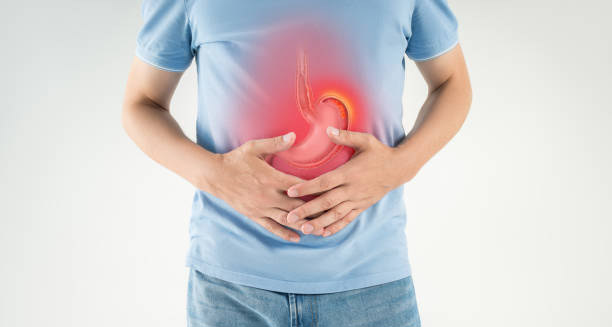
Man holding stomach with red highlight showing heartburn discomfort

Heartburn

Heartburn Heartburn is a common digestive symptom that presents as a burning sensation behind the breastbone, often rising into the throat. It is typically caused by the backflow of stomach acid into the oesophagus—a condition known as acid reflux. While many people experience occasional heartburn. Frequent or persistent episodes may signal a more serious problem such as gastro-oesophageal reflux disease (GORD). Though it is not related to the heart itself. The pain can mimic that of a heart attack, which often leads to confusion and anxiety for those experiencing it for the first time. The discomfort of heartburn usually begins in the lower chest area and can move upward into the neck and throat. Particularly after eating a large meal, bending over, or lying down. The sensation can vary from mildly irritating to intensely painful. Furthermore, some people describe a sour or bitter taste in the mouth when acid reaches the back of the throat. These symptoms are especially likely to occur after consuming foods that relax the lower oesophageal sphincter (LES). The muscle that acts as a barrier between the stomach and the oesophagus. When the LES becomes weakened or overly relaxed, acid and food contents can rise back into the oesophagus, causing irritation. People who are overweight, pregnant, or smoke regularly Heartburn affects millions of people globally and can occur at any age. Although it is more common in adults over the age of 40. It is especially prevalent in people who are overweight, pregnant, or smoke regularly. Increased abdominal pressure during pregnancy, for example, can force stomach contents upward. While tobacco use may impair LES function and slow oesophageal clearance of acid. Several lifestyle and dietary habits can significantly influence the frequency and intensity of heartburn. Foods high in fat, such as fried or greasy meals. Take longer to digest and can delay gastric emptying, contributing to reflux. Acidic foods like tomatoes, citrus fruits, and spicy dishes are also well-known culprits, as are carbonated beverages, alcohol, and caffeine. Chocolate and peppermint are two additional triggers that many people overlook, but both can relax the LES and promote acid backflow. Heartburn In some cases, heartburn may occur independently, but it is often a symptom of an underlying digestive disorder. Gastro-oesophageal reflux disease (GORD), which involves chronic reflux and inflammation of the oesophageal lining, is one of the most common causes. If left untreated, GORD can lead to complications such as oesophagitis, strictures, or even Barrett’s oesophagus—a condition associated with increased risk of oesophageal cancer. Physical posture and timing of meals play a role as well. Eating late at night or lying down too soon after a meal allows gravity to work against the natural downward movement of food and acid. Wearing tight clothing around the abdomen can also increase pressure on the stomach and contribute to symptoms. As a result, lifestyle modifications—such as eating smaller meals, avoiding trigger foods, and waiting at least two to three hours before lying down—are often the first steps in managing mild or occasional heartburn. It’s important to differentiate between heartburn and other serious conditions. While heartburn tends to follow a predictable pattern related to meals and body position, chest pain that occurs during exertion, radiates to the arm or jaw, or is accompanied by breathlessness or sweating should be treated as a medical emergency. Always seek urgent care if there is any doubt about the cause of chest discomfort. Over-the-counter antacids and acid-reducing medications such as H2-receptor blockers or proton pump inhibitors (PPIs) are commonly used to relieve heartburn symptoms. While effective, they are not meant for long-term use unless prescribed by a doctor. Persistent or severe symptoms warrant medical evaluation to rule out structural problems, Helicobacter pylori infection, or complications from chronic acid exposure. Heartburn In conclusion, heartburn is a symptom with a wide range of triggers and potential causes, from simple dietary choices to chronic medical conditions. While usually manageable with lifestyle changes and medication, ongoing or severe symptoms should not be ignored. Understanding its patterns, risk factors, and treatment options is key to achieving relief and preventing further complications. [Next: Causes of Heartburn →]

Heartburn Read More »

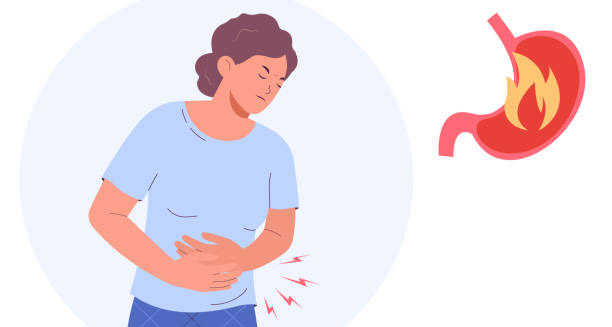
Woman experiencing heartburn after eating spicy food

Causes of Heartburn

Causes of Heartburn The causes of heartburn are wide-ranging and often interconnected, involving dietary habits, lifestyle choices, medical conditions, and anatomical abnormalities. At its core, heartburn results from the backward flow of stomach acid into the oesophagus. A process known as acid reflux. This reflux irritates the sensitive lining of the oesophagus, leading to the familiar burning sensation in the chest or throat. Understanding the causes of heartburn is essential to managing symptoms effectively and preventing long-term complications. One of the most frequent causes is the relaxation or weakening of the lower oesophageal sphincter (LES). The LES is a circular band of muscle at the junction between the oesophagus and the stomach. It acts like a valve, opening to allow food into the stomach and closing to keep stomach contents from rising. When this valve becomes dysfunctional—either due to pressure changes or muscle weakness. It may allow acid and partially digested food to travel upwards, resulting in reflux and heartburn. Dietary Triggers Dietary triggers are among the most common and well-documented contributors to heartburn. Foods that are high in fat, particularly fried or greasy dishes, tend to delay gastric emptying. Which increases pressure in the stomach and promotes reflux. Spicy foods, acidic ingredients like tomatoes and citrus fruits. Furthermore, certain condiments such as vinegar or mustard can all irritate the oesophagus directly or stimulate excess acid production. In addition to spicy or acidic meals, caffeine and alcohol are known to relax the LES. Making it easier for acid to escape the stomach. Caffeinated drinks—such as coffee, energy drinks, and strong tea—can exacerbate symptoms in susceptible individuals. Similarly, alcohol not only weakens the LES but also stimulates acid production, creating a double effect. Chocolate and peppermint are two less obvious culprits; while often considered indulgent or soothing, both have muscle-relaxing properties that affect the LES. Causes of Heartburn Eating habits and meal timing also play a significant role in the development of heartburn. Large meals stretch the stomach, increasing internal pressure and the likelihood of acid escaping into the oesophagus. Eating just before lying down or going to bed is especially problematic, as it removes the advantage of gravity in keeping acid in the stomach. This is why heartburn often worsens at night or when reclining after a meal. Another major factor is obesity. Excess weight, particularly around the abdomen, increases intra-abdominal pressure, pushing the stomach upward and reducing the strength of the LES. This mechanical pressure not only increases the frequency of reflux episodes but can also make them more severe. Studies consistently show a higher prevalence of heartburn and gastro-oesophageal reflux disease (GORD) in individuals who are overweight or obese. Pregnancy Pregnancy is a common cause of temporary heartburn due to hormonal and mechanical changes. The hormone progesterone, which increases during pregnancy, relaxes smooth muscle throughout the body—including the LES. At the same time, the growing uterus places pressure on the stomach, making reflux more likely. Most pregnant women experience some level of heartburn, particularly during the second and third trimesters. Certain medications can also contribute to heartburn. These include non-steroidal anti-inflammatory drugs (NSAIDs) such as ibuprofen and aspirin, which can irritate the stomach lining and promote acid production. Other common offenders include calcium channel blockers (used for high blood pressure), sedatives, certain antidepressants, and medications for asthma. In some cases, even supplements like iron or potassium can worsen symptoms if taken without adequate fluid or food. Smoking is another major lifestyle factor that contributes to heartburn. Nicotine reduces LES pressure and interferes with saliva production, which normally helps neutralise stomach acid. Smokers are also more likely to experience prolonged acid exposure in the oesophagus, increasing the risk of complications like oesophagitis or Barrett’s oesophagus. Causes of Heartburn Hiatus hernia is an anatomical condition in which part of the stomach pushes through the diaphragm and into the chest cavity. This can impair the function of the LES and increase the likelihood of acid reflux. While not everyone with a hiatus hernia experiences heartburn, the condition is a well-established risk factor and often contributes to more severe or treatment-resistant symptoms. Delayed gastric emptying, or gastroparesis, is another medical condition that can lead to heartburn. When the stomach empties too slowly, it increases pressure and volume within the stomach, raising the risk of acid reflux. This is often seen in people with diabetes, especially those with nerve damage affecting the gastrointestinal tract. Stress & Anxiety Stress and anxiety are often overlooked but play a subtle role in triggering or worsening heartburn. While they may not directly cause acid reflux. They can increase stomach acid production, reduce LES tone, and amplify perception of pain. People under chronic stress may also adopt poor eating habits. Such as eating too quickly, overeating, or choosing unhealthy foods—which further contribute to symptoms. The causes of heartburn can also be influenced by age. As people grow older, natural changes in the oesophageal lining and sphincter muscle make reflux more likely. Ageing is also associated with reduced saliva production and slower digestion, both of which can exacerbate symptoms. In many cases, heartburn is multifactorial—meaning it results from a combination of the above factors rather than a single cause. For example, a person who is overweight, smokes, and frequently eats large meals late at night will likely experience more severe and frequent episodes than someone with only one of those risk factors. Causes of Heartburn In summary, the causes of heartburn encompass a mix of lifestyle habits, dietary choices, physiological changes, and medical conditions. Identifying personal triggers and understanding the mechanisms behind them is the first step in developing an effective prevention and treatment strategy. While occasional heartburn is usually not serious, frequent or severe symptoms should prompt further medical evaluation to rule out underlying disorders and reduce the risk of complications. [Next: Diagnosis of Heartburn →]

Causes of Heartburn Read More »

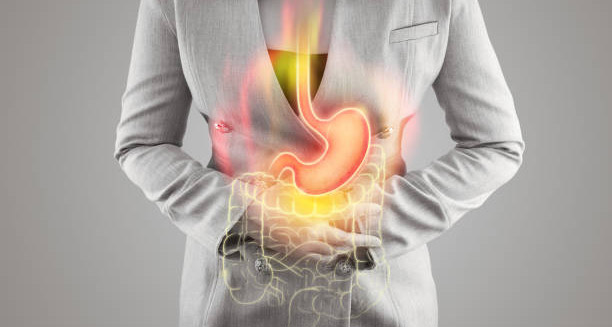
Illustration of stomach acid and digestive system overlayed on a person holding their abdomen

Diagnosis of Heartburn

Diagnosis of Heartburn The diagnosis of heartburn is primarily based on a person’s symptoms. However, it may also involve further tests if the symptoms are frequent, severe, or resistant to treatment. Since many other conditions can mimic the discomfort of acid reflux. An accurate diagnosis of heartburn is essential to ensure the right treatment and to exclude more serious causes such as cardiac issues or gastrointestinal disorders. Early recognition and proper evaluation also help prevent complications like oesophagitis, ulcers, or even pre-cancerous changes to the oesophagus. Doctors usually ask patients to describe their symptoms in detail. They focus on feelings like burning behind the breastbone. A sour or bitter taste in the mouth, and when these symptoms happen—such as after eating, lying down, or at night. Also, the length, how often, and how strong the symptoms are matter a lot. If symptoms come back two or more times each week. This often points to gastro-oesophageal reflux disease (GORD), which is the long-term form of heartburn. In most cases, when patients have common symptoms and no warning signs—like trouble swallowing, weight loss, or bleeding—doctors can often make a diagnosis just by talking with them. First, patients try changing their habits and using acid-reducing medicines, either over-the-counter or prescribed. If symptoms get much better, this confirms the diagnosis. Diagnosis of Heartburn However, when symptoms are atypical, persistent, or suggestive of complications, further investigation becomes necessary. A key diagnostic tool in such cases is upper gastrointestinal endoscopy (also known as oesophagogastroduodenoscopy or OGD). This procedure involves inserting a thin. Flexible tube with a camera through the mouth to examine the lining of the oesophagus, stomach, and upper part of the small intestine. It allows for direct visualisation of any inflammation (oesophagitis), ulcers, strictures, or abnormal growths. Biopsies may be taken to check for Barrett’s oesophagus, a pre-cancerous condition linked to chronic acid exposure. 24-hour pH monitoring is another test used in the diagnosis of heartburn. Particularly in cases where endoscopy is normal but symptoms persist. This test measures acid levels in the oesophagus over a 24-hour period using a probe either inserted through the nose or placed during endoscopy. It helps establish the frequency and duration of reflux episodes and correlates them with symptoms. Which is especially useful in patients with silent reflux or those whose symptoms do not respond to medication. Oesophageal Manometry Oesophageal manometry is sometimes performed in conjunction with pH monitoring. This test evaluates the strength and coordination of oesophageal muscle contractions and the function of the lower oesophageal sphincter (LES). It is particularly useful in diagnosing motility disorders, such as achalasia or diffuse oesophageal spasm, which can present with chest pain or swallowing difficulty and mimic heartburn. In some cases, a barium swallow X-ray may be used to examine the structure of the upper gastrointestinal tract. After drinking a chalky liquid that coats the lining of the oesophagus and stomach, the patient undergoes a series of X-rays. This test can reveal anatomical abnormalities such as a hiatus hernia, strictures, or evidence of reflux. However, it is less sensitive than endoscopy and has largely been replaced by more modern techniques in many centres. Diagnosis of Heartburn Cardiac evaluation is crucial in patients presenting with chest discomfort, especially if they are over 40, have a history of heart disease, or display symptoms during exertion. Since the pain from heartburn can mimic angina or even a heart attack, doctors often order an electrocardiogram (ECG), blood tests (including troponin), or even a cardiac stress test to exclude life-threatening cardiac events. It is important to rule out cardiac causes before concluding that reflux is responsible for chest pain. If people don’t get better with regular treatment or their symptoms return soon after stopping medicine, doctors may suggest testing for Helicobacter pylori infection. This helps find a possible cause and guide the next steps in treatment. This bacterium can cause stomach ulcers and gastritis, both of which may cause upper abdominal discomfort that overlaps with heartburn symptoms. Testing methods include urea breath tests, stool antigen tests, and biopsies during endoscopy. Eradication of the infection can provide long-term symptom relief in affected individuals. In Pregnant Women The diagnosis of heartburn in pregnant women usually does not require formal testing unless symptoms are severe or atypical. Most cases can be managed conservatively with dietary adjustments and safe antacids. Testing is generally avoided unless there is suspicion of a more serious issue. In children and infants, diagnosis is based on clinical presentation as well. While regurgitation is common in babies and usually self-limiting, persistent vomiting, feeding difficulties, poor growth, or respiratory symptoms may suggest reflux disease and warrant further evaluation by a paediatrician. The decision to pursue diagnostic testing depends on several “red flag” indicators, including: Difficulty swallowing (dysphagia) Painful swallowing (odynophagia) Unexplained weight loss Vomiting blood or passing black stools (indicating gastrointestinal bleeding) Symptoms persisting despite 4–8 weeks of treatment Family history of gastrointestinal cancers In such cases, referral for specialist assessment and diagnostic imaging is not only appropriate but potentially life-saving. Diagnosis of Heartburn In summary, the diagnosis of heartburn is usually straightforward when symptoms are typical and responsive to treatment. However, in cases that are complex, persistent, or concerning, further tests such as endoscopy, pH monitoring, or manometry are essential to confirm the cause and guide management. Accurate diagnosis not only ensures effective relief but also safeguards against missed or misdiagnosed conditions that could pose serious health risks. [Next: Symptoms of Heartburn →]

Diagnosis of Heartburn Read More »

Woman clutching chest in discomfort due to heartburn symptoms

Symptoms of Heartburn

Symptoms of Heartburn The symptoms of heartburn are usually easy to recognise, but they can sometimes be mistaken for other conditions. Especially cardiac or upper abdominal disorders. Typically, heartburn presents as a burning sensation behind the breastbone that rises toward the throat. However, this classic symptom can manifest in various ways depending on the person’s age, diet, underlying health, and lifestyle. Understanding the full spectrum of the symptoms of heartburn helps ensure early intervention. Furthermore, avoid misdiagnosis or complications such as gastro-oesophageal reflux disease (GORD). The hallmark symptom is a burning pain in the chest, most often located just behind the sternum. This discomfort may start low in the chest or upper abdomen and gradually rise toward the throat. The sensation is often described as hot, acidic, or sharp, and is usually most noticeable after meals—especially when lying down, bending over, or exercising. For many people, the pain becomes worse in the evening or at night when the effect of gravity is reduced, allowing acid to move more easily into the oesophagus. Another common symptom is regurgitation, where acid or partially digested food flows back into the throat or mouth. This can produce a sour or bitter taste and may be accompanied by a sensation of liquid or gas rising from the stomach. Unlike vomiting, regurgitation is passive and not accompanied by nausea. In chronic cases, regurgitation may lead to dental erosion, chronic bad breath, or a sore throat. Some individuals report difficulty swallowing (dysphagia) or the feeling of food getting stuck in the throat or chest. This can occur if frequent acid exposure causes inflammation or narrowing of the oesophagus (stricture formation). Although this is more common in advanced or long-standing cases, even mild heartburn can temporarily interfere with the sensation of smooth swallowing. Symptoms of Heartburn Throat symptoms are another frequent but often overlooked manifestation. These include a persistent sore throat, hoarseness, or the feeling of a lump in the throat (globus sensation). These symptoms are more likely to occur in cases where stomach acid travels far enough up the oesophagus to reach the larynx and vocal cords—a condition referred to as laryngopharyngeal reflux (LPR). While traditional heartburn involves chest pain, LPR may present almost entirely with throat discomfort. Chronic cough is a lesser-known but significant symptom. When acid irritates the throat or airways, it can cause a dry, hacking cough that doesn’t improve with standard cold or allergy treatments. The cough is often worse at night or after eating and may be accompanied by wheezing or shortness of breath, which can resemble asthma. For this reason, many people with “silent” reflux are misdiagnosed until further testing is done. Another possible symptom is chest pressure or tightness. While often attributed to cardiac causes, heartburn can mimic the pain of angina. The pain is typically located in the centre of the chest and may radiate to the neck, throat, or jaw. Unlike cardiac pain, heartburn is often triggered by food, posture, or physical activity and may improve with antacids. However, distinguishing between the two is not always easy, and anyone experiencing chest pain should seek medical advice to rule out a heart attack or other serious conditions. Bloating and burping can also occur alongside the burning sensation. These symptoms arise when excess gas builds up in the stomach due to delayed digestion, carbonated beverages, or swallowed air. Although not specific to reflux, they frequently accompany heartburn and can worsen the sensation by increasing intra-abdominal pressure. Symptoms of Heartburn Some patients experience nausea, particularly after eating large or rich meals. Nausea in the context of heartburn does not usually lead to vomiting but may be persistent and cause loss of appetite or aversion to food. In rare cases, reflux-induced nausea may be confused with morning sickness during pregnancy or mistaken for food poisoning or gastrointestinal infections. In children, the symptoms of heartburn may not be as clear-cut. Infants and toddlers may exhibit feeding difficulties, irritability during or after meals, arching of the back, and frequent spitting up. Older children may complain of tummy aches, throat discomfort, or a sour taste in the mouth. Because children are often unable to articulate what they feel, persistent symptoms should prompt medical evaluation to rule out GORD or other digestive issues. During Pregnancy During pregnancy, the symptoms of heartburn tend to increase due to hormonal changes that relax the lower oesophageal sphincter and mechanical pressure from the growing uterus. Pregnant individuals may experience more frequent and intense episodes of burning, especially in the third trimester. Although usually temporary, heartburn during pregnancy can cause significant discomfort and disrupt sleep. Symptoms of heartburn can vary in frequency and severity. Some individuals may have daily discomfort that interferes with work or sleep, while others only notice symptoms after particularly large or indulgent meals. Importantly, the severity of symptoms does not always correlate with the degree of damage in the oesophagus. For instance, some people with significant inflammation (oesophagitis) may experience only mild symptoms, while others with normal endoscopy findings may report intense discomfort. When heartburn lasts a long time and is not well controlled, it can cause problems like erosive oesophagitis, Barrett’s oesophagus, or peptic strictures. These conditions can make it hard to eat, speak, and enjoy daily life. Because of this, doctors say you should never ignore ongoing or worsening symptoms. Instead, get help early to avoid these complications. Symptoms of Heartburn In summary, the symptoms of heartburn extend far beyond the classic burning in the chest. They may include regurgitation, throat irritation, cough, bloating, and even symptoms that mimic other diseases. Recognising these diverse signs allows for timely diagnosis and treatment, preventing complications and improving patient comfort. While occasional heartburn is common, persistent symptoms warrant professional evaluation. [Next: Treatment of Heartburn →]

Symptoms of Heartburn Read More »

Person selecting medication to treat heartburn symptoms

Treatment of Heartburn

Treatment of Heartburn The treatment of heartburn focuses on relieving symptoms, preventing recurrence, and protecting the oesophagus from long-term damage caused by acid reflux. Most people respond well to a combination of lifestyle changes and medication, while others may require further investigation or even surgical intervention. Since the treatment of heartburn varies based on severity, frequency, and underlying cause, a personalised approach is essential to ensure lasting relief and prevent complications like gastro-oesophageal reflux disease (GORD) or oesophagitis. The first line of defence involves lifestyle modification, which can significantly reduce both the frequency and intensity of symptoms. Patients are encouraged to: Eat smaller meals: Large meals increase stomach pressure and promote reflux. Consuming modest portions spaced throughout the day reduces this risk. Avoid known trigger foods: These include spicy dishes, acidic items (like tomatoes and citrus), fatty or fried foods, chocolate, peppermint, caffeine, and alcohol. Identifying personal triggers through food diaries can help tailor dietary choices. Refrain from eating close to bedtime: Lying down shortly after eating makes it easier for stomach contents to flow back into the oesophagus. A minimum two- to three-hour gap between dinner and lying down is advised. Elevate the head of the bed: Raising the head of the bed by 15–20 cm with blocks or wedges (not extra pillows) uses gravity to prevent night-time reflux. Lose Excess Weight: Lose excess weight: Obesity, particularly central adiposity, places pressure on the abdomen and weakens the lower oesophageal sphincter (LES). Even modest weight loss can result in marked symptom improvement. Stop smoking: Nicotine reduces LES tone and impairs oesophageal function, increasing acid exposure. Wear loose-fitting clothing: Tight garments around the waist or abdomen can increase intra-abdominal pressure and trigger reflux. In addition to lifestyle adjustments, medication plays a key role in the treatment of heartburn. Over-the-counter and prescription drugs are available to neutralise acid, reduce its production, or protect the oesophageal lining. Antacids (e.g., Gaviscon, Rennie, Maalox): These work quickly by neutralising stomach acid and are ideal for mild or occasional symptoms. Some antacids also form a protective barrier over the stomach contents to reduce reflux. H2-receptor antagonists (e.g., ranitidine*, famotidine): These reduce acid production in the stomach. They are effective for more persistent symptoms and provide longer-lasting relief than antacids. (*Note: Ranitidine has been withdrawn in many countries due to safety concerns.) Proton Pump Inhibitors (PPIs) Proton Pump Inhibitors (PPIs) — such as omeprazole, esomeprazole, and lansoprazole — are the strongest medicines for reducing stomach acid. Doctors often prescribe them for people with frequent or severe heartburn. PPIs help heal the oesophagus when it becomes inflamed and are usually taken once a day before breakfast. While PPIs are generally safe, it’s important to use them under medical supervision. Long-term use can lead to side effects, including lower calcium and vitamin B12 levels, as well as a higher risk of certain infections. Therefore, regular check-ups are helpful for anyone taking PPIs over a long period. Prokinetic agents—such as domperidone and metoclopramide—help the stomach empty faster and improve how the oesophagus moves food. Doctors use them in certain cases, especially when someone has delayed stomach emptying. However, these medicines are not prescribed as often because they can cause side effects. Even so, they may still be helpful for some people when used carefully. Patients whose symptoms improve with medication but return after stopping may need to continue maintenance therapy or use an “on-demand” approach—taking medication only when symptoms flare up. However, those who do not respond adequately to treatment, or who relapse frequently, may require further evaluation to rule out complications or alternative diagnoses. Surgical options are available for patients with severe or refractory heartburn who prefer not to rely on long-term medication or who experience side effects. The most common procedure is laparoscopic fundoplication, in which the upper part of the stomach is wrapped around the LES to strengthen it and prevent reflux. This minimally invasive surgery has a good success rate, although side effects like bloating, difficulty belching, or gas discomfort may occur in some individuals. Treatment of Heartburn Newer, less invasive interventions include magnetic sphincter augmentation (LINX device), which uses a ring of magnetic beads to reinforce the LES, and endoscopic procedures that aim to tighten the junction between the stomach and oesophagus. These options are generally reserved for selected patients who meet specific criteria and are managed by specialist gastroenterologists or surgeons. The first step is usually making changes to daily habits. This includes adjusting the diet, eating smaller meals, avoiding trigger foods, and staying upright after eating. Sleeping with the head raised can also help reduce symptoms. If these changes aren’t enough, doctors may recommend antacids that don’t have aluminum or large amounts of sodium, as these are generally safe during pregnancy. In more severe cases, H2 blockers or PPIs may be used—but only with a doctor’s guidance. As a result, most pregnant individuals can find relief safely with the right approach. Doctors usually take a gentle approach when treating reflux in babies and young children. For older kids, changing the diet and teaching good habits—like staying upright after eating—can also help. If symptoms become severe or start to affect growth, doctors may add medication to the treatment plan. It is important to emphasise that self-medication without a clear diagnosis can sometimes delay appropriate treatment or mask more serious conditions, such as peptic ulcers or even gastrointestinal cancer. Persistent heartburn—especially when accompanied by red flag symptoms like unintentional weight loss, difficulty swallowing, vomiting blood, or black stools—warrants further evaluation, typically starting with an upper endoscopy. Treatment of Heartburn In conclusion, the treatment of heartburn is multifaceted, ranging from lifestyle changes and pharmacological therapy to surgical intervention in select cases. With proper management and individualised care, most people can achieve significant symptom relief and improve their quality of life. The key lies in identifying triggers, responding promptly to symptom changes, and seeking medical advice when symptoms persist or worsen. [Next: Complications of Heartburn →]

Treatment of Heartburn Read More »

Illustration of woman with stomach pain and acid reflux complication

Complications of Heartburn

Complications of Heartburn While occasional heartburn is common and usually harmless, persistent or untreated symptoms can lead to a range of health issues. The complications of heartburn can affect not only the oesophagus but also other parts of the digestive and respiratory systems. When stomach acid frequently flows back into the oesophagus, it causes inflammation and tissue damage, which can become serious over time. Recognising and addressing the complications of heartburn early is essential for preventing irreversible harm and maintaining long-term health. One of the most common complications is oesophagitis, or inflammation of the oesophageal lining. This condition results from repeated exposure to stomach acid and digestive enzymes. Symptoms may include increased chest pain, painful swallowing (odynophagia), and more frequent regurgitation. If left untreated, oesophagitis can cause ulcers, bleeding, and scarring. In more advanced cases, healing of the damaged tissue leads to fibrosis, which can reduce the flexibility of the oesophageal wall and impair its ability to move food efficiently. Scarring and Inflammation Scarring and inflammation from chronic reflux can lead to oesophageal strictures, where narrowed segments of the oesophagus form due to the healing process. These strictures cause difficulty swallowing (dysphagia), particularly for solid foods. Patients may feel as though food is stuck in their throat or chest. In severe cases, this can result in nutritional deficiencies or unintentional weight loss. Strictures often require medical procedures such as endoscopic dilation to restore the normal passage of food. Another serious problem that can happen is Barrett’s oesophagus. In this condition, the normal lining of the oesophagus changes and starts to look more like the lining of the intestines. This change, called metaplasia, happens after the oesophagus is exposed to stomach acid for a long time. While Barrett’s oesophagus doesn’t usually cause new symptoms beyond regular heartburn, it is a warning sign. That’s because it raises the risk of oesophageal adenocarcinoma, which is a rare but very aggressive type of cancer. Because of this risk, doctors usually monitor patients with regular endoscopies and take tissue samples (biopsies) to check for early signs of abnormal cell growth. Complications of Heartburn Oesophageal ulcers can also develop as a result of prolonged acid contact with the oesophageal lining. These ulcers are open sores that may bleed, leading to symptoms such as vomiting blood (haematemesis) or passing black, tarry stools (melaena). Oesophageal ulcers can cause intense chest pain and are particularly dangerous if they erode into blood vessels. Treatment typically includes proton pump inhibitors (PPIs), but severe cases may require endoscopic treatment to control bleeding. The complications of heartburn are not limited to the digestive tract. Respiratory complications are common, especially in patients who experience nocturnal reflux or silent reflux (laryngopharyngeal reflux). When acid vapours or micro-aspirations reach the throat or lungs, they can cause chronic cough, hoarseness, sore throat, and postnasal drip. In more severe cases, this may lead to asthma-like symptoms or exacerbate existing asthma. There is also evidence that reflux contributes to aspiration pneumonia, especially in older adults or those with swallowing difficulties. Dental erosion is another lesser-known complication of frequent heartburn. Acid that reaches the mouth during regurgitation can wear away tooth enamel, leading to increased sensitivity, decay, and cosmetic changes. Unlike dietary acids, which affect only specific teeth, reflux-related erosion tends to be more generalised and harder to control without treating the underlying reflux. Persistent heartburn may also have a significant impact on mental health and quality of life. Constant discomfort, sleep disruption, and dietary restrictions can lead to irritability, anxiety, and depression. Many individuals report decreased productivity, avoidance of social events, and relationship strain due to symptom unpredictability. The psychological burden is particularly high in people who experience heartburn during the night or who live in fear of complications such as cancer. Complications of Heartburn A frequently overlooked consequence of chronic heartburn is nutrient deficiency. Especially in those who rely on long-term acid-suppressing medications like PPIs. Reduced stomach acid can impair the absorption of essential nutrients such as vitamin B12, calcium, magnesium, and iron. This may lead to fatigue, muscle cramps, osteoporosis, or anaemia. Although these medications are generally safe when used appropriately. Long-term users should be monitored for potential deficiencies and advised on supplementation if needed. In very rare cases, a condition called oesophageal perforation may occur, usually as a result of severe ulceration or injury during dilation procedures. This is a medical emergency that can cause severe chest pain, infection (mediastinitis), and life-threatening complications. Emergency surgery is typically required to repair the rupture and control the spread of infection. Pregnant people who have severe or poorly managed heartburn may face several challenges. These include trouble sleeping, loss of appetite, and added stress on nutrition. Over time, these problems can affect both the mother’s health and the baby’s development. However, the good news is that serious complications during pregnancy are rare. When symptoms are treated early with safe remedies and healthy lifestyle changes, most cases improve quickly and safely. The complications of heartburn also extend into the realm of misdiagnosis. Because heartburn often presents as chest discomfort. It can be confused with cardiac conditions like angina or even myocardial infarction (heart attack). This overlap in symptoms can lead to delayed treatment of heart disease or, conversely. Unnecessary anxiety in patients with benign reflux. Clinicians must remain vigilant in differentiating between these conditions, often using ECGs, blood tests, and imaging to rule out cardiac causes before settling on a reflux diagnosis. Complications of Heartburn In summary, the complications of heartburn include a range of structural, functional, respiratory, dental, and psychological issues. While occasional episodes are generally harmless, persistent heartburn should never be ignored. Early diagnosis, lifestyle changes, appropriate medication use, and regular monitoring can prevent or greatly reduce the risk of complications. If symptoms worsen or fail to respond to standard treatments, prompt evaluation by a healthcare provider is essential to protect long-term health and quality of life. [Next: Prevention of Heartburn →]

Complications of Heartburn Read More »

Clock beside food plate symbolising meal timing for heartburn prevention

Prevention of Heartburn

Prevention of Heartburn The prevention of heartburn is often achievable through a combination of lifestyle changes, dietary awareness, and early identification of personal triggers. Since heartburn is typically caused by acid reflux, preventing the conditions that allow stomach acid to backflow into the oesophagus is the key to long-term relief. Whether someone experiences occasional symptoms or deals with chronic discomfort, the prevention of heartburn begins with adopting sustainable habits that minimise reflux and reduce pressure on the digestive system. One of the most effective strategies is modifying eating habits. Large meals place significant pressure on the stomach, increasing the risk of acid escaping upward through the lower oesophageal sphincter (LES). Eating smaller, more frequent meals can reduce this pressure and ease the digestive burden. Meals should be consumed slowly, with thorough chewing, and in a calm, upright position. Rushing through meals or eating on the move increases the likelihood of swallowing air, which leads to bloating and added pressure in the abdomen. Equally important is avoiding trigger foods and beverages. While individual sensitivities vary, common culprits include spicy dishes, fatty or fried foods, acidic items like tomatoes and citrus fruits, chocolate, caffeine, alcohol, carbonated drinks, and peppermint. These substances can either irritate the oesophageal lining or relax the LES, making reflux more likely. By identifying personal triggers through a food diary, individuals can make informed dietary adjustments without resorting to overly restrictive eating. Prevention of Heartburn Meal timing plays a critical role in the prevention of heartburn. Lying down too soon after eating reduces the effectiveness of gravity in keeping stomach contents in place. People prone to heartburn should wait at least two to three hours after a meal before reclining or going to bed. Evening meals should be lighter and ideally finished well before bedtime. If night-time symptoms are common, elevating the head of the bed by 15 to 20 centimetres can help reduce reflux during sleep. Maintaining a healthy weight is another cornerstone of heartburn prevention. Excess abdominal fat increases intra-abdominal pressure, which pushes stomach contents upward and weakens the LES. Even modest weight loss can result in significant symptom improvement. Obesity is also associated with a higher risk of developing complications from reflux, such as Barrett’s oesophagus or oesophageal strictures. Quitting Smoking Quitting smoking is crucial for both preventing heartburn and improving overall health. Nicotine reduces LES pressure, increases stomach acid production, and slows oesophageal clearance of refluxed material. It also interferes with saliva production, which is essential for neutralising acid in the throat. Smokers are significantly more likely to develop chronic reflux symptoms and associated complications. Alcohol should be limited or avoided altogether, particularly in those with frequent or severe symptoms. Like nicotine, alcohol relaxes the LES and stimulates gastric acid production. Wine, beer, and spirits can all contribute to reflux, especially when consumed in conjunction with large or rich meals. Reducing or eliminating alcohol intake can dramatically reduce symptoms in many individuals. Another important aspect of prevention of heartburn involves clothing and posture. Tight belts, corsets, or clothing that compresses the waist and abdomen can increase pressure on the stomach and force acid upward. Wearing loose-fitting garments, especially around the midsection, allows for normal digestion and reduces the likelihood of reflux. Postural habits such as slouching, bending over after meals, or reclining in a lounge chair can also encourage backflow of acid. Sitting upright after meals and avoiding heavy lifting shortly after eating is recommended. Prevention of Heartburn Stress management is an often underestimated tool in preventing heartburn. Chronic stress alters digestion by slowing stomach emptying and increasing stomach acid production. It can also increase muscle tension and pain sensitivity, making even mild reflux feel more intense. Mindfulness practices, yoga, regular exercise, breathing techniques, and counselling can all contribute to emotional well-being and digestive balance. People who take medications known to cause or worsen heartburn—such as NSAIDs (e.g. ibuprofen), calcium channel blockers, some asthma drugs, sedatives, or certain antidepressants—should speak to their doctor about alternatives or protective measures. In some cases, medications may be taken with food, switched to gentler alternatives, or combined with acid-suppressing therapy to reduce irritation. Hydration and chewing are also important. Drinking water during meals helps dilute stomach acid, while chewing gum after meals stimulates saliva production and improves acid clearance in the oesophagus. However, chewing mint-flavoured gum may relax the LES and should be avoided in those sensitive to mint. In individuals with frequent reflux at night, specific strategies can offer relief. These include: Sleeping on the left side, which positions the stomach lower than the oesophagus and reduces acid exposure. Prevention of Heartburn Raising the head of the bed using blocks or a wedge pillow, which leverages gravity to prevent acid backflow. Avoiding bedtime snacks, particularly those high in fat or sugar, which linger in the stomach and increase pressure. Pregnant individuals, who are naturally prone to reflux due to hormonal and anatomical changes, should follow gentle preventative steps such as eating smaller meals, avoiding triggers, staying upright after meals, and using safe, doctor-approved antacids if needed. For people with hiatus hernia, more stringent preventative efforts are often required. This condition, in which part of the stomach bulges through the diaphragm into the chest, weakens the LES and facilitates reflux. While lifestyle measures remain the foundation of treatment, these individuals may benefit from long-term medical therapy and, in some cases, surgical intervention. Even if symptoms are not currently bothersome, preventative habits are worth adopting—especially for individuals with a family history of reflux disease, oesophageal cancer, or other gastrointestinal conditions. Early action not only prevents discomfort but reduces the risk of long-term damage to the oesophageal lining. Prevention of Heartburn In summary, the prevention of heartburn depends on consistent, manageable changes to eating habits, posture, weight, and stress levels. By avoiding known triggers, adjusting daily routines, and seeking early medical advice when needed, most people can minimise or eliminate reflux episodes. Prevention remains the most effective way to avoid not only the symptoms of heartburn but also its long-term

Prevention of Heartburn Read More »

Outlook for Heartburn

Outlook for Heartburn

Outlook for Heartburn The outlook for heartburn is generally favourable, particularly when the condition is recognised early and managed with appropriate lifestyle changes and medical support. While heartburn can be uncomfortable and, in chronic cases, disruptive, it is rarely life-threatening on its own. However, persistent or untreated symptoms may lead to complications over time. So understanding the long-term outlook for heartburn helps guide effective self-care, reduce anxiety, and promote better health outcomes. Outlook for Heartburn For individuals with occasional or mild symptoms, the outlook is excellent. Most people experience complete symptom relief through simple lifestyle adjustments such as avoiding trigger foods. Eating smaller meals, losing excess weight, and not lying down soon after eating. Over-the-counter antacids and short-term use of acid-suppressing medications like H2 blockers or proton pump inhibitors (PPIs) are typically sufficient to provide fast and effective control. When these measures are followed consistently, people often remain symptom-free or experience only infrequent episodes. Those with moderate to severe or frequent heartburn may require long-term management, but the prognosis remains good with sustained attention to treatment. The introduction of PPIs revolutionised symptom control, offering substantial relief and promoting healing of oesophagitis in most patients. Many individuals with gastro-oesophageal reflux disease (GORD) manage their condition successfully through a combination of medication and lifestyle strategies. Some may need daily treatment, while others may transition to intermittent or “on-demand” use once symptoms are under control. The outlook for heartburn becomes more complex when symptoms are ignored or mismanaged. Chronic acid exposure can damage the oesophageal lining and lead to complications such as ulcers, strictures, or Barrett’s oesophagus. These conditions require regular monitoring and may involve endoscopic surveillance or more intensive medical therapy. However, with appropriate follow-up and adherence to treatment plans, most people with these complications continue to live full and active lives. Early detection is key, and patients who are proactive about seeking care typically fare better than those who delay diagnosis. Outlook for Heartburn In rare cases, heartburn can be a symptom of a more serious underlying condition. For example, pain that feels like acid reflux but doesn’t get better with treatment might actually be caused by other issues. These include peptic ulcers, bile reflux, eosinophilic oesophagitis, or, in very rare cases, oesophageal cancer. Because of this, it’s important to see a doctor if symptoms don’t improve. That said, most patients who experience long-standing reflux symptoms do not have red flag signs. Such as unintentional weight loss, difficulty swallowing, vomiting blood, or black stools—do not have these more serious diagnoses. The presence of alarm symptoms does warrant urgent evaluation but does not necessarily equate to a poor prognosis. The long-term outlook for heartburn is also influenced by a person’s level of engagement in their own care. Those who maintain a healthy diet. Avoid known triggers, manage their weight, reduce stress, and follow medical advice are more likely to achieve long-term control. Conversely, individuals who continue smoking, drink heavily, ignore meal timing, or rely solely on medications without addressing root causes are at higher risk of ongoing symptoms and complications. Long-Term PPI The use of long-term PPIs has raised questions about safety, particularly regarding bone health, kidney function, nutrient absorption, and gut infections. While studies have identified some risks associated with prolonged use. It’s important to weigh these concerns against the clear benefits of controlling reflux and healing oesophagitis. For many patients, the advantages of reducing acid are greater than the risks. This is especially true when doctors prescribe proton pump inhibitors (PPIs) at the lowest dose that works and monitor their use carefully. Therefore, careful management helps ensure treatment is both safe and effective. Regular reviews with a healthcare provider can help determine whether ongoing treatment is still necessary. In cases where medication is ineffective, not tolerated, or undesirable due to patient preference, surgical options such as laparoscopic fundoplication or newer techniques like magnetic sphincter augmentation may offer an excellent alternative. These procedures have high success rates and can significantly improve quality of life for selected patients. Post-surgical outlook is generally good, especially for those who are carefully assessed and managed by experienced surgical teams. Outlook for Heartburn For pregnant women, heartburn usually resolves after delivery. Hormonal changes and physical pressure on the stomach contribute to symptoms during pregnancy, but the condition rarely causes long-term issues. The prognosis for this group is very reassuring, and symptoms can usually be managed with diet, lifestyle changes, and pregnancy-safe medications. Children and adolescents with heartburn typically respond well to dietary and behavioural interventions. When reflux happens alongside developmental delays, neurological problems, or physical abnormalities, children often need ongoing care from a pediatric gastroenterologist. However, most pediatric cases get better with time, proper care, and guidance as the child grows. Therefore, families can usually expect improvement with the right support. From a public health perspective, increasing awareness about heartburn. Furthermore, its triggers and its potential complications has led to earlier diagnosis and more effective treatment. Access to over-the-counter medications, nutritional counselling, and health information has empowered patients to take charge of their symptoms. As a result, the number of individuals living well with manageable reflux has grown significantly over the past two decades. In terms of quality of life, the outlook is strongly linked to how disruptive symptoms become. Even when not dangerous, chronic heartburn can affect sleep, mood, productivity, and social life. Individuals who actively manage their condition through a combination of self-care and medical support tend to report much better outcomes in all of these areas. Support groups, online forums, and mental health resources can also help address the emotional toll of long-term digestive discomfort. Outlook for Heartburn In conclusion, the outlook for heartburn is overwhelmingly positive for most people. Especially when symptoms are recognised early and treated appropriately. While complications can occur, they are usually preventable with good lifestyle choices and medical care. Whether heartburn is a rare inconvenience or a chronic condition. Understanding its triggers, treating it thoroughly, and adopting a proactive approach can lead to lasting relief and a

Outlook for Heartburn Read More »

Scroll to Top