Mental Matters

Henoch-Schönlein Purpura

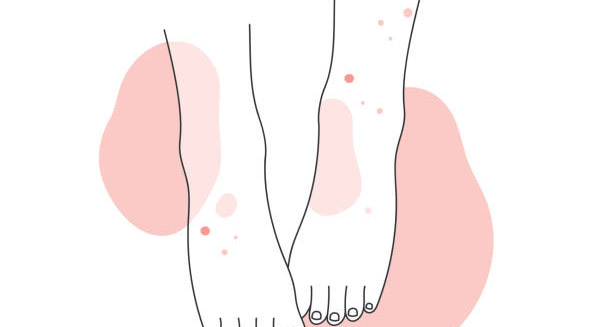
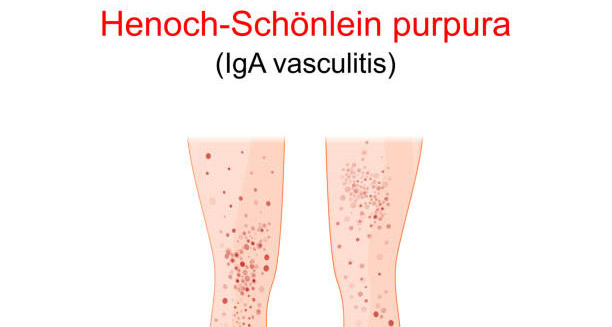
Illustration of Henoch-Schönlein Purpura (IgA vasculitis) with red spots on lower legs

Henoch-Schönlein Purpura

Henoch-Schönlein Purpura Henoch-Schönlein purpura (HSP), also known as IgA vasculitis, is an autoimmune condition that causes inflammation of the small blood vessels, primarily affecting the skin, joints, intestines, and kidneys. HSP happens most often in children aged 2 to 11, but teenagers and adults can get it too. The condition shows up as a purple rash, usually on the legs and buttocks. Along with the rash, people may have belly pain, swollen joints, and sometimes kidney problems.. Although Henoch-Schönlein purpura often resolves on its own, it can occasionally lead to serious complications, particularly involving the kidneys. HSP is classified as a form of small-vessel vasculitis. Meaning that it involves inflammation and damage to the tiny blood vessels known as capillaries. The underlying cause is thought to involve the immune system producing an abnormal response to an infection. Most often a viral or bacterial upper respiratory tract infection. This response leads to deposits of a type of antibody called immunoglobulin A (IgA) in the walls of blood vessels, resulting in inflammation and leakage of blood into surrounding tissues. The classic sign of HSP is raised, reddish-purple spots called palpable purpura. These spots do not fade when you press on them. They usually show up on the lower legs and buttocks. However,, they can also appear on the arms, chest, or face. The rash may be accompanied by a range of symptoms that vary in severity from mild discomfort to more serious systemic issues. Many children also experience joint pain and swelling, especially in the knees and ankles. Which may limit movement but usually does not cause permanent damage. Abdominal pain, cramping, nausea, and vomiting occur in about half of cases and can be severe. Some children develop gastrointestinal bleeding, which may result in the passage of blood in the stool. In rarer instances, the inflammation can cause intussusception. A condition where one part of the intestine slides into another, potentially requiring surgical intervention. Henoch-Schönlein Purpura Perhaps the most concerning aspect of Henoch-Schönlein purpura is its potential effect on the kidneys. Renal involvement may manifest as blood in the urine (haematuria). Protein in the urine (proteinuria), or more serious nephritic or nephrotic syndromes. Kidney symptoms can appear weeks after the rash and may not be accompanied by any pain or discomfortxaking regular urine monitoring essential for all diagnosed individuals. While most children recover without any kidney damage, a small percentage may go on to develop long-term renal problems that require specialist care. The onset of HSP is often sudden and can follow a respiratory tract infection such as a cold, sore throat, or sinusitis. Environmental triggers, certain foods, insect bites, or vaccinations have also been suggested as possible contributors, although no definitive cause is identified in most cases. The condition is not contagious and does not spread between individuals. Diagnosis is usually clinical—based on the typical rash and associated symptoms—but may be supported by blood tests, urine tests, and sometimes a skin or kidney biopsy. Early diagnosis and monitoring are crucial, especially to track potential kidney involvement and to rule out other forms of vasculitis or purpura that might require different management. In most cases, Henoch-Schönlein purpura is a self-limiting illness. Symptoms typically resolve within four to six weeks, although relapses may occur. Usually, pain relief and supportive care work well. However, if the case is more serious—especially when the kidneys or stomach are involved—doctors may need to use corticosteroids or medicines that calm the immune system. Henoch-Schönlein Purpura In summary, Henoch-Schönlein purpura is a condition that causes inflammation in small blood vessels. It happens mostly in children and shows up as a purple rash, joint pain, and sometimes stomach or kidney problems. While it often resolves without long-term complications, close monitoring is necessary to detect and manage any serious outcomes. [Next: Causes of Henoch-Schönlein Purpura →]
Henoch-Schönlein Purpura Read More »

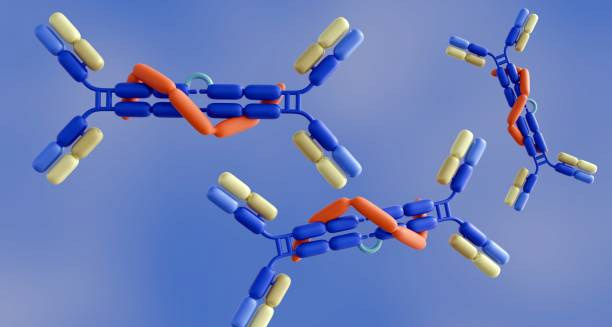
3D illustration of antibodies possibly linked to the causes of Henoch-Schönlein Purpura

Causes of Henoch-Schönlein Purpura

Causes of Henoch-Schönlein Purpura The causes of Henoch-Schönlein purpura (HSP) are not completely understood. Furthermore, the condition is believed to result from an abnormal immune response that leads to inflammation in the small blood vessels. Although HSP is not directly contagious or hereditary in most cases. It frequently occurs following an infection—suggesting that environmental and immunological factors play key roles. Unravelling the causes of Henoch-Schönlein purpura is essential for understanding how the disease develops and why certain individuals, particularly children, are more vulnerable. The most commonly associated trigger is an upper respiratory tract infection. Typically a viral illness such as a cold or influenza. In some cases, streptococcal infections, such as strep throat, cause the problem. The condition often arises one to three weeks after the resolution of the initial infection. Supporting the theory that the body’s immune response—rather than the pathogen itself. Is responsible for initiating the cascade of inflammation. During this process, the immune system produces elevated levels of immunoglobulin A (IgA). Which then deposit in the walls of small blood vessels, especially in the skin, joints, intestines, and kidneys. These IgA deposits cause the blood vessels to become inflamed—a process known as vasculitis. Leading to leakage of blood and proteins into surrounding tissues. This immune complex-mediated response is what produces the hallmark rash. As well as the joint, gastrointestinal, and renal symptoms commonly seen in HSP. While it is not entirely clear why the immune system reacts in this way. It may be that the body mistakenly identifies its own blood vessel components as threats following exposure to a virus or bacterium. Causes of Henoch-Schönlein Purpura Beyond infections, several other environmental and immunological triggers have been associated with Henoch-Schönlein purpura, although none are confirmed as direct causes. These include: Bacterial infections, such as Helicobacter pylori or Group A streptococcus Vaccinations, particularly those administered close in time to illness onset, including MMR (measles, mumps, rubella), influenza, and hepatitis B—though these are rare and do not outweigh the benefits of vaccination Insect bites or stings, which may provoke an immune response in some individuals Exposure to cold weather, which is frequently observed before flare-ups, especially in children Certain medications, including antibiotics (like penicillin), non-steroidal anti-inflammatory drugs (NSAIDs), and ACE inhibitors, which may act as immune triggers Although doctors see these factors in some cases, most people who have them do not get HSP. This shows that a person’s genes and how their immune system reacts probably help decide if they get the disease. Some researchers think an unknown gene may cause certain people to make too much or the wrong kind of IgA when the environment triggers them. Interestingly, Henoch-Schönlein purpura is far more common in children, particularly those aged 2 to 11 years. This may be because their immune systems are still developing and are more reactive to pathogens. The immune systems of young children may be more prone to producing excessive IgA or to generating intense inflammatory responses to common viruses and bacteria. That said, while rare, HSP can occur in adolescents and adults, where it is often more severe—especially in terms of kidney involvement. Causes of Henoch-Schönlein Purpura In adults, the causes may sometimes differ slightly or be less obvious. HSP in adults is more often associated with medications, chronic infections, or autoimmune conditions. In these cases, the disease may present more aggressively and may carry a greater risk of complications, such as long-term kidney damage. The role of immune dysregulation becomes more pronounced in older individuals, especially those with coexisting autoimmune conditions like systemic lupus erythematosus or inflammatory bowel disease. In addition to environmental and immunological factors, there is growing interest in the role of the gut microbiome in regulating immune responses, especially in children. Disruptions in gut bacteria, whether from diet, antibiotics, or infections, could contribute to immune system misfires, including overproduction of IgA. Although still speculative, this area of research may help explain why some children develop HSP following common illnesses while others do not. The seasonality of Henoch-Schönlein purpura also provides clues about its causes. The condition is diagnosed more often in autumn and winter because respiratory viruses spread more during these seasons.. This seasonal trend supports the theory that HSP is commonly a post-infectious immune phenomenon rather than a disease with a singular direct cause. In rare instances, familial clustering of HSP has been observed, suggesting that there may be a genetic component in some cases. However, this is the exception rather than the rule. The vast majority of individuals with HSP have no family history of the disease, and the risk of recurrence in siblings or offspring is extremely low. Finally, it’s important to know that Henoch-Schönlein purpura does not come from poor hygiene, diet, or lifestyle, and it is not contagious. Parents, caregivers, and patients can feel reassured because the condition is not caused by anything they did wrong, and it cannot spread through casual contact. Causes of Henoch-Schönlein Purpura In summary, the causes of Henoch-Schönlein purpura are multifactorial and not yet fully understood. Many people believe the condition happens because the immune system overreacts, usually after a respiratory infection. Genetics, the environment, and how sensitive the immune system is also play a part. While the exact cause may remain elusive in individual cases. Understanding the various factors that can initiate the disease is crucial for early recognition and effective management. [Next: Diagnosis of Henoch-Schönlein Purpura →]

Causes of Henoch-Schönlein Purpura Read More »

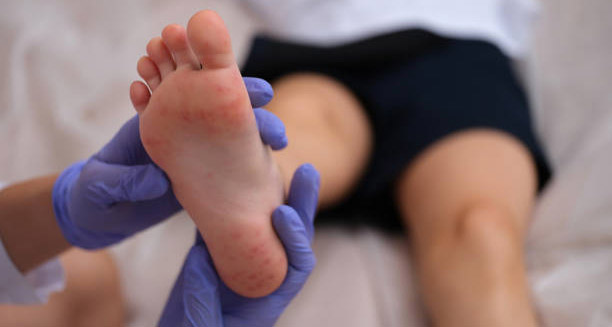
Medical examination of child’s foot showing purpuric rash typical of Henoch-Schönlein Purpura

Diagnosis of Henoch-Schönlein Purpura

Diagnosis of Henoch-Schönlein Purpura The diagnosis of Henoch-Schönlein purpura (HSP) is primarily clinical. Meaning it is based on the patient’s history and the appearance of characteristic symptoms rather than on a single definitive test. The condition typically presents with a distinctive purpuric rash. Raised purple or red spots that do not blanch when pressed—most often on the lower limbs and buttocks. When this rash occurs alongside joint pain, abdominal symptoms, or kidney involvement, the clinical picture becomes even more suggestive. Making an accurate diagnosis of Henoch-Schönlein purpura is important not only for immediate management but also for guiding follow-up care. Especially to monitor for potential kidney complications. Clinicians begin by taking a thorough medical history, asking when the rash appeared. Whether the patient has experienced a recent respiratory illness, and if there are other symptoms such as stomach pain, vomiting, joint aches, or dark or frothy urine. A physical examination focuses on identifying the hallmark rash and checking for swelling or tenderness in the joints. The pattern and feel of the purpura are very specific in HSP. Usually, the spots can be felt as raised bumps and appear evenly on both legs and the buttocks. In many cases, especially with children, the signs clearly show HSP, so doctors do not need to run extra tests to confirm it. But since other conditions can look like HSP—especially in adults—doctors often run additional tests to rule out other causes and check for internal problems. These tests include: Diagnosis of Henoch-Schönlein Purpura Blood Tests While no blood test can definitively diagnose HSP, several can support the diagnosis or help rule out other causes of purpura and systemic illness: Full blood count (FBC): May show a mild elevation in white blood cells or platelets, which are common in inflammatory conditions. Erythrocyte sedimentation rate (ESR) and C-reactive protein (CRP) are tests that show inflammation in the body. These markers often rise a little in people with HSP. Renal function tests: Including blood urea nitrogen (BUN) and creatinine, to assess for kidney involvement. Coagulation studies: To rule out bleeding disorders if purpura is present without other typical features of HSP. Serum IgA levels: May be elevated in up to 50% of patients, although this is not diagnostic on its own. Autoimmune panels: Such as antinuclear antibodies (ANA), antineutrophil cytoplasmic antibodies (ANCA), and complement levels to rule out lupus, ANCA-associated vasculitis, and other autoimmune diseases. Urine Tests Urine analysis is essential in the diagnosis of Henoch-Schönlein purpura, particularly to assess kidney involvement: Dipstick urinalysis may reveal the presence of blood (haematuria) or protein (proteinuria). Microscopic urinalysis can detect red blood cell casts, which suggest glomerular inflammation. These findings help stratify the risk of kidney complications and determine the need for long-term monitoring. Stool Tests and Imaging In patients with abdominal pain or gastrointestinal bleeding, additional tests may be required: Stool occult blood test: To check for microscopic bleeding in the digestive tract. Abdominal ultrasound: Useful in detecting bowel wall thickening, intussusception, or other abdominal complications. X-ray or CT scan: May be needed in severe cases to identify intestinal obstructions or other structural changes. Skin or Kidney Biopsy In atypical or unclear cases—particularly in adults, or when the presentation deviates from the usual pattern. A biopsy may be performed: Skin biopsy of a purpuric lesion can reveal leukocytoclastic vasculitis with IgA deposits in the small blood vessels when viewed under immunofluorescence. Kidney biopsy is reserved for patients with significant or worsening kidney symptoms. It typically shows IgA nephropathy or mesangial proliferation in the glomeruli, confirming renal involvement due to HSP. Diagnosis of Henoch-Schönlein Purpura Biopsies are not routinely necessary in typical childhood cases but can be instrumental in confirming the diagnosis in adult-onset disease, where conditions like ANCA-associated vasculitis or systemic lupus erythematosus must be ruled out. Diagnostic Criteria Several international groups have proposed clinical criteria for the diagnosis of HSP. The most widely used include the EULAR/PRES/PRINTO classification, which requires the presence of palpable purpura (mandatory) with at least one of the following: Abdominal pain Joint pain or arthritis Kidney involvement (haematuria or proteinuria) Histopathological evidence of IgA deposition These criteria help standardise diagnosis and ensure consistency in clinical practice and research, particularly in distinguishing HSP from other vasculitides. Differential Diagnosis The differential diagnosis for Henoch-Schönlein purpura includes: Meningococcal septicaemia – a medical emergency presenting with purpura but typically accompanied by high fever, shock, and rapid deterioration. Idiopathic thrombocytopenic purpura (ITP) – causes bruising and purpura but without the typical joint or abdominal symptoms, and with low platelet counts. Systemic lupus erythematosus – especially in adolescents and adults, may mimic HSP but with positive autoimmune markers. Other vasculitides, such as ANCA-associated vasculitis or cryoglobulinaemia, particularly in adult patients. Diagnosis of Henoch-Schönlein Purpura In summary, the diagnosis of Henoch-Schönlein purpura is made primarily through a clinical assessment based on a characteristic combination of rash, joint pain, gastrointestinal symptoms, and, in some cases, kidney involvement. Supporting laboratory and imaging tests help confirm the diagnosis, rule out other conditions, and assess for complications. Prompt and accurate diagnosis allows for timely intervention, appropriate monitoring, and improved long-term outcomes, particularly in those at risk of renal disease. [Next: Symptoms of Henoch-Schönlein Purpura →]

Diagnosis of Henoch-Schönlein Purpura Read More »

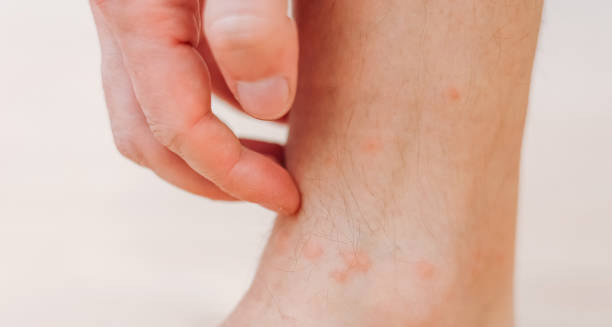
Close-up of red purpuric rash on ankle, a common symptom of Henoch-Schönlein Purpura

Symptoms of Henoch-Schönlein Purpura

Symptoms of Henoch-Schönlein Purpura The symptoms of Henoch-Schönlein purpura (HSP) can vary from mild to severe. Furthermore, they often develop suddenly, frequently following an upper respiratory tract infection. The most characteristic feature is a purplish skin rash. However, this condition is systemic in nature—meaning it can affect multiple organ systems simultaneously. Understanding the full spectrum of the symptoms of Henoch-Schönlein purpura is essential for prompt diagnosis and effective management. Particularly in children where the disease is most common but sometimes overlooked in its early stages. The hallmark symptom is a palpable purpuric rash, which consists of small, raised, reddish-purple spots that do not fade when pressed. This rash usually appears on the lower legs, buttocks, and around the ankles, but it may also extend to the arms, face, or trunk in some cases. The rash tends to be symmetrical, meaning it affects both sides of the body evenly. It is caused by bleeding into the skin from inflamed small blood vessels, and it may start as pink or red spots that darken over time. Unlike simple bruising, the rash of HSP is often slightly raised and may be tender to the touch. Joint pain and swelling are also very common, affecting around 75% of individuals with HSP. The most frequently involved joints are the knees and ankles, although elbows and wrists can also be affected. The joint symptoms may precede the rash or appear simultaneously. Pain can be significant enough to cause limping, especially in younger children, but the inflammation does not cause long-term damage to the joints. Joint symptoms typically resolve within a few days to weeks, even without specific treatment. Symptoms of Henoch-Schönlein Purpura Another prominent feature is abdominal pain, which occurs in over half of patients. The pain is usually colicky (comes and goes in waves) and tends to centre around the navel. It may be accompanied by nausea, vomiting, and occasionally bloody stools. This gastrointestinal involvement results from inflammation of the blood vessels in the intestines. While often self-limiting, severe abdominal symptoms may indicate complications such as intussusception—a condition where part of the bowel slides into an adjacent section, leading to a blockage. This requires urgent medical attention. Kidney involvement is the most serious potential symptom of HSP, though it is not present in all cases. When it does occur, it may appear a few days or even weeks after the rash. Symptoms of kidney involvement can include blood in the urine (haematuria)—which may be visible or microscopic—and protein in the urine (proteinuria). In more severe cases, nephritic or nephrotic syndromes can develop, characterised by swelling around the eyes or ankles, frothy urine, and high blood pressure. Long-term kidney damage is rare in children but more likely in adults and those with persistent or heavy proteinuria. Less commonly, HSP can involve other systems. Some patients report headaches, fever, or general malaise. Occasionally, inflammation may affect the lungs (causing coughing or chest pain) or the scrotum in boys (leading to pain and swelling, often mimicking testicular torsion). These symptoms are uncommon but are important to recognise, as they may require specific management or urgent investigation. Relapses are another feature of Henoch-Schönlein purpura in some individuals. About one-third of patients experience recurrence of symptoms—typically the rash—within a few weeks or months of the initial episode. These relapses are usually milder and shorter-lived than the original illness but may require further monitoring, especially if the kidneys were previously involved. Symptoms of Henoch-Schönlein Purpura In terms of timing and progression, the symptoms of HSP typically follow a predictable course. The rash is usually the last symptom to appear but may persist for several weeks. Joint symptoms often precede or coincide with the rash and resolve within 10–14 days. Gastrointestinal symptoms can be intermittent and are sometimes the most distressing aspect for parents of young children. Kidney involvement may be subtle and delayed, highlighting the importance of ongoing urine tests even after the rash and pain have subsided. For clinicians, recognising the pattern of symptoms is crucial to making an accurate diagnosis. For example, a child who presents with a non-blanching rash on the legs, abdominal cramping, and joint stiffness should prompt immediate consideration of HSP, especially if a recent viral illness has occurred. When the presentation is atypical or when symptoms are particularly severe, further investigation may be needed to rule out other causes such as meningococcal septicaemia, idiopathic thrombocytopenic purpura (ITP), or systemic lupus erythematosus. Parents and caregivers should be advised that while Henoch-Schönlein purpura often resolves without lasting effects, any signs of worsening symptoms—such as persistent abdominal pain, swelling around the eyes or ankles, or decreased urine output—warrant prompt medical evaluation. Likewise, if the rash becomes widespread, painful, or begins to ulcerate, further assessment is needed. In adults, the symptom profile may be similar but often more severe. Renal involvement is more common and more likely to lead to lasting kidney problems. Joint symptoms may be more prolonged, and gastrointestinal complications are more frequent. As such, adult-onset HSP generally requires closer monitoring and may necessitate specialist referral, particularly to a nephrologist. Symptoms of Henoch-Schönlein Purpura In summary, the symptoms of Henoch-Schönlein purpura typically include a palpable purpuric rash, joint pain and swelling, abdominal discomfort, and—less frequently—renal involvement. These symptoms may appear in stages or overlap and often follow a respiratory infection. While most cases in children resolve completely, early recognition and continued monitoring, especially of kidney function, are key to ensuring a full recovery without complications. [Next: Treatment of Henoch-Schönlein Purpura →]

Symptoms of Henoch-Schönlein Purpura Read More »

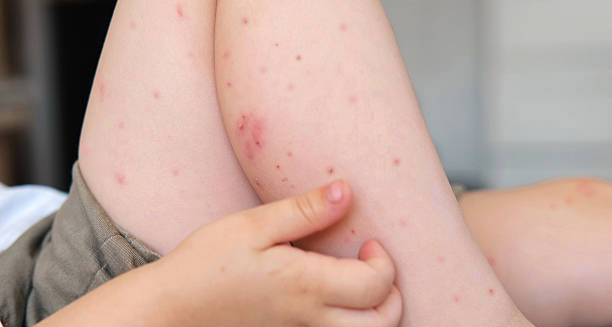
Child with Henoch-Schönlein Purpura rash on legs receiving care

Treatment of Henoch-Schönlein Purpura

Treatment of Henoch-Schönlein Purpura The treatment of Henoch-Schönlein purpura (HSP) is typically supportive. As the condition often resolves on its own without the need for intensive medical intervention. However, symptom severity varies from one person to another, and some patients. Particularly those with gastrointestinal or renal complications—require more focused treatment strategies. The main goal in the treatment of Henoch-Schönlein purpura is to relieve discomfort, minimise inflammation, and prevent long-term complications, particularly in the kidneys. In the majority of cases, HSP is self-limiting. This means that the body will recover naturally over a period of several weeks. Often without the need for prescription medication. Children in particular tend to recover fully. With only mild symptoms such as joint aches or a skin rash that gradually fades. During this time, rest and hydration are essential. Children should stay home from school if tiredness or discomfort makes it hard to do usual activities, and adults should avoid hard physical work while symptoms last. For mild to moderate joint pain or swelling, over-the-counter pain relief medications such as paracetamol or non-steroidal anti-inflammatory drugs (NSAIDs), including ibuprofen, are typically sufficient. These help reduce both inflammation and discomfort. However, people with belly pain or possible kidney problems should use NSAIDs carefully. Because these medicines can make stomach issues worse or harm the kidneys. Skin care is another consideration. The purpuric rash may be itchy or uncomfortable. While topical treatments are rarely needed, keeping the skin clean and dry helps prevent infections. If itching happens, antihistamines can help, and caregivers should gently stop scratching to protect the skin. Treatment of Henoch-Schönlein Purpura When gastrointestinal symptoms such as abdominal pain, nausea, or vomiting become severe, or if there is evidence of gastrointestinal bleeding (e.g. bloody stools), medical treatment becomes more urgent. In such cases, doctors may prescribe oral or intravenous corticosteroids, such as prednisolone. These drugs work by suppressing the immune response and reducing inflammation in the blood vessels. Corticosteroids are often very effective at rapidly relieving abdominal and joint pain, although their use remains somewhat controversial due to limited evidence on their impact on long-term outcomes. Nonetheless, in children with severe or persistent gastrointestinal symptoms, steroids are frequently prescribed. The same applies to renal involvement. If urine tests reveal blood (haematuria) or protein (proteinuria), the individual may require regular follow-up appointments with a general practitioner or a nephrologist (kidney specialist). In mild cases, monitoring alone is sufficient, as kidney function often returns to normal. However, if protein levels stay high or blood pressure starts to rise. Doctors may use corticosteroids or stronger medicines like azathioprine or cyclophosphamide to stop the disease from getting worse. This is more common in adult-onset HSP or in children who develop nephritic or nephrotic syndromes. In very rare cases, when HSP leads to intussusception or other serious gastrointestinal complications, surgical intervention may be required. Intussusception can cause intestinal blockage. Furthermore, symptoms such as severe abdominal pain, vomiting, and bloody stools should prompt immediate medical evaluation. Ultrasound or other scans can confirm the diagnosis, and sometimes doctors need to do surgery to fix the problem and help the bowel work normally again. Another aspect of treatment involves monitoring and follow-up care. Even after symptoms resolve, individuals should continue to undergo periodic urinalysis and blood pressure checks. Typically for six months to a year after the initial episode. This is to detect any delayed kidney involvement, which may not appear until weeks after the initial rash. Those who have had kidney symptoms from the start will require more frequent and longer-term monitoring. Treatment of Henoch-Schönlein Purpura For individuals who experience relapses, management is typically the same as for the initial episode. When the rash or joint pain comes back, it is often milder and goes away faster. Most of the time, people can treat these symptoms with the same care as before or a short course of corticosteroids if needed. The chance of relapse does not always mean worse long-term health, but doctors should check each case carefully to make sure the kidneys are not getting worse. In addition to medical treatment, emotional support and reassurance are key, especially for children and their families. The sudden appearance of a rash and systemic symptoms can be alarming, and the unpredictability of the condition may cause anxiety. Parents may be especially concerned about the possibility of long-term kidney problems. Clear communication about the nature of the disease, what to expect during recovery, and the signs that warrant urgent medical attention can greatly reduce stress. Education is important for adolescents and adults with HSP as well. They should be advised to maintain a healthy lifestyle, including a balanced diet and good hydration, especially if kidney function has been affected. Avoiding unnecessary use of nephrotoxic medications (such as certain NSAIDs or overuse of painkillers) can help protect kidney health in the long term. In rare, severe, or treatment-resistant cases, care may be managed by a multidisciplinary team, including rheumatologists, nephrologists, dermatologists, and paediatricians. These specialists may work together to develop an integrated care plan for patients with overlapping or complicated symptoms. Treatment of Henoch-Schönlein Purpura In summary, the treatment of Henoch-Schönlein purpura is largely supportive for mild cases, with pain management, rest, and careful monitoring forming the cornerstone of care. Corticosteroids may be used to manage moderate to severe symptoms, particularly involving the gastrointestinal tract or kidneys. Early detection of complications, consistent follow-up, and patient education all play critical roles in ensuring a full and uncomplicated recovery for most individuals. [Next: Complications of Henoch-Schönlein Purpura →]

Treatment of Henoch-Schönlein Purpura Read More »

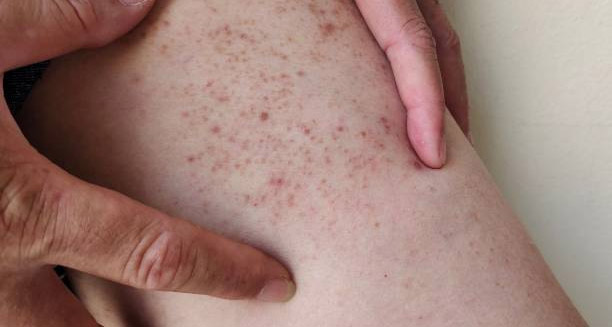
Skin showing purpuric rash as a complication of Henoch-Schönlein Purpura

Complications of Henoch-Schönlein Purpura

Complications of Henoch-Schönlein Purpura The complications of Henoch-Schönlein purpura (HSP) can range from mild and self-limiting to severe and long-term, depending largely on which organs are involved and how early the condition is recognised and managed. While most cases in children resolve without permanent damage, a small proportion of individuals develop more serious consequences—especially if kidney involvement occurs. Understanding the potential complications of Henoch-Schönlein purpura is essential for timely intervention, monitoring, and long-term follow-up. The most significant and potentially serious complication of HSP is kidney involvement. When small blood vessels in the kidneys become inflamed—a condition called IgA nephropathy—blood and protein may leak into the urine. Doctors usually find this early by testing the urine with a dipstick, and it might not cause clear symptoms at first. While most patients with mild kidney problems recover fully, about 5–10% may develop chronic kidney disease or worsening kidney failure, especially if doctors don’t watch the condition closely. Adults with HSP are more likely than children to suffer from long-term kidney issues, especially if they have high protein in their urine, high blood pressure, or poor kidney function when diagnosed. Nephrotic syndrome, a condition where the kidneys leak large amounts of protein, can occur in more severe cases. It may present with swelling (oedema) around the eyes, legs, or abdomen, as well as fatigue and frothy urine. This complication requires specialist care and often involves the use of corticosteroids or immunosuppressants. Long-term follow-up is crucial, and patients may need to avoid medications or lifestyle factors that place extra strain on kidney function. Complications of Henoch-Schönlein Purpura Another possible renal complication is hypertension (high blood pressure), which may result from impaired kidney function or increased vascular inflammation. If left untreated, this can increase the risk of cardiovascular disease later in life. Regular blood pressure monitoring is a vital component of follow-up care for anyone diagnosed with HSP who has shown signs of kidney involvement. Beyond renal issues, gastrointestinal complications can occur, particularly in children who present with severe abdominal symptoms. One of the most serious of these is intussusception, where part of the bowel telescopes into itself, causing obstruction. This can lead to intense abdominal pain, vomiting, blood in the stool, and, if untreated, bowel necrosis. Intussusception requires urgent surgical intervention and is considered a paediatric emergency. Bowel wall thickening Other gastrointestinal complications may include bowel wall thickening, gastrointestinal bleeding, or, in rare cases, bowel perforation, which can result in peritonitis. Children with persistent or severe abdominal symptoms should be evaluated quickly using imaging studies such as abdominal ultrasound to rule out such issues. Joint complications from HSP are generally mild and temporary. While many children and adults experience joint pain and swelling—particularly in the knees and ankles—these symptoms typically resolve without long-term damage. Unlike other autoimmune diseases such as juvenile arthritis or lupus, HSP does not usually lead to chronic joint deformities or disability. However, in rare cases, recurrent inflammation may cause prolonged discomfort or stiffness. The skin complications associated with HSP are usually limited to the characteristic purpuric rash. In most patients, the rash goes away on its own without leaving scars. However, if the inflammation is severe or if the patient scratches, the skin sores can break open or get infected. This can cause wounds that heal slowly or leave skin discoloration. Proper skin care and avoiding irritants help reduce this risk. In adolescents and adults, HSP can occasionally affect the reproductive system. For example, boys may get testicular pain and swelling, which can look like testicular torsion—a condition needing emergency surgery. Usually, inflammation of the blood vessels in the scrotum causes this, and it gets better with supportive care. However, a medical professional should always check it to rule out other causes. Complications of Henoch-Schönlein Purpura Neurological complications are rare but have been reported. These may include headaches, seizures, or even changes in mental status if the central nervous system becomes involved. Usually, doctors see these problems only in severe or unusual cases, so they need immediate medical evaluation. Similarly, pulmonary involvement, such as coughing or haemoptysis (coughing up blood), is very rare but can occur when the vasculitis affects lung tissue. In a small number of cases, especially in adults, relapses of HSP may occur. These are usually milder than the initial episode and often involve the return of the rash or joint pain. Recurrent HSP typically resolves on its own but may require repeat treatment in some cases. Frequent relapses can be emotionally distressing and may warrant a longer-term treatment plan, particularly if kidney involvement returns or worsens. Psychosocial complications, while not physically dangerous, are often overlooked. Children and adolescents with recurrent or prolonged symptoms may miss school, experience anxiety, or struggle with body image due to visible rashes and swelling. Parents may experience significant stress due to the unpredictability of the disease. Providing clear information, reassurance, and ongoing support can help mitigate these issues and foster emotional resilience. In rare circumstances, long-standing kidney disease due to HSP can progress to end-stage renal failure, requiring dialysis or kidney transplantation. Fortunately, this is uncommon and usually only occurs in patients who either did not receive timely monitoring or who had severe renal involvement at the onset of illness. Early identification and regular follow-up remain the best strategies for preventing this outcome. Complications of Henoch-Schönlein Purpura In summary, the complications of Henoch-Schönlein purpura can affect various organs but are usually manageable with early intervention and regular follow-up. The most serious risks involve the kidneys and gastrointestinal system, although most patients—particularly children—recover fully. Close monitoring of urine, blood pressure, and abdominal symptoms is key to preventing long-term damage. By recognising warning signs early and treating them appropriately, the majority of individuals with HSP enjoy a complete and uncomplicated recovery. [Next: Prevention of Henoch-Schönlein Purpura →]

Complications of Henoch-Schönlein Purpura Read More »

Illustration of legs with skin rash indicating Henoch-Schönlein Purpura prevention awareness

Prevention of Henoch-Schönlein Purpura

Prevention of Henoch-Schönlein Purpura The prevention of Henoch-Schönlein purpura (HSP) remains a challenge due to the condition’s complex and not fully understood immune mechanisms. As HSP is most often a post-infectious autoimmune response rather than a disease triggered by a single identifiable agent, direct prevention of Henoch-Schönlein purpura is currently not possible in the same way that vaccines can prevent viral infections. However, there are practical strategies for reducing the likelihood of recurrence, minimising known triggers, and promoting early detection and care to prevent complications. HSP frequently follows upper respiratory tract infections, such as colds or sore throats—particularly those caused by streptococcal bacteria. Although not every viral or bacterial infection leads to HSP, these infections appear to act as common immune triggers, particularly in children. Therefore, one of the most effective preventive strategies may involve reducing the risk of infection through general hygiene measures: Encouraging regular handwashing, particularly before meals and after contact with communal surfaces or sick individuals Teaching children not to share drinks, food, or utensils in school and play settings Ensuring appropriate use of tissues and cough etiquette Keeping children home from school when they are ill, to prevent further transmission of infection While these steps cannot guarantee prevention, they help lower the incidence of infections that may precipitate HSP in susceptible individuals. In environments such as schools or daycare centres—where viral illnesses are prevalent—these hygiene protocols can be particularly beneficial. In cases where a streptococcal infection is confirmed, prompt treatment with antibiotics may reduce the immune response and possibly lower the risk of triggering vasculitis. However, there is no evidence that antibiotic use can prevent HSP specifically. Still, managing infections quickly and completely is good medical practice and may indirectly reduce HSP risk in some cases. Prevention of Henoch-Schönlein Purpura For children or adults who have already experienced an episode of HSP, the focus shifts to preventing recurrence and managing long-term health. About one-third of people with HSP—particularly children—experience a recurrence within weeks or months of their initial recovery. These relapses are often milder but can still involve the return of the rash, joint pain, or abdominal discomfort. To reduce the chances of recurrence: Encourage a healthy immune system through a balanced diet rich in fruits, vegetables, whole grains, lean proteins, and adequate hydration Promote adequate sleep and stress management, as chronic stress can weaken immune regulation Avoid unnecessary use of medications that may exacerbate symptoms, particularly NSAIDs (non-steroidal anti-inflammatory drugs) in individuals with known kidney involvement Be cautious with vaccinations immediately following an acute episode of HSP. Although routine vaccines are safe and essential, timing may be adjusted in consultation with a healthcare provider if the individual is recovering or at high risk of relapse People with a history of HSP should also be aware of early warning signs of recurrence. These include: New appearance of the purpuric rash, especially on the lower limbs Swelling or stiffness in joints Abdominal pain or gastrointestinal discomfort Foamy urine, visible blood in urine, or reduced urine output At the first signs of these symptoms, individuals should consult their GP or paediatrician. Early intervention can minimise discomfort and prevent more serious complications—especially those related to the kidneys. Although there is no known genetic cause of HSP, some evidence suggests that certain individuals may be more susceptible due to genetic factors that influence their immune system. That said, the condition does not run strongly in families, and the vast majority of siblings and relatives are unaffected. Thus, there are no formal genetic screening tools or preventive therapies based on family history alone. Prevention of Henoch-Schönlein Purpura For children or adults who have suffered from significant renal involvement during their initial episode, more intensive long-term prevention measures may be needed. These include: Routine urinalysis (even months after symptoms resolve) to monitor for protein or blood in the urine Regular blood pressure monitoring, as hypertension may develop insidiously Avoiding medications that can stress the kidneys, such as certain painkillers, herbal supplements, or contrast dyes used in imaging procedures Staying well-hydrated, especially during illness or hot weather, to support kidney function For those under the care of a nephrologist, follow-up appointments are crucial. These may include urine protein-to-creatinine ratio tests, blood tests for kidney function (e.g., creatinine, eGFR), and sometimes imaging of the kidneys. If there are signs of ongoing kidney inflammation, doctors may consider low-dose maintenance therapies, such as corticosteroids or immunosuppressants, to prevent progression. In rare adult cases where HSP occurs alongside another autoimmune disorder—such as lupus or inflammatory bowel disease—managing the underlying condition may reduce the chance of triggering vasculitic flare-ups. Rheumatologists or immunologists may be involved in the broader care plan, particularly if symptoms are atypical, prolonged, or severe. Education also plays an essential role in prevention. Schools, caregivers, and patients should be made aware that: HSP is not contagious Recurrence is possible, but usually milder Most children recover completely with no lasting damage Early action at the first sign of relapse can prevent complications Where possible, patients and families should receive written discharge advice following hospital care or diagnosis. This should include information on what to look out for, when to return for check-ups, and how to monitor kidney health at home. In some cases, urine dipsticks may be provided to parents to check for proteinuria or haematuria in the weeks following recovery. Prevention of Henoch-Schönlein Purpura In summary, while the prevention of Henoch-Schönlein purpura is not currently possible through a single intervention, several strategies can significantly reduce risk and support early detection. These include infection control, immune system support, careful monitoring after the first episode, and proactive management of early relapse signs. With good hygiene, healthy living, and close follow-up care, most individuals recover fully and avoid further complications. [Next: Outlook for Henoch-Schönlein Purpura →]

Prevention of Henoch-Schönlein Purpura Read More »

Child with Henoch-Schönlein Purpura rash on legs indicating recovery outlook

Outlook for Henoch-Schönlein Purpura

Outlook for Henoch-Schönlein Purpura The outlook for Henoch-Schönlein purpura (HSP) is generally very favourable, especially in children. Where the condition is most common and often resolves on its own within a few weeks. While the symptoms can be distressing. Particularly the sudden onset of rash, joint pain, or abdominal discomfort—the majority of individuals recover fully without long-term consequences. With early recognition, appropriate management, and careful monitoring. The outlook for Henoch-Schönlein purpura continues to be positive in most cases, even when complications arise. For most children, the disease follows a self-limiting course. The purpuric rash typically fades within 7–14 days. Joint symptoms resolve quickly, and abdominal discomfort settles with or without supportive care. Even when symptoms are more pronounced, they rarely persist beyond 4–6 weeks. In fact, more than 90% of children recover fully without any lasting damage or need for invasive treatment. Follow-up is usually recommended for several months. Particularly to monitor for kidney involvement, but long-term issues are rare in the paediatric population. The prognosis for joint symptoms is excellent. Although swelling and stiffness—most commonly in the knees and ankles. Can be painful during the acute phase, these symptoms are transient. There is no evidence to suggest that HSP causes chronic arthritis or joint deformity, and mobility returns to normal once inflammation resolves. Physical therapy is rarely required, and children typically resume normal activity levels quickly after recovery. Similarly, gastrointestinal symptoms, though sometimes severe, also tend to resolve without lasting complications. The most serious gastrointestinal issue, intussusception. Occurs in a small percentage of children and is usually treatable with prompt surgical or radiological intervention. Once corrected, the outlook remains good, and recurrence is uncommon. Outlook for Henoch-Schönlein Purpura Where the outlook becomes more complex is in cases with renal involvement. Mild kidney symptoms—such as small amounts of blood or protein in the urine—often clear up on their own and may not require treatment beyond regular observation. However, around 20–50% of individuals with HSP experience some form of kidney involvement, and in 5–10% of these cases, the symptoms may persist or worsen. This group requires more intensive monitoring to detect the early signs of chronic kidney disease or nephrotic syndrome, especially in teenagers and adults. The long-term renal prognosis depends on several factors, including the amount of proteinuria, the presence of high blood pressure, and biopsy findings if a renal biopsy is performed. Most individuals with mild renal involvement recover completely, while a smaller subset may go on to develop reduced kidney function over time. In rare cases—particularly in adults—HSP can progress to end-stage renal disease, requiring dialysis or kidney transplantation. Nevertheless, these outcomes are the exception rather than the rule. Importantly, age at onset influences the outlook. Children tend to have shorter, more predictable disease courses, whereas adults are more likely to experience prolonged illness, more severe kidney involvement, and a greater chance of recurrence. Even so, with proper medical care and a structured follow-up plan, adults with HSP can still achieve remission and avoid serious complications. Relapses are relatively common, occurring in approximately 30–40% of cases. These are usually mild and may involve the return of the rash, joint pain, or abdominal symptoms. Most relapses occur within the first six months after the initial episode and often resolve more quickly than the first. Rarely, repeated episodes can cause cumulative damage to the kidneys, but with vigilant monitoring, even recurrent cases are usually manageable. Outlook for Henoch-Schönlein Purpura For individuals who experience no renal involvement and have a single, mild episode, the long-term outlook is essentially normal. They can expect to live full, healthy lives without restrictions. For those with moderate to severe kidney involvement, long-term health depends on regular monitoring, medication compliance (if prescribed), and early detection of any changes in blood pressure or renal function. Psychosocially, the outlook is also encouraging. While the condition can be frightening—especially for parents seeing a child develop sudden bruising or severe pain—education and reassurance play a major role in recovery. Most children quickly return to school and social activities, and any emotional distress typically fades once the illness resolves. Adults may need additional support to cope with fatigue, uncertainty about prognosis, or changes in lifestyle if kidney care becomes necessary. In recent years, advances in diagnostic tools, treatment strategies, and awareness have further improved outcomes. Greater use of urine screening, non-invasive imaging, and clear treatment protocols ensures that complications are detected early and addressed effectively. For more severe cases, multidisciplinary teams—often including paediatricians, nephrologists, and rheumatologists—collaborate to deliver tailored care, improving both short- and long-term outcomes. Emerging research into the immune system’s role in vasculitis may eventually lead to more targeted therapies, especially for those with recurrent or treatment-resistant HSP. For now, the mainstay of care remains supportive management, corticosteroids for moderate to severe symptoms, and close observation of renal health. From a public health perspective, the recurrence of HSP is not considered a barrier to vaccination, school attendance, or sports participation. Individuals who have recovered from HSP are encouraged to live normally, with some attention to infection prevention and early recognition of symptoms should they return. Outlook for Henoch-Schönlein Purpura In summary, the outlook for Henoch-Schönlein purpura is excellent for most people, especially children. Although a minority of individuals experience complications—particularly involving the kidneys—these can usually be managed with early diagnosis and regular follow-up. Relapses may occur but are typically mild and transient. With proper care, education, and support, most people affected by HSP go on to lead healthy, active lives with no significant long-term limitations. [Next: Back to Overview →]

Outlook for Henoch-Schönlein Purpura Read More »

Scroll to Top