Mental Matters

Hepatitis A

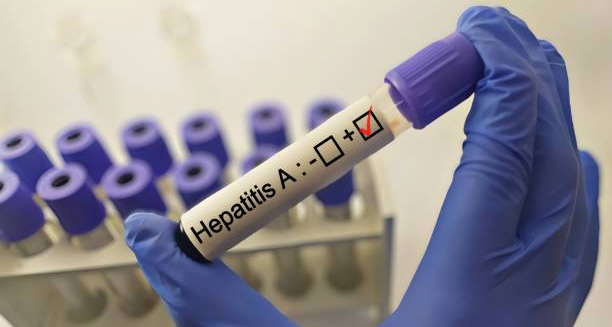
Positive Hepatitis A test sample held by a gloved hand in a laboratory

Hepatitis A

Hepatitis A is a highly contagious viral infection that causes inflammation of the liver, typically resulting in an acute illness that resolves on its own. How Hepatitis A Spreads Unlike other types of viral hepatitis, hepatitis A does not cause long-term liver disease or permanent damage. Instead, it usually clears up on its own. People mostly catch it through the faecal–oral route. This happens when they eat or drink food and water that has germs or through close contact with an infected person. Most people get better within weeks. However, it can feel exhausting. Rarely, it leads to serious problems, especially in older adults or those with other liver issues. Some people might even get sudden liver failure. The hepatitis A virus (HAV) is a simple RNA virus. It belongs to the Picornaviridae family. After someone swallows the virus, it moves through their gut and reaches the blood. From there, it goes to the liver. The body’s defense system fights the virus, which causes swelling in the liver. This leads to symptoms like yellow skin, feeling tired, and an upset stomach. People who have hepatitis A shed lots of the virus in their faeces. This happens especially in the two weeks before they feel sick. As a result, hepatitis A spreads very easily before people even know they have it. Where Hepatitis A Is More Common Hepatitis A spreads more in places where sanitation is poor. It also spreads where there is little clean water and people live close together. Such places include many parts of Africa, Asia, the Middle East, Central and South America, and Eastern Europe. In these areas, the virus often spreads through unsafe drinking water or food. Shellfish, especially if raw or not cooked properly, can carry it if taken from dirty waters. In richer countries, hepatitis A usually comes from travel to these regions. It can also cause outbreaks in daycare centres, food businesses, or places where people have no permanent homes. Incubation and Symptoms of Hepatitis A Once someone gets the virus, it takes between 15 to 50 days before they feel sick. On average, it takes about 28 days. During this time, the virus quietly multiplies in the liver. There are no signs during this phase. When the immune system reacts, symptoms appear and people feel sick. Young children under six often have no symptoms. Even then, they can still spread hepatitis A. On the other hand, older kids and adults usually show clear signs of infection. At first, symptoms look like the flu. People feel very tired, get a fever, feel sick, and lose their appetite. They may also have stomach pain and throw up. After a few days, signs linked to the liver appear. This includes yellow skin and eyes, dark pee, and pale stools. These signs last two to six weeks. Some people feel weak for months. Still, most people recover fully and their bodies protect them from getting hepatitis A again. Hepatitis A Treatment and Care There is no special medicine to cure hepatitis A. People get better with rest, drinking lots of fluids, eating simple food, and avoiding alcohol. Doctors may suggest avoiding some medicines that can harm the liver more. Only people who get very sick, like older adults or those with liver disease, may need hospital care. Hepatitis A Prevention and Vaccination Preventing hepatitis A is very important. The best way is by getting vaccinated. The vaccine gives strong and long-lasting protection. It is useful for travellers to places where hepatitis A is common, food workers, people with liver problems, and anyone who faces a bigger risk. The hepatitis A vaccine comes in two doses. People take the second dose six to twelve months after the first one. It protects people for at least 20 years. Simple Hygiene Tips for Hepatitis A Besides vaccines, people should follow basic hygiene rules. This means washing hands often, cooking food well, and drinking bottled or boiled water when visiting risky areas. During outbreaks, health workers may give immune globulin shots. These shots give short-term protection to those who have been around the virus and could get very sick. Fighting Hepatitis A Outbreaks Hepatitis A outbreaks still happen in both rich and poor countries. This mostly happens when sanitation fails or people do not know enough about the disease. Quick action by public health teams, teaching people, and giving vaccines help stop these outbreaks. Summary of Hepatitis A In short, hepatitis A is a liver infection that spreads easily. It comes from dirty food, water, or close contact with sick people, especially in places with poor hygiene. People can avoid hepatitis A through vaccines, good hygiene, and stopping outbreaks early. Even though it can feel rough, most people recover fully and stay protected for life. This makes hepatitis A one of the easiest viral liver diseases to prevent [Next: Causes of Hepatitis A →]


Hepatitis A Read More »

3D illustration of the hepatitis A virus particle causing liver infection

Causes of Hepatitis A

Causes of Hepatitis A The causes of hepatitis A are directly linked to how the hepatitis A virus (HAV) spreads. The virus mainly spreads when someone eats or drinks something dirty with poop from an infected person. So, poor toilets, bad hygiene, and unsafe food handling are the biggest causes. This is most common in places with little clean water and poor waste control. HAV is a tough virus. It stays alive on surfaces, in water, and in food left at room temperature. Once inside the body, it goes to the liver through the blood. There, it grows inside liver cells. The body fights back, which causes the liver to swell and brings the common signs of hepatitis A. How the Environment Causes Hepatitis A One big cause of hepatitis A is eating or drinking things that are not clean. This happens a lot in poor places or after disasters where toilets and clean water are not available. Common ways the virus spreads include: In areas where hepatitis A is very common—like parts of Africa, Asia, the Middle East, Latin America, and Eastern Europe—kids often get infected before age five. Most of them do not feel sick but become immune forever. Even so, they can still pass the virus to others without knowing. In rich countries with clean water and toilets, people do not get the virus when young. This makes adults more at risk. When adults catch it, they get sicker than kids. So, more adults get sick when the virus shows up. That is why vaccines are very important for people traveling to these places. Person-to-Person Causes of Hepatitis A Hepatitis A also spreads easily from person to person. The virus is in the poop of sick people and spreads most before people even know they are sick. Close contact helps the virus spread quickly, especially in homes, schools, and day-care centers where people forget to wash their hands. Certain groups of people are more likely to get hepatitis A: It is good to know that hepatitis A does not spread through blood like hepatitis B and C. But very rarely, it can spread through blood donations if the person giving blood is already infected but feels fine. Blood screening today makes this very rare. The virus can also sneak in through food brought in from other countries. Some outbreaks have come from frozen berries, salads, and other foods that people do not cook before eating. Cooking would kill the virus, but since these foods are eaten raw, the virus survives. HAV is strong. It can handle heat up to 60°C (140°F) for a little while. In addition, it also survives drying, freezing, and many cleaning products. It can stay on things like kitchen counters, bathroom sinks, and door handles for days. This means touching dirty things can also cause infection. Causes of Hepatitis A and Outbreak Risks During an outbreak, finding out where the virus started can be hard. The virus takes 15 to 50 days before signs show. People can pass it to others during this time without knowing. Once people feel sick, it is harder to track how the virus spread, especially where health services are weak. Rarely, hepatitis A spreads in hospitals. This happens when staff do not follow proper cleaning steps. Sick patients who need help in the bathroom can spread the virus to others if good hygiene is not followed. How to Stop the Causes of Hepatitis A To stop hepatitis A, many things help, including: Causes of Hepatitis A Summary To sum up, the causes of hepatitis A mostly come from eating or drinking things with the virus or close contact with sick people. Clean places, safe food, and good public health steps like vaccines are key to stopping it. By fixing these causes, people can lower their chances of catching hepatitis A and protect others too [Next: Diagnosis of Hepatitis A →]

Causes of Hepatitis A Read More »

Positive hepatitis A test result in gloved hand of healthcare professional

Diagnosis of Hepatitis A

Diagnosis of Hepatitis A The diagnosis of hepatitis A is primarily clinical, supported by blood tests that confirm infection with the hepatitis A virus (HAV). Many people start feeling tired, sick to their stomach, have belly pain, and a mild fever. These signs can make it easy to think it is another virus or stomach problem. But when yellow skin appears, and there is a risk of exposure or recent travel, doctors should think about hepatitis A and start simple tests right away. Taking Medical History for Diagnosis of Hepatitis A Doctors first ask about recent travel to places where hepatitis A is common. They also ask if the person has been around anyone with hepatitis A or eaten food or water that could have been dirty. Other risks include living in crowded homes, working with food, going to day-care, or certain sexual activities. Doctors also ask about: During the check-up, doctors look for signs of liver swelling. They check for yellow skin or eyes, a tender and bigger liver, pale poop, and dark pee. These signs make doctors more sure, but they always confirm it with simple lab tests. Using Blood Tests in the Diagnosis of Hepatitis A The main test is a blood test to check for certain antibodies made by the body to fight the virus. These include: Only the IgM test should be used to make sure it is an active case of hepatitis A. Using only IgG can cause mistakes since it shows protection, not sickness. Liver Tests Help With Diagnosis of Hepatitis A Along with antibody tests, doctors also check how much the liver is hurting. They look at: Most people with simple hepatitis A get diagnosed easily and need only basic care. But, if signs are strange or very bad, doctors may do more tests. They may also use: When Diagnosis of Hepatitis A Needs Extra Testing Doctors test for other illnesses if the signs are not clear. This can include hepatitis B, hepatitis C, Epstein-Barr virus, CMV, or liver disease from the immune system. This extra testing is helpful when signs are strange, liver problems already exist, or there is no known risk of hepatitis A. In very rare times, mostly in older people or those with other liver issues, hepatitis A can cause liver failure. Signs of this include worse yellow skin, confusion, bleeding, or signs of body failure. If doctors think liver failure is happening, they send the person to a special liver hospital. Blood tests show: Diagnosis of Hepatitis A in Public Health Hepatitis A diagnosis is also important for public health. Doctors must report it to health officials. Health teams may trace people who had contact, send out warnings, and give shots or immune medicine to protect others. In children, signs may be very light or not show at all, but they can still spread the virus. Testing is helpful when many people around them get sick. Why Diagnosis of Hepatitis A Must Be Accurate New tools and lab machines now help find hepatitis A faster and more accurately. But doctors must always look at both the test results and the person’s history. This way they avoid wrong results. To sum up, the diagnosis of hepatitis A means spotting the signs, checking for risks, and using blood and liver tests. A quick and clear diagnosis helps the person get the right care. It also stops more people from getting sick with hepatitis A [Next: Symptoms of Hepatitis A →]

Diagnosis of Hepatitis A Read More »

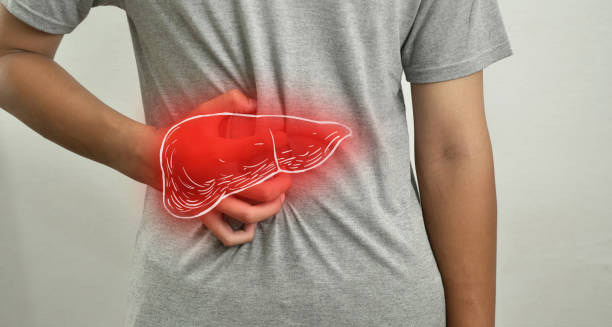
Person holding side in pain with liver illustration showing hepatitis A symptoms

Symptoms of Hepatitis A

Symptoms of Hepatitis A The symptoms of hepatitis A usually show up two to six weeks after catching the virus. The illness starts slowly. At first, it can look like the common flu or a stomach bug. Some people feel very sick, while others barely notice it. Adults often feel worse than children. Many young children, especially under six, show few or no symptoms. Yet, they can still pass the virus to others. Older children and adults tend to feel much sicker. Their symptoms last longer, often several weeks. Some people even feel tired for months after the illness ends. Early Symptoms of Hepatitis A The first stage of hepatitis A is called the “early phase” or prodromal phase. This stage happens before the typical liver symptoms appear. People may notice: Common Liver Symptoms of Hepatitis A After a few days, the illness moves into the second stage, called the icteric phase. This is when liver problems become more obvious. Liver-Related Symptoms During this stage, people usually see: These symptoms can come and go. Some people feel better and then worse again. This on-and-off pattern may last several weeks or months. The good news is that hepatitis A never becomes a long-term illness, and most people recover fully. Other Common Problems Many people lose their appetite. They also may feel sick when eating meat or fatty foods. Nausea can cause weight loss because eating becomes hard. Some children get diarrhoea, especially younger ones. They might only have diarrhoea without yellow skin, so doctors sometimes confuse hepatitis A with a stomach bug in kids. How Symptoms Change with Age Children Often Feel Less Sick Children under six years old often have no symptoms or just a mild fever. About 70% of young kids do not get yellow skin. Even when they seem fine, they can still spread the virus for weeks in their stool. This is why hepatitis A spreads quickly in schools or daycare centres. Adults Usually Feel Worse Adults often have worse symptoms. Many of them get jaundice and feel extremely tired. They may miss weeks of work or school. Older adults or people with weak livers are more likely to feel very sick. In rare cases, hepatitis A can cause serious liver failure, called fulminant hepatitis. Serious Warning Signs If you notice these signs, get medical help fast: These signs mean the liver is in trouble and needs urgent care. How Long Symptoms Last Recovery Time Most people feel better in two to four weeks. But some people, especially older adults, stay tired for months. Almost everyone gets better without liver damage. Over 99% of healthy people recover fully. Rare Relapses A few people get sick again after feeling better. This is called a relapse. They feel tired, sick, and sometimes yellow again. These relapses are usually milder and shorter than the first illness. Importance of Proper Testing Since hepatitis A looks like many other illnesses, proper testing is important. Blood tests can show if a person recently had hepatitis A by finding IgM antibodies. Summary: Recognising Hepatitis A Symptoms In short, hepatitis A causes different symptoms in different people. Children usually have few symptoms. Adults often feel more tired, sick, and develop yellow skin. Most people recover completely with rest and fluids. Early diagnosis helps people heal faster and prevents the virus from spreading to others [Next: Treatment of Hepatitis A →]

Symptoms of Hepatitis A Read More »

Treatment of Hepatitis A

Treatment of Hepatitis A

Treatment of Hepatitis A The treatment of hepatitis A focuses on relieving symptoms, supporting liver function, and preventing complications during the acute phase of infection. Most people get better without special medicine. This is because hepatitis A comes from a virus that clears up on its own. It does not cause long-term liver damage. Still, treatment needs care, especially for adults and people who are more at risk. Good care helps reduce discomfort, speeds up healing, and avoids serious problems like liver failure. There are no antiviral medicines for hepatitis A. Doctors use simple care to help the body recover. Treatment depends on how bad the symptoms are and the person’s overall health. Most people can rest at home while a doctor checks on them. But some people, like older adults or those with liver problems, might need to go to hospital if problems happen. How to Treat Hepatitis A at Home Doctors follow some basic steps to help people with hepatitis A: 1. Rest and Light Activity Tiredness is common with hepatitis A. People feel weak, especially in the early days when they have fever and nausea. Rest is very important during this time. People should avoid hard work or sports. Light walking at home is fine. As people feel stronger, they can slowly go back to normal life. 2. Drinking Fluids and Eating Well Fever, vomiting, and poor appetite can make people lose fluids. This can cause dehydration. It is very important to drink enough water. People should drink small amounts often. This includes water, clear soups, diluted juice, or drinks with electrolytes. Eating enough food is also key. Even with nausea, people should eat small meals often. Easy-to-digest foods are best. Here are some helpful tips: People do not need any special “liver-cleaning” diet. Strict diets can make things worse. A simple, healthy diet works best for healing. Managing Medicines Safely 3. Medicines for Hepatitis A Hepatitis A does not need antiviral drugs. But some medicines can help control symptoms. People must take medicines only with a doctor’s advice. This is because the liver may not work well during the illness. For example: People must avoid alcohol. Alcohol hurts the liver and can make the illness worse. They must also stay away from herbal products unless the doctor says it is safe. Many herbal products can actually damage the liver. 4. Seeing the Doctor Regularly Most people recover well. Still, doctors need to check on them while they heal. Regular doctor visits make sure: If jaundice lasts longer than six to eight weeks, doctors will check for other problems. These may include hepatitis B or C, gallbladder disease, or autoimmune hepatitis. When to Go to the Hospital 5. Severe Hepatitis A Needs Extra Care Sometimes, people get very sick with hepatitis A. This happens mostly in older people or those with weak livers. These people may need hospital care. In the hospital, doctors give fluids through a drip, fix salt and water balance, and keep close watch on liver health. If a person starts to feel confused or very tired, it could be a sign of liver failure. This is very serious. Doctors must act fast. Some people may need to go to a liver specialist or even a transplant center. 6. Stopping the Spread of the Virus People with hepatitis A can easily spread the virus. This happens mostly during the first two weeks before and after symptoms start. People should: Doctors should also teach families about these steps. This is extra important if there are young children, old people, or sick people in the home. How to Stop Others from Getting Sick In some situations, doctors may offer shots to people who live with or work with the sick person. They may get the hepatitis A shot or immune globulin. This helps stop others from getting sick if given within 14 days of contact. 7. How Long Recovery Takes Almost everyone recovers from hepatitis A. Most people feel better after two to four weeks. Some people feel tired for up to three months. Blood tests show the liver gets back to normal. People who recover gain lifelong protection from hepatitis A. The virus does not cause lasting liver problems in healthy people. People with other health problems may take longer to get better. For them, early treatment is very important. Treatment of Hepatitis A In short, the treatment of hepatitis A is simple and focuses on rest, fluids, and feeling better. Most people do not need hospital care or strong medicine. With good hygiene and quick doctor visits, people get better and avoid spreading the virus to others [Next: Complications of Hepatitis A →]

Treatment of Hepatitis A Read More »

Person clutching abdomen showing possible liver complications from hepatitis A

Complications of Hepatitis A

The complications of hepatitis A are relatively rare in otherwise healthy individuals, as the illness is generally self-limiting and does not progress to chronic liver disease. Most people get better completely within a few weeks or months without any lasting harm. However, some people can face serious problems. These include older adults, people with liver problems, or those with weak immune systems. In these cases, hepatitis A can cause very serious illness. Sometimes, it can even be life-threatening. This is why it is very important to know the risks and get the right medical care early. The worst and most dangerous problem is called fulminant hepatic failure. Many people also call it acute liver failure. Luckily, this happens in less than 1% of cases. But it is very dangerous and needs quick treatment. This problem happens when many liver cells get damaged. Then the liver can’t do important jobs. These include helping the blood clot, cleaning toxins from the blood, and handling body energy. Some signs of this problem are: Older people or those with liver problems like hepatitis B, hepatitis C, cirrhosis, or alcohol damage are more likely to get this problem. The risk of dying from this is high without a liver transplant. But early care and special treatment can help people survive. Other Common Problems of Hepatitis A Another problem is called prolonged cholestasis. This happens when bile does not flow well from the liver. People may have yellow skin, itching, and pale stools. These problems can last for weeks or even months after they get sick. Even though the virus does not stay active in this case, it can still make people feel very uncomfortable. Most people get better on their own. But doctors can give medicine to help with itching or to make bile flow better. Some people also get a second round of illness. This is called relapsing hepatitis A. About 10% of people may feel sick again after feeling better. They may feel very tired again, turn yellow, or have high liver enzymes. The second round is often weaker than the first one. It usually comes back two to eight weeks later. It can last a few days or weeks. The good news is it does not cause long-term liver problems. Rest and simple care at home are enough for most people. Extra Problems Outside the Liver A few people get problems outside the liver. Doctors call these extrahepatic problems. These are rare, but they can happen. Some of these problems include: The body’s immune system, not the virus, causes these problems. Most people get better with simple care and do not have any lasting issues. People with liver disease are at higher risk. If they get hepatitis A, their liver can quickly get worse. This is called acute-on-chronic liver failure. Even a mild hepatitis A infection can cause big problems like a swollen belly, confusion, bleeding, or kidney trouble. Doctors recommend that anyone with liver disease get the hepatitis A vaccine. Pregnancy and Hepatitis A Risks Pregnant women, especially in the last three months, can also have problems. But these problems are much less common than with hepatitis E. Some mothers may give birth early or have small babies. Sometimes, babies can catch the virus during birth. But this is rare. Most babies recover well with basic care. Pregnant women should get the hepatitis A shot if they are going to places where the disease is common or during an outbreak. Complications of Hepatitis A Hepatitis A does not cause long-term liver disease. But it can make the liver weak for a short time. Because of this, people should avoid drinking alcohol or taking too much medicine until their liver works well again. Hepatitis A can also cause trouble for the community. A small outbreak can lead to many problems. Health workers may have to start big vaccine programs, give public alerts, and check food safety. In places like schools, prisons, or shelters, hepatitis A spreads easily if people do not follow good hygiene rules. When this happens, health teams act fast by: These are not health problems from the disease itself. But they cause big challenges for health systems during outbreaks. Rare and Severe Cases In rare cases, people with very weak immune systems can stay sick for a longer time. This happens to people on chemotherapy or those with HIV/AIDS. These people can shed the virus for a long time and get sick again. Doctors need to watch these cases closely and give strong care. Summary of Hepatitis A Problems In short, most healthy people recover well from hepatitis A. But older people, those with weak immune systems, and people with liver disease can get very sick. The main problems are liver failure, blocked bile flow, illness coming back, and problems outside the liver. Early care, rest, vaccines, and public health actions help stop these problems [Next: Prevention of Hepatitis A →]

Complications of Hepatitis A Read More »

Healthy liver protected from hepatitis A virus with shield and checkmark

Prevention of Hepatitis A

Prevention of Hepatitis A The prevention of hepatitis A is a vital public health objective, especially in regions where sanitation is limited and outbreaks can spread rapidly through contaminated food or water. Hepatitis A spreads very easily. But it is simple to stop with a vaccine. Many people could avoid it if they had better hygiene, clean water, and vaccines. The top ways to stop hepatitis A include getting vaccinated, keeping places clean, learning about hygiene, and acting fast when there is an outbreak. Vaccination for Protection Getting vaccinated is the best way to stay safe from hepatitis A. The vaccine works very well. After one shot, it protects most people. A second shot, taken six to twelve months later, makes protection almost complete. This protection lasts many years. Adults and children over one year old should get it. In countries where hepatitis A happens often, giving the vaccine to all children lowers the number of sick people. It also cuts down how much the virus spreads without people knowing. Who Should Get the Vaccine Some people have a bigger risk of getting hepatitis A. They need the vaccine more than others. These people include: The vaccine also helps after someone is near a sick person. If they get the shot within 14 days, it can stop the illness or make it very mild. This is useful in families, schools, or workplaces where the virus may have spread before symptoms showed. Clean Water Keeps People Safe In places without clean water, it is very easy to get hepatitis A. The virus leaves the body through poop before and after a person feels sick. People must stay very clean to stop this. Safe Drinking Water Clean water is key. Where tap water is not safe, people should: Communities can treat water with chlorine or ultraviolet light. Building good water systems also helps stop hepatitis A. Better Sanitation Safe toilets help keep people healthy. In many outbreaks, people got sick from open toilets or broken sewers. It is important to: These actions also stop other sicknesses like cholera and typhoid. Safer Food Practices Hepatitis A often spreads through food. This happens when food workers do not wash their hands. To stop this: Restaurants and schools should check food safety rules often. Hand Washing is Very Important One of the easiest ways to stop hepatitis A is to wash hands often. People should wash their hands: If there is no soap and water, people can use hand sanitiser. But soap and water work better for hepatitis A. Teaching People Helps Prevent Illness Teaching people about hepatitis A helps stop it. Schools, shelters, and community groups should teach: During outbreaks, it is very helpful to give people quick and clear information. Local health workers can help by sharing tips and organizing care. Be Ready for Outbreaks When someone gets hepatitis A, it is very important to act fast. This is extra important in schools, care homes, or restaurants. Quick actions include: Sometimes, places need to close for a short time until things get cleaner and safer. Prevention of Hepatitis A In short, stopping hepatitis A needs many steps. People need vaccines, clean water, good toilets, clean food, and information. These steps also stop other stomach bugs. When people work together, they can keep hepatitis A away and make their community healthier. [Next: Outlook for Hepatitis A →]

Prevention of Hepatitis A Read More »

Outlook for Hepatitis A

Outlook for Hepatitis A

Outlook for Hepatitis A The outlook for hepatitis A is overwhelmingly positive for the vast majority of individuals, especially those who are otherwise healthy. As an acute viral illness that does not lead to chronic infection. The body typically clears the hepatitis A virus (HAV) on its own within a few weeks to months. Most people make a full recovery and go on to develop lifelong immunity. Meaning they will not get the disease again. While symptoms can be uncomfortable and temporarily debilitating. The outlook for hepatitis A remains excellent in both children and adults in most cases. Recovery from hepatitis A follows a predictable course. The initial symptoms—such as fatigue, nausea, abdominal discomfort, and low-grade fever—usually emerge two to six weeks after exposure. As the immune response intensifies, signs of liver inflammation like jaundice and dark urine appear. These peak within a week or two and then gradually subside. Most individuals start to feel better within two to four weeks. Although some symptoms, particularly fatigue and reduced appetite, may linger for up to three months. Outlook for Hepatitis A Children and younger adults tend to recover more quickly and experience fewer complications. In fact, many young children may have no symptoms at all, yet still develop full immunity after infection. This asymptomatic course contributes to the virus’s silent spread in communities but has little effect on long-term health. In contrast, older adults and individuals with underlying liver disease may have a more intense illness and require closer monitoring. However, even in these groups, full recovery is still the most common outcome. A small number of individuals (around 10%) may experience a relapsing course of hepatitis A, where symptoms return after an initial period of improvement. These relapses are generally milder than the original illness and resolve without complications. Most patients who experience relapse do not suffer long-term consequences and still develop lasting immunity. The risk of death from hepatitis A is exceptionally low. In healthy individuals under the age of 50, mortality is almost unheard of. However, older adults—especially those over 60—and individuals with chronic liver disease are at increased risk for complications, including a rare condition called fulminant hepatitis or acute liver failure. This occurs in less than 1% of all hepatitis A cases and requires urgent medical attention, often in a specialised liver unit. Even then, the overall survival rate remains favourable when managed promptly. Outlook for Hepatitis A One of the most comforting things about hepatitis A is that it never becomes a long-term problem. Unlike hepatitis B and C, which can stay in the liver and cause long-lasting harm, hepatitis A goes away after a short time. Once your body clears out the virus, it does not cause any more trouble, and there is no extra risk of liver scarring or liver cancer in the future. This is a big reason why the outcome for people with hepatitis A is usually very good. After you get better, liver blood tests—like ALT, AST, and bilirubin—might stay a little high for a few more weeks. However, they usually go back to normal within three months. Your doctor may ask you to come back for a check-up to make sure you are getting better as expected. During this time, it is a good idea to avoid alcohol, eat healthy meals, and take fewer medicines that can put pressure on your liver. These simple steps can make recovery smoother and faster. Outlook for Hepatitis A The mental outlook is also very positive. For example, finding out you have hepatitis A can feel scary—especially during outbreaks or when you feel sick for many days. Even so, it is very helpful to know you will get better fully and cannot get sick from it again. Talking to a healthcare provider and learning about the illness can calm your mind, especially if you are worried about giving it to others. On a bigger scale, the outlook for controlling hepatitis A in communities also looks good. Thanks to large vaccination programs in both high-risk and low-risk countries, far fewer people are getting sick. In places where children get the hepatitis A vaccine as part of their regular shots, outbreaks almost never happen anymore. Even more, better sanitation, safer drinking water, and more health education have stopped the virus from spreading in poor areas. Outbreaks Even with all these good things, some outbreaks still happen from time to time. These tend to happen in places where not enough people are vaccinated or where clean water and good toilets are missing—like during big storms or in refugee camps. Still, these outbreaks are usually kept under control with quick action from health workers, including vaccinating people who were near someone sick, giving out clean water, and teaching people to wash their hands often. It is also important to know that many countries keep track of every case of hepatitis A. Health workers watch for patterns, find outbreaks early, and act fast to stop more people from getting sick. This careful watching and fast action play a big part in making sure hepatitis A is controlled and even wiped out in some areas. For people at higher risk, the outcome gets even better by taking simple steps like getting the vaccine and learning about the disease. People with long-term liver problems should always get the hepatitis A vaccine, because getting both illnesses at once can make them much sicker. Healthcare workers, travellers going to places where hepatitis A is common, and people without steady homes also stay much safer by following these easy steps. Outlook for Hepatitis A To sum up, the outlook for hepatitis A is very good for almost everyone. Nearly everyone gets completely better, with no chance of long-term infection or lasting liver damage. While some people with higher risk may face problems, these are rare and can usually be avoided by catching the illness early and getting good care. By keeping up with vaccines, clean water, and health education, hepatitis A can

Outlook for Hepatitis A Read More »

Scroll to Top