Mental Matters

High Blood Pressure

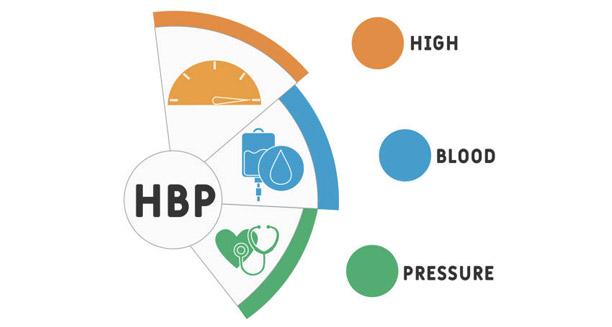
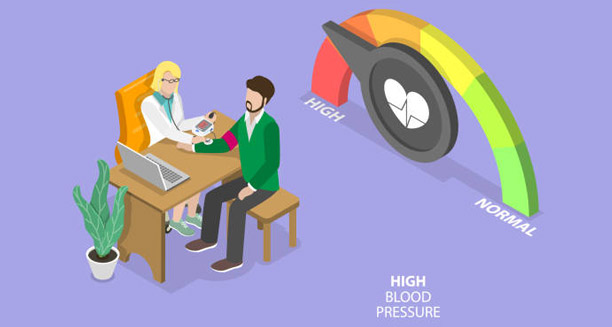
Infographic illustrating the concept of high blood pressure (HBP) with icons and colour-coded segments

High Blood Pressure

High blood pressure is one of the most common health problems worldwide. Despite its wide reach, it often goes unnoticed because it may not cause clear symptoms. Also known as hypertension, this condition happens when the force of blood pressing against the artery walls stays too high for too long. This constant pressure can damage blood vessels and vital organs, raising the risk of heart attacks, strokes, kidney failure, and other serious problems. Although the condition is common, it is also highly preventable and manageable. With the right treatment and lifestyle changes, most people can control it effectively. How Blood Pressure Works Blood pressure is measured using two numbers. The systolic pressure (top number) shows the force when your heart beats. The diastolic pressure (bottom number) shows the force when your heart rests between beats. A normal blood pressure reading is usually below 120/80 mmHg. If your reading is 140/90 mmHg or higher on a regular basis, it means you have high blood pressure. In older adults, sometimes only the top number is high. This is called isolated systolic hypertension, and it still needs attention. Two Types of High Blood Pressure There are two main types of high blood pressure: In both types, the pressure in the arteries rises above safe levels, increasing the risk of long-term damage. The “Silent Killer” One of the most dangerous things about this condition is that it often shows no symptoms. Many people discover they have it during a routine check-up—or worse, after a serious health scare. That’s why it’s often called a “silent killer.” Even without symptoms, this condition can cause permanent harm to the heart and blood vessels. Regular blood pressure checks are essential, especially if you’re over 40 or have a family history of hypertension. A Global Health Crisis The impact of high blood pressure is global. The World Health Organization estimates that over one billion people are living with hypertension. This number continues to rise, driven by poor diets, obesity, lack of exercise, and fast-paced urban living. In many low- and middle-income countries, the condition often goes undiagnosed and untreated. As a result, preventable deaths and serious complications are all too common. Managing High Blood Pressure The good news is that this condition can be managed. A healthy lifestyle, along with medication when needed, can lower blood pressure and reduce the risk of complications. Key lifestyle steps include: For some people, lifestyle changes alone are not enough. In these cases, doctors may prescribe antihypertensive medications. These drugs are usually very effective, especially when taken as directed. Taking Action on a Personal and Global Level To fight this growing health problem, public health programmes focus on education, prevention, and regular screening. Community events, heart health campaigns, and check-ups help people catch and treat high blood pressure early. But individuals also play a role. Knowing your blood pressure numbers, understanding your risks, and making smart lifestyle choices can protect your health in the long run. Final Thoughts High blood pressure is a serious condition, but it doesn’t have to be a life sentence. With early detection, smart lifestyle changes, and proper care, people can live long and healthy lives. Managing this condition not only helps extend life—it improves the quality of daily living for millions around the world. [Next: Causes of High Blood Pressure →]
High Blood Pressure Read More »

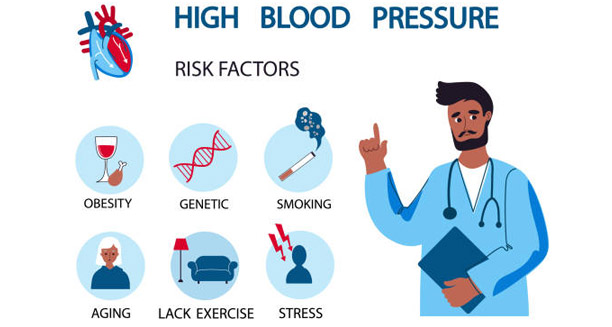
Illustration showing common causes of high blood pressure including obesity, genetics, smoking, and stress

Causes of High Blood Pressure

The causes of high blood pressure are numerous and often complex, involving a mix of genetic, lifestyle, and medical factors. Understanding the causes of high blood pressure is essential for both prevention and treatment, as it remains one of the most widespread and dangerous health conditions worldwide. High blood pressure, or hypertension, can quietly damage the body for years before symptoms appear, making early identification of its causes vital to long-term health. Doctors divide the causes of high blood pressure into two main types: primary (essential) and secondary. Primary hypertension makes up most cases and usually develops slowly without a single cause. Secondary hypertension, however, happens when a medical issue or medication raises blood pressure quickly and clearly. What Drives Primary High Blood Pressure Most people fall under the category of primary hypertension. It doesn’t come from one single problem. Instead, several known risks combine and build up over time: All of these risks often work together. That’s why small changes in diet, movement, or stress can have big effects. Managing these causes of high blood pressure early can stop it from developing. Secondary Causes of High Blood Pressure Sometimes, another health problem causes blood pressure to spike. This is called secondary hypertension, and doctors can often fix it once they treat the root problem. Some common causes include: When doctors suspect secondary causes of high blood pressure, they usually run detailed tests. Once they treat the cause, the pressure often drops to a safer level. Environmental Causes of High Blood Pressure The environment around us also plays a big part in rising blood pressure today. People in busy cities face more risk due to: These environmental causes of high blood pressure often affect groups of people rather than just individuals. That’s why public education and better health access are so important. Mixed and Overlapping Causes of High Blood Pressure In real life, causes often mix together. A person may be overweight, eat salty foods, and also have kidney trouble. When that happens, doctors can’t always point to one clear reason. Instead, they look at the full picture. Treating several causes at once—like eating better, losing weight, and taking medicine—gives the best results. This is called a holistic approach, and it works well when many small problems lead to high blood pressure. Understanding these overlapping causes of high blood pressure helps people and doctors find the right plan for treatment and prevention. Why Knowing the Causes Matters Because blood pressure often rises without early warning signs, knowing the causes is the best way to catch it early. People who check their blood pressure regularly—especially those with family risk or unhealthy habits—can often avoid serious complications. If you understand what raises your blood pressure, you can act fast. You may avoid heart disease, stroke, kidney failure, and vision loss just by tackling small risks early. Final Thoughts The causes of high blood pressure are wide-ranging. Some, like your age or genes, can’t be changed. But many others—like diet, stress, and activity—can be improved with effort. By taking control of these factors, both individuals and communities can fight back against one of the world’s deadliest conditions. With early action and better health choices, the future can be healthier for everyone. [Next: Symptoms of High Blood Pressure →]

Causes of High Blood Pressure Read More »

Doctor checking patient's blood pressure with high reading on gauge illustration

Symptoms of High Blood Pressure

Symptoms of high blood pressure are often subtle or completely absent in the early stages, which is why hypertension is frequently referred to as the “silent killer.” Because symptoms of high blood pressure are not always clear, many people live with dangerously high levels for years without realising it. This lack of obvious warning signs can delay both diagnosis and treatment. In the meantime, the condition quietly damages major organs like the heart, kidneys, eyes, and brain. Most of the time, high blood pressure doesn’t cause pain or discomfort. Still, it gradually harms the body’s systems. Often, the first noticeable sign only shows up when something serious happens—such as a heart attack, stroke, or kidney failure. That’s why regular checks are so important. This is especially true for people over 40 or those with extra risk factors like being overweight, having diabetes, not exercising, or having a family history of high blood pressure. Early Warning Signs of High Blood Pressure Some people with moderate or severe hypertension may have mild symptoms. These signs are not specific but can suggest that something is wrong: However, these symptoms can also happen with many other health issues. So, anyone who experiences them should check their blood pressure with a doctor or nurse. Symptoms During a Hypertensive Crisis When blood pressure gets extremely high—above 180/120 mmHg—it can lead to a medical emergency known as a hypertensive crisis. This needs urgent care. The signs are often strong and clear: These symptoms of high blood pressure should never be ignored. Quick medical help is crucial. Symptoms of High Blood Pressure in Different Age Groups The symptoms of high blood pressure vary with age and other health conditions. In young adults and teens, high blood pressure often shows no signs. If symptoms do appear, they are usually blamed on stress or tiredness. This delay in diagnosis can be risky because damage may begin early. Older adults are more likely to feel dizzy, have memory problems, or notice changes in their vision. These signs are often seen as part of ageing, but they can point to undetected high blood pressure. Children rarely develop hypertension. However, the numbers are growing because of increased obesity. When it does happen, signs might include headaches, feeling tired, or acting differently. Regular check-ups are important for spotting this early. When Other Conditions Cause the Symptoms Sometimes, symptoms of high blood pressure come from the health problems that cause it. These can include: In these cases, treating the main condition often helps lower blood pressure and reduce symptoms. How Long-Term Effects Can Become Symptoms Some people never feel anything until major health problems appear. These effects are not early symptoms, but they do show how dangerous untreated high blood pressure can be. These include: This shows how symptoms of high blood pressure often overlap with its long-term consequences. Regular checks can help avoid these serious problems. Symptoms of High Blood Pressure Often Go Unnoticed One of the main reasons high blood pressure is missed is because people ignore the early signs. Headaches, dizziness, and tiredness are often blamed on stress, poor sleep, or general fatigue. This leads to missed chances for early diagnosis. Community education, regular checks at clinics or pharmacies, and GP visits help spot the problem earlier. These actions make a big difference. Why Awareness of Symptoms of High Blood Pressure Matters Teaching people about the possible signs—no matter how minor—is essential. This education should also reach friends, relatives, and carers. They might notice small changes in mood, energy, or thinking that could suggest high blood pressure. Final Thoughts The symptoms of high blood pressure are usually unclear or confused with other problems. That’s why hypertension continues to be missed so often. But knowing what to look out for—and checking blood pressure regularly—can prevent long-term damage and save lives. Even if you feel fine, high blood pressure can still be hurting your body. Routine checks are a must for people of every age. [Next: Diagnosis of High Blood Pressure →]

Symptoms of High Blood Pressure Read More »

High blood pressure concept with clock and stethoscope on black background

Diagnosis of High Blood Pressure

The diagnosis of high blood pressure is a critical step in preventing cardiovascular complications, strokes, kidney damage, and other life-altering outcomes. Without early detection, this condition can harm the body without any warning signs. Checking for it early helps people get help before serious problems begin. The diagnosis of high blood pressure depends on regular checks, correct reading of the results, and knowing what might raise the risk. This early action gives people the best chance to avoid future health issues. Understanding Blood Pressure Readings Blood pressure is written as two numbers and measured in millimetres of mercury (mmHg). The first number, called systolic pressure, shows the force when the heart beats. The second, called diastolic pressure, shows the force when the heart rests between beats. Doctors don’t diagnose high blood pressure from one test. They look at readings taken over time. This helps them avoid false results caused by nerves or other short-term changes. Blood Pressure Categories Well-known health groups like the World Health Organization (WHO) and the National Institute for Health and Care Excellence (NICE) set the following categories: To confirm the diagnosis of high blood pressure, doctors take several readings on different days. This helps rule out “white coat hypertension,” which happens when nerves cause a higher reading during a doctor visit. How High Blood Pressure Is Measured Several ways can help confirm if someone has high blood pressure. The method chosen depends on the person’s risk and setting. In-Clinic TestingThis common method uses a cuff and either a stethoscope or a digital device. The person sits quietly for five minutes first. Two readings are taken and averaged. Still, clinic readings might not tell the full story if the results vary or seem too high. Ambulatory Blood Pressure Monitoring (ABPM)ABPM gives a clearer picture. The person wears a small monitor for 24 hours, which checks their blood pressure every 15 to 30 minutes during the day and night. This method shows how the pressure changes in real life. It’s often used when clinic readings seem off. Home Blood Pressure Monitoring (HBPM)People can also check their blood pressure at home using trusted devices. They usually take two readings each day for a week. Doctors then average the numbers. If the values stay high, the diagnosis of high blood pressure is confirmed. What Affects the Accuracy of Readings Several things can change the results of a blood pressure test. These include: Doctors are trained to avoid these issues. This helps ensure the diagnosis of high blood pressure is correct. Extra Tests After Diagnosis of High Blood Pressure Once high blood pressure is confirmed, doctors may order more tests. These help check for damage or find other causes, especially if secondary hypertension is possible. Tests may include: These results help doctors choose the best treatment plan. If there’s organ damage, more care is needed. Special Cases in Diagnosis White Coat HypertensionSome people only have high readings at the clinic. At home, their readings stay normal. While once seen as harmless, this pattern still carries some risk. Doctors use HBPM or ABPM to confirm the real numbers. Masked HypertensionThis is the opposite. Blood pressure looks normal at the clinic but rises at home. This type is harder to catch. It happens more in younger people, smokers, or those with high stress. High Blood Pressure During PregnancyPregnant women can also get high blood pressure. Doctors watch closely to prevent pre-eclampsia, a serious condition. Diagnosis uses regular readings and urine tests. Why Early Detection Saves Lives Finding high blood pressure early saves lives. It lets people start treatment before the condition causes long-term harm. Without this step, the heart and kidneys may suffer damage silently for years. Everyone over 40, or with risk factors like weight or family history, should get regular checks. In the UK, the NHS offers free blood pressure tests in clinics, pharmacies, and local events. This helps lower the number of people with untreated high blood pressure. Final Thoughts on Diagnosis of High Blood Pressure The diagnosis of high blood pressure is more than just taking numbers. It’s the first step toward living longer and staying healthy. Easy tools like home monitors and ABPM make early detection possible. But action—through awareness, regular checks, and access to care—is what truly makes the difference. [Next: Treatment of High Blood Pressure →]

Diagnosis of High Blood Pressure Read More »

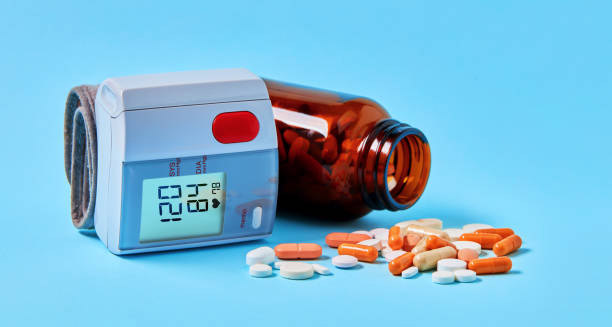
Blood pressure monitor and medication for treating hypertension on blue background

Treatment of High Blood Pressure

The treatment of high blood pressure is one of the most important public health strategies in the world today. Since high blood pressure can quietly harm the heart, kidneys, brain, and eyes, early care helps prevent stroke, heart attack, kidney failure, and early death. The good news is, there are many ways to manage it. With simple lifestyle changes and the right medication, most people can keep their blood pressure at safe levels. While high blood pressure usually can’t be cured, it can almost always be controlled. People who are diagnosed early often do well with diet, exercise, and stress control. Others may need daily medicine. The main goal is not just to lower the numbers—but to protect vital organs and stop future problems. Lifestyle Changes That Help The first step in the treatment of high blood pressure is changing daily habits. These changes help with or without medication. They are especially useful for those with early or mild high blood pressure. 1. Healthy Eating HabitsFood plays a big role in blood pressure. The DASH diet, which stands for Dietary Approaches to Stop Hypertension, is a popular choice. It includes: Even cutting back on salt alone can lower your top blood pressure reading by 5 to 6 points. That’s a big deal for your long-term health. 2. Regular ExerciseMoving your body often helps the heart and blood vessels work better. Try walking, biking, swimming, or dancing for at least 150 minutes a week. Add in strength training two or three times a week to support your heart even more. 3. Weight LossCarrying extra weight makes high blood pressure worse. Losing just 5 to 10% of your body weight can lower your blood pressure a lot—especially when paired with good food and regular movement. Supporting the Treatment of High Blood Pressure 4. Cutting Back on Alcohol and TobaccoToo much alcohol raises blood pressure. Men, in particular, should limit themselves to 14 units a week, spread out over several days. Smoking damages blood vessels and raises blood pressure too. Quitting is one of the best steps you can take. 5. Managing StressStress can drive blood pressure up. It also leads to bad habits like smoking or overeating. Mindfulness, deep breathing, counselling, and hobbies like music or gardening all help ease stress. Making time for these every day can improve results over time. When Medicine Is Needed If lifestyle changes alone don’t help, or if blood pressure is very high, doctors may prescribe medicine. The type depends on your age, health, and personal needs. Here are the most common ones: Sometimes, people need two or more drugs. A combined pill can make this easier to manage. Tailoring the Treatment of High Blood Pressure There’s no one-size-fits-all approach. Doctors think about many things when picking the right plan. These include: For example, a healthy young adult might start with lifestyle changes and one pill. An older person with diabetes may start with two drugs and get checked often. Keeping Track and Making Changes Regular checkups matter a lot. Doctors might adjust medications based on how well they work and how they make the person feel. Blood and urine tests help track kidney health and salt levels in the body. It also helps to check your blood pressure at home. This way, people can spot patterns, see progress, and feel more in control. Challenges in the Treatment of High Blood Pressure Even though we have good treatments, many people still have high blood pressure. Some reasons include: To fix this, health groups are focusing on better patient education, simpler treatment plans, local clinics, and even apps or text messages to help people stay on track. Other Helpful Options Some people also try natural or extra approaches. These should not replace medicine but can support it. Examples include: Always speak to your doctor first before trying anything new—especially when taking pills. Final Thoughts The treatment of high blood pressure takes effort from both patients and health providers. With daily care, the right medicine, and regular follow-up, most people can live long, full lives. What makes the biggest difference? Education, support, and steady care. These make sure people don’t just survive high blood pressure—they thrive. [Next: Complications of High Blood Pressure →]

Treatment of High Blood Pressure Read More »

Concerned senior woman describing chest discomfort during consultation with healthcare provider

Complications of High Blood Pressure

The complications of high blood pressure can be life-threatening, far-reaching, and often irreversible if left unchecked. Also known as hypertension, this condition silently damages the body over time, putting immense strain on vital organs without necessarily presenting any early symptoms. Because of this silent progression, many people remain unaware they are at risk until a serious event occurs—such as a stroke or heart attack. Addressing the complications of high blood pressure is essential not only for patients but also for public health systems aiming to reduce premature death and disability. High blood pressure causes direct harm by raising the force inside blood vessels. This makes the heart and other organs work much harder to keep blood flowing. Over time, this extra strain weakens the arteries, encourages narrowing of blood vessels, and interferes with how the body’s systems work. Knowing about these problems is key to starting treatment early and keeping blood pressure in check. Cardiovascular Problems from High Blood Pressure Brain and Nerve System Complications of High Blood Pressure Kidney-Related Complications Eye Damage from High Blood Pressure Sexual and Reproductive Effects Pregnancy Risks from High Blood Pressure Other Health Risks and Complications of High Blood Pressure Emotional Strain and Mental Health Effects High blood pressure does more than harm the body. It also affects the mind. Many people worry about strokes, side effects, or living with a lifelong condition. These worries often lead to anxiety or depression. Doctors and support groups can help people cope and feel less alone. Preventing the Complications of High Blood Pressure You can avoid most complications of high blood pressure with early action. Checking your blood pressure often helps catch it before damage happens. Eating healthy, staying active, limiting alcohol, and not smoking all lower risk. These habits protect your heart and other organs too. Doctors don’t just give medicine—they also guide patients through treatment. They explain what can happen if blood pressure stays high. They also help with things that make it hard to stick to the plan, like side effects or costs. Final Thoughts on the Complications of High Blood Pressure The complications of high blood pressure are serious, but most are preventable. Starting early, staying consistent, and getting the right help make a big difference. With knowledge, good habits, and support, people can take control and live longer, better lives. [Next: Outlook for High Blood Pressure →]

Complications of High Blood Pressure Read More »

Nurse monitoring elderly woman’s blood pressure and recording results during a home visit

Outlook for High Blood Pressure

The outlook for high blood pressure varies significantly depending on when the condition is diagnosed, how consistently it is managed, and whether complications have already developed. For people diagnosed early, managing high blood pressure becomes more manageable. Lifestyle changes and sticking to medication can lead to a good outcome. Many individuals with high blood pressure live full, healthy lives with little disruption. But when it stays uncontrolled, serious risks increase. These include heart attacks, strokes, kidney failure, and memory loss. High blood pressure is often called a “silent killer.” It causes damage over time, often without symptoms. Fortunately, more people are getting diagnosed earlier due to better awareness. This improves long-term outcomes. Still, in many parts of the world, especially where healthcare is limited, the condition remains a major health problem. Long-Term Prognosis with Controlled Blood Pressure The outlook for high blood pressure is much better when people take control early. Studies show that keeping blood pressure below 130/80 mmHg greatly reduces health risks. Even small drops in pressure can improve survival. Those who monitor and manage their blood pressure avoid serious complications. Regular check-ups, a healthy diet, exercise, and taking medicine as directed all help. Understanding the condition also plays a big role. People who know what high blood pressure does are more likely to follow their treatment plans. This lowers the chances of future problems. Poor Outlook When Left Untreated On the other hand, the outlook for high blood pressure is worse when left untreated. Over time, constant high pressure strains the arteries and harms major organs. Doctors call this “target organ damage,” meaning harm to the heart, brain, kidneys, and eyes. Skipping treatment or stopping medication often leads to serious emergencies. A sudden rise in blood pressure, called a hypertensive crisis, may need emergency care or can even cause death. Long-term problems also include kidney damage, vision loss, and memory issues. In many of these cases, damage cannot be undone. Treatment then shifts from stopping the disease to managing long-term complications. This may shorten life by 10 to 20 years, depending on how badly the organs are affected. The Outlook for High Blood Pressure and Life Expectancy The outlook for high blood pressure, in terms of life expectancy, depends on how quickly it is managed. Research shows people with controlled blood pressure live 5 to 10 years longer than those with uncontrolled pressure. Even older adults benefit. Starting treatment later in life still lowers the risk of stroke, heart attacks, and memory loss. Quality of Life and High Blood Pressure The outlook for high blood pressure is not only about how long someone lives. It’s also about how well they live. With proper care, people can stay active, independent, and enjoy daily life. Treatment helps reduce tiredness, keeps the mind sharp, and lowers the risk of serious problems. But in advanced cases, life quality may drop. Conditions like kidney disease or heart failure make daily tasks harder. Mental health may also suffer. In these situations, help from different types of doctors is often needed—such as heart, kidney, and mental health specialists. Living with a long-term condition can also affect emotions. Worrying about heart health or dealing with side effects may lead to anxiety. Support groups, counselling, and good medical advice can help ease this burden. The Role of Technology in the Outlook for High Blood Pressure New tools have greatly improved the outlook for high blood pressure. Home blood pressure monitors, health apps, and video doctor visits make it easier to track and manage the condition. These tools allow fast changes in care when needed. New medicines also help. Many are long-lasting and have fewer side effects, so people are more likely to take them. Some pills now combine two or more drugs, making treatment simpler. In the future, genetic testing and smart computer systems may make care even better. These could help spot the disease early and tailor treatment to each person. Challenges Around the World The outlook for high blood pressure is not the same everywhere. In some areas, especially in sub-Saharan Africa and parts of Asia, many people don’t know they have it. Access to care, medicine, and health education is limited. Even in wealthy countries, certain groups—like older adults and low-income communities—face worse outcomes. They may not have regular access to doctors or may not trust the system. To change this, many places have started public health programmes. These include blood pressure screenings, reducing salt in foods, and offering cheap or free medicine. But long-lasting change will require more money, education, and government support. A Positive Outlook for High Blood Pressure The outlook for high blood pressure has improved over the past 20 years. Thanks to better tests, stronger medicine, and more awareness, more people are living longer and better lives. Those who follow their care plan, make healthy changes, and go to regular check-ups often do very well. But the condition still causes problems around the world. To keep making progress, we need better education, new tools, and strong primary healthcare systems. In the end, high blood pressure does not have to control your life. With support, a plan, and the right tools, the outlook for high blood pressure can be very positive. [Next: Back to Overview →]

Outlook for High Blood Pressure Read More »

Scroll to Top