Mental Matters

Hirschsprung’s Disease

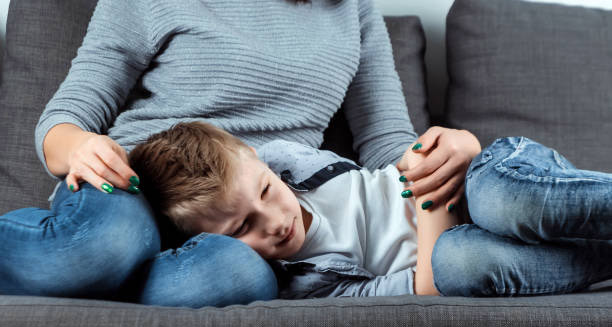
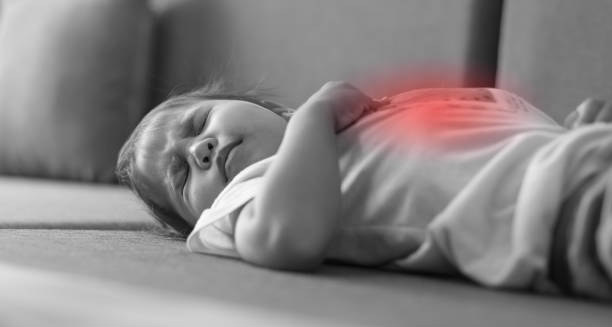
Sick toddler lying on couch clutching abdomen in pain

Hirschsprung’s Disease

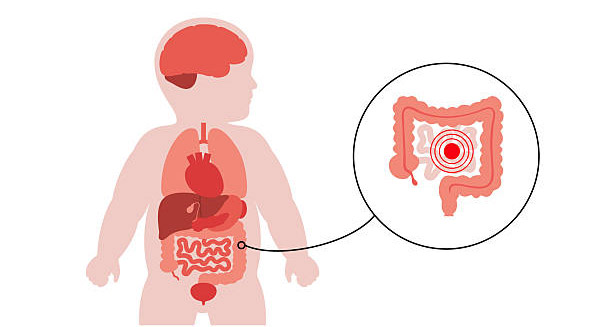
Hirschsprung’s disease is a rare bowel disorder present at birth. It happens when nerve cells that help the bowel move stool are missing from parts of the large intestine. These nerve cells, called ganglion cells, allow the bowel to relax and push waste through. Without them, the affected bowel stays tight and blocks stool. This leads to severe constipation and sometimes infection. Hirschsprung’s disease often shows soon after birth. Some mild cases appear later in infancy or early childhood. What Happens in the Bowel In a healthy bowel, food moves forward because muscles contract in a pattern. This process is controlled by nerve cells in the bowel wall. These cells form early in pregnancy and travel down the colon during growth. In Hirschsprung’s disease, this movement stops too soon. The lower part of the bowel does not get enough nerve cells. The longer the section without nerves, the worse the symptoms. In 80% of cases, only the rectum and sigmoid colon are involved. In severe cases, the whole large bowel or part of the small bowel is affected. How Common Is It? This condition affects about 1 in 5,000 births. It is four times more common in boys than girls. Children with Down syndrome or other genetic conditions have a higher risk. While Hirschsprung’s disease often happens by chance, some cases run in families. When longer bowel segments are involved, family history is more likely. Signs and Early Warning One clear sign in newborns is not passing meconium (the first stool) in the first 48 hours. Babies may also have a swollen belly, vomiting, or feeding problems. In severe cases, the blocked bowel can cause enterocolitis. This is a dangerous infection that can lead to dehydration, sepsis, or a hole in the bowel. Quick diagnosis and treatment are vital. Symptoms in Older Children If the condition is missed at birth, children often suffer from constant constipation. They may have a big belly, poor weight gain, and loss of appetite. Some pass watery stool around hard masses in the bowel. This is called overflow diarrhoea and can confuse doctors. Over time, these children may grow slowly and feel unwell. How Doctors Confirm the Diagnosis When doctors suspect Hirschsprung’s disease, quick referral to a specialist is important. Tests include a contrast enema X-ray to look for a “transition zone” where the bowel changes shape. Another test, anorectal manometry, checks muscle function. The only way to confirm the disease is with a rectal biopsy. This test shows if nerve cells are missing. Treatment and Outlook Surgery is the main treatment for Hirschsprung’s disease. The most common surgery is a pull-through operation. Doctors remove the part of the bowel without nerves and join the healthy part to the anus. Many hospitals use keyhole (minimally invasive) surgery for this. If the child is very sick or has infection, doctors may first create a colostomy to allow recovery. Later, the main surgery is done. Most children do well after surgery, but some may have constipation, soiling, or infections for a while. They may need medicine, diet changes, or physiotherapy to help. Regular follow-up visits are important to check growth and bowel health. Life After Surgery Most children lead normal lives after treatment. But some may have long-term problems like constipation or repeated infections. The condition can also cause stress for older children. Support from doctors, therapists, and parent groups helps families cope. Early diagnosis and surgery give the best results. Parents should watch for signs such as delayed meconium or swollen belly in newborns. While Hirschsprung’s disease can seem scary, advances in surgery and care have improved outcomes. With proper treatment, most children gain full bowel control and grow well. Looking Ahead Research on the genes that cause Hirschsprung’s disease may lead to earlier diagnosis and new treatments in the future. Surgical techniques also keep improving, giving affected children a brighter outlook. [Next: Causes of Hirschsprung’s Disease →]
Hirschsprung’s Disease Read More »

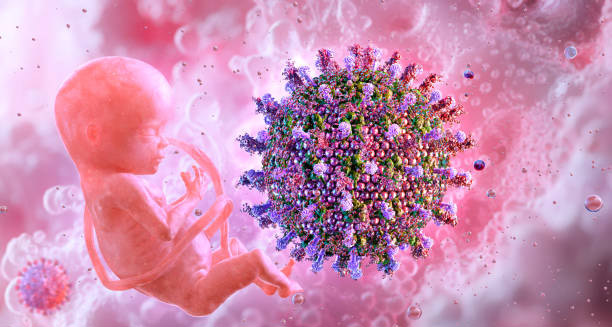
Digital illustration of virus near developing foetus representing genetic causes of Hirschsprung’s Disease

Causes of Hirschsprung’s Disease

Understanding the causes of Hirschsprung’s disease begins with knowing it is present at birth. This disorder starts early in pregnancy when nerve cells do not finish their normal movement through the bowel. These cells, called ganglion cells, control the bowel muscles that push stool forward. When this process fails, part of the bowel cannot relax, causing a blockage. The main causes of Hirschsprung’s disease are genetic changes and problems during early growth in the womb. The severity can vary in each child. How the Problem Starts The bowel nerves form between weeks five and twelve of pregnancy. Special cells from the neural crest move into the gut wall and become ganglion cells. These cells allow peristalsis, the wave-like motion that moves food through the gut. In Hirschsprung’s disease, this movement stops too soon. Parts of the colon or sometimes the small bowel do not get nerve cells. These areas stay tight and block stool. Waste and gas then build up above the blockage. Role of Genes The main reason for this failure is genetic. The RET gene is the most common cause. It makes a protein that helps nerve cells grow. Other important genes include EDNRB, EDN3, GDNF, and SOX10. These work together in a complex system. A change in one or more of them can stop nerve growth in the bowel. The condition can run in families. In some cases, it appears by chance. If there is a family history, the risk for siblings is higher. The inheritance pattern may be dominant or recessive, depending on the gene and the length of bowel affected. Longer bowel segments often run more strongly in families. Boys get short-segment disease more often than girls. Long-segment disease affects both sexes equally. Links with Genetic Syndromes Hirschsprung’s disease can also occur with chromosomal problems. Down syndrome is the most common. Up to 10% of children with Hirschsprung’s also have Down syndrome. Other linked conditions include Waardenburg syndrome, Mowat-Wilson syndrome, and CCHS (congenital central hypoventilation syndrome). These links show how nerve development issues play a key role in this disease. Do Environment or Pregnancy Factors Matter? Environmental factors do not seem to cause Hirschsprung’s disease. However, doctors believe that unknown changes in the womb or gene activity might play a small role. No strong link has been found with a mother’s diet, lifestyle, or infections during pregnancy. This makes the condition very different from other birth defects caused by outside factors. How Much of the Bowel Is Affected? The length of bowel without nerve cells varies. In most children (about 80%), only a short part of the rectum or sigmoid colon is involved. In 15–20%, the disease goes higher in the colon. Rarely, it affects the whole colon or even the small bowel. These severe forms usually appear soon after birth and often link to family history or other syndromes. Why Understanding the Causes Helps Research continues on the causes of Hirschsprung’s disease. Genetic studies now make diagnosis and family risk checks easier. Testing can help families plan early care and future pregnancies. In short, the causes of Hirschsprung’s disease come from early nerve growth problems in the bowel. These mainly result from gene changes in RET and other key genes. They sometimes occur with chromosomal syndromes. So far, no clear environmental risk is known. Learning these causes helps doctors give better advice, plan care, and improve outcomes for families. [Next: Symptoms of Hirschsprung’s Disease →]

Causes of Hirschsprung’s Disease Read More »

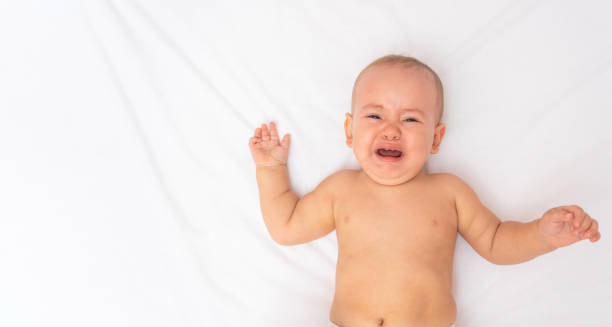
Crying baby lying on white sheet, indicating possible symptoms of Hirschsprung’s disease

Symptoms of Hirschsprung’s Disease

The symptoms of Hirschsprung’s disease can vary significantly depending on the age of the child, the length of the affected bowel, and the presence of complications. Early Symptoms in Newborns Some cases show up in the first days of life due to clear signs of bowel blockage. Others appear weeks or months later, especially in mild forms. Knowing the early symptoms of Hirschsprung’s disease is key for quick diagnosis and timely surgery. This prevents life-threatening problems and improves long-term outcomes. In newborns, one major sign is failure to pass meconium in the first 24 to 48 hours after birth. Meconium is the first dark stool most babies pass soon after delivery. In healthy infants, this happens without delay. In Hirschsprung’s disease, missing nerve cells stop normal stool movement. This leads to blockage. The baby often has a swollen belly, green or bilious vomiting, and refuses feeds. Severe cases may show enterocolitis. This is a dangerous bowel infection with fever, watery diarrhoea, and dehydration. Symptoms in Older Infants and Toddlers As babies grow, symptoms of Hirschsprung’s disease change. Older infants and toddlers often suffer from constant constipation that does not improve with diet, fluids, or common laxatives. Parents may notice bloating, fussiness, and feeding troubles. The child may pass only small, hard stools now and then. Sometimes, liquid stool leaks around the hard mass, called overflow incontinence. This can look like diarrhoea and confuse parents or doctors. The belly often stays big due to trapped gas and stool. Some children feel pain or cramps after meals. Poor appetite and slow weight gain follow. Over time, long-term constipation and bowel swelling affect growth and health. If untreated, the bowel can tear or severe enterocolitis can happen. Both are emergencies. Symptoms in Older Children Older kids and even teens with untreated Hirschsprung’s disease may have subtle signs. They may deal with constant constipation, stool accidents, or stress from bathroom issues. Some need enemas or rectal washes to pass stool. This can cause shame, low confidence, and social withdrawal. A full medical history and proper tests prevent misdiagnosis as functional constipation. Hirschsprung-Associated Enterocolitis A serious symptom of Hirschsprung’s disease is enterocolitis. It can happen at any age but is most common in young children. It starts suddenly with fever, belly pain, bad-smelling diarrhoea, and dehydration. Bacteria and trapped stool in the bowel cause this. If untreated, it can lead to shock or bowel rupture. Quick treatment with antibiotics, bowel rest, and fluids is vital. Even after surgery, it can return, so close watch is needed. Why Symptoms Vary The symptoms of Hirschsprung’s disease often cause confusion and delay diagnosis. Constipation is common in kids, so doctors may blame diet, stress, or habits. Hirschsprung’s should be suspected when constipation is severe, does not improve, or comes with belly swelling, late meconium, or blockage signs. The length of the bowel without nerves also changes symptoms. Short-segment disease affects only the lower bowel, so signs may appear later and seem mild. Long-segment or total colonic disease appears in newborns, with severe symptoms and high risk of complications. Children with large affected areas often have other problems or genetic syndromes. Why Quick Action Matters Recognising the symptoms of Hirschsprung’s disease early is essential for proper care. Parents should watch for bowel issues from birth, especially if family history or related conditions like Down syndrome exist. Doctors must stay alert in cases of stubborn constipation or unexplained blockage. Fast referral, correct tests, and early surgery greatly improve a child’s quality of life. The sooner the condition is found and treated, the better the outcome. [Next: Diagnosis of Hirschsprung’s Disease →]

Symptoms of Hirschsprung’s Disease Read More »

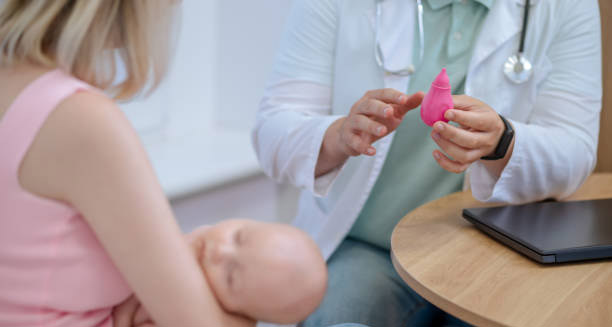
Paediatric doctor explaining diagnostic tools for Hirschsprung’s disease to mother with infant

Diagnosis of Hirschsprung’s Disease

The diagnosis of Hirschsprung’s disease is a critical step in ensuring prompt and effective treatment. Why Early Diagnosis Matters This condition affects the large intestine from birth. Early detection lowers the risk of complications and long-term digestive problems. The diagnosis of Hirschsprung’s disease can happen soon after birth or later in childhood. This depends on the severity and length of the affected bowel segment. Timely recognition needs careful symptom checks, specific tests, and confirmation through biopsy. Key Warning Signs in Newborns Newborns with signs of bowel blockage—like a swollen belly, green vomiting, or no meconium within 48 hours—need urgent care. In such cases, Hirschsprung’s disease should be considered. Mild cases show signs later, such as chronic constipation and poor growth. These often delay diagnosis. A detailed medical history and physical exam guide the first suspicion and choice of tests. Common Diagnostic Tests The first test is usually a contrast enema X-ray. This shows the shape of the large bowel. In this test, a special dye is placed in the rectum and colon to outline the intestine. Children with Hirschsprung’s disease often show a “transition zone.” This means a narrow lower bowel without nerve cells, followed by a swollen section above it. This finding suggests the disease but does not confirm it. In very young babies or unusual cases, the transition zone may not appear clearly. More tests may then be needed. Another useful test is anorectal manometry, often for older infants and children. This checks the function of the anal muscles. Normally, when the rectum fills, the internal anal muscle relaxes. This is called the rectoanal inhibitory reflex (RAIR). In Hirschsprung’s disease, this reflex does not happen because the bowel lacks nerve cells. This test is non-invasive and good for short-segment disease. But it can be hard to do in newborns. Biopsy: The Confirming Test The definite diagnosis of Hirschsprung’s disease needs a rectal biopsy. Doctors take a small tissue sample from the rectum to look under a microscope. They check for nerve cells and thick nerve fibres. In babies, a suction biopsy is often used. It does not need full anaesthesia and samples the layers that hold the nerve cells. If the sample shows no nerve cells and thick nerve fibres, the diagnosis is confirmed. Older children or unclear cases may need a full-thickness biopsy. This uses general anaesthesia and removes a deeper piece of bowel wall. Special stains like AChE or immunohistochemistry help show nerve structures. Though more invasive, this test gives accurate results for complex cases. Extra Imaging and Genetic Testing Sometimes, extra imaging like ultrasound or MRI is used. These tests show bowel swelling or related problems. They do not confirm Hirschsprung’s disease but help rule out other causes. In some families, doctors also do genetic tests. Genes like RET, EDNRB, and SOX10 can cause the condition. Finding these helps in planning, but it is not needed for the first diagnosis. Ruling Out Similar Conditions It is important to separate Hirschsprung’s disease from other problems like hypothyroidism, meconium plug syndrome, or bowel movement disorders. Wrong diagnosis delays treatment and raises risks. That is why a team approach with paediatricians, surgeons, gastro doctors, and pathologists works best. Why Timely Diagnosis Saves Lives Early and correct diagnosis prevents long suffering and allows fast surgery to restore bowel function. It lowers the risk of infection, bowel perforation, and growth failure. Once doctors confirm the condition, families can get support and prepare for surgery and aftercare. Doctors must stay alert for Hirschsprung’s disease in children with lasting constipation, especially when usual treatments fail. Signs like no stool in the first two days, repeated vomiting, a swollen belly, and poor weight gain need quick attention. A careful and active approach to diagnosis is the first step in helping children live healthy lives. [Next: Treatment of Hirschsprung’s Disease →]

Diagnosis of Hirschsprung’s Disease Read More »

Treatment of Hirschsprung’s Disease

Treatment of Hirschsprung’s Disease

The treatment of Hirschsprung’s disease is centred around surgical intervention aimed at removing the affected section of bowel that lacks nerve cells, thereby restoring normal intestinal function. Why Surgery is Important The aganglionic segment cannot move stool. This causes blockage, infection, and poor nutrition. Early and proper treatment of Hirschsprung’s disease prevents serious problems and improves long-term results for children. Most cases need surgery within the first year, often soon after diagnosis. The main surgery is called a pull-through procedure. It removes the diseased bowel and connects the healthy part to the anus. The goal is to keep continence and normal bowel function while clearing the blockage. Different techniques exist, such as Swenson, Soave, and Duhamel. Each uses a slightly different method to remove and reconnect the bowel. Modern Surgical Options Today, surgeons often use minimally invasive or laparoscopic pull-through surgery. This reduces recovery time, scarring, and infection risk. In some centres, the operation is done entirely through the anus, called a transanal pull-through. No matter the method, the aim is to remove the diseased part and make sure the rest of the bowel works well. When a child is very sick—due to enterocolitis, large bowel swelling, or poor nutrition—the surgery may happen in two steps. First, doctors create a diverting ostomy. They bring part of the healthy bowel to the surface of the abdomen to form a stoma (opening). This allows waste to exit into a colostomy bag. This gives the bowel time to heal while the child gains strength and better nutrition. Later, the pull-through surgery is done, and the ostomy is closed. Care After Surgery Post-surgical care is key in the treatment of Hirschsprung’s disease. Many children get back normal bowel habits. Some face problems like constipation, soiling, or enterocolitis. Constipation is common after surgery, especially if a short part of bowel still does not work well. Doctors usually manage this with diet changes, stool softeners, or bowel training under supervision. Another issue is Hirschsprung-associated enterocolitis. It can happen even after surgery. Parents learn to watch for warning signs such as fever, diarrhoea, and a swollen belly. They must seek care fast if these appear. Treatment includes antibiotics and rectal washes. In children with repeated episodes, preventive care may be needed. Managing Ongoing Problems Some children may soil or struggle with incontinence, which can be stressful. This often happens because of delayed toilet training or bowel movement issues, not due to surgery errors. Time, specialist care, and bowel programs usually help. Paediatric gastroenterologists and occupational therapists often guide families through this stage. Rarely, when the first surgery fails or problems remain, doctors may need to do another surgery. This could mean removing more bowel or fixing the connection. Children with long-segment or total colonic disease often have harder recoveries. They might need extra feeding support or even intravenous nutrition in severe cases. Long-Term Support and Monitoring All children need regular check-ups after treatment of Hirschsprung’s disease. These visits track growth, bowel habits, and early signs of new issues. Some children benefit from emotional support, especially older kids who feel embarrassed about toileting. Parents also need education. They must know how to care for the bowel, keep hygiene, and notice danger signs. Support groups and counselling can help families cope. Families with a history of Hirschsprung’s disease may also need genetic counselling. This helps them understand the risk of having another child with the same problem and plan for early checks. Future of Treatment New research is looking at stem cell therapy and other methods that may work with or replace surgery. These treatments are not available yet, but they show promise for the future. Conclusion The treatment of Hirschsprung’s disease involves surgery, aftercare, regular follow-up, and family support. Most children recover well and live healthy lives. Still, ongoing care is important for problems like constipation or infections. Early and strong treatment makes a big difference in the quality of life for both child and family. [Next: Complications of Hirschsprung’s Disease →]

Treatment of Hirschsprung’s Disease Read More »

Unwell child lying on mother’s lap, illustrating complications of Hirschsprung’s disease

Complications of Hirschsprung’s Disease

The complications of Hirschsprung’s disease range from mild bowel issues to life-threatening infections. While the condition is treatable with surgery, many children continue to face long-term challenges. Ongoing care is often needed. Understanding these complications helps families and healthcare providers act early, reduce risks, and improve a child’s quality of life. Hirschsprung-Associated Enterocolitis (HAEC) One of the most serious complications is Hirschsprung-associated enterocolitis (HAEC). This life-threatening infection can occur before or after surgery. It causes symptoms like fever, vomiting, abdominal pain, explosive diarrhoea, and a swollen belly. In severe cases, HAEC leads to dehydration, sepsis, and even death if not treated quickly. Doctors are not exactly sure what causes HAEC. However, it likely results from stool build-up, bacterial overgrowth, and weak gut immunity. The highest risk is during the first year of life and soon after pull-through surgery. Treatment includes IV antibiotics, fluid replacement, bowel rest, and rectal irrigations. If HAEC returns often, doctors may prescribe long-term antibiotics or consider another surgery. Constipation After Surgery Chronic constipation is another common problem after surgery. Even when the aganglionic bowel has been removed, some children still struggle to pass stool. This might happen due to poor motility in the remaining bowel or incomplete resection. These children may need stool softeners, enemas, or a bowel management programme. In more complex cases, tests such as manometry or biopsies can help find the cause. Faecal Incontinence and Its Effects Some children develop faecal incontinence after surgery. They may have trouble holding in stool due to weak sphincters, reduced sensation, or behavioural issues. This complication can impact mental well-being—especially for older children. It often leads to embarrassment, low confidence, and social withdrawal. Multidisciplinary support makes a big difference. A care team that includes paediatric gastroenterologists, continence nurses, and psychologists can help children manage incontinence and build self-esteem. Rare but Serious Complications In rare cases, children develop intestinal failure. This happens when the remaining bowel cannot absorb enough nutrients or fluids. It is more likely in children with total colonic aganglionosis or those who’ve had many surgeries. These children may need long-term nutrition support, including tube feeding or total parenteral nutrition (TPN). TPN carries risks of liver problems, blood infections, and growth delays. Children with intestinal failure often work with intestinal rehabilitation teams who manage these complex treatments. Bowel perforation is another serious risk. It can happen when enterocolitis is not diagnosed or treated in time. A perforation allows stool and bacteria to enter the abdomen, causing peritonitis—a life-threatening emergency. This condition requires immediate surgery and intensive care. Other Medical and Surgical Complications Some children with Hirschsprung’s disease also have urinary tract problems. These may include urinary retention or bladder dysfunction. This is more likely when the disease affects long segments of the bowel or involves the nervous system more broadly. Children may need a urologist’s help to manage these issues and prevent infections. Surgical complications can also arise. Common problems include: These issues may require additional surgery, especially if symptoms like pain or blockage occur. Emotional and Developmental Challenges Complications aren’t only physical. Many children face emotional and social difficulties, especially if they’ve had long hospital stays or repeated surgeries. Bowel problems can cause anxiety, depression, and issues with body image or friendships. These challenges often grow more serious during the teenage years. Support from mental health professionals, social workers, or peer groups can help children cope. Emotional care is just as important as physical treatment in ensuring a healthy recovery. Complications in Children with Genetic Syndromes About 12% of children with Hirschsprung’s disease also have a genetic syndrome, such as Down syndrome, Waardenburg syndrome, or MEN2. These conditions bring their own challenges and may affect treatment plans. A multidisciplinary team—including endocrinologists, geneticists, and developmental specialists—is usually needed to coordinate care and ensure good outcomes. Importance of Long-Term Follow-Up Many of these complications can be managed well—especially when caught early. Regular follow-up is key. Children should be monitored for growth, nutrition, bowel function, and emotional well-being. A strong care plan can prevent long-term problems and help children thrive. Advances in surgery, better awareness, and improved aftercare have all contributed to better outcomes. With the right support, most children with Hirschsprung’s disease go on to live full and healthy lives. [Next: Outlook for Hirschsprung’s Disease →]

Complications of Hirschsprung’s Disease Read More »

Young child sitting on toilet, representing recovery outlook for Hirschsprung’s disease

Outlook for Hirschsprung’s Disease

The outlook for Hirschsprung’s disease has significantly improved over recent decades due to advances in surgical techniques, earlier diagnosis, and better post-operative care. Where once the condition carried a high risk of mortality, especially in infants with severe bowel obstruction or enterocolitis, today most children with Hirschsprung’s disease survive and lead relatively normal lives. The outlook for Hirschsprung’s disease depends on a variety of factors, including the length of the aganglionic segment, the child’s age at diagnosis, the presence of complications, and any associated syndromes. What to Expect After Surgery Most children do well after having a pull-through procedure. Many gain good bowel control and enjoy a good quality of life. With proper care, they take part in school, play sports, and stay active in social life. Right after surgery, bowel habits can take some time to settle. This might take a few months—or even longer for some kids. Still, the long-term outcome is usually positive, especially when problems are spotted and treated early. Children with short-segment Hirschsprung’s disease—where only a small part of the lower bowel is affected—usually do very well. They are more likely to have normal bowel movements and don’t need long-term follow-up. Even so, some may still deal with constipation or bouts of enterocolitis, especially in the first few years. Challenges in More Severe Cases of Hirschsprung’s Disease The outlook becomes more complex for children with long-segment Hirschsprung’s disease. In these cases, the problem reaches past the sigmoid colon or even involves the whole colon. These children often face ongoing bowel issues, slower growth, and trouble getting enough nutrients. But with the right plan—which can include diet changes, bowel programs, and extra surgeries—many still make steady progress and live full lives. One common issue is Hirschsprung-associated enterocolitis. Most kids get it only once or twice. But a few may have repeat or ongoing episodes. For them, regular checks, prevention strategies, and early care are key. Many parents learn how to do rectal irrigations at home and know when to call the doctor. Emotional and Social Support Matter Some children also deal with bowel control problems that last into their teen years. Toilet training and therapies often help. Still, a few may struggle with incontinence or soiling. In these cases, support goes beyond medical care. Emotional help is just as vital. Kids can feel embarrassed or anxious. Social withdrawal is also common. Support groups and counseling often make a big difference, helping them build confidence. Children with both Hirschsprung’s disease and genetic conditions like Down syndrome may need more help. These kids face added developmental or medical needs. A team of specialists usually guides their care. With the right support, they often do well. Long-Term Follow-Up Makes a Difference To stay healthy in the long run, children need regular check-ups. Paediatric surgeons and gastroenterologists keep an eye out for any new or lingering issues. These can include constipation, infection, or poor weight gain. Growth and nutrition are closely tracked, especially for kids who had trouble eating in the past. Once digestion improves, most kids catch up in growth and learning. They go on to thrive in school, keep up with peers, and reach normal milestones. Parents play a huge role in this process. By setting routines, encouraging healthy habits, and asking for help when needed, they support their child’s full recovery. Rare but Manageable Severe Cases In rare cases, the outlook includes more intense care. Some children have intestinal failure or have gone through many surgeries. They might need feeding tubes or IV nutrition. These situations are hard, but with help from intestinal rehab teams, families manage the care well. These teams guide parents, watch for problems like liver issues, and help reduce risks of infection. Supporting the Shift to Adult Care As children grow up, they need to move from child-focused care to adult services. This shift can be tricky. Teens used to paediatric doctors may feel unsure about seeing adult specialists. That’s why transitional care programmes are becoming more common. They help teens adjust and keep treatment on track. Hope for the Future of Hirschsprung’s Disease Overall, the outlook for Hirschsprung’s disease is now better than ever. With early diagnosis, timely surgery, careful aftercare, and emotional support, most children go on to live full, healthy lives. While some may need extra treatment over time, their long-term future remains bright. Even more, research is pushing the field forward. Scientists are learning more about the genes involved. New ideas like stem cell therapies and improved surgical methods are on the horizon. These advances offer hope that future generations will face fewer hurdles and better outcomes. [Next: Back to Overview →]

Outlook for Hirschsprung’s Disease Read More »

Scroll to Top