Mental Matters

HIV

Doctor with red HIV awareness ribbon holding a patient's hand

HIV – Overview

HIV (Human Immunodeficiency Virus) is a chronic viral infection that attacks the immune system, specifically targeting CD4 cells, which are crucial white blood cells responsible for immune defense. Over time, HIV weakens the body’s ability to fight infections and diseases. Leaving individuals vulnerable to opportunistic infections and certain cancers. When untreated, HIV can progress to AIDS (Acquired Immune Deficiency Syndrome), the most advanced stage of infection, where the immune system is severely compromised. However, with early diagnosis and effective antiretroviral therapy (ART). People living with HIV can lead long, healthy lives and prevent progression to AIDS. Many individuals on ART achieve undetectable viral loads. Meaning they cannot transmit the virus—a concept known as “Undetectable = Untransmittable” (U=U). How HIV Is Transmitted HIV spreads through certain bodily fluids, including blood, semen, vaginal and rectal secretions, and breast milk. Furthermore, common modes of transmission are unprotected sexual contact, sharing needles or syringes, transfusion of contaminated blood products, and mother-to-child transmission during childbirth or breastfeeding. Additionally, HIV cannot be spread through casual contact such as hugging, shaking hands, sharing food, or insect bites. Types of HIV There are two main types of HIV: HIV-1, the most widespread globally, and HIV-2, which is less infectious and mostly confined to parts of West Africa. Both types cause similar symptoms and are treated with similar medications, though HIV-2 may respond differently to some drugs. Symptoms and Progression Early Stage (Acute Retroviral Syndrome): Within 2 to 4 weeks after exposure. Many experience flu-like symptoms such as fever, sore throat, rash, fatigue, and swollen lymph nodes. These symptoms often go unnoticed or are mistaken for common viral infections. Chronic Phase (Clinical Latency): The virus continues replicating at low levels. People may feel healthy for years, especially with ART. Without treatment, immune damage progresses silently. Advanced Stage (AIDS): The immune system is severely weakened. Making individuals susceptible to opportunistic infections like tuberculosis or pneumocystis pneumonia and certain cancers such as Kaposi’s sarcoma or lymphoma. Challenges: Stigma and Misconceptions HIV-related stigma and misinformation remain major barriers to testing and treatment. Prejudices based on sexual orientation, drug use, and gender identity contribute to social isolation and mental health issues for those living with HIV. Advances in Treatment and Prevention Modern antiretroviral therapy (ART) is highly effective, typically involving once-daily pills with minimal side effects. ART suppresses the virus, preserves the immune system, and prevents transmission. HIV Testing: Early diagnosis through laboratory tests, rapid tests, or self-testing kits is vital for treatment and prevention. Prevention strategies include: Pre-exposure Prophylaxis (PrEP). A daily medication to prevent HIV infection in high-risk individuals; Post-exposure Prophylaxis (PEP). Thus, a short-term treatment after potential exposure; consistent condom use; and access to clean needles. Mother-to-child transmission has been greatly reduced through ART during pregnancy and delivery. Global Impact and Future Outlook Public health campaigns, education, and affordable treatment access have lowered new HIV infections worldwide. Yet, HIV remains a significant challenge in low-income and marginalized communities. Summary HIV is now a manageable chronic condition, not the fatal disease it once was. With timely care, individuals with HIV can enjoy a normal life expectancy, maintain relationships, and raise families. Ending the epidemic requires ongoing research, public education, stigma reduction, and equitable healthcare access. [Next: Causes of HIV →]

HIV – Overview Read More »

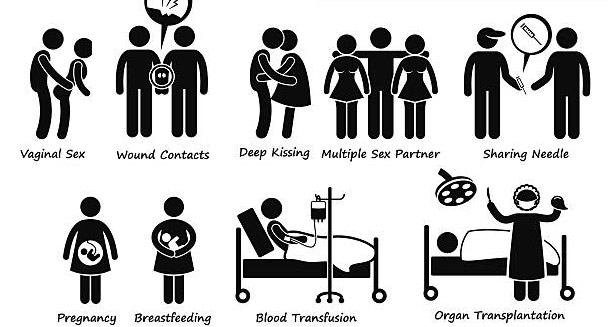
Illustration showing different modes of HIV transmission

Causes of HIV

Understanding the causes of HIV is crucial to preventing new infections and addressing the global impact of the virus. HIV (Human Immunodeficiency Virus) spreads primarily through specific bodily fluids and attacks the immune system, especially CD4 T cells. How HIV Is Transmitted The most common causes of HIV transmission include: 1. Unprotected Sexual ContactHIV is most frequently spread through vaginal, anal, or oral sex without a condom. Receptive anal sex carries the highest risk due to fragile rectal tissue. Vaginal sex also poses significant risk, especially for women, due to biological susceptibility. Consistent and correct condom use greatly reduces this risk. 2. Sharing Needles or SyringesPeople who inject drugs and share contaminated needles risk direct HIV transmission into the bloodstream. Needle sharing remains a major cause in some communities lacking harm-reduction programs. Clean needle access and addiction treatment reduce this transmission route. 3. Mother-to-Child Transmission (Vertical Transmission)An HIV-positive mother can pass the virus during pregnancy, childbirth, or breastfeeding. Without intervention, transmission risk is significant. However, antiretroviral therapy (ART) during pregnancy and delivery plus alternatives to breastfeeding reduce this risk to under 1%. 4. Blood Transfusions and Organ TransplantsThough rare today due to strict screening, contaminated blood or organs remain a possible cause in areas with limited healthcare infrastructure. In the past, before HIV was understood, transfusions were a significant transmission source. 5. Occupational ExposureHealthcare workers may be exposed through accidental needle sticks or contact with infected blood on broken skin. Post-exposure prophylaxis (PEP) effectively prevents infection if given promptly. 6. Tattooing and Body PiercingUsing unsterilised equipment during tattooing or piercing, especially in informal settings, can transmit HIV. Although less common, poor hygiene in body art practices poses a risk alongside hepatitis B and C. Biological Mechanisms and Viral Load HIV infects the body by binding to CD4 cell receptors, allowing viral entry and replication. The viral load—the amount of HIV in bodily fluids—affects infectiousness. People with high viral loads transmit HIV more easily, while those on ART with undetectable viral loads cannot sexually transmit the virus. This is the foundation of the U=U (Undetectable = Untransmittable) message. What Does NOT Cause HIV HIV cannot be transmitted by: These myths contribute to stigma and discrimination, which hinder HIV prevention and treatment efforts. Social and Structural Causes The causes of HIV are not only biological but also deeply social. Factors increasing risk include: Addressing these social drivers is vital to reduce HIV spread. Role of Education Comprehensive sex education covering safer sex, consent, and prevention tools like PrEP (Pre-exposure Prophylaxis) lowers infection rates, especially in youth. Unfortunately, cultural and religious taboos restrict education in many areas, leaving populations vulnerable. Origins of HIV HIV originated in the early 20th century from zoonotic spillover: Humans contracted the virus through hunting and consuming infected animals. While no longer a modern transmission concern, this history highlights the importance of monitoring zoonotic diseases. Conclusion The causes of HIV are well understood by the people, yet preventing new infections requires more than medical knowledge. It demands education, harm reduction, universal testing and treatment access, and combating stigma and inequality. Using condoms, clean needles, ART, and PrEP, people can prevent most HIV transmissions. Tackling biological and social causes is key to an HIV-free future. [Next: Symptoms of HIV →]

Causes of HIV Read More »

Woman coughing on a sofa, showing signs of illness possibly linked to HIV

Symptoms of HIV

Symptoms of HIV vary widely depending on the infection stage, immune response, and whether treatment has started. Understanding the symptoms of HIV helps with early detection, timely diagnosis, and knowing when to seek medical care. HIV symptoms often mimic common illnesses or remain silent for years, which contributes to underdiagnosis. Phases and Symptoms of HIV HIV progresses through three main stages, each with different symptoms: Not everyone experiences all symptoms, and some people may have no noticeable signs until the virus is advanced. Acute HIV Infection (Primary Stage) Within 2 to 4 weeks after exposure, many people develop acute retroviral syndrome, a flu-like illness that lasts days to weeks. Early symptoms include: This stage is highly infectious due to a high viral load but is often mistaken for a cold or flu. Chronic HIV Infection (Clinical Latency Stage) Following the acute phase, HIV enters a clinical latency period where symptoms may be absent or mild. The virus continues to replicate at low levels, slowly weakening the immune system. Untreated or poorly managed HIV during this phase may cause: Advanced HIV Infection (AIDS) Without treatment, HIV progresses to AIDS, defined by a CD4 count below 200 cells/mm³ or AIDS-defining illnesses. Symptoms are severe and life-threatening, including: Gender-Specific and Paediatric Symptoms Women with HIV may experience: Children may show signs such as: Early testing is especially critical for children born to HIV-positive mothers. Importance of Recognising HIV Symptoms Early recognition leads to prompt testing and treatment, which prevents disease progression and improves quality of life. Due to the variable symptoms and stigma, many people delay diagnosis. Public education and routine screening are vital, especially for high-risk groups. Symptoms After Starting Treatment Some individuals on antiretroviral therapy (ART) may experience immune reconstitution inflammatory syndrome (IRIS), a temporary worsening of symptoms caused by immune recovery. Despite this, most people see improved health, reduced symptoms, and increased energy after starting treatment. Summary Symptoms of HIV range from mild flu-like signs to severe life-threatening conditions depending on the infection stage and care access. Awareness, early testing, and treatment are essential to prevent progression to AIDS. Reducing stigma and educating communities helps individuals seek care sooner, improving personal and public health outcomes. [Next: Diagnosis of HIV →]

Symptoms of HIV Read More »

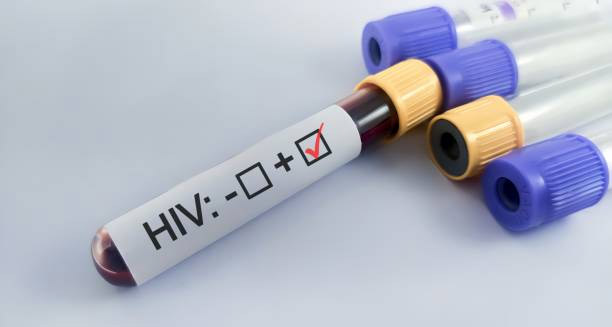
Positive HIV test result in a labelled blood sample tube

Diagnosis of HIV

The diagnosis of HIV is a crucial step in preventing disease progression, reducing transmission, and improving long-term health outcomes. Early detection enables people to start treatment while their immune system is strong, significantly increasing life expectancy and quality of life. Timely diagnosis also helps stop the spread of HIV to others. Despite major advances in testing technology, stigma, fear, and lack of awareness still delay diagnosis for many individuals. Understanding the available testing methods and their importance is key to ending the HIV epidemic. Why HIV Diagnosis Matters HIV attacks CD4 cells (T-helper cells), weakening the immune system over time. Without testing, HIV may remain undetected for years until severe complications occur. Late diagnosis is a major reason why some people progress to AIDS—the most advanced stage of HIV infection. Routine and accessible testing is the most effective strategy for early detection and prevention. Who Should Get Tested for HIV? Global health guidelines recommend regular HIV testing for: High-risk groups may need testing every 3–6 months. Types of HIV Tests HIV diagnosis relies on detecting antibodies, antigens, or the virus itself. Common tests include: 1. Antibody Tests 2. Antigen/Antibody Tests (4th Generation) 3. Nucleic Acid Tests (NAT) Confirming an HIV Diagnosis A single positive test does not confirm HIV. Follow-up tests are required: The HIV Window Period The window period is the time after infection when tests may not yet detect HIV: Retesting may be necessary if the initial test was taken too soon after exposure. HIV Self-Testing Home test kits allow private testing using oral fluid or a finger-prick of blood. While convenient, self-tests are screening tools only. Positive results must be confirmed at a clinic. Self-testing is especially helpful for people avoiding clinics due to stigma. HIV Testing in Special Populations Emotional Support After Diagnosis An HIV diagnosis can be emotionally overwhelming. Fear, shame, and anxiety are common. Immediate counselling and support services help individuals cope and plan treatment. Healthcare providers should deliver results with compassion and provide clear next steps for care and prevention. Importance of Early HIV Diagnosis Early diagnosis allows people to start antiretroviral therapy (ART), which: People diagnosed early and treated promptly can live long, healthy lives. Bottom line: The diagnosis of HIV is faster, more accurate, and more accessible than ever. But stigma and inequality still delay testing. Expanding awareness, improving access, and offering compassionate care remain key in the global fight against HIV. [Next: Treatment of HIV →]

Diagnosis of HIV Read More »

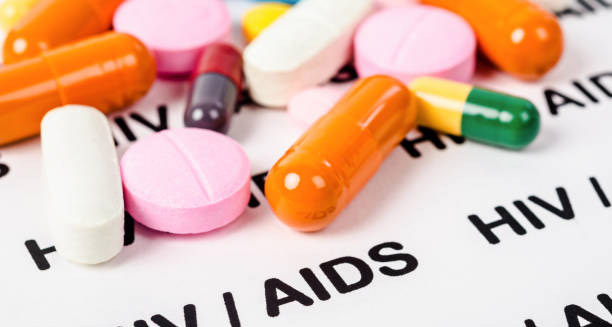
Antiretroviral HIV medication on HIV/AIDS label background

Treatment of HIV

The treatment of HIV has turned a once-fatal infection into a manageable chronic condition. With proper care and medication, people living with HIV can lead long, healthy lives. The main treatment for HIV is antiretroviral therapy (ART), a combination of drugs that suppress the virus, protect the immune system, and prevent HIV-related complications. Although there is no cure for HIV yet, early and consistent treatment lowers viral load, restores immune function, and stops transmission. People who take ART and achieve an undetectable viral load cannot transmit HIV sexually—a concept known as U=U (Undetectable = Untransmittable). Goals of HIV Treatment The treatment of HIV aims to: Maintaining viral suppression prevents HIV from advancing to AIDS. What Is Antiretroviral Therapy (ART)? ART combines at least three drugs from two or more classes to block HIV at different stages of its lifecycle. This approach stops replication and reduces drug resistance. Main ART drug classes include: Most modern ART comes as a single daily pill, improving adherence. When Should ART Start? Immediately. All people diagnosed with HIV should begin ART as soon as possible. Early treatment: Delaying treatment can cause irreversible immune damage. Monitoring HIV Treatment After starting ART, regular check-ups are essential. Doctors monitor: Managing Side Effects Most people tolerate ART well, but early side effects may include: These usually improve with time or medication changes. Long-term issues like high cholesterol or bone loss require regular monitoring. Importance of Adherence Strict adherence is the key to treatment success. Missing doses can lead to viral rebound and drug resistance. Tools to improve adherence include: Special Treatment Considerations New Advances in HIV Treatment Treatment as Prevention (U=U) People with an undetectable viral load cannot transmit HIV sexually. This powerful fact reduces stigma and prevents new infections. The Future of HIV Care Research into an HIV cure continues, with gene editing and immune therapies showing promise. Until then, widespread ART access, education, and global cooperation remain vital. Bottom line: The treatment of HIV turns the virus into a manageable condition. With early ART, regular monitoring, and strong support systems, people with HIV can expect a long and healthy life. [Next: Complications of HIV →]

Treatment of HIV Read More »

Doctor counselling a patient about complications of HIV infection

Complications of HIV

The complications of HIV vary based on how early the infection is found, how well antiretroviral therapy (ART) works, and the person’s overall health. If HIV is untreated, the immune system weakens over time. This makes the body vulnerable to infections and some cancers. Even with treatment, long-term issues may occur because of inflammation, immune activation, or drug side effects. Understanding the complications of HIV helps patients and doctors manage health more effectively. Complications can be infectious or non-infectious. Infectious complications come from germs taking advantage of weak immunity. Non-infectious complications come from HIV itself or its treatment. ART greatly reduces the risk of both, but ongoing care is essential. Opportunistic Infections Opportunistic infections (OIs) are among the most common complications of HIV when ART is not used. These infections strike when the immune system becomes too weak to fight everyday germs. A CD4 count below 200 cells/mm³ raises the risk. Common OIs include: ART, antibiotics, and CD4 monitoring reduce these risks greatly. HIV-Related Cancers Another major group of complications of HIV includes cancers. Some are AIDS-defining cancers, which signal severe immune weakness. Key cancers include: HIV also raises the risk of anal cancer, liver cancer, and lung cancer because of chronic inflammation and co-infections. Neurological Complications HIV can cross into the brain and affect the nervous system. ART lowers this risk, but problems still occur, especially without treatment. Common neurological complications: Regular check-ups and early ART help prevent these issues. Heart and Blood Vessel Problems HIV increases the risk of heart disease because of inflammation, drug effects, and lifestyle habits like smoking. Common issues include: Healthy lifestyle changes and regular heart checks are vital. Kidney and Liver Complications HIV can damage the kidneys and liver directly or through co-infections. Blood tests monitor these organs regularly in people on ART. Metabolic and Bone Problems HIV and ART can lead to: Healthy eating, exercise, and medication adjustments help manage these problems. Final Thoughts on HIV Complications The complications of HIV can affect almost every body system if left untreated. But with early testing and strict ART use, most complications can be avoided or treated. Regular check-ups and full-body care are the best ways to stay healthy with HIV. [Next: Outlook for HIV →]

Complications of HIV Read More »

Group of hands holding red HIV awareness ribbons in unity

Outlook for HIV

The outlook for HIV has changed dramatically in recent years. Once seen as a deadly disease, HIV is now a manageable condition for millions worldwide. This shift is thanks to antiretroviral therapy (ART), introduced in the mid-1990s. Since then, better medicines, improved tests, and strong public health efforts have boosted life expectancy and quality of life. Today, the outlook for HIV is very positive—if the infection is found early and treatment starts without delay. With proper treatment and care, people with HIV can live almost as long as those without the virus. Many work, start families, and live full lives. Support from counselling, education, and anti-stigma programs has also improved outcomes. Life Expectancy and HIV Life expectancy shows how much the outlook for HIV has improved. In countries with good healthcare, people diagnosed in their 20s can live nearly the same lifespan as HIV-negative people. In lower-income areas, expanding access to treatment is closing the gap. Early diagnosis matters. Starting ART soon protects the immune system, reduces inflammation, and prevents AIDS-related illness. People who begin treatment with higher CD4 counts usually do better over time. U=U: Undetectable Means Untransmittable A key milestone in the outlook for HIV is U=U—Undetectable = Untransmittable. People with an undetectable viral load cannot pass HIV to sexual partners. This changes how we think about intimacy and prevention. The benefits of U=U include: To keep the virus undetectable, people must take ART consistently and attend regular check-ups. Ageing with HIV More people with HIV are living into their 50s and beyond. This creates new challenges: Healthcare systems must adapt and provide complete care for older adults living with HIV. Quality of Life with HIV The outlook for HIV is not just about survival. Quality of life matters too. Many people thrive when they have: Community groups, advocacy programs, and legal support all help improve daily life for people with HIV. The Global HIV Response Globally, the outlook for HIV is hopeful but needs work. UNAIDS aims to end AIDS as a public health threat by 2030. Key actions include: Funding gaps, stigma, and inequality remain big challenges. But progress so far is promising. HIV Cure Research Even though ART works well, the search for a cure continues. Two main types of cures are under study: Scientists are exploring gene editing, vaccines, and stem cell therapy. A few people, such as the “Berlin” and “London” patients, have already been cured. These cases offer hope, but ART is still the main treatment for now. Empowerment and Advocacy The outlook for HIV is also shaped by empowerment. People living with HIV are leaders, advocates, and educators. They fight stigma, push for better care, and inspire others. Living well with HIV is about health, but also dignity, equality, and community. In Summary The outlook for HIV has never been brighter. Early testing, lifelong ART, and strong social support help people live long, healthy lives. Science is moving toward better treatments and, one day, a cure. Together, we can make ending HIV a reality. [Next: Back to Overview →]

Outlook for HIV Read More »

Scroll to Top