Mental Matters

Hives

Close-up of irritated skin with red hives on a person's lower back

Hives

Hives, medically known as urticaria, are raised, red, itchy welts that appear suddenly on the skin. They usually happen as an allergic reaction or response to irritants. These welts can be small or large and sometimes merge to form bigger patches. Although this condition is generally harmless, they can cause a lot of discomfort and distress—especially when they come back often or last a long time. The condition can be acute, clearing up within days or weeks, or chronic, lasting six weeks or more and sometimes continuing for years. Hives affect people of all ages, races, and genders. However, some individuals—like those with allergies or autoimmune diseases—are more likely to get them. Welts commonly show up on the trunk, arms, legs, and face, but they can appear anywhere on the body. In severe cases, hives may also occur inside the mouth or throat. Episodes can last just a few hours or persist throughout the day, with new kinds of this condition appearing as older ones fade. The redness and swelling of hives happen because the body releases histamine and other chemicals into the skin. These chemicals cause blood vessels to widen and leak fluid, producing the classic red, raised bumps. Often, the exact cause of hives is unknown, which can be frustrating for both patients and doctors. Still, knowing the different types of hives and how they work is key to effective treatment and prevention. There are two main types of hives: acute and chronic. Acute hives come on suddenly and usually go away within six weeks. They are often triggered by food allergies, medications, insect stings, or infections. Chronic hives last longer than six weeks and may have no obvious cause. Sometimes, chronic hives are autoimmune, meaning the immune system mistakenly attacks healthy skin cells. Another type is physical urticaria, where physical triggers like pressure, cold, heat, sun exposure, water, or exercise cause outbreaks. Each type has a different cause, so correctly identifying the subtype is important for treatment. Also, angioedema—which is deeper swelling under the skin—often happens with hives. This can affect the eyes, lips, or throat and may cause breathing problems. While hives usually aren’t life-threatening, they can signal a serious allergic reaction called anaphylaxis, especially if symptoms include trouble breathing, dizziness, or throat swelling. These cases need emergency medical care. Otherwise, antihistamines are the first treatment choice. Additional treatments depend on how long and how often the hives appear, and what causes them. In the following sections, we will discuss the causes of hives, the key symptoms to watch for, how hives are diagnosed, treatment options, possible complications, and the outlook for people with this often unpredictable skin condition. Understanding these topics can help patients and caregivers better manage hives and improve quality of life. [Next: Causes of Hives →]

Hives Read More »

Woman scratching hives on her arm after eating shrimp

Causes of Hives

The causes of hives can range from clear allergic reactions to more hidden internal triggers that are hard to find. Understanding the causes of hives helps with correct diagnosis, effective treatment, and managing the condition long term. Some people know exactly what sets off their hives—like eating shellfish or taking a certain medicine. Others find that their outbreaks happen for no clear reason. This unpredictability can be very frustrating and sometimes disabling. How Causes of Hives Work and Trigger Reactions At the core of all hives is the body releasing histamine and other chemicals from mast cells in the skin. This causes swelling, redness, and itchy welts. What triggers this immune reaction varies from person to person. In sudden (acute) cases, the cause is usually clear and short-lived. But chronic hives often have unclear or unknown (idiopathic) causes. One of the most common causes of hives is an allergic reaction. This might be to foods like nuts, eggs, shellfish, or dairy. Medicines often cause hives too, especially antibiotics like penicillin or sulpha drugs, and anti-inflammatory drugs like ibuprofen. When the immune system wrongly treats a harmless substance as dangerous, it releases histamine, causing hives. These reactions may happen minutes or hours after exposure. Common Triggers and Physical Causes of Hives Insect stings and bites can also cause hives. Bee, wasp, or mosquito bites may cause local swelling or a full-body allergic reaction. Sometimes, this can lead to anaphylaxis, especially with symptoms like throat tightness or face swelling. Infections are another known cause. Viral infections, especially in children, often cause hives when no allergy is found. Diseases like hepatitis, colds, Epstein-Barr virus, or bacterial infections such as urinary tract infections and strep throat may trigger outbreaks. The immune system’s fight against infection can affect the skin. Stress and anxiety also play a role. Emotional stress does not directly cause hives but can worsen them or make the immune system more reactive. Some people notice hives during times of strong emotional upset, showing a link between the nervous system and skin. In chronic hives, autoimmune diseases may cause the problem. Conditions like lupus, thyroid disease (especially Hashimoto’s), and rheumatoid arthritis make the immune system attack the body’s own tissues, including the skin. This type is harder to treat because it needs overall immune system care rather than avoiding a single trigger. Physical triggers form another group. These are called physical urticarias, where specific things cause hives, such as: People with these types often need to change habits as well as take medicines. For example, those with cold urticaria must avoid icy places and carry emergency medicine to prevent severe reactions. Hormones, Contact Irritants, and Other Causes of Hives Hormonal changes can also cause hives, especially in women. Pregnancy, menstruation, or menopause may trigger outbreaks due to shifts in estrogen and progesterone. These cases are harder to predict or prevent, but tracking symptoms can help find patterns. Sometimes, chemicals in cosmetics, detergents, or latex cause contact urticaria—a local hives reaction where skin touches the irritant. People working in cleaning, healthcare, or food prep may face this problem often. Some health problems cause hives in less obvious ways. Rarely, chronic hives signal serious illnesses like cancers (lymphomas or leukemias). These usually come with other symptoms, but long-lasting unexplained hives should be checked carefully. In children, hives are more often from infections or new foods. Parents should note recent illness, diet changes, or medicine use when talking to doctors. Luckily, children’s hives usually clear up without coming back. Idiopathic urticaria is one of the most frustrating forms. No cause shows up even after many tests. In this case, doctors focus on managing symptoms instead of finding a trigger. Although this may be disappointing, many people see their hives get better or go away over time. Combined Causes and Summary of Causes of Hives Often, more than one cause plays a role. For example, a person may be mildly allergic to a food but only get hives when stressed or exposed to heat or cold. Keeping a symptom diary and working with an allergist or dermatologist helps find these mixed causes. In conclusion, the causes of hives are many and can be grouped into allergic, infectious, autoimmune, physical, environmental, and idiopathic types. Finding the right trigger helps improve treatment. But even if the cause stays unknown, symptom control is possible. As research continues—especially on autoimmune and stress links—our understanding of hives will grow, leading to better, more focused treatments. [Next: Symptoms of Hives →]

Causes of Hives Read More »

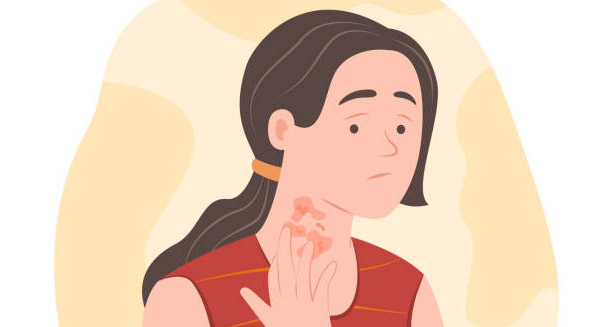
Illustration of a woman scratching red itchy hives on her neck

Symptoms of Hives

The symptoms of hives can vary a lot in how they show, how strong they are, and how long they last. But they all involve a clear reaction on the skin. Knowing the full range of symptoms of hives helps people spot them early, get a correct diagnosis, and start the right treatment. Though hives are usually not life-threatening, their sudden appearance and discomfort can cause strong worry, especially when many welts appear or if they keep coming back. Key Signs and Typical Patterns in Symptoms of Hives and Outlook for Hives At their simplest, hives show up as raised, red, or skin-coloured welts on the skin. These welts, called wheals, can be round, oval, or oddly shaped. They often itch badly. The wheals can be very small or several centimetres wide. Sometimes, they join together to make bigger patches. Usually, welts come on quickly and disappear within 24 hours, sometimes in just hours, only to be replaced by new ones in other places. One main symptom of hives is itching. It may start mild but quickly gets worse, pushing people to scratch. This scratching can make skin irritation worse and even break the skin. Besides itching, some people feel burning or stinging, especially where many nerves are, like the face, fingertips, or private areas. Swelling and Severe Symptoms Affect Outlook for Hives Another important trait of hives is that the welts come and go fast, usually within a day, without leaving scars. But the whole episode may last longer, especially in chronic urticaria, where new welts appear almost daily for six weeks or more. Redness and swelling usually happen too. The welts often have red skin around them, giving a blotchy look. Swelling can stay on the surface or go deeper. When it goes deep, it is called angioedema. This swelling affects places like the eyes, lips, tongue, hands, feet, and private parts. Angioedema can hurt and, if severe, block breathing or swallowing—calling for urgent medical help. In serious cases, symptoms may include: These signs could mean a severe allergic reaction called anaphylaxis. It needs emergency treatment. Though rare, people with hives must know these warning signs, especially after eating certain foods, taking medicines, or insect stings. Chronic Symptoms and Emotional Impact on Outlook for Hives Chronic hives often show less dramatic symptoms but last longer. Welts may appear daily or off and on for weeks, months, or years. This can hurt quality of life. The ongoing itching and skin changes may cause sleep problems, anxiety, and even depression. So, it is important to treat both physical and emotional effects of chronic hives. Some people find their hives get worse at night, possibly due to body temperature changes or fewer distractions. Others notice physical triggers like heat, pressure, or exercise cause welts in patterns. For example, dermatographism makes hives in lines or streaks where skin is scratched or rubbed. Patterns, Causes, and Symptoms in Different Groups Affect Outlook for Hives Where and how welts show can hint at the cause: In children, hives may be scary because they appear fast and itch strongly. Parents should watch for welts, scratching, and discomfort signs. Fever or stomach problems with hives may suggest infection. A unique trait of hives is their coming and going. People may be fine for weeks or months, then suddenly get many welts after a trigger. This makes finding causes hard and can frustrate patients. Keeping a symptom diary with foods, medicines, environment, and stress notes helps find patterns. Some with hives also get other symptoms not part of the skin reaction but linked to causes: These may point to autoimmune or other systemic problems and need deeper medical checks. Summary of Symptoms of Hives and Outlook for Hives In summary, hives mainly cause itchy, raised welts that appear fast and move around within hours. They may come with swelling, redness, and in severe cases, breathing trouble. Chronic hives can deeply affect daily life. While not usually life-threatening, they need careful checking and treatment. Recognising all symptoms helps speed diagnosis and improve care for this often misunderstood condition. [Next: Diagnosis of Hives →]

Symptoms of Hives Read More »

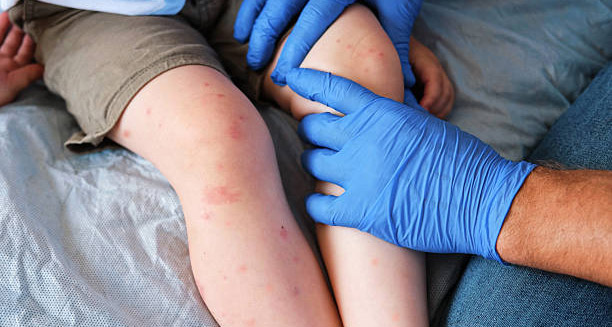
Doctor examining red welts and hives on a child’s legs

Diagnosis of Hives

The diagnosis of hives can be simple in some cases, especially when welts are visible and the trigger is clear. However, many times, diagnosing hives needs a deeper look at the patient’s history, lifestyle, and possible hidden causes. Because hives can come from many triggers—like allergens, infections, stress, or autoimmune problems—a full approach helps find the cause and guide treatment. Taking a Detailed History Helps Diagnosis of Hives and Outlook for Hives When a person shows signs of hives—such as itchy, raised welts—a doctor starts by asking detailed questions. They want to know when the hives started, how they look, how often they come, how long they last, and what might bring them on. Doctors ask about food eaten, new medicines, insect bites, or contact with certain environments. They also explore habits, recent illnesses, travel, and stress, since all these can cause hives. Physical Exam and Testing in Diagnosis of Hives The physical exam is important. If welts still appear, the doctor watches their size, spread, and checks for angioedema (deeper swelling). But hives often fade within hours, so they may not be visible when the patient comes in. Patients should take photos during outbreaks to help with diagnosis. Doctors separate hives into acute (less than six weeks) and chronic (six weeks or more). Acute hives usually have clear outside triggers like food or medicine. Chronic hives often do not. This difference helps decide tests and treatment. If a trigger seems likely—like a food allergy or drug reaction—doctors may suggest avoiding that trigger or doing tests. For example, they might remove a suspect food to see if symptoms improve. Skin prick tests can check for allergies. Stopping a possible medicine and watching for changes can confirm its role. For physical urticaria, where things like temperature, pressure, or sunlight cause hives, doctors may do special tests. For cold urticaria, for example, putting ice on the skin may cause a hive. These tests help confirm the diagnosis and plan care. Blood Tests and Differential Diagnosis Affect Outlook for Hives For chronic or unknown cases, doctors may order blood tests to check for hidden causes, such as: These tests may not always show a clear cause but help rule out serious issues. Doctors also consider other conditions that look like hives: If lesions last more than 24 hours or leave bruises or scars, a skin biopsy may be needed to rule out urticarial vasculitis. This condition needs different treatment. Special Tests for Angioedema and Outlook for Hives If a patient has angioedema without hives, doctors may test for hereditary angioedema (HAE). This rare condition comes from a lack of a blood protein called C1 esterase inhibitor. Tests include C4 complement and C1 inhibitor levels to confirm HAE. Many chronic cases do not reveal a clear cause, even after many tests. In those cases, doctors focus on controlling symptoms and managing lifestyle rather than finding a specific cause. Technology and Emotional Support in Diagnosis of Hives and Outlook for Hives Technology helps diagnosis too. Some specialists use apps that track outbreaks, food, and environment. This helps patients spot patterns over time and supports traditional methods, especially when symptoms change. Doctors should also address the emotional impact. Patients often feel frustrated or anxious about the unknown nature of their hives. Clear communication, reassurance, and education about how most cases are harmless can build trust and help patients follow treatment plans. Summary of Diagnosis of Hives and Outlook for Hives In summary, diagnosing hives often requires a mix of history-taking, physical exams, focused tests, and sometimes trial and error. Acute hives usually clear up quickly with little treatment. Chronic and unknown cases need ongoing care and teamwork between patient and doctor. Early diagnosis and a good plan can lead to better outlook for hives and less disruption in daily life. [Next: Treatment of Hives →]

Diagnosis of Hives Read More »

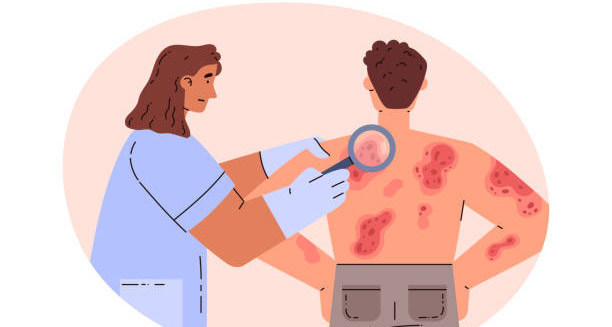
Doctor treating hives rash on a man’s back with a magnifying glass

Treatment of Hives

The treatment of hives aims to ease symptoms, stop them from coming back, and fix any underlying causes. Acute hives often go away on their own in days or weeks. Chronic hives usually need a long-term plan with many steps. Successful treatment depends on finding triggers, picking the right medicine, and making lifestyle changes. Antihistamines: The First Step in Treatment of Hives Most treatment plans start with antihistamines. These medicines block histamine, a chemical that causes itching, redness, and swelling during allergic reactions. Non-sedating antihistamines like cetirizine, loratadine, and fexofenadine work well. They are safe for long use and usually don’t cause drowsiness. This helps patients keep their normal daily routine. If symptoms stay after usual doses, doctors may suggest higher doses of non-sedating antihistamines—up to four times the normal amount. This method follows clinical guidelines for chronic spontaneous urticaria and works well for many people without major side effects. Additional Medications in Treatment of Hives Sometimes, sedating antihistamines like diphenhydramine or hydroxyzine are used at night. They help control itching and improve sleep when symptoms get worse in the evening. These drugs cause drowsiness, so they are less common during the day. If antihistamines don’t fully work, other medicines may help. Omalizumab, a monoclonal antibody made for asthma, is very effective for hard-to-treat cases. It lowers the activity of immunoglobulin E (IgE), which causes allergic reactions. Many people with chronic spontaneous hives see big improvements within weeks of starting omalizumab. Another choice is ciclosporin, a drug that lowers immune activity. It works well but can cause side effects like high blood pressure and kidney issues. Doctors usually save ciclosporin for severe cases and only under close supervision. Short courses of oral corticosteroids, such as prednisone, may help during serious flare-ups. This is especially true if angioedema appears or symptoms greatly affect life. However, doctors avoid long-term steroid use because of side effects like weight gain, mood swings, and weak bones. Avoiding Triggers and Lifestyle Changes If a trigger is found—such as a certain food, medicine, or environment—the best treatment is to avoid it. Removing the trigger often stops symptoms completely. Patients should keep a symptom diary to spot patterns and causes, especially in chronic cases where triggers may not be clear. People with physical urticaria—where pressure, heat, cold, or sunlight cause hives—need prevention strategies. Wearing loose clothes, avoiding quick temperature changes, and using sun protection help reduce flare-ups. Sometimes, doctors suggest timing medicines before expected exposure to triggers. Diet changes may help, too, especially for those sensitive to histamine-rich foods like aged cheese, smoked meats, wine, or fermented items. A low-histamine diet can cut flare-ups but should only be done after talking to a doctor or dietitian. Emotional Well-being and Outlook for Hives Treatment of hives also includes dealing with emotional and mental health. Stress and anxiety can trigger or worsen symptoms. Adding stress relief methods—like mindfulness, yoga, or cognitive behavioural therapy—can improve overall health and may reduce how often and how bad hives get. For patients with angioedema affecting the throat or airways, emergency treatment may be needed. Doctors may prescribe an epinephrine auto-injector (EpiPen) for quick self-use if severe swelling happens. Although rare, this shows why having a clear emergency plan is vital. Patient Education and Specialist Care Patient education plays a key role in managing hives. Knowing the unpredictable nature of hives, spotting early symptoms, and understanding when to get help gives patients control. Doctors should teach patients how to use medicines properly, explain side effects, and show ways to avoid triggers. If chronic hives do not improve with usual treatment, doctors may refer patients to allergists or dermatologists. Specialists can run extra tests, like allergy checks or skin biopsies, to rule out other issues and tailor treatment. Alternative Therapies and Paediatric Treatment Some patients try alternative treatments like acupuncture, herbal remedies, or supplements. While some people find them helpful, clinical proof is limited. Patients must consult their doctors before starting these therapies to avoid medicine interactions. For children, treatment focuses on safety and correct dosages. Antihistamines are generally safe for kids, but guidance from a paediatrician is essential. Many children get hives from viral infections that clear up quickly with little treatment. Conclusion on Treatment of Hives and Outlook for Hives In conclusion, treatment of hives works best when it mixes proper medicine, lifestyle changes, and trigger avoidance. For most people, non-sedating antihistamines bring quick, reliable relief. For chronic or severe cases, advanced therapies may be needed. With a personal and informed approach, most people can control symptoms well and greatly improve their quality of life. [Next: Complications of Hives →]

Treatment of Hives Read More »

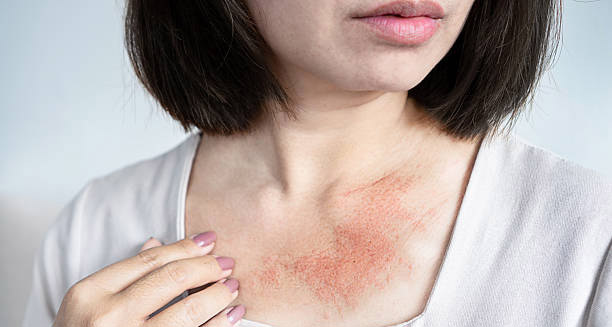
Woman with severe hives rash on her chest caused by allergic reaction

Complications of Hives

While hives usually appear as a short-term and mild skin problem, the complications of hives can cause both physical and emotional difficulties—especially when cases are chronic or severe. For most people, hives go away with or without treatment. But when symptoms last longer or get worse, they can hurt daily life and reduce quality of life. Understanding the complications of hives helps both patients and doctors set the right expectations and plan care properly. Dangerous Swelling: Angioedema and Outlook for Hives One of the most serious complications of hives is angioedema. This is deeper swelling that affects the layers under the skin. Angioedema often happens with hives but can also show up alone. When it affects the lips, eyelids, throat, or tongue, it can cause pain and danger. In rare cases, swelling of the throat may block breathing and need emergency care. People who get angioedema along with hives need careful monitoring, especially if it happens often. This risk affects the overall outlook for hives. Severe Allergic Reactions and Outlook for Hives Another possible complication is anaphylaxis, a life-threatening allergic reaction. Though rare, hives might sometimes be an early warning sign. This is especially true if hives come with wheezing, trouble breathing, sudden low blood pressure, fast heartbeat, or stomach problems like vomiting or diarrhoea. In these cases, fast treatment with an epinephrine (adrenaline) injection can save lives. Patients often need to carry an adrenaline auto-injector all the time to be ready. Skin Damage and Infections Chronic hives bring less sudden but longer-lasting problems. Constant itching, burning, or stinging can make people scratch a lot. Scratching breaks the skin, making it easier for bacteria to infect. These infections may cause painful, pus-filled sores or cellulitis, which needs antibiotics. In some cases, repeated skin injury causes dark spots or scars, especially in people with darker skin. Emotional Impact of Complications of Hives Beyond physical issues, complications of hives often affect emotions and mental health. The unpredictable nature of hives—coming and going without warning—can increase anxiety and stress. Many feel frustrated, helpless, or embarrassed, especially if hives show on the face, arms, or hands. These feelings can make the condition worse because stress triggers more flare-ups. Sleep Problems and Outlook for Hives Sleep troubles are common, especially when itching worsens at night. Poor sleep leads to tiredness, lower focus, irritability, and less productivity during the day. In children, sleep loss can affect learning and behaviour. In adults, it can harm work and social life. So, doctors must treat sleep problems as part of a full care plan. Medication Risks in Chronic Hives Long-term use or misuse of medicines, especially corticosteroids, can cause problems. Steroids can ease severe flare-ups fast but can bring serious side effects if used too long. These include weight gain, high blood sugar, mood changes, weak bones, and more infections. Some patients depend on steroids to control symptoms and find it hard to stop without flare-ups. Doctors must use steroids carefully and watch patients closely. Missed Diagnosis and Delayed Treatment Complications can also come from slow diagnosis or wrong diagnosis of the cause. For autoimmune-related chronic hives, not finding or treating the main disease—like thyroid problems or lupus—lets the illness get worse. In physical hives or drug reactions, continuing to face the trigger can make symptoms last or get worse. Getting the right diagnosis and finding triggers helps prevent more pain and problems. Social Isolation and Complications of Hives Social withdrawal is another less known complication. People with frequent or large outbreaks may avoid going out, events, or sports like swimming or exercise because they feel ashamed or fear flare-ups. This leads to loneliness, low confidence, and even depression. Teens and young adults especially face these social struggles as they grow and build identity. Lifestyle Limits and Outlook for Hives Some people with chronic hives also find it hard to tolerate heat, cold, or pressure. This limits daily life and travel. Simple things like hot showers, outdoor exercise, or carrying bags may trigger hives or angioedema. This makes life feel unpredictable and stressful. The mental strain of not knowing when symptoms will come can be as hard as the symptoms themselves. Rare Confusion with Hereditary Angioedema In rare cases, hereditary angioedema (HAE) can be mistaken for chronic hives. Mixing these up can cause serious problems. HAE does not improve with antihistamines or steroids. Wrong treatment delays the right care. This shows why a full medical check is key, especially when usual treatments do not work. Challenges for Children with Hives Children with hives face their own issues. Complications include missing school, trouble focusing because of itching, and behaviour changes from poor sleep. Parents may get very worried and take kids to doctors often or limit diets unnecessarily. Clear advice and support from doctors help families handle hives calmly and avoid extra stress. Economic Costs of Chronic Hives From a wider view, chronic hives bring a financial burden. Frequent doctor visits, medicine costs, missed work, and referrals to specialists add up. While hives do not usually cause death, their lasting and repeating nature causes long-term expenses for people and health systems. Summary of Complications of Hives In short, hives are usually easy to manage with the right treatment and lifestyle changes. Still, complications of hives can be serious—especially when the condition lasts long or is not handled well. Physical pain, emotional distress, social problems, medicine overuse, and infections are some issues that may arise. Spotting these problems early and using a full care plan lets people with hives live more comfortable, confident, and happy lives. [Next: Outlook for Hives →]


Complications of Hives Read More »

Young woman outdoors holding her side due to discomfort from hives

Outlook for Hives

The outlook for hives is generally favourable, particularly in acute cases where symptoms resolve quickly and spontaneously. Many people get hives only once or twice in their lives. This often happens as a reaction to a clear trigger like certain foods, medicines, or viral infections. In these cases, symptoms usually go away within hours or days, with or without treatment. After that, the person returns to normal with no return of hives. However, people with chronic hives or more serious cases may face a more mixed outlook for hives. Outlook for Hives in Acute Cases In acute urticaria, the chance of full recovery is excellent. Triggers are often easy to find. Once people avoid or remove these triggers, symptoms fade fast. Even when doctors cannot find a cause, the episode usually ends soon. Most people feel better with over-the-counter antihistamines and do not need more medical help. Children often get acute hives during viral infections. These usually clear up as the infection goes away. Long-term problems from acute hives are very rare. Full recovery happens most of the time. Chronic Hives and Their Outlook for Hives These chronic hives last six weeks or longer and have a more complex outlook. Chronic spontaneous urticaria (CSU) means hives appear without a clear outside cause. CSU can last months or even years. It can be hard to predict how long it will last. Research shows about half of people get better within six months to one year. About 70% recover within five years. This gives hope, but also shows many people may have long-lasting symptoms. The changes in chronic hives make it hard to give one clear outlook for hives. Some people have symptoms almost every day. Others have flare-ups only sometimes with long breaks without symptoms. Things like autoimmune diseases, thyroid problems, or certain physical types of hives can change how the condition acts and ends. When doctors find and remove a cause, the outlook for hives improves a lot. But when no cause shows, doctors and patients must try different treatments to control symptoms. Treatments That Improve Outlook for Hives Luckily, new treatments have made the outlook for hives much better, even in hard or long-lasting cases. Second-generation antihistamines work well and have fewer side effects. Newer medicines like omalizumab help people who do not get better with normal treatments. These drugs have changed lives for many who once suffered from constant itching, poor sleep, and stress. With the right plan, most people with chronic hives can manage symptoms well and live normal lives. The Role of Mental Health in Outlook for Hives Mental support also plays a big role in improving the outlook for hives, especially for those with chronic hives. Hives can be hard to predict and often show on the skin. This can cause strong emotional stress. It can hurt relationships, self-esteem, and quality of life. Mental health help like counselling and cognitive behavioural therapy can support these patients. Treating the emotional side along with the physical symptoms can lower stress-triggered flare-ups and improve overall wellbeing. Outlook for Hives in High-Risk Cases If hives come with angioedema (swelling) or a risk of severe allergic reaction (anaphylaxis), the outlook for hives may be more cautious. People with these risks must carry emergency medicines like adrenaline auto-injectors. They also need a clear action plan. But with good care and education, even high-risk patients can avoid serious problems and have a good life. Outlook for Hives in Children Children with chronic hives usually do better than adults. Many outgrow the condition, especially if it links to short-term causes like infections or food reactions. The outlook for hives in kids gets better with safe medicines, regular check-ups, and support from parents and schools. Early and good care means long-term problems are rare. Outlook for Hives During Pregnancy Pregnant people with hives may face special challenges. But the condition usually does not affect the baby or pregnancy. Most antihistamines used are safe during pregnancy, but medical advice is important. The outlook for hives during pregnancy stays positive when doctors watch carefully and create a plan to reduce discomfort and worry. Outlook for Hives in Physical Urticaria Some people have physical types of hives, such as cold urticaria, pressure urticaria, or cholinergic urticaria. The outlook for hives here depends on finding and avoiding the physical triggers. Some get relief with prevention and medicine. Others still have hives from things they cannot avoid, like heat, exercise, or weather changes. Even so, people can control symptoms, and many see fewer and milder episodes over time. Growing Awareness and Future Outlook for Hives One hopeful part of the outlook for hives is that more people learn about this condition every day. Patients now find reliable information, support groups, and many treatment choices. Online forums and advocacy groups help those with chronic hives share stories. This reduces feelings of being alone and gives useful advice on managing symptoms. Research also continues to explore the causes of chronic hives and immune system problems. New treatments are being developed. This progress promises an even better outlook for hives in the years ahead. Doctors now know chronic hives are more than a skin problem. They often involve complex immune and nerve factors that need full care. Although no cure works for all chronic hives yet, many people get better on their own. Even those who live with hives for years usually see symptoms get less often, less strong, and shorter. Patience, steady care, and good teamwork with doctors help people handle the ups and downs of the condition. Final Thoughts on Outlook for Hives In short, the outlook for hives is mostly good for most people, especially if they get treatment early. Acute hives clear fast and usually cause no problems. Chronic hives can be harder and more stressful. Still, with new medicines, lifestyle changes, mental support, and careful medical care, most patients can control symptoms well and live full, active lives. [Next: Back to Overview →]

Outlook for Hives Read More »

Scroll to Top