Mental Matters

Hoarding Disorder

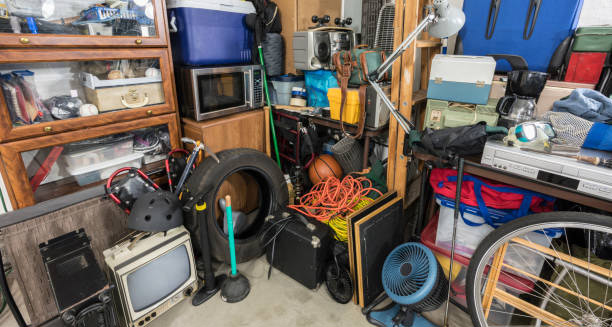
Cluttered storage room filled with miscellaneous household items, representing hoarding disorder

Hoarding Disorder

Hoarding disorder is a recognised and serious mental health condition in which an individual experiences persistent difficulty discarding or parting with possessions, regardless of their actual value. This behaviour leads to the accumulation of items that may eventually clutter living spaces to the point where they can no longer be used for their intended purpose. Hoarding disorder is not just being messy or disorganised. It comes from deep emotional, thinking, and behaviour patterns. These patterns harm daily life and lower quality of life. Unlike casual collecting or sometimes not wanting to throw things away, hoarding disorder causes a strong and upsetting need to save items. People with this condition often feel anxiety or guilt at the thought of getting rid of things. They usually feel a strong emotional tie to their possessions. They see these things as part of themselves or as useful, special, or important—even when others see the items as worthless or dangerous. Over time, possessions pile up and block paths, cover furniture, and make homes unsafe or dirty. This condition is more than a lifestyle choice. It is officially listed in the Diagnostic and Statistical Manual of Mental Disorders, Fifth Edition (DSM-5). Before, it was seen as a part of obsessive-compulsive disorder (OCD), but now experts know it is a separate problem because it looks different and needs different treatment. However, it often happens alongside other mental health issues like depression, anxiety, OCD, and ADHD. Hoarding Disorder People with hoarding disorder often start showing signs in their teen years, though the problem usually gets worse as they grow older. Many can function well at first. But as more stuff builds up and the stress of throwing things away grows, the problem gets worse. Stressful events like losing someone, divorce, or money problems often make hoarding worse. Older adults may face extra problems due to loneliness or thinking difficulties, which make managing their things even harder. A key sign of hoarding disorder is lack of insight. Many people do not realise their behaviour is a problem. Others may not see how much their clutter affects themselves or others. This lack of awareness makes it hard to help them. People often resist family or health workers trying to clean up. Sometimes, safety concerns lead authorities to get involved, especially if clutter blocks escape routes, attracts pests, or causes fire risks. Hoarding disorder takes a big emotional toll. People often feel shame, embarrassment, or hopelessness. Relationships suffer because loved ones do not understand the problem. Conflicts happen when family try to help. Children in hoarded homes may face neglect or trauma, and some may be removed from these homes. People with hoarding disorder may avoid others to escape judgment, which makes their distress worse. Hoarding also disrupts daily tasks. Kitchens, bathrooms, and bedrooms may be too full to use. People might eat cold food if the stove is blocked, or sleep in chairs if beds are covered by stuff. When this happens, hoarding becomes a public health issue, not just a personal problem. Hoarding Disorder It is important to know the difference between hoarding disorder and collecting. Collectors take pride in their items. They organise and show their collections. People with hoarding disorder feel overwhelmed. Their items are messy and hidden. Their attachment comes from anxiety and feeling they need the things, not from enjoyment. The amount and type of things kept also differ. Collectors focus on specific items like stamps or figurines. Hoarders keep many types of items—newspapers, mail, plastic bags, clothes, broken devices, even old food or trash. They fear losing or regretting throwing things away, even if they never use them. Hoarding disorder affects money too. People may shop too much or buy duplicates. Important bills may be lost in clutter. This can cause debt, legal trouble, or even homelessness. Social stigma makes hoarding worse. Media often shows hoarding as shocking or funny, not as a serious health issue. This makes people feel more ashamed and less likely to ask for help. We need more understanding and kindness to break these barriers. Despite the challenges, hope exists. Early diagnosis and strong support help. Treatment works best when it is cooperative, patient, and focused on feelings, not just clearing clutter. It takes time and effort from everyone involved. Next, we will explore the causes of hoarding disorder, common signs, diagnosis, treatment options, possible problems, and the future for those with this condition. This guide aims to give a full view of this often misunderstood mental health issue. [Next: Causes of Hoarding Disorder →]

Hoarding Disorder Read More »

Abstract line art of a person with tangled thoughts and a question mark above the head, symbolising confusion and mental clutter

Causes of Hoarding Disorder

The causes of hoarding disorder are complex and involve many factors. These include psychological, genetic, brain-based, and environmental influences. Unlike simple mess or poor organisation, hoarding disorder is a serious and lasting condition. The causes of hoarding disorder differ for each person, but experts have found several key risk factors. Mental Health Factors One major cause is a history of mental health issues. People with anxiety, depression, OCD, or ADHD are at higher risk. While hoarding was once seen as a type of OCD, most people with hoarding disorder do not have OCD symptoms. Still, traits like perfectionism, avoidance, and indecision often overlap with these conditions. Brain Function and Cognitive Issues Brain differences also play a role in the causes of hoarding disorder. Scans show unusual activity in brain areas that control decision-making and emotions. These areas include the anterior cingulate cortex and insula. Such changes may explain why people find it hard to decide what to keep or throw away. They often see ordinary items as very valuable or personal. Cognitive problems add to the issue. Many people with hoarding disorder have poor memory, focus, or organising skills. They fear that throwing something away means losing important information. This creates a “better safe than sorry” attitude and drives them to keep everything. Early Life Experiences and Trauma Childhood experiences matter too. Many who hoard report growing up in unstable or stressful homes. Neglect, loss, or lack of security often appear in their past. Some grew up with few resources, so they learned to save everything. Others started hoarding after painful losses, like death, divorce, or moving. Holding on to things can feel like holding on to identity or safety. Genetic and Personality Factors Genetics also influence the causes of hoarding disorder. Research shows the condition often runs in families. Close relatives are more likely to hoard. While there is no single gene for hoarding, inherited risk combined with stress can trigger it. Certain personality traits increase risk. Common traits include perfectionism, strong emotional ties to objects, and trouble making decisions. A fear of making mistakes leads some people to keep everything instead of risking a wrong choice. Cultural, Social, and Economic Influences Cultural and financial factors also matter. People raised to avoid waste or value thrift may feel wrong throwing things away. In lower-income homes, fear of not being able to replace items makes people save too much. Isolation makes things worse. Many people with hoarding disorder withdraw from others out of shame. As they spend less time with people, they rely on objects for comfort, creating a harmful cycle. Digital Hoarding and Modern Triggers Technology adds a new twist. Digital hoarding, such as saving endless emails or files, is common. It reflects the same thinking and emotional patterns as physical hoarding. Major life events can trigger or worsen hoarding. Loss of a loved one, disasters, or eviction often push people to cling to things. These objects may feel like protection when life feels uncertain. Reinforcement Cycle Saving items brings short-term relief. This relief makes people feel their choice was right. Over time, this reward cycle strengthens the behaviour, making the disorder harder to stop. Summary The causes of hoarding disorder come from many sources: biology, thoughts, life events, and social pressures. No single cause applies to everyone. Each person’s path is unique. Understanding these factors is key to planning treatment and support. [Next: Symptoms of Hoarding Disorder →]

Causes of Hoarding Disorder Read More »

Close-up of hands holding coins and a wallet filled with money, symbolising difficulty discarding possessions

Symptoms of Hoarding Disorder

The symptoms of hoarding disorder often develop gradually and may go unnoticed or misattributed for years, particularly in early stages. These symptoms worsen over time and can greatly harm quality of life and safety. The symptoms of hoarding disorder include emotional distress, certain behaviours, and visible changes in the home. Knowing these signs early helps with diagnosis and treatment. Difficulty Discarding Items One clear sign is constant trouble letting go of possessions, no matter their real value. People with hoarding disorder believe these items are useful or hold sentimental meaning. Even broken or expired items are kept. Throwing them away brings anxiety, guilt, or a strong sense of loss. This makes discarding almost impossible. Excessive Clutter and Unsafe Spaces Hoarding usually leads to piles of possessions. Over time, rooms become blocked and hard to use. Kitchens may be covered with old packaging. Beds might disappear under stacks of clothes or boxes. Despite unsafe conditions, many people deny the problem or fail to see how bad it is. Indecision and Procrastination People with this disorder often avoid decisions about their things. Even small tasks, like sorting mail, cause stress. This indecision creates long delays and adds more clutter. Emotional Attachment to Objects Another common sign is a strong emotional bond with items. Many objects take on deep meaning. For example, someone may keep a broken mug because it belonged to a loved one. Others keep receipts as proof of memories. These feelings go far beyond normal sentiment. Compulsive Acquisition Many do not just keep items—they keep getting more. They may shop too much, take free things, or collect discarded objects. This adds to clutter and can cause debt, storage costs, and shame. Social and Work Problems Hoarding harms relationships. People often avoid guests because of embarrassment. This leads to isolation and family stress. In severe cases, children may distance themselves from parents. Jobs may also be at risk if clutter spreads or constant worry affects focus. Emotional and Cognitive Effects The symptoms of hoarding disorder often mix with anxiety and depression. People feel ashamed, overwhelmed, and hopeless. Clutter can cause poor sleep and trouble focusing. Some even have thoughts of self-harm. These feelings often worsen when others try to help by forcing clean-ups. Insight is often low. Most people with hoarding disorder do not see the problem. They may blame others or downplay the risk. This makes treatment harder. Health and Safety Risks Cluttered homes are unsafe. Piles can cause falls, fires, and block exits. Kitchens and bathrooms may become unusable, leading to poor hygiene and poor nutrition. Mould and pests often appear, bringing disease risks. Thinking Patterns That Fuel Hoarding Hoarding is linked to distorted thoughts such as: These beliefs are hard to change. Memory and attention problems make it harder to organise, adding to the mess. Hoarding in Children and Digital Hoarding Children can show early signs. They may collect broken toys or rubbish and refuse to part with them. While collecting is normal in kids, it becomes a concern if it causes stress or daily problems. Hoarding often runs in families. Digital hoarding is also growing. People may store endless emails, files, or photos. This does not pose physical risk but reflects similar mental patterns and adds stress. Identity and Loss of Control One subtle symptom is losing a sense of control. People feel trapped by their possessions. Homes stop being safe and turn into sources of shame and anxiety. Life becomes harder to manage, creating a cycle that feels impossible to break. Summary The symptoms of hoarding disorder affect more than just the home. They touch emotions, thinking, social life, and health. Spotting these symptoms early can lead to faster help and better recovery. [Next: Diagnosis of Hoarding Disorder →]

Symptoms of Hoarding Disorder Read More »

Person nervously clenching hands during a therapy session for hoarding disorder diagnosis

Diagnosis of Hoarding Disorder

The diagnosis of hoarding disorder involves a careful and structured evaluation that takes into account behavioural patterns, psychological symptoms, and the impact of those symptoms on daily life. Getting an accurate diagnosis is essential. Hoarding is often confused with simple mess, poor cleaning habits, or other mental health conditions. The diagnosis of hoarding disorder focuses on key signs that set it apart from these issues. This process guides treatment and improves long-term results. Clinical Interview and Assessment The first step is a clinical interview with a trained mental health professional. This may be a psychologist, psychiatrist, or clinical social worker. During the meeting, the clinician asks about the person’s history with saving and discarding items. They look at how long the behaviour has lasted and if it causes stress or problems at work, home, or in relationships. A main sign of hoarding disorder is trouble letting go of possessions, no matter their value. People often feel strong urges to save things and great distress when trying to throw them away. Over time, this leads to piles of items that block living spaces and make normal use impossible. Beds may hold stacks of clothes. Kitchens and bathrooms may become unusable. DSM-5 Criteria for Diagnosis To confirm the diagnosis, clinicians follow the DSM-5 guidelines. It lists six rules: Tools and Home Evaluation Clinicians may also use questionnaires to measure severity. The Saving Inventory-Revised (SI-R) is common. It looks at clutter, discarding problems, and excessive collecting. The Hoarding Rating Scale-Interview (HRS-I) is another tool for structured interviews. Photos and home visits often help confirm the diagnosis. A visual check shows what the home really looks like. This helps with planning care. If a visit is not possible, video calls or photos may be used instead. Ruling Out Other Conditions It is vital to rule out other issues that look like hoarding. Depression can cause less cleaning. Schizophrenia may involve hoarding because of delusions. Dementia can lead to disorganised collecting due to memory loss. Hoarding disorder is also different from OCD. In OCD, hoarding is driven by intrusive thoughts and rituals. Hoarding disorder usually does not have these obsessions. Instead, people fear losing items they think they need. Many also have poor insight, meaning they do not fully see the problem. Insight and Co-Existing Conditions Insight matters in treatment. People who understand the issue often do better with CBT. Those with low insight may need motivational strategies. Clinicians also check for other conditions like anxiety, ADHD, or PTSD. Treating these can help, but targeted hoarding care is still needed. Health, Safety, and Risk Checks If hoarding causes health risks, a physical check may be needed. Clutter can cause falls, fires, or infestations. In these cases, extra help from social workers, occupational therapists, or fire services may be required. Family members often provide useful details. They can explain how long the hoarding has gone on and how bad it is. Still, these talks must be handled with care to keep trust. Cultural Sensitivity Cultural views on possessions differ. What seems like hoarding in one culture may be normal in another. The main question is whether the behaviour harms safety or daily life. Summary The diagnosis of hoarding disorder is a detailed process. It uses interviews, tools, home checks, and careful review of other conditions. A correct diagnosis makes treatment effective. As more people learn about this disorder, early help becomes easier to access. Timely care improves health, safety, and quality of life. [Next: Treatment of Hoarding Disorder →]

Diagnosis of Hoarding Disorder Read More »

Smiling woman in therapy session receiving treatment for hoarding disorder

Treatment of Hoarding Disorder

The treatment of hoarding disorder requires a comprehensive, compassionate, and often long-term approach tailored to the individual’s specific needs, severity of symptoms, and level of insight. Treating hoarding disorder takes time and patience. It is not about simple cleaning or removing clutter. Instead, the treatment of hoarding disorder focuses on emotional attachment, unhelpful thoughts, and thinking patterns that cause the problem. Good treatment clears the clutter but also addresses why the behaviour happens. This improves daily life and overall wellbeing. Cognitive Behavioural Therapy (CBT) The main treatment is Cognitive Behavioural Therapy (CBT), especially when adapted for hoarding. CBT helps people change their beliefs about their possessions. For example, a person may think throwing away a magazine means losing important information. Or they may fear regret. CBT helps challenge these thoughts through exercises and real-life practice. A CBT plan usually includes key steps: building motivation for change, learning decision-making skills, and organising items. It also uses gradual exposure to sorting and discarding. Homework tasks are common, such as throwing away small items or organising one space at a time. Over time, these steps reduce fear and build new habits. In-Home Support CBT works best when combined with in-home sessions. Office therapy gives the basics, but many people struggle to apply skills without help at home. Home visits allow the therapist to guide real sorting and discarding. The therapist can show how to make choices and give emotional support during the process. Motivational Interviewing Some people are unsure about treatment or do not see the problem. Motivational Interviewing (MI) can help. MI explores why the person wants to change and how hoarding affects their values. It reduces resistance and helps people feel in control of their decisions. Medication and Other Mental Health Issues Hoarding often occurs with other conditions like depression, anxiety, ADHD, or OCD. When this happens, extra treatment may be needed. Medicine can help with these issues. While no drug is approved for hoarding alone, antidepressants like SSRIs may help when depression or anxiety is present. Medicine works best when combined with therapy, not on its own. Group Therapy and Support Group therapy can also help. It gives people a chance to share their stories and learn from others. Groups often follow CBT steps and encourage accountability and support. For some, this works as well as individual therapy. Family Involvement Families also need support. They often feel stress and frustration. Therapy can teach them what hoarding is and what it is not. Hoarding is not laziness or stubbornness. Families learn how to set limits without making threats or forcing clean-ups. This avoids harm and keeps progress steady. Community and Professional Support Severe cases may need help from many services. Social workers, housing officers, and fire safety teams may work with therapists to keep the home safe. For example, an occupational therapist can help with home safety changes. A caseworker can organise financial or housing aid. Technology and Digital Tools Technology now plays a role too. Apps and online tools offer reminders, checklists, and guides. They do not replace therapy but can help keep progress on track. Relapse Prevention Relapse is common. Many clear their homes but fall back into old habits. To prevent this, therapy teaches how to spot warning signs and create routines. Clients learn coping skills for stress so they do not return to hoarding behaviour. Time, Patience, and Realistic Goals Progress is slow. It can take months or years. Success does not always mean a spotless home. Often, the real goals are safety and function. Feeling less stress and more control matters most. Harm Reduction and Legal Action Harm reduction is another approach for tough cases. Instead of clearing everything, it focuses on making the home safer. This includes reducing fire risks and opening blocked areas. It respects the person’s rights while keeping them safe. In rare and severe cases, legal steps may be needed. This can include guardianship, court orders, or forced clean-ups. These should only happen after all other options fail. They are complex and must be handled with care and empathy. Summary The treatment of hoarding disorder is a journey, not a quick fix. It needs empathy, persistence, and a strong bond between client and therapist. A complete plan that includes emotional, social, and practical steps works best. With the right help, people can make big changes to their safety and independence. More research and awareness will improve care and reduce stigma. [Next: Complications of Hoarding Disorder →]

Treatment of Hoarding Disorder Read More »

Man surrounded by clutter and household items in a hoarded room

Complications of Hoarding Disorder

The complications of hoarding disorder extend far beyond the presence of clutter and disorganisation. Hoarding disorder is a serious, long-term condition. It can harm a person’s body, mind, and relationships. It also affects finances and can lead to legal problems. Many people think hoarding is just mess or odd behaviour. In truth, the complications of hoarding disorder can put life, property, and social ties in danger. If left untreated, the situation often becomes worse. The emotional and practical problems keep growing over time. Unsafe Living Conditions One major problem is unsafe living conditions. As items pile up, they block paths and exits. They may also cover kitchens, bathrooms, and showers. This raises the risk of falls, trips, and fires. In homes with a lot of paper or fabric, even a small spark can cause a fire. Firefighters may struggle to enter or rescue people because of the clutter. Sadly, some deaths from fire link directly to hoarding. Hygiene problems are another common issue. Old food, rubbish, and dirty items attract rats, bugs, and mould. This can cause infections from bacteria or viruses. Dust and mould can also harm the lungs and lead to asthma or other breathing problems. Heavy clutter can even weaken floors or ceilings, which may collapse under the weight. Barriers to Healthcare Hoarding makes medical care harder to access. Many people cannot find medicine or stay clean. Moving around the home becomes difficult. For older people, this can lead to sores, poor nutrition, or hospital visits for injuries. Care workers may also find it hard to visit, leaving people cut off from help. Mental Health and Social Impact The complications of hoarding disorder affect mental health as well. People often feel shame and guilt. They may avoid visitors to hide the mess. This isolation leads to loneliness, stress, and even depression. Over time, they may feel hopeless and may not seek help. In severe cases, thoughts of self-harm can appear, especially when eviction or forced clean-ups happen. Effects on Family and Relationships Family life often suffers. Partners and children feel the stress. Arguments about the mess become common. Children raised in hoarding homes may fall behind at school. Some face child protection checks because of unsafe living spaces. In homes with many generations, conflict often grows as people cope in different ways. Financial and Legal Consequences Money problems also arise. People often keep buying things, which leads to debt or even bankruptcy. Many pay for storage units or buy items they already own but cannot find. Some face fines or eviction for breaking property rules. In serious cases, they may lose their home or face court orders. These legal actions can make the person feel even more stressed and alone. Forced Intervention and Community Impact Authorities may step in when the home becomes too dangerous. This may include forced clean-ups or removing children. These steps aim to protect safety, but they can be very traumatic. Without proper mental health support, these actions often make things worse. The complications of hoarding disorder can affect neighbours too. Shared buildings face fire risks, bad smells, pests, and leaks. Complaints and legal disputes often follow. This adds stigma and deepens the person’s isolation. Impact on Children Children in hoarding homes suffer in many ways. They may feel shame and avoid friends. Many struggle with schoolwork and social life. These early problems can affect their future wellbeing. Chronic Nature and Relapse Risk Hoarding disorder does not go away easily. Even with treatment, progress is slow and can slip back during stress or loss. Without steady help, people return to unsafe habits. This makes it hard for families and services to keep helping. Ethical and Legal Challenges Another concern is the legal and ethical side. Some people do not understand the risk or cannot make clear decisions. This raises tough questions about when and how to act. Finding the right balance between safety and personal rights is key. The best approach includes mental health experts, legal help, and advocacy. Summary The complications of hoarding disorder touch every part of life. They harm health, safety, family ties, and finances. They also affect the wider community. Early diagnosis and long-term support are vital. Reducing stigma and making care easier to access can change lives. To solve these problems, many people must work together. Health workers, social services, legal teams, and families all play a role. With the right help, people can reclaim their homes and dignity. [Next: Outlook for Hoarding Disorder →]

Complications of Hoarding Disorder Read More »

Outlook for Hoarding Disorder

Outlook for Hoarding Disorder

The outlook for hoarding disorder has improved in recent years thanks to growing awareness. Better diagnostic criteria, and more refined treatment approaches. Although historically misunderstood and often stigmatised, hoarding is now recognised as a legitimate and complex mental health condition. With proper intervention, sustained support, and the right combination of therapeutic tools. Individuals living with this disorder can make meaningful progress. However, the outlook for hoarding disorder remains varied and highly dependent on individual circumstances, the presence of comorbid conditions, and access to appropriate care. A Chronic but Manageable Condition Hoarding disorder is typically a chronic condition that tends to persist over time without targeted intervention. Unlike some other mental health challenges, it does not generally resolve spontaneously. Early diagnosis and tailored treatment significantly improve the long-term trajectory. However, many individuals remain untreated or undiagnosed for years—often until the condition has already resulted in serious consequences. This is particularly concerning because the earlier treatment begins. Furthermore, the greater the likelihood of slowing or reversing the accumulation of clutter before it creates a hazardous living environment. Effective Therapies and Improvements That said, people who engage in structured cognitive behavioural therapy (CBT)—especially CBT adapted specifically for hoarding—can achieve significant improvements. Research shows that CBT helps individuals not only reduce the volume of clutter but also modify the underlying beliefs and behaviours that sustain their hoarding tendencies. While the road to improvement may be long and punctuated with relapses, progress is not only possible but highly likely with consistent engagement and supportive environments. Role of Support Systems A positive outlook for hoarding disorder is also linked to early intervention and the presence of a supportive social network. Family members, friends, and even trained peer supporters can play a vital role in encouraging treatment adherence, offering emotional backing, and helping with practical tasks such as sorting and decision-making. These support systems become even more critical for older adults, who may experience increased risks due to limited mobility, health concerns, or social isolation. Challenges and Relapse Prevention However, it is essential to acknowledge that relapses are common. Many individuals with hoarding disorder experience cyclical patterns of improvement and decline, especially in response to stress, trauma, or major life changes. For example, the death of a loved one, loss of employment, or health decline may trigger a return to hoarding behaviours. This is why relapse prevention strategies, regular therapy check-ins, and ongoing support—even after the initial treatment phase—are crucial for maintaining progress. Insight and Motivation as Predictors One important indicator in the outlook for hoarding disorder is the individual’s level of insight into their behaviour. People who recognise their hoarding tendencies and feel motivated to change tend to respond more positively to treatment. Conversely, those with poor insight—who do not perceive their behaviour as problematic or are resistant to external input—often face greater challenges. For this group, motivational interviewing and harm-reduction strategies may be more appropriate starting points than traditional CBT. Harm-Reduction Approaches For individuals who struggle with insight or motivation, harm-reduction models offer a pragmatic alternative. Instead of aiming for a perfectly decluttered home. Harm-reduction focuses on ensuring that essential living areas (like pathways, kitchens, and bathrooms) remain accessible and safe. This approach can significantly improve quality of life and reduce health risks, even if some clutter remains. It also respects the individual’s autonomy while still addressing public health and safety concerns, especially in multi-unit housing or shared environments. Legal Interventions and Risks Unfortunately, the outlook for hoarding disorder is often poorer in situations where legal interventions become necessary. Forced clean-outs, evictions, or child protection actions can be traumatic and may lead to a worsening of symptoms, particularly if they occur without mental health support or follow-up care. These interventions should always be viewed as last resorts, with mental health services actively involved before, during, and after any legal action. When managed sensitively and collaboratively. Even legal issues can serve as catalysts for long-term recovery if they are followed by appropriate psychological support. Barriers to Care and Access Issues Access to care remains a key barrier that influences the outlook. In many parts of the world, there are too few clinicians trained in hoarding-specific therapies. Public health systems may lack the infrastructure to offer in-home services or multi-disciplinary care teams. In such cases, individuals may rely on self-help tools, community groups, or online programmes. Which can still be beneficial but may not offer the comprehensive support required for more severe cases. Expansion of training programmes, community education campaigns. In addition, telehealth initiatives are vital for improving access and bridging these gaps in care. Future Trends and Technological Support Technological advancements may also influence the future outlook for hoarding disorder. Mobile apps, virtual coaching tools, and AI-supported therapies are beginning to emerge as accessible support systems for people who cannot engage in traditional therapy. These tools may assist with habit tracking, motivational prompts, and virtual decluttering tasks, offering round-the-clock reinforcement and structure. Although still in early stages, these innovations hold promise for increasing treatment reach and adherence. Particularly, in remote or under-served regions. Reducing Stigma and Encouraging Help-Seeking Another promising development is the growing destigmatisation of mental illness, which may encourage more people to seek help earlier. Hoarding disorder is now more widely recognised in both the clinical and public spheres, thanks to media portrayals, documentaries, and academic research. While stigma still exists, increased understanding can foster empathy rather than judgment, encouraging affected individuals to come forward and access the support they need. Redefining Recovery Importantly, recovery from hoarding disorder should not be defined solely by a tidy home. A more meaningful metric is the restoration of safety, independence, and emotional wellbeing. Even small steps—like clearing a walkway, accessing the stove, or discarding old newspapers—represent real victories in the context of hoarding disorder. When these changes are achieved with compassion and without coercion, they are more likely to last. Long-Term Perspective For many, the journey is not about reaching a perfect end-state, but about regaining control over their environment, rebuilding relationships, and reclaiming their sense

Outlook for Hoarding Disorder Read More »

Scroll to Top