Mental Matters

Hodgkin Lymphoma

Hodgkin Lymphoma

Hodgkin Lymphoma

Hodgkin lymphoma is a type of cancer that starts in the lymphatic system, a key part of the body’s immune defense. The lymphatic system includes lymph nodes, the spleen, thymus, and bone marrow—all helping protect the body from infections and diseases. When Hodgkin lymphoma develops, certain white blood cells called lymphocytes grow abnormally. These cells often form tumors in lymph nodes or other parts of the lymphatic system. Unlike many other cancers, this lymphoma is easy to identify under a microscope and often curable, especially when caught early and treated quickly. What Makes Hodgkin Lymphoma Unique What sets Hodgkin lymphoma apart from other lymphomas is the presence of Reed-Sternberg cells. These large cancer cells come from B lymphocytes and are found through a biopsy. Their presence is a key sign of the disease and helps doctors make an accurate diagnosis and stage the cancer. Who Gets Hodgkin Lymphoma? The disease can occur at any age but most often affects young adults between 15 and 35 years and people over 60. Males are slightly more likely to develop it than females. While the exact cause is unknown, some risk factors include family history, past infection with Epstein-Barr virus (EBV), and weak immune systems. Types of Hodgkin Lymphoma There are two main types of Hodgkin lymphoma: How the Disease Spreads Hodgkin lymphoma usually starts in one lymph node or a group of nearby nodes. It spreads in a clear pattern from one group of lymph nodes to another. This predictable spread makes it easier to track and manage than non-Hodgkin lymphoma, which can spread randomly. Early Symptoms to Watch For Early symptoms are often mild and easy to confuse with common illnesses. This is why early diagnosis is so important. Common signs include swollen lymph nodes in the neck, armpits, or groin that do not hurt, unexplained weight loss, night sweats, tiredness, and repeated fevers. Some people may also have itchy skin or feel pain in the lymph nodes after drinking alcohol—a rare but known sign linked to Hodgkin lymphoma. How Doctors Diagnose Hodgkin Lymphoma Doctors begin with a physical exam. Then, they use imaging tests like X-rays, CT scans, and PET scans to look inside the body. Most importantly, they perform a biopsy of the swollen lymph node. The biopsy lets doctors look at the cells under a microscope to find Reed-Sternberg cells. This confirms the diagnosis and helps rule out other cancers. Staging the Disease Once Hodgkin lymphoma is diagnosed, doctors determine its stage. The Ann Arbor system is common and ranges from stage I (cancer in one area) to stage IV (cancer in many organs). Patients are also classified based on symptoms: “A” means no symptoms, and “B” means symptoms like fever or weight loss are present. Treatment Options Treatment depends on the type and stage of the disease, as well as the patient’s age and health. Common treatments include chemotherapy and radiation therapy. Some patients may need a stem cell transplant. Immunotherapy is a newer option, especially for those whose cancer has returned or resisted other treatments. Early-stage Hodgkin lymphoma has cure rates above 90%, and even advanced cases often respond well to treatment. Long-Term Considerations Long-term survival is very good, but some treatments, especially radiation, can raise the risk of other cancers, heart problems, or fertility issues. Survivors need regular check-ups to watch for these effects and to keep the cancer from coming back. Emotional Support Emotional support is just as important as medical care. Many patients feel anxiety, depression, or stress during diagnosis and treatment. Access to counselling, support groups, and education helps improve their well-being. Outlook for Patients Thanks to years of research and better treatments, the outlook for Hodgkin lymphoma has greatly improved. In many wealthy countries, the five-year survival rate is over 85% for all stages. For those with relapsed disease, second treatments and clinical trials offer new hope. In the next section, we will explore the causes of Hodgkin lymphoma, including environmental, genetic, and viral factors that may contribute to its development. [Next: Causes of Hodgkin Lymphoma →]

Hodgkin Lymphoma Read More »

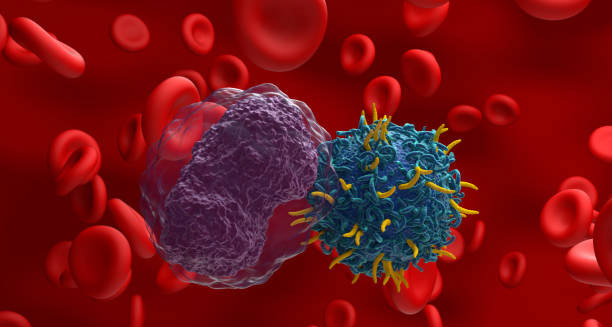
Microscopic illustration of abnormal lymphocytes and red blood cells linked to Hodgkin lymphoma

Causes of Hodgkin Lymphoma

The causes of Hodgkin lymphoma are not entirely understood, but research has found several biological, genetic, and environmental factors that may lead to this rare cancer. Like many cancers, Hodgkin lymphoma happens because of abnormal changes in the DNA of certain cells — in this case, lymphocytes that are part of the immune system. No single cause explains most cases. Instead, scientists think a mix of inherited traits, viral infections, and immune problems plays a key role. Understanding the causes of Hodgkin lymphoma helps improve diagnosis, treatment, and identifying people at higher risk. How Hodgkin Lymphoma Develops The disease starts with changes in B lymphocytes, a kind of white blood cell that makes antibodies. In Hodgkin lymphoma, these cells get genetic changes that stop them from dying when they should. Because of this, they survive and multiply uncontrollably. These bad B cells often turn into Reed-Sternberg cells, which are a key sign of classical Hodgkin lymphoma. These abnormal cells weaken the nearby immune cells and help the disease spread through lymph nodes. Epstein-Barr Virus and Hodgkin Lymphoma One of the most important causes of Hodgkin lymphoma is infection with the Epstein-Barr virus (EBV), the same virus that causes glandular fever (mononucleosis). Studies show people infected with EBV have a higher chance of getting Hodgkin lymphoma later in life. Around 40% of Hodgkin lymphoma cases worldwide have EBV DNA in Reed-Sternberg cells. This number changes depending on where people live and their age. Even though EBV infects most people at some point, it only causes cancer in a small number of them. Scientists do not yet know why. Immune System Weakness People with weak immune systems are more likely to get Hodgkin lymphoma. This includes those with HIV/AIDS, patients on medicines that lower immunity after organ transplants, and people born with immune problems. When the immune system is weak, it can’t easily find and destroy cells that start turning cancerous. This allows abnormal B lymphocytes to survive and grow. Genetic Risk Factors Genetics also play a role in the causes of Hodgkin lymphoma. It is not usually passed down like some inherited cancers. However, having a close family member, especially a sibling, with Hodgkin lymphoma raises the risk. Studies with twins and populations suggest there is a family link. Scientists think that common genetic differences may slightly change how the immune system or B cells work. This change may raise the chance of cancer when combined with environmental triggers. Immune System Activation and Autoimmune Diseases Long-term immune system activity may also add to the causes of Hodgkin lymphoma. Conditions like rheumatoid arthritis, lupus, and sarcoidosis link to a small increase in lymphoma risk. Although the exact reason is unclear, ongoing immune system activation might cause more mutations in lymphocytes. Environmental and Occupational Factors Experts are studying if certain chemicals and exposures may increase risk. Some suggest pesticides, solvents, and industrial chemicals might contribute, especially for people working in farming or factories for long periods. However, this is not proven yet, and more research is needed to see if these factors cause Hodgkin lymphoma or just reflect other risks. Lifestyle Factors Lifestyle choices are not main causes but might play some role. For example, smoking relates to many cancers and may increase lymphoma risk in some groups. Obesity and poor diet might also harm the immune system or work with other risks. These factors are more clearly linked to non-Hodgkin lymphoma but are being studied in Hodgkin lymphoma too. Age, Socioeconomic Status, and Risk Age and wealth seem to affect risk patterns. Hodgkin lymphoma peaks twice: in young adults (15–35 years) and in older adults over 60. In rich countries, it happens more in young adults from well-off backgrounds. This might be because they get exposed to common viruses like EBV later in childhood. Delayed infection can increase risk. Early exposure might help the immune system control the virus better and lower risk later. Hormones and Gender Differences Research is looking at why men get Hodgkin lymphoma slightly more than women. Though the difference is small, it is consistent worldwide. Hormones might affect immune system control, B-cell growth, or EBV activity. These effects could explain some of the difference. Complex and Unclear Causes Most people with Hodgkin lymphoma do not have a clear cause. Many have no family history, no known EBV infection, and no immune problems. This shows how complex the disease is. It likely involves many overlapping genetic, immune, and environmental factors. Future Directions in Prevention and Research Currently, most cases cannot be prevented. But better knowledge of the causes of Hodgkin lymphoma may one day allow targeted screening, genetic advice, or vaccines — especially against viruses like EBV. Scientists also want to find markers that predict risk or catch the disease early. Summary of Causes of Hodgkin Lymphoma The causes of Hodgkin lymphoma have many parts and are not fully known. Important factors include Epstein-Barr virus infection, weak immune systems, genetics, and possibly environmental exposures. Ongoing research will help improve prevention and create better, more precise treatments based on each patient’s disease biology. [Next: Symptoms of Hodgkin Lymphoma →]

Causes of Hodgkin Lymphoma Read More »

Woman holding her neck in discomfort, showing a common symptom of Hodgkin lymphoma

Symptoms of Hodgkin Lymphoma

The symptoms of Hodgkin lymphoma vary widely and often begin subtly, making early diagnosis challenging. They arise due to abnormal lymphocyte growth, causing immune disruption, inflammation, and swelling. Common Symptoms Respiratory and Chest Symptoms Symptoms from Organ Involvement Pediatric and Subtype Variations Asymptomatic Cases Diagnostic Challenges Psychological Impact Summary Hodgkin lymphoma symptoms range from painless lymph node swelling and systemic “B symptoms” to fatigue, itching, and respiratory issues. Rare signs like alcohol-induced lymph node pain may aid diagnosis. Awareness and early recognition of these symptoms enable timely diagnosis and improve outcomes. [Next: Diagnosis of Hodgkin Lymphoma →]

Symptoms of Hodgkin Lymphoma Read More »

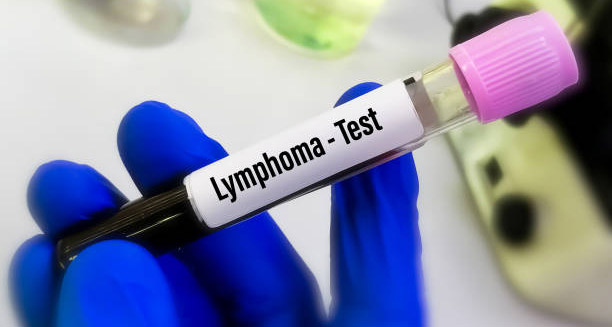
Blood sample labelled for lymphoma testing, used in the diagnosis of Hodgkin lymphoma

Diagnosis of Hodgkin Lymphoma

Diagnosing Hodgkin lymphoma involves a combination of clinical examination, imaging, laboratory testing, and tissue biopsy. Because its symptoms often overlap with common infections or autoimmune conditions, reaching a definitive diagnosis can take time. Early and accurate detection is critical to determining the disease stage, planning treatment, and improving outcomes. Initial Presentation and Clinical Examination Patients typically present with painless swelling of lymph nodes, unexplained fevers, night sweats, or persistent fatigue. Physicians conduct a thorough physical exam, palpating lymph nodes in the neck, armpits, and groin. If internal lymphadenopathy is suspected (in the chest or abdomen), imaging is used to evaluate deeper nodes. A detailed medical history—including recent infections, family cancer history, exposure to viruses like Epstein-Barr virus (EBV), weight loss, and systemic symptoms—helps distinguish Hodgkin lymphoma from other causes. Laboratory Testing Blood tests are an early diagnostic step. A complete blood count (CBC) may reveal anemia, elevated white blood cells, or low lymphocytes. Though non-specific, these findings raise suspicion. Additional tests like erythrocyte sedimentation rate (ESR) and C-reactive protein (CRP) measure inflammation and are often elevated in Hodgkin lymphoma. Lymph Node Biopsy Definitive diagnosis requires biopsy of an affected lymph node. Typically, an excisional biopsy removes the entire node for pathological examination. In cases where the node is inaccessible, needle biopsies guided by imaging may be performed. The hallmark of classical Hodgkin lymphoma is the presence of Reed-Sternberg cells—large, abnormal B cells with a distinctive “owl’s eye” appearance. Immunohistochemistry helps differentiate Hodgkin lymphoma from other diseases. Imaging and Staging After diagnosis, imaging determines disease extent. The preferred method is a PET-CT scan, which provides detailed anatomical and metabolic information, identifying involved lymph nodes and organs. This guides staging from Stage I (single lymph node region) to Stage IV (multiple organs involved). Additional imaging like MRI may be used if the spinal cord or brain are suspected to be involved. A chest X-ray can detect large mediastinal masses early in the process. Bone Marrow Biopsy A bone marrow biopsy is sometimes performed, especially if there is suspicion of marrow involvement. This involves sampling marrow from the pelvic bone to check for malignant cells, which would indicate advanced disease and may affect treatment. Molecular and Genetic Testing While not always necessary, molecular and genetic testing of biopsy samples can identify specific subtypes, prognostic markers, and help personalise treatment. For example, nodular lymphocyte-predominant Hodgkin lymphoma (NLPHL) has unique genetic and immunological features influencing management. Staging System The Ann Arbor staging system classifies Hodgkin lymphoma into four stages (I to IV), with “A” indicating absence and “B” indicating presence of systemic symptoms (fever, night sweats, weight loss). For example, Stage IIIB indicates widespread lymph node involvement with symptoms. Staging guides treatment decisions and prognosis. Additional Assessments Physicians evaluate performance status and organ function through routine blood chemistry and tests of liver and kidney function. These assessments determine if patients can tolerate specific chemotherapy agents or require dose adjustments. Discussions about fertility preservation are important, especially in younger patients. Special Considerations in Children and Adolescents Diagnosing Hodgkin lymphoma in children can be challenging because symptoms mimic infections such as mononucleosis. Paediatric oncologists use minimally invasive biopsies and tailored imaging protocols to reduce discomfort and radiation exposure. Challenges and Multidisciplinary Approach Diagnosis delays are common when symptoms are vague or misattributed. Early clinical suspicion and prompt referral to specialists improve outcomes. General practitioners play a crucial role in identifying warning signs. A multidisciplinary team—including haematologists, radiologists, pathologists, and oncologists—typically reviews diagnosis, staging, and treatment planning to ensure accuracy and consensus. Summary:Diagnosing Hodgkin lymphoma requires a systematic approach: careful physical examination, blood tests, imaging studies, and lymph node biopsy. Advanced techniques such as PET-CT and immunohistochemistry refine diagnosis and staging, enabling personalised treatment plans. Early and precise diagnosis leads to the best possible outcomes. [Next: Treatment of Hodgkin Lymphoma →]

Diagnosis of Hodgkin Lymphoma Read More »

Doctor discussing Hodgkin lymphoma treatment options with a concerned female patient

Treatment of Hodgkin Lymphoma

The treatment of Hodgkin lymphoma has advanced dramatically over the past several decades, resulting in one of the highest cure rates among cancers. Thanks to improvements in chemotherapy regimens, radiotherapy techniques, and targeted biological therapies, the prognosis for most patients is highly favourable. Selecting the appropriate treatment depends on factors such as disease stage, patient age and overall health, symptom presence, and lymphoma subtype. Treatment begins after thorough diagnosis and review by a multidisciplinary team, ensuring a personalised plan focused on eradicating cancer while minimising side effects and preserving quality of life. Chemotherapy Chemotherapy is the cornerstone of Hodgkin lymphoma treatment. The most common regimen is ABVD, which includes Adriamycin (doxorubicin), Bleomycin, Vinblastine, and Dacarbazine. Doctors use ABVD for both early and advanced stages, giving it in cycles every two weeks. The total number of cycles depends on the disease severity and the patient’s response. For more aggressive or relapsed disease, intensive regimens like BEACOPP or ESHAP may be used. These carry higher side effect risks but may be necessary for resistant cases. Common chemotherapy side effects include nausea, fatigue, hair loss, lowered white blood cells, and increased infection risk. Doctors use supportive medications and growth factors to manage these effects, and they closely monitor patients throughout treatment. Radiotherapy Doctors often combine radiotherapy with chemotherapy, especially for early-stage Hodgkin lymphoma or bulky disease. They usually prefer involved-site radiotherapy (ISRT), which targets only the affected lymph nodes to minimise damage to healthy tissue. Treatment usually involves daily sessions over 2–4 weeks. While painless, side effects can include fatigue, skin irritation, sore throat (if the neck is treated), and mild nausea. Radiotherapy’s long-term risks—such as secondary cancers, fertility issues, and cardiovascular disease—are especially concerning for younger patients. Its use is carefully balanced to maximise benefit and reduce harm. Targeted Therapy and Immunotherapy Recent innovations include targeted therapies like Brentuximab vedotin, an antibody-drug conjugate that targets CD30 on Reed-Sternberg cells. This is particularly effective in relapsed or refractory cases, either alone or with chemotherapy. Checkpoint inhibitors such as nivolumab and pembrolizumab enhance immune recognition of cancer cells, offering hope for patients unresponsive to standard therapies. While often better tolerated than chemotherapy, these therapies may cause side effects including fatigue, rash, diarrhoea, and autoimmune reactions affecting organs like lungs, liver, or endocrine glands. Stem Cell Transplant For relapsed or refractory Hodgkin lymphoma, a stem cell transplant may be performed. This involves high-dose chemotherapy to eliminate cancer cells, followed by infusion of healthy stem cells to restore bone marrow. Most transplants are autologous, using the patient’s own harvested stem cells. This procedure offers a chance for long-term remission but involves intensive treatment, prolonged hospitalization, and risks such as infection and organ toxicity. Allogeneic transplants from donors are rarer due to higher complication rates but may be considered in select cases. Fertility Preservation Because chemotherapy and radiotherapy can impair fertility, discussions about preservation options—such as sperm banking, egg or embryo freezing, and ovarian tissue preservation—are critical before treatment, especially for adolescents and young adults. Fertility specialists typically collaborate with oncology teams to facilitate this. Supportive Care and Monitoring Supportive care throughout treatment helps manage side effects and maintain well-being. Antiemetics, pain management, and growth factors improve tolerability. Psychological support, counseling, and peer groups address anxiety, body image concerns, and fear of recurrence. After treatment, patients enter surveillance with regular follow-ups including physical exams, blood tests, and occasional imaging to detect relapse early. Survivors are also monitored for late effects like secondary cancers, thyroid dysfunction, and cardiac disease. Special Considerations for Children and Elderly In children and adolescents, treatment aims to maximise cure rates while minimising long-term side effects by limiting radiotherapy and using the lowest effective chemotherapy doses. Elderly patients may require treatment modifications due to comorbidities and reduced tolerance, balancing effectiveness with quality of life. Holistic and Lifestyle Support Recovery extends beyond medical treatment. Patients are encouraged to maintain a healthy diet, stay physically active as tolerated, avoid tobacco and excess alcohol, and receive recommended vaccinations, including annual flu shots, due to immune compromise. In conclusion, Hodgkin lymphoma treatment is highly effective and improving continuously. While chemotherapy and radiotherapy remain the foundation, targeted therapies and immunotherapy provide additional options, especially for resistant disease. With early diagnosis, multidisciplinary care, and comprehensive support, most patients achieve remission and enjoy full, healthy lives. [Next: Complications of Hodgkin Lymphoma →]

Treatment of Hodgkin Lymphoma Read More »

Elderly man experiencing neck pain, a possible complication of Hodgkin lymphoma

Complications of Hodgkin Lymphoma

Complications of Hodgkin lymphoma arise both from the disease itself and from its treatments. Although Hodgkin lymphoma is among the most curable cancers, especially when diagnosed early, it carries risks related to physical health, emotional wellbeing, and long-term effects. Understanding these complications enables patients and healthcare teams to anticipate, manage, and ideally prevent many adverse outcomes. Disease Progression and Treatment Resistance A significant complication is disease progression or relapse, where Hodgkin lymphoma fails to respond to initial therapy or returns after remission. Such refractory or relapsed cases often require more aggressive interventions like high-dose chemotherapy, stem cell transplantation, or immunotherapy, which introduce additional risks and side effects. Immune System Suppression and Infection Both the cancer and its treatments—chemotherapy and radiotherapy—suppress immune function. Hodgkin lymphoma’s characteristic Reed-Sternberg cells impair normal immune responses, and chemotherapy reduces white blood cell counts, especially neutrophils and lymphocytes. This immune compromise heightens susceptibility to opportunistic infections, including bacterial pneumonia, fungal infections, and reactivation of latent viruses such as herpes zoster or Epstein-Barr virus. Organ Toxicity Certain chemotherapy agents pose risks to vital organs. For example, Bleomycin can cause lung damage and pulmonary fibrosis, while Adriamycin (doxorubicin) may induce cardiac toxicity, especially at high cumulative doses. Close monitoring during and after treatment helps mitigate these complications. Secondary Cancers Patients treated with chemotherapy and radiotherapy—particularly at a young age—face an increased risk of secondary malignancies such as breast, thyroid, lung cancers, and leukemia. These risks peak within the first decade post-treatment but persist lifelong, necessitating tailored cancer surveillance in survivors. Fertility Impairment Chemotherapy drugs like procarbazine and alkylating agents can damage ovarian and testicular function, causing temporary or permanent infertility. Fertility preservation options (e.g., sperm banking, egg freezing) should be discussed prior to treatment when possible. Post-treatment hormone replacement therapy may be required for some patients, particularly women experiencing premature menopause. Fatigue and Cognitive Dysfunction Cancer-related fatigue can endure for months or years after treatment, impairing daily activities and quality of life. Cognitive issues, commonly known as “chemo brain,” include memory difficulties, trouble concentrating, and slower thinking. These symptoms can have a significant impact on personal and professional functioning. Psychological Complications The emotional impact of Hodgkin lymphoma is substantial. Anxiety, depression, and post-traumatic stress symptoms are common, especially during diagnosis, treatment, and follow-up. Adolescents and young adults may experience heightened social isolation and concerns about their future. Psychological support, counseling, and peer groups are vital for emotional resilience. Thyroid Dysfunction Radiotherapy to the neck area often leads to hypothyroidism, which may manifest years after treatment. Regular thyroid function testing during follow-up allows timely initiation of hormone replacement therapy. Neurological Complications Rarely, neurological issues arise from tumor compression or treatment side effects. Autoimmune reactions triggered by high-dose chemotherapy or immunotherapy can cause peripheral neuropathies, Guillain-Barré syndrome, or coordination difficulties. Skin Issues Radiotherapy may result in long-term skin changes such as discoloration, dryness, and fibrosis. Graft-versus-host disease, particularly following stem cell transplantation, can cause rashes and inflammation. Increased sun sensitivity and chronic itching are additional concerns. Chronic Pain Chronic pain can develop due to nerve damage or repeated surgical interventions. It may be localized or widespread, and multidisciplinary management involving pain specialists, physical therapy, and psychological support is often necessary. Growth and Developmental Concerns Children and adolescents treated for Hodgkin lymphoma may face growth delays and endocrine dysfunction. Ongoing assessment by pediatric and endocrinology specialists ensures appropriate interventions. Financial Burden The economic impact of Hodgkin lymphoma includes costs for travel, medications, fertility preservation, and mental health services. These burdens may be pronounced even in healthcare systems with universal coverage, and especially so in resource-limited settings. In summary, while Hodgkin lymphoma’s prognosis is generally excellent, its complications—ranging from infections and organ toxicity to emotional and financial challenges—can significantly affect survivors’ lives. A holistic, patient-centered approach to care is essential to manage these risks, support recovery, and enhance quality of life post-treatment. [Next: Outlook for Hodgkin Lymphoma →]

Complications of Hodgkin Lymphoma Read More »

Mature woman reflecting while holding her neck, symbolising outlook for Hodgkin lymphoma

Outlook for Hodgkin Lymphoma

Outlook for Hodgkin Lymphoma The outlook for Hodgkin lymphoma has improved dramatically over recent decades, thanks to advances in early diagnosis, standardized chemotherapy protocols, and the introduction of novel treatments like targeted therapies and immunotherapy. Once considered a highly fatal disease, Hodgkin lymphoma now ranks among the cancers with the highest survival rates. Prognosis is especially positive when the disease is detected early and treated promptly. Today, the five-year survival rate exceeds 85% in developed countries, with rates approaching 90–95% in younger patients diagnosed at Stage I or II. These improvements reflect not only medical progress but also increased public awareness, routine screening, and multidisciplinary care approaches. Prognostic Factors Individual outcomes depend on several prognostic factors, foremost among them the stage at diagnosis: Earlier stages correlate with better outcomes. Other factors influencing prognosis include the presence of B symptoms (fever, night sweats, weight loss), bulky lymph nodes, patient age and gender, and blood markers such as erythrocyte sedimentation rate (ESR) or albumin levels. Response to Initial Treatment How well a patient responds to first-line treatment is another key determinant of outlook. Achieving complete remission after chemotherapy and/or radiotherapy significantly improves long-term survival. Regular monitoring via PET scans and blood tests guides ongoing management. Patients who attain remission within months of starting therapy have an excellent chance of cure. For those who relapse or exhibit resistance, options like high-dose chemotherapy and stem cell transplantation offer hope, though their prognosis is generally less favourable than initial responders. Age and Long-Term Survivorship Younger patients tend to tolerate aggressive treatments better and have fewer comorbidities, resulting in higher survival and fewer complications. Older adults may face additional challenges due to other health conditions, but personalized care and close monitoring often still enable good outcomes. Quality of Life After Treatment Beyond survival, quality of life is crucial. Many survivors resume normal routines, including work, education, and family life. Some, however, experience long-term effects such as fatigue, fertility issues, or cognitive changes. Comprehensive survivorship care addresses these concerns holistically. Psychological support is also vital, as survivors often grapple with anxiety about recurrence, body image changes, and emotional distress. Access to counseling and support groups enhances resilience and recovery. Risk of Recurrence Relapse is most common within the first two to three years post-treatment, necessitating vigilant follow-up with physical exams, imaging, and lab tests. After five years without recurrence, the risk decreases substantially, and many are considered cured. Late relapses are rare but possible, especially in advanced-stage patients, where salvage therapy combined with transplantation offers further treatment options. Advances in Treatment and Future Trends Immunotherapies such as checkpoint inhibitors (nivolumab, pembrolizumab) have revolutionized treatment for relapsed or refractory Hodgkin lymphoma, improving outcomes with fewer long-term toxicities. Brentuximab vedotin, a targeted antibody-drug conjugate, also benefits patients unresponsive to conventional chemotherapy and is being explored for frontline therapy. Emerging gene-based and biomarker-driven therapies promise more personalized treatment, potentially enhancing efficacy and minimizing side effects. Global Disparities in Outcome While outcomes in high-income countries are excellent, disparities remain globally. Limited access to diagnostics, treatment, and follow-up care in low- and middle-income regions reduces survival rates. Efforts to expand healthcare infrastructure, train professionals, and provide affordable medication are critical to closing this gap. International partnerships and NGOs have been instrumental in improving cancer care access worldwide. Increasing public awareness and early diagnosis also improve outcomes in resource-limited settings. Survivorship Care and Monitoring Long-term survivors need ongoing care to monitor for late effects like secondary cancers, thyroid dysfunction, and cardiovascular disease. Routine screenings, lifestyle education, and preventive strategies support overall health. Multidisciplinary survivorship programs—including oncologists, primary care providers, fertility experts, and mental health professionals—enhance both longevity and quality of life. In summary, Hodgkin lymphoma’s outlook is among the most encouraging in oncology. Early detection, effective treatment, and comprehensive follow-up enable most patients to lead full, productive lives. Continued innovations and efforts to broaden global access will further improve outcomes, offering hope to those affected worldwide. [Next: Back to Overview →]

Outlook for Hodgkin Lymphoma Read More »

Scroll to Top