Mental Matters

Hydrocephalus

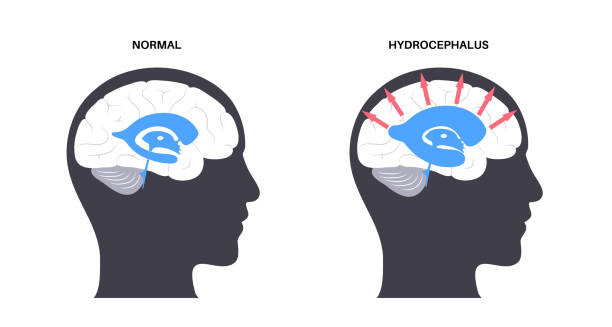
Comparison of normal brain and hydrocephalus showing fluid buildup and pressure

Hydrocephalus

Hydrocephalus is a medical condition characterised by an abnormal build-up of cerebrospinal fluid (CSF) within the ventricles (cavities) of the brain. The term hydrocephalus derives from the Greek words “hydro,” meaning water, and “cephalus,” meaning head — together meaning “water on the brain.” This accumulation of fluid increases intracranial pressure, which can damage delicate brain tissues and result in a wide range of symptoms depending on the patient’s age, underlying cause, and severity of the condition. The brain usually keeps a careful balance by making and absorbing cerebrospinal fluid. CSF protects the brain, brings nutrients, and removes waste. In hydrocephalus, this balance breaks. Either too much fluid is made, the flow is blocked, or the body cannot absorb the fluid well. This causes fluid to build up and press on the brain. This pressure can lead to physical problems and affect thinking. Hydrocephalus can affect anyone but happens most in babies and older adults. In babies, the skull bones are soft, so the head may grow larger than usual. In older children and adults, symptoms often include headaches, vision troubles, and changes in mood or thinking. Without treatment, hydrocephalus can be life-threatening. Still, with quick medical help, especially surgery, many people live full lives. Types of Hydrocephalus There are several kinds of hydrocephalus: Each type presents different challenges and treatment needs. Congenital forms may require lifelong care. Some acquired cases improve if the cause is treated. NPH can be hard to spot because symptoms mimic dementia or Parkinson’s disease. Global Impact and Diagnosis Hydrocephalus rates vary worldwide based on healthcare access and prenatal screening. In rich countries, doctors often find hydrocephalus early through pregnancy ultrasounds or newborn checks. In many poorer regions, late diagnosis is common, increasing the risk of death or disability. Public education and better newborn care can help reduce this burden. Treatment Options Surgery is the main treatment. The most common is placing a shunt, a thin tube that drains excess fluid from the brain to another body part, usually the belly, where it absorbs. Another option is endoscopic third ventriculostomy (ETV). This surgery makes a small hole in the brain’s ventricle floor to let fluid flow around a blockage. Both treatments ease symptoms but can have risks like infection, blockages, or the need for further surgeries. Living with Hydrocephalus Hydrocephalus affects more than just physical health. Children may face learning delays and coordination problems. Adults might struggle with memory, mood, and independence. A team of specialists — neurologists, surgeons, therapists, and educators — helps patients get the best care. Family and caregivers also play a big role. Parents learn to watch for warning signs like vomiting or irritability. Adults may depend on loved ones for daily tasks and medication. Since hydrocephalus can last a lifetime, strong support systems are key. Research and Future Directions Scientists continue studying the genes and environment factors behind hydrocephalus. They also work on improving surgeries and shunt designs. New imaging tools like MRI and CT scans help doctors diagnose and monitor the condition more easily and without pain. The hope is to find less invasive and more natural treatments in the future that balance brain fluid better. Prognosis Outcomes vary. Some recover well after treatment, while others face lasting problems. Early diagnosis, type of hydrocephalus, cause, and quick treatment all affect results. Regular follow-up care improves quality of life. Summary Hydrocephalus is a complex brain condition caused by too much cerebrospinal fluid. It can be dangerous if untreated, but modern surgery and care have improved lives greatly. With proper treatment and support, people with hydrocephalus can live active, meaningful lives. Raising public awareness, improving healthcare access, and continuing research are vital to help those living with this condition worldwide. [Next: Causes of Hydrocephalus →]


Hydrocephalus Read More »

Pregnant woman sitting with ultrasound scan showing concern about hydrocephalus

Causes of Hydrocephalus

Understanding the causes of hydrocephalus is essential to diagnosing and managing this complex neurological condition. The term “hydrocephalus” describes the build-up of cerebrospinal fluid (CSF) within the ventricles of the brain. This extra fluid raises pressure inside the skull. If untreated, it can cause lasting damage to brain tissue. Causes of hydrocephalus vary. They include genetic conditions, developmental problems, infections, injuries, and tumors. Hydrocephalus may start before birth, during infancy, or later in life. Hydrocephalus happens when the production and absorption of CSF are out of balance or when the flow of CSF is blocked. The brain makes CSF to protect itself and remove waste. Normally, the fluid flows through chambers called ventricles and around the brain and spinal cord, then reabsorbs into the bloodstream. When this balance breaks, hydrocephalus occurs. 1. Congenital Causes (Present at Birth) One common cause in infants is congenital abnormalities. These problems develop before birth and often get noticed early. Aqueductal stenosis is a major cause. This means a narrow or blocked channel between the brain’s ventricles stops fluid flow, causing buildup. Spina bifida, especially myelomeningocele, is a birth defect affecting the spine. It often leads to hydrocephalus by disturbing CSF flow. Chiari malformations are structural problems at the skull base and cerebellum that block CSF circulation. Infections in the womb like toxoplasmosis, cytomegalovirus, or rubella may disrupt brain development and lead to hydrocephalus. Some genetic conditions, such as X-linked hydrocephalus caused by mutations in the L1CAM gene, can block CSF flow and run in families. Because these causes start early, babies may show an unusually large head (macrocephaly) — often the first sign that leads to testing. 2. Acquired Causes (Develop After Birth) Hydrocephalus can also develop later in life due to injury, illness, or surgery. Intraventricular hemorrhage, especially in premature babies, causes bleeding inside brain ventricles. This can block CSF flow and cause hydrocephalus. Meningitis, an infection of brain and spinal cord membranes, can scar tissues and stop CSF absorption. Tuberculosis meningitis is a common cause in developing countries. Brain tumors can block fluid flow, especially those near the fourth ventricle. Traumatic brain injury may cause bleeding or swelling that disrupts CSF circulation. Hydrocephalus can appear soon after or much later. Cysts like arachnoid cysts can block CSF pathways, raising pressure. Brain or spinal surgery can sometimes cause scar tissue that stops normal CSF absorption. 3. Normal Pressure Hydrocephalus (NPH) NPH mainly affects older adults. Even though it’s called “normal pressure,” fluid builds up in brain ventricles without showing high pressure on lumbar puncture. NPH may happen after: NPH symptoms mimic Alzheimer’s and Parkinson’s disease, making diagnosis tricky. The main symptoms are walking problems, urinary urgency or incontinence, and memory loss. Brain scans help confirm NPH by showing larger ventricles. 4. Idiopathic Hydrocephalus Sometimes, doctors cannot find the cause of hydrocephalus. This is called idiopathic hydrocephalus. It happens more often in adults. Doctors make this diagnosis by ruling out other causes. Scientists are still researching why it happens. 5. Age-Related Factors Age affects hydrocephalus causes. Babies mostly have congenital or birth-related hydrocephalus. Older adults, especially over 60, often develop NPH or hydrocephalus after injury or stroke. Babies’ skulls are soft and can expand, so head size may grow visibly. Adults’ skulls are hard, so fluid build-up causes pressure symptoms without head changes. Global Differences in Causes Causes of hydrocephalus differ worldwide. Low-income countries see more infections and birth-related issues causing hydrocephalus. High-income countries detect congenital and tumor-related cases earlier due to better healthcare. Global health efforts focus on reducing preventable causes. These include improving prenatal care, vaccinations, and infection control. Conclusion Causes of hydrocephalus vary widely and depend on age, environment, and healthcare access. Whether congenital, acquired, or idiopathic, finding the root cause helps guide treatment and improve outcomes. Advances in diagnosis and newborn screening are helping catch hydrocephalus earlier, leading to better care worldwide. Causes of Hydrocephalus Using “Causes of Hydrocephalus” in headings and text helps readers and search engines find this important information clearly and easily. [Next: Symptoms of Hydrocephalus →]

Causes of Hydrocephalus Read More »

Comparison of normal brain and hydrocephalus showing fluid buildup and pressure in the brain

Symptoms of Hydrocephalus

The symptoms of hydrocephalus can vary widely depending on the patient’s age, the speed at which the condition develops, and the underlying cause of the cerebrospinal fluid (CSF) build-up. How Symptoms Affect the Brain Hydrocephalus raises pressure inside the skull. This pressure changes how the brain works and its shape. Some symptoms are clear and quick, especially in babies. Others are harder to notice, mainly in older adults. Understanding symptoms at different ages helps doctors spot hydrocephalus early. Symptoms might appear slowly or show up fast in sudden cases. Without quick care, hydrocephalus can cause serious problems. Symptoms of Hydrocephalus in Infants Babies with hydrocephalus often show physical signs different from older kids or adults. This happens because their skull bones are soft and can grow to hold more pressure. If not treated early, these symptoms can worsen and lead to delays in growth, thinking problems, or physical issues. Symptoms in Toddlers and Young Children As children grow and their skull bones harden, symptoms change. They often show more brain and behaviour problems. These symptoms develop slowly and may seem like other childhood issues. This makes careful check-ups very important. Symptoms in Adolescents and Adults In teens and adults, hydrocephalus symptoms show as signs of brain pressure and nerve problems. In older adults, hydrocephalus symptoms can be very mild and mistaken for diseases like Parkinson’s or Alzheimer’s, or just normal aging. This is common in normal pressure hydrocephalus, where ventricles get bigger but pressure seems normal. Acute Symptoms and Medical Emergencies Sometimes hydrocephalus develops very fast and needs urgent care. Warning signs include: These symptoms mean pressure in the brain is dangerously high and can be deadly without quick treatment. For people with a shunt to treat hydrocephalus, new headaches, vomiting, or vision changes may mean the shunt is blocked, infected, or broken. Immediate medical help is needed to avoid permanent harm or death. Symptoms of Hydrocephalus in Older Adults (NPH) Normal pressure hydrocephalus mostly affects people over 60. It usually causes three main symptoms: Unlike Alzheimer’s or Parkinson’s, NPH symptoms can improve or reverse with surgery if caught early. This makes quick diagnosis very important. The Importance of Early Recognition Spotting hydrocephalus symptoms early is key for good treatment and outcomes. Early treatment, like shunt surgery or endoscopic third ventriculostomy, can control the condition well. Left untreated, fluid build-up can cause brain damage, severe disability, or death. Everyone should know the warning signs for all ages — parents, caregivers, teachers, and doctors. Regular check-ups and brain development screenings should check for hydrocephalus when symptoms appear. Conclusion The symptoms of hydrocephalus vary by age, type, and how fast it develops. From a big head in babies to subtle thinking and walking changes in older adults, early recognition saves lives and improves quality of life. Hydrocephalus affects many people worldwide, so being watchful and aware helps catch it early and get the right treatment. Symptoms of Hydrocephalus Using the focus keyphrase “Symptoms of Hydrocephalus” here and in headings helps the content stay clear and easy to find for readers and search engines. [Next: Diagnosis of Hydrocephalus →]

Symptoms of Hydrocephalus Read More »

Doctor examining an infant for signs of hydrocephalus during a medical consultation.

Diagnosis of Hydrocephalus

The diagnosis of hydrocephalus plays a critical role in determining the appropriate treatment and preventing long-term brain damage. Importance of Early Diagnosis Doctors must identify hydrocephalus early. This allows them to start treatment quickly and improve outcomes for all ages. Whether the patient is a newborn, child, or older adult, a careful diagnostic process is needed. It confirms excess cerebrospinal fluid (CSF), finds the cause, and measures how severe the condition is. Modern tools like medical imaging and brain exams have changed how doctors diagnose hydrocephalus. These tools help detect problems in CSF flow, the size of brain ventricles, and brain function. However, diagnosing hydrocephalus can still be hard. This is especially true in older adults because symptoms can be mild or like other brain conditions. Clinical Evaluation and History Doctors start by taking a detailed medical history and doing a physical exam. They ask about when symptoms began and how they have changed. They also ask about past injuries, infections, or family history of brain problems. For babies and young kids, parents may notice fast head growth, delays in development, or fussiness. Older patients might complain of walking problems, memory loss, or bladder control issues. During the exam, doctors look for signs like: These findings guide the next step — imaging and tests. Neuroimaging: Essential for Diagnosis Neuroimaging is the main tool to diagnose hydrocephalus. It shows if the brain’s ventricles are enlarged or blocked. It also finds any masses or spots that block CSF flow. 1. Ultrasound (in infants)For babies with soft skull bones, doctors use ultrasound first. This test is safe, quick, and easy. The probe goes on the soft spot (fontanelle) and shows fluid buildup and brain shape clearly. 2. CT Scan (Computed Tomography)CT scans work well in emergencies or for older kids and adults. They show detailed pictures of brain structure and ventricles. CT helps find sudden hydrocephalus from bleeding, infections, or injuries. Because CT uses radiation, doctors avoid using it often in babies. 3. MRI (Magnetic Resonance Imaging)MRI is the best test for hydrocephalus. It gives clear pictures of soft tissues, CSF paths, and brain parts around them. It helps tell if hydrocephalus is due to blockage or poor absorption. MRI also finds tumours, cysts, or birth defects. In older adults, MRI helps check for normal pressure hydrocephalus (NPH) by showing ventricle size and brain changes. New MRI techniques, like phase-contrast MRI, can even measure CSF flow. This helps with tough or unclear cases. Lumbar Puncture and CSF Analysis Sometimes, doctors do a lumbar puncture (spinal tap), especially if NPH is suspected. They take a small amount of fluid from the lower back with a needle. They measure the pressure and check what is in the fluid. Normal pressure readings do not mean NPH is ruled out. Removing fluid may ease symptoms for a short time in NPH. This is called the CSF tap test and helps confirm the diagnosis. Doctors also check the fluid for infection, blood, or inflammation, which can cause hydrocephalus. Doctors usually avoid lumbar puncture if blockage is obvious. This is because it might cause pressure problems and serious brain injury. Intracranial Pressure Monitoring When symptoms are unclear or decline happens fast, doctors may monitor brain pressure directly. They insert a small sensor into the skull or ventricles. This sensor measures pressure continuously. Though this test is invasive, it gives important information in difficult cases. This is useful in hospital patients, especially after injury or surgery, where acute hydrocephalus risk is high. Neuropsychological Evaluation Older children and adults may undergo cognitive testing. These tests check memory, attention, language, reasoning, and thinking skills. The results help tell hydrocephalus apart from diseases like Alzheimer’s, Parkinson’s, or stroke. They are also key in spotting NPH. Doctors use these tests to track the patient’s brain function before and after surgery. Diagnostic Challenges in the Elderly Diagnosing hydrocephalus in older adults is often tough. NPH symptoms—walking trouble, memory loss, bladder problems—look like other age-related brain diseases. Many patients get misdiagnosed and treated for dementia or other conditions. Doctors must combine brain scans with careful clinical judgement. If NPH is suspected, they might do a CSF tap test or drain fluid over several days to see if symptoms improve. These tests help predict if shunt surgery will help. Genetic Testing (in Specific Cases) Genetic tests may be needed in cases of congenital hydrocephalus, especially if multiple problems or family history exist. Finding gene changes or syndromes helps with counselling, predicting the course, and planning future pregnancies. Doctors do not usually test genetics in acquired hydrocephalus, unless heredity is suspected. Summary Diagnosis of hydrocephalus involves history, physical exam, and imaging. Some cases are clear with obvious signs and images. Others, especially in older adults, need detailed tests and expert judgement. Early diagnosis stops lasting brain damage. With proper diagnosis, patients can get the treatments needed to live healthier, fuller lives. Diagnosis of Hydrocephalus — Remember Using the focus keyphrase “Diagnosis of Hydrocephalus” here in the intro and scattered naturally throughout the content helps SEO. Also including it in headings makes the text easier to find and understand. [Next: Treatment of Hydrocephalus →]

Diagnosis of Hydrocephalus Read More »

Child undergoing MRI scan as part of hydrocephalus treatment and monitoring.

Treatment of Hydrocephalus

The treatment of hydrocephalus focuses on lowering the extra cerebrospinal fluid (CSF) in the brain’s ventricles. This helps ease pressure on the brain and stops further damage. Since hydrocephalus can affect people of all ages and result from different causes, treatment depends on the patient’s age, type of hydrocephalus, and other health issues. Surgery is the main treatment, but medicine and supportive care also play roles. Early diagnosis and fast treatment are key. Without treatment, hydrocephalus can cause lasting brain damage, disability, or death. For most patients, treatment is a long-term process. Many need regular check-ups, and some may need extra procedures for recurring symptoms or complications. Still, with proper care, many people with hydrocephalus live much better lives. Surgical Treatment: The Cornerstone of Management Surgery aims to drain the extra CSF and lower pressure on the brain. Two main surgery types are used: 1. Shunt Placement The most common surgery is to put in a ventriculoperitoneal (VP) shunt. This is a soft silicone tube that moves excess fluid from the brain to another part of the body, usually the belly, where it is absorbed. The shunt has a valve to control the fluid flow and stop too much or too little drainage. In young children, the shunt can be adjusted or replaced as they grow. Other shunt types drain to the heart (ventriculoatrial) or chest (ventriculopleural). Shunts can save lives and greatly improve symptoms but come with risks. Shunts may fail, block, get infected, or need multiple surgeries over time. Patients usually need lifelong check-ups. Some shunts are programmable, letting doctors change flow rates without surgery. 2. Endoscopic Third Ventriculostomy (ETV) ETV is a surgery option for blocked hydrocephalus. A surgeon makes a small hole in the brain’s third ventricle floor. This hole lets CSF bypass the blockage and flow normally to the brain’s surface for absorption. ETV avoids using a shunt, which lowers infection and mechanical failure risks. It works better in older children and adults than in babies. Sometimes, doctors use ETV with choroid plexus cauterisation (ETV-CPC) in infants to lower CSF production. ETV is not suitable for all cases, especially if the problem is poor CSF absorption, but it offers a shunt-free option for some patients. Additional Surgical Considerations If hydrocephalus is caused by tumors, cysts, or brain problems, more surgery may be needed to fix the cause. For example: Medical and Supportive Treatments Surgery handles the fluid build-up, but other care helps with lasting effects. a. Medications Medicines do not cure hydrocephalus but help in certain cases: Medicines support but do not replace surgery. b. Rehabilitation Therapy Many patients, especially kids, need physiotherapy, occupational therapy, or speech therapy to improve movement, thinking, or speaking. Early therapy is key for better development. Rehab helps people gain independence and improve daily skills, especially if brain damage happened before treatment. c. Psychological and Educational Support Hydrocephalus may affect thinking and behavior long term. Support from psychologists and learning specialists helps children succeed at school and socially. Adults may benefit from counselling for mood changes, depression, or memory problems. Long-Term Monitoring and Follow-Up Monitoring is a big part of hydrocephalus care. Shunts can fail suddenly, and ETV holes may close. Signs like headaches, nausea, blurry vision, or behavior changes need quick check-ups. Follow-up includes: Many patients need lifelong care, but new surgical tools and tests improve results. Special Considerations for Normal Pressure Hydrocephalus (NPH) NPH usually affects older adults and shows as walking problems, memory loss, and bladder control issues. Treatment often means shunt surgery, especially if tests show CSF removal helps. Not all patients improve, so careful diagnosis and clear expectations matter. Teams of neurologists, geriatricians, and rehab specialists usually manage care. Emerging and Future Therapies New treatments are being studied, including: These advances may lower risks and improve life quality over time. Conclusion Treatment for hydrocephalus combines surgery with ongoing care, rehab, and emotional support. While there is no cure, most people manage the condition well and live full lives. Advances in surgery and technology bring hope for even better results in the future. [Next: Complications of Hydrocephalus →]

Treatment of Hydrocephalus Read More »

Illustration of a child struggling to speak, showing a speech delay linked to hydrocephalus complications.

Complications of Hydrocephalus

The complications of hydrocephalus can range from mild developmental delays to severe brain damage and even death. These problems happen mainly because too much cerebrospinal fluid (CSF) builds up in the brain, causing high pressure inside the skull. Even with quick treatment, some issues may last if the brain was under pressure for a long time before treatment started. Since hydrocephalus affects people of all ages—from babies to older adults—the complications vary widely. Babies may have delays in brain growth, while adults often face problems with thinking or moving. Careful monitoring and personalized rehab can help lower the impact of these complications, but some damage might be permanent. Knowing these complications is very important for patients, caregivers, and doctors because early spotting and treatment can improve long-term results. Cognitive and Developmental Delays A major complication in babies and young children with untreated or late-treated hydrocephalus is delayed thinking skills. When too much fluid presses on the growing brain, it can stop important connections needed for learning, memory, speech, and movement from forming properly. Children may take longer to learn to talk, read, and solve problems.They may show behavior problems like short attention, hyperactivity, or emotional outbursts. Early surgery and therapy can help reduce these issues, but some learning problems might stay. In adults, especially those with long-term hydrocephalus or normal pressure hydrocephalus (NPH), problems may include short-term memory loss, trouble planning, and poor focus. Motor Impairments and Mobility Issues Many complications of hydrocephalus affect physical movement and coordination. In children, extra pressure can cause: Older adults with NPH may develop a shuffling walk, poor balance, and a higher chance of falling. Falls can cause broken bones or other injuries. Physical therapy is very important to help with these movement problems. Vision and Hearing Difficulties High pressure in the skull can press nerves that control sight and hearing. This can cause both children and adults to have: Quick surgery, regular eye checks, and brain exams help catch and treat these problems early. Seizures Seizures happen fairly often, especially in children with severe or long-lasting hydrocephalus. Causes include: Seizures vary from short lapses in attention to full convulsions. They are usually treated with medicine, but some cases need more brain scans and surgery. Shunt Complications Surgery to treat hydrocephalus often uses shunts, but shunts can cause problems too. Many patients will have several shunt surgeries in their life. This shows why long-term check-ups and fast action on symptoms matter. Psychosocial and Emotional Effects Hydrocephalus causes emotional and social problems beyond physical and thinking issues. Counselling, support groups, and social activities help manage these feelings and improve well-being. Incontinence and Urinary Issues Urinary incontinence (loss of bladder control) is common in older adults with normal pressure hydrocephalus. It often happens with walking problems and memory loss. Types include: Incontinence hurts quality of life and can cause shame or social isolation. Shunt surgery, bladder training, and medicine may help. Reduced Life Expectancy in Untreated Cases Without treatment, hydrocephalus can be deadly due to pressure on vital brain parts. Babies’ skulls may swell to fit fluid, but this can only go so far. Eventually, vital functions like breathing and heartbeat may fail. In older adults, untreated hydrocephalus looks like brain diseases and causes steady decline, more falls, immobility, and infections like pneumonia. Prevention and Risk Management Though not all hydrocephalus problems can be stopped, many risks drop with good care: Conclusion Hydrocephalus causes many problems that can affect almost every part of life. These include thinking problems, physical disability, emotional struggles, and surgical risks. However, with early diagnosis, proper surgery, and long-term care, many complications can be eased or controlled. Knowing and preparing for these issues leads to better outcomes and improves life quality for people living with hydrocephalus. [Next: Outlook for Hydrocephalus →]

Complications of Hydrocephalus Read More »

Young woman engaging in developmental therapy activities, representing the long-term outlook for hydrocephalus.

Outlook for Hydrocephalus

The outlook for hydrocephalus depends on many factors like the patient’s age when diagnosed, the cause, how bad the symptoms are, and how well treatment works. Some people with hydrocephalus have only mild problems and live mostly normal lives. Others face challenges that last a lifetime. Catching hydrocephalus early and managing it well over time improves the outlook a lot. In today’s healthcare, early diagnosis, surgery, and follow-up care have made a big difference. In babies and children, placing a shunt or doing an endoscopic third ventriculostomy (ETV) early can stop delays in development and help normal growth. Adults with normal pressure hydrocephalus (NPH) may see big improvements in walking, bladder control, and thinking skills after treatment. Still, hydrocephalus remains complex and needs long-term care. Outlook in Infants and Children When hydrocephalus is found in babies or young children, the outlook depends on how fast treatment starts and if brain damage happened before treatment. Children who get treatment early and receive ongoing support can live full lives. Those without other brain problems usually do best. Early speech, occupational, and physical therapy help children develop normally. Doctors must check on shunt function, growth, and school progress regularly. Some children might still have learning issues, vision problems, or seizures, especially if treatment was late or if other brain problems exist, like spina bifida or bleeding inside the brain. Careful monitoring and early support services improve the outlook for hydrocephalus in children. Outlook in Adults Adults who develop hydrocephalus from head injuries, brain tumors, or infections have different outcomes based on the cause and how quickly the fluid buildup is treated. Some adults recover fully if treated fast and no lasting damage occurs. For older adults with normal pressure hydrocephalus (NPH), results vary: With regular check-ups, physical therapy, and brain rehab, many adults can have good long-term results. Since NPH looks like other dementias, a correct diagnosis is important to avoid wrong treatments. Lifelong Management and Follow-Up Even after treatment, hydrocephalus often needs lifelong care. Inserting a ventriculoperitoneal (VP) shunt saves lives but has risks: Some people worry about sudden shunt failure, which can affect mental health. A clear follow-up plan with scans and exams helps catch issues early and ease worries. Quality of Life and Independence The outlook for hydrocephalus also depends on quality of life. Proper care can greatly improve this. Many children go to regular schools with or without help. Many adults keep jobs, relationships, and active lives. Things that improve quality of life include: In places with fewer resources, outcomes are often worse due to late diagnosis, no surgery, and little rehab. Global programs work to improve access to shunts and brain surgery in those areas. Emerging Treatments and Research New science is changing the outlook for hydrocephalus. Research focuses on: As knowledge grows, treatments become more tailored, helping people live longer, better lives. Emotional and Social Outlook Hydrocephalus is more than a medical problem—it changes lives. Many patients face depression, anxiety, and social withdrawal, especially if surgeries repeat or problems persist. Children may feel different or fall behind classmates, which hurts confidence. Adults may worry about losing independence if memory or movement decline. Counselling, support groups, and family education are key to helping patients cope. Awareness is growing, and many find strength through advocacy and peer support. The outlook improves when care addresses both physical and emotional needs. Final Thoughts The outlook for hydrocephalus has gotten much better over the last decades. Early diagnosis, better surgery, and more public knowledge help many people live full lives. Success depends on quick treatment, ongoing care, emotional support, and rehab access. With ongoing research and new tools, the future looks brighter. Patients, families, and doctors working together can improve outcomes. Hydrocephalus is no longer a life sentence—it is a serious condition that can be managed well with care, understanding, and teamwork. [Next: Back to Overview →]

Outlook for Hydrocephalus Read More »

Scroll to Top