Mental Matters

Impetigo

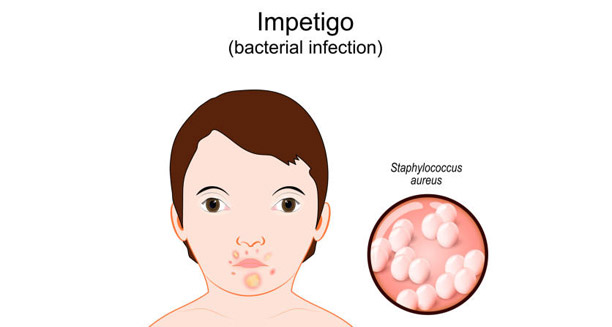
Illustration of impetigo bacterial infection on a child's face

Overview of Impetigo

Overview of Impetigo Impetigo is a highly contagious bacterial skin infection that primarily affects infants and young children, though it can occur at any age. The infection shows up as red sores, blisters, or golden-yellow crusts. These often appear around the nose, mouth, and hands—areas most often touched or exposed. Two types of bacteria cause impetigo: Staphylococcus aureus and Streptococcus pyogenes. They enter through tiny breaks in the skin, such as cuts, bug bites, or scrapes. Although this condition is rarely dangerous, it spreads fast. That’s why spotting it early and treating it quickly is so important, especially in group settings like schools or daycare centres. Early care improves the outlook for impetigo and limits its spread. Types and Symptoms of Impetigo There are two main types of impetigo: non-bullous and bullous. Non-bullous impetigo is more common. It starts as small red spots that turn into pus-filled bumps. These burst and leave a crust. Bullous impetigo causes larger blisters filled with clear fluid. When they break, they leave behind a yellow crust. The sores may itch or sting slightly. However, fever and serious symptoms usually do not happen—unless the case is severe or left untreated. Children are more likely to get this condition. Their skin gets injured more often, and their immune systems are still learning how to fight off bacteria. How Impetigo Spreads and Can Be Prevented Impetigo spreads easily from person to person. It passes through direct contact with sores or items like towels, toys, or clothes. Scratching the sores and then touching other body parts also spreads it. Simple hygiene habits can stop this. Regular handwashing, not sharing personal items, and covering wounds all reduce the risk of spreading the bacteria. Once diagnosed, treatment is usually simple. Doctors often start with antibiotic cream for small areas. If the infection spreads or doesn’t go away, oral antibiotics may be needed. Treating early improves skin healing and the overall outlook for impetigo. Broader Impact and Risk of Complications Though impetigo affects only the outer skin, it can still cause problems. This is more likely in places with poor hygiene or among people with weaker immune systems. Without treatment, this condition may lead to deeper skin infections like cellulitis or other issues like swollen lymph vessels or kidney problems. Sometimes, impetigo keeps coming back. This could mean another problem is at play, such as eczema, scabies, or bug bites. These conditions damage the skin and let bacteria in more easily. Treating the root cause helps stop repeat infections and improve the outlook for impetigo. In many parts of the world, impetigo remains one of the most common skin infections in children. Because it’s so visible, it can also cause emotional stress. Kids may feel embarrassed, and parents may worry about the infection coming back or others reacting badly. That’s why fast treatment and proper support matter. They help heal both the skin and the child’s confidence. The Road Ahead In the next sections, we’ll look closely at what causes impetigo, what symptoms to look for, how doctors diagnose it, and the best ways to treat and prevent it. We’ll also discuss potential complications and the overall outlook for impetigo. Understanding the condition is the first step in keeping it under control. With awareness and the right care, impetigo is easy to manage—and even easier to prevent. [Next: Causes of Impetigo →]

Overview of Impetigo Read More »

3D illustration of Staphylococcus aureus and Streptococcus pyogenes bacteria in blood

Causes of Impetigo

Causes of impetigo are rooted in bacterial infection of the skin, typically involving two types of bacteria: Staphylococcus aureus and Streptococcus pyogenes. These bacteria normally live harmlessly on our skin and in the nose. But when the skin gets damaged—by cuts, insect bites, eczema, or scrapes—the bacteria can enter and trigger an infection. Once inside, the bacteria multiply quickly. They spread across the skin, creating the red sores and yellow crusts that are common signs of impetigo. Good hygiene and prompt wound care reduce this risk, especially in children. Early treatment improves the outlook for impetigo, especially when the infection is caught before it spreads. Why Children Get Impetigo More Often Impetigo often affects young children. Kids are more likely to get scrapes while playing and often touch their faces or other people. They also spend time in close contact with others in schools or daycare. Since their immune systems are still developing, they’re more vulnerable to infections. These daily habits and developing immunity help explain why impetigo outbreaks happen so often in group settings. In fact, quick treatment and good hygiene are the best tools to improve the outlook for impetigo in these environments. Types of Bacteria and Skin Reactions There are two types of impetigo: non-bullous and bullous. Non-bullous impetigo is more common and is usually caused by Streptococcus pyogenes or a mix of Strep and Staph bacteria. It causes red sores that burst and form the classic golden crust. Bullous impetigo is less common. It is caused by a strain of Staphylococcus aureus that releases a toxin. This toxin breaks down skin structure, causing fluid-filled blisters. These blisters can spread quickly and are more common in infants or toddlers. Knowing which type of bacteria is involved helps guide treatment and improves the outlook for impetigo in both mild and serious cases. Environmental and Lifestyle Factors The causes of impetigo often tie back to climate and living conditions. Warm, humid weather helps bacteria grow, so impetigo appears more often in tropical areas. Poor hygiene, crowded homes, and limited access to clean water can all raise the risk of infection. People with skin conditions like eczema, scabies, or psoriasis are more likely to get impetigo. Their skin is already damaged, so bacteria can get in more easily. Managing these underlying issues can help stop impetigo from taking hold. Direct skin contact plays a big role, too. Sharing towels, clothes, toys, or bedding can spread the bacteria. Even healthy people can catch impetigo if they come into contact with fluids from an infected sore. Nasal Carriage and Repeated Infections Another cause of impetigo is the presence of Staphylococcus aureus in the nose. Some people carry the bacteria in their nostrils without any signs of infection. They can spread it to their skin just by touching their face or blowing their nose. This nasal colonisation often leads to repeat infections, especially in children. In stubborn cases, doctors may prescribe a special antibiotic ointment for the nose to prevent the bacteria from returning. Treating nasal carriers is one way to improve the outlook for impetigo, especially in households where it keeps coming back. Weakened Immunity and Malnutrition People with weak immune systems are at higher risk. This includes people on certain medications, those with chronic illnesses like diabetes, or individuals undergoing chemotherapy. Their bodies can’t fight bacteria as well, so small skin injuries can turn into larger infections. Malnutrition and vitamin shortages also weaken the skin and immune system. For example, low levels of vitamins A, C, or zinc can slow healing and increase infection risk. Supporting the immune system through good nutrition helps the body resist bacterial invasion. Secondary Impetigo and Skin Damage Impetigo can appear on healthy skin, but it also shows up as a secondary infection. This happens when bacteria infect areas already irritated by other skin conditions like eczema or dermatitis. In these cases, impetigo tends to spread more widely and take longer to heal. Treating the original skin condition along with the infection gives the best results and improves the outlook for impetigo over time. Final Thoughts on What Causes Impetigo In summary, impetigo starts when Staphylococcus aureus or Streptococcus pyogenes enter broken skin. Factors like young age, humid climates, poor hygiene, and weakened immunity all raise the risk of infection. Some people carry the bacteria in their nose and pass it to their skin, leading to repeat episodes. Understanding what causes impetigo is key to breaking the cycle of reinfection. Simple actions—like cleaning wounds, avoiding shared items, and treating nasal carriers—go a long way in preventing new outbreaks and protecting others. With early care and good prevention, the outlook for impetigo remains positive in most cases. [Next: Symptoms of Impetigo →]

Causes of Impetigo Read More »

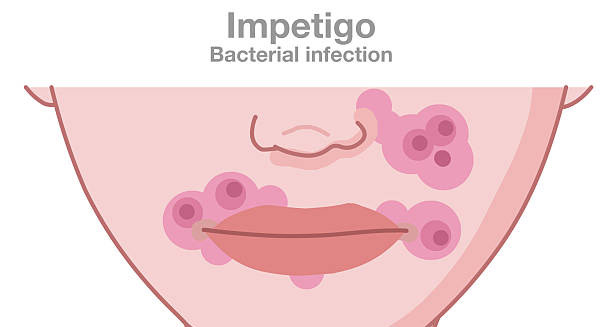
Illustrated face with impetigo showing red sores and blisters around the mouth

Symptoms of Impetigo

Symptoms of impetigo can vary in severity depending on the type of infection and the individual affected, but the condition typically begins with red, itchy sores or blisters that appear on exposed areas of the body, especially the face, arms, and legs. These sores often show up around the nose and mouth in children. However, they can also affect the scalp, body, or even the diaper area. Since impetigo spreads easily, the sores can multiply fast—especially in places like schools or sports teams where people share space or items. Signs of Non-Bullous Impetigo Non-bullous impetigo is the most common type. It starts as tiny red spots that grow into small blisters or pimples. These then burst and leave a sticky, yellow crust. The crust may be dry or slightly wet and often sticks firmly to the skin. Itching is common, and scratching can spread the infection to other parts of the body. In some cases, several sores grow together into large, crusted patches. Without treatment, these spots can last longer and become harder to manage. Early treatment improves the outlook for impetigo by stopping the infection from spreading and helping the skin heal faster. Signs of Bullous Impetigo Bullous impetigo looks different. It mostly affects babies and toddlers. In this type, the skin forms clear or yellowish blisters filled with fluid. These blisters often appear on the chest, back, or bottom. The blisters are fragile and can break open easily, leaving red, sore skin behind. This area may later crust over as it heals. While the blisters are not usually painful, they can cause a lot of irritation and may make young children cranky or uncomfortable. The outlook for impetigo in infants depends on quick diagnosis and gentle treatment to avoid skin damage or scarring. Other Possible Symptoms Impetigo usually stays on the surface of the skin, but in some people, the infection can cause mild flu-like symptoms. These may include low fever, swollen glands, or tiredness. Luckily, these symptoms go away quickly once treatment begins. Sores can also feel sore or tender, especially if touched or cleaned. Scratching can cause more sores to appear and may even lead to deeper infections. That’s why it’s important to treat the itch and keep hands clean. How Impetigo Spreads Impetigo spreads fast—both on the body and between people. New sores can pop up while old ones are still healing. If not treated, the infection may stick around for weeks. Touching the sores, or using shared towels, bedding, or clothes, can easily pass the bacteria to others. In warm climates or crowded living spaces, impetigo can return often. People living in such places may face more frequent breakouts, which makes prevention and early care even more important. Special Cases and Harder Diagnoses Some people have other skin problems, like eczema or scabies, that make it harder to spot impetigo. The sores may look different or be hidden under the original skin issue. In these cases, doctors may need to take a closer look or run tests to confirm the diagnosis. Also, when the skin is already damaged or broken, impetigo spreads more easily. The sores may feel worse or take longer to heal, especially without fast care. The outlook for impetigo gets worse if it infects already sore or cracked skin. Skin Tone and Symptom Awareness On darker skin tones, redness may be harder to notice. But other signs—like yellow crusts, fluid-filled blisters, or open raw patches—are still visible. Parents and caregivers should keep an eye out for any new skin changes, especially in kids who scratch a lot or seem uncomfortable. When Impetigo Gets Worse In rare cases, impetigo can lead to a deeper skin infection called ecthyma. This happens when bacteria enter deeper layers of the skin, creating painful open sores with thick crusts. Ecthyma can leave scars and is more common in people with weak immune systems or in long-untreated cases. These situations are rare, but they show why quick treatment matters. The longer the infection goes untreated, the more chance there is of it getting worse. Recognising the Outlook for Impetigo In summary, impetigo causes red, itchy sores that may blister or form crusts. The infection spreads easily and can keep coming back if not treated. While most cases are mild, early care makes a big difference in stopping the spread and avoiding complications. Knowing how to spot both common and rare signs improves the outlook for impetigo. Acting early means faster healing, fewer problems, and better protection for everyone nearby. [Next: Diagnosis of Impetigo →]

Symptoms of Impetigo Read More »

Paediatric doctor examining young girl's mouth and skin for impetigo symptoms

Diagnosis of Impetigo

Diagnosis of impetigo is primarily clinical, meaning that healthcare professionals usually identify the condition based on its appearance and typical presentation without the need for extensive laboratory testing. Doctors often spot impetigo by looking at the skin. The red sores, yellow crusts, or blisters make the condition easy to recognise—especially in children or people in places where impetigo spreads easily. The fast-moving nature of the infection also helps tell it apart from other skin conditions. What Doctors Look For In most cases, a simple physical exam is enough. Doctors check for common signs like crusted sores on the face, arms, or legs. Non-bullous impetigo usually forms golden-yellow scabs, while bullous impetigo shows fragile blisters that burst and leave red skin behind. Doctors may also ask about any recent cuts, insect bites, or contact with someone else who has similar symptoms. These questions help confirm the source and spread. The outlook for impetigo improves with fast and accurate diagnosis, especially before the infection spreads. When Lab Tests Are Needed Sometimes, doctors need more than just a look. If the infection is severe, doesn’t clear up, or keeps coming back, they may take a skin swab. This sample goes to a lab to check which bacteria are causing the problem. Most often, the culprits are Staphylococcus aureus, Streptococcus pyogenes, or both. The test can also show which antibiotics will work best. Doctors also test for MRSA (methicillin-resistant Staph) if they suspect the usual antibiotics won’t help. MRSA doesn’t respond to common drugs like penicillin. People who have had MRSA before, or who live in areas where it’s common, might need this test early on. Spotting MRSA quickly helps doctors choose stronger treatments and prevent bigger problems. Ruling Out Similar Conditions Impetigo isn’t the only skin problem with blisters or sores. Other conditions, like herpes simplex, tinea (ringworm), scabies, or allergic rashes, can look similar. Doctors use patient history, symptoms, and how fast the sores appeared to tell the difference. Sometimes, what seems like impetigo might actually be another illness that needs different care. In people with eczema or psoriasis, the signs of impetigo can blend in or look different. In those cases, doctors rely more on lab tests and careful tracking. If the sores are deep or not healing, they may do a small biopsy to rule out other causes or confirm a deeper skin infection. Special Focus: Children and Group Settings In children, the diagnosis of impetigo is usually quick and easy. Doctors often confirm it during a routine visit. Parents should look out for red, itchy patches or yellow crusts—often the first signs. Acting early helps stop it from spreading and makes treatment more effective. The outlook for impetigo in children improves a lot when schools and parents respond quickly. Early care shortens the illness and prevents larger outbreaks. What Happens After Diagnosis Once doctors confirm impetigo, they usually start treatment right away—without waiting for lab results unless the case is complicated. They choose a treatment based on the usual bacteria and their experience. Most mild cases get creams like mupirocin or fusidic acid. For larger or more serious infections, patients take oral antibiotics like flucloxacillin or cephalexin. Even though impetigo doesn’t have to be reported in most countries, outbreaks in places like schools or care homes may require public health notification. Quick action, isolation of infected people, and good hygiene stop the spread fast. Improving the Outlook for Impetigo In summary, doctors mainly rely on clinical signs to diagnose impetigo. Lab tests are only used when needed. Quick and accurate diagnosis leads to faster treatment, fewer problems, and better results. Thanks to its clear symptoms, impetigo is one of the easier skin infections to spot. Still, doctors must stay alert—especially in tough or unusual cases. With fast care and proper management, the outlook for impetigo stays excellent for most people. Early steps make a big difference, especially in stopping outbreaks and helping people heal quickly. [Next: Treatment of Impetigo →]

Diagnosis of Impetigo Read More »

Oral antibiotics in blister pack used for treating impetigo

Treatment of Impetigo

Treatment of impetigo focuses on eradicating the bacterial infection, relieving symptoms, and preventing the spread of the condition to others. Since impetigo spreads easily—especially among children—quick and effective care is key. This helps reduce discomfort and stops the infection from spreading. The best treatment depends on the type (non-bullous or bullous), how severe it is, and the person’s overall health. Fortunately, the outlook for impetigo remains excellent in most cases, especially when treated early. Treating Mild Cases For small, mild areas—mostly non-bullous impetigo—doctors often start with a cream antibiotic. These include mupirocin or fusidic acid. Patients apply them directly to the skin two to three times a day for up to 7 days. Before applying the cream, gently soak the crusts with warm water and a clean cloth. This helps the medicine reach the infection better. Most people see improvements within just a few days, as the cream stops the bacteria from spreading and starts clearing the skin. When Oral Antibiotics Are Needed If the infection covers a larger area, keeps coming back, or doesn’t get better with cream, oral antibiotics are usually needed. Bullous impetigo, which causes more widespread sores, often requires this stronger approach. Doctors may prescribe flucloxacillin, cephalexin, or erythromycin for 7 to 10 days. People who can’t take penicillin may get clarithromycin or clindamycin instead. These medicines treat the infection from the inside and help avoid problems—especially for people with weaker immune systems. When doctors suspect MRSA (a resistant type of bacteria), they may send a sample for testing. If MRSA is found, treatment changes. Stronger antibiotics like doxycycline or trimethoprim-sulfamethoxazole may be needed. Catching MRSA early is important, as it can be harder to treat and may lead to deeper infections. Supporting Treatment With Hygiene Besides medicine, good hygiene plays a big role in the treatment of impetigo. People with the infection should avoid close contact with others until they’ve taken antibiotics for at least 24 hours, or until the sores dry up. Regular handwashing, keeping nails short, and avoiding scratching are simple but important habits. Don’t share towels, razors, clothes, or bedding. Wash these items in hot water to kill any bacteria. In schools or day-care settings, infected children should stay home for at least 24 hours after starting antibiotics. Let teachers and caregivers know, so they can remind children to follow hygiene rules. During outbreaks, it’s important to clean surfaces like toys, desks, and doorknobs often. In areas where impetigo happens often, public health awareness can help reduce spread and improve the outlook for impetigo. Preventing Repeat Infections When impetigo keeps coming back, doctors often look for causes like eczema, insect bites, or scabies. These can weaken the skin and make infection more likely. In such cases, long-term prevention may include antiseptic washes like chlorhexidine. Doctors might also recommend nasal decolonisation with mupirocin ointment to remove bacteria hiding in the nostrils. If the infection spreads through the household again and again, everyone may need testing and treatment—especially for MRSA. Home Care and What to Avoid Home care can offer support, but it should never replace medical treatment. For example, warm compresses help soften crusts and ease mild discomfort. Over-the-counter antiseptics might help a little but are usually weaker than prescribed medicines. Be careful with unapproved creams or natural remedies. These can irritate the skin or slow healing. It’s important to finish the full course of antibiotics—even if the skin looks better before the medicine runs out. Stopping early can lead to the infection coming back or getting stronger. Most people don’t need follow-up appointments. But if the skin doesn’t improve in a few days, gets worse, or if fever or swollen glands appear, they should go back to the doctor right away. Outlook for Impetigo With Proper Treatment In short, the treatment of impetigo combines the right antibiotics with good hygiene and prevention. Acting early shortens the illness, lowers the chance of problems, and stops it from spreading to others. Even though it’s often seen as a minor skin issue, proper care and public knowledge are essential—especially in places like schools or homes with young children. With the right steps, the outlook for impetigo remains excellent. Most people recover fully and quickly. But staying alert and following the treatment plan helps keep everyone safe and healthy. [Next: Complications of Impetigo →]

Treatment of Impetigo Read More »

Child with facial skin irritation due to complications of impetigo

Complications of Impetigo

Although impetigo is typically a mild and superficial skin infection that responds well to treatment, it can lead to complications if left untreated, mismanaged, or if it occurs in individuals with weakened immune systems or underlying skin conditions. Most cases heal without problems. However, knowing the possible risks helps everyone involved—doctors, parents, and patients. This knowledge leads to quicker action, prevents the condition from getting worse, and stops it from spreading. When Skin Infections Go Deeper One of the most common problems after impetigo is cellulitis. This happens when the bacteria move from the surface to the deeper parts of the skin. The area becomes red, warm, swollen, and sore. Fever and tiredness can also appear. If not treated right away, the infection may spread into the blood. This can lead to a serious illness. Cellulitis always needs oral or IV antibiotics and careful monitoring. In severe cases, a hospital stay may be required. Another possible issue is ecthyma, a deeper and more painful version of impetigo. Unlike surface sores, ecthyma makes thick, crusty ulcers that heal slowly and often leave scars. People with poor hygiene, poor nutrition, or health conditions like diabetes are more at risk. Treatment takes longer and usually involves oral antibiotics and careful wound care. Kidney Problems After Infection In rare cases, impetigo can lead to post-streptococcal glomerulonephritis, a kidney condition. This happens when the body’s response to the bacteria harms the kidneys by mistake. Children are more likely to be affected. Symptoms include dark or bloody urine, swelling in the face or legs, less urination, and high blood pressure. Most cases get better on their own, but this condition needs medical attention right away to check for kidney damage. The outlook for impetigo usually stays good, but these more serious issues show why early treatment matters. Scars, Stains, and Spread Some people may get scars or dark spots after healing. This is more common when someone scratches or picks at the sores. In darker skin tones, the area may stay darker for several weeks or even months. Scarring is rare but more likely with deeper ulcers or second infections. Impetigo spreads easily to other parts of the body or other people. It often spreads through direct contact or shared items like towels, clothes, or bed sheets. In group settings like schools or sports teams, infections can spread quickly if people don’t follow good hygiene steps. Children often scratch and spread the bacteria from one area to another, making things worse. Recurrence and Emotional Impact Impetigo may come back, especially in people with skin conditions like eczema or psoriasis. These issues weaken the skin barrier, allowing bacteria to enter more easily. Having impetigo over and over can become frustrating and stressful. It may also cause children to miss school or adults to miss work. If this keeps happening, doctors may suggest using antiseptic washes or a treatment plan to kill the bacteria in the nose or on the skin. Though very rare, sepsis can occur if the bacteria enter the blood. This is a life-threatening condition. It usually affects people with poor health or ignored infections. Signs include very high fever, fast breathing or heart rate, confusion, and low blood pressure. Anyone with these symptoms needs emergency care right away. The outlook for impetigo is still strong in most people. But when infections return often or spread fast, it adds stress and interrupts daily life. Emotional Struggles and Infection Control Skin problems can also affect how people feel. Sores on the face or hands may cause shame, sadness, or bullying—especially in children and teens. These emotional effects can lower self-esteem. Parents may also feel worried about spreading the infection or tired from dealing with repeat outbreaks. Talking openly and explaining that impetigo is common and treatable can help ease these feelings. To stop complications, hygiene is key. Clean sores gently and cover them with a bandage. Try not to scratch. Wash hands often. Also, wash clothes, sheets, and towels in hot water. If several family members keep getting sick, doctors may test everyone and treat all at once. Outlook for Impetigo and Prevention of Complications To sum up, impetigo is usually easy to treat. But when not managed properly, it can lead to bigger problems. These include deeper skin infections, kidney issues, emotional struggles, and in rare cases, serious illness. Still, the outlook for impetigo stays very good with fast treatment and good care. By staying alert, using the right treatment, and following hygiene steps, most people recover quickly. These efforts also stop the infection from coming back or spreading to others. With the right support and action, impetigo remains a small and manageable health concern. [Next: Outlook for Impetigo →]

Complications of Impetigo Read More »

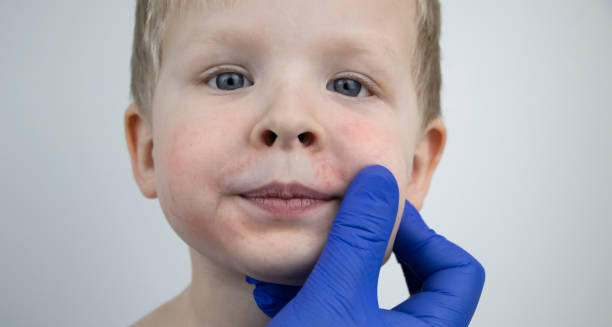
Close-up of a child’s mouth showing healing skin from impetigo infection

Outlook for Impetigo

The outlook for impetigo is generally very positive, especially when diagnosed early and treated appropriately. Most people get better quickly with either a cream or oral antibiotic. The infection often clears in one to two weeks. Although impetigo looks unpleasant and can feel itchy, it usually doesn’t cause serious harm in healthy people. Still, a few things—like age, general health, personal hygiene, and whether it comes back—can affect how quickly someone gets better. In many mild or moderate cases, especially non-bullous impetigo, the infection goes away fast once treatment begins. Doctors often prescribe creams like mupirocin or fusidic acid. These reduce bacteria within just a few days. People usually start feeling better in 48 to 72 hours. Sores begin to fade, new ones stop forming, and symptoms like itching improve. Full healing may take about a week, depending on how many sores are present. If someone has a more serious type—like bullous impetigo—or lots of spots, they might get oral antibiotics instead. Even then, the outlook for impetigo stays good if the treatment is completed as instructed. Children and Hygiene Aftercare Children are the group most often affected. Luckily, they also tend to heal fast. Their skin renews quickly, and with good hygiene, they rarely have lasting marks. Still, parents and caregivers should stay alert. It’s easy for the infection to spread to siblings or classmates. To stop this, children with impetigo should stay home for at least 24 hours after starting antibiotics. This helps prevent outbreaks, especially in schools or day-care centres. The outlook for impetigo can be more complicated for people with weaker immune systems or certain health conditions. For example, those with diabetes, eczema, or psoriasis may heal slower. They also face a higher risk of other infections like cellulitis or ecthyma. These patients need regular check-ups, and they might benefit from long-term steps like antiseptic washes or daily skincare routines to lower the chance of repeat infections. Dealing With Repeat Infections Some people keep getting impetigo over and over. This often happens if the source of the bacteria—such as Staphylococcus aureus in the nose—isn’t treated. In these cases, the outlook for impetigo is still good, but it needs a fuller plan. Doctors may suggest using a cream inside the nose, treating other people in the home, and improving everyday hygiene. Scratches, insect bites, or other skin issues can let germs in, so treating those helps lower the chance of another outbreak. When impetigo isn’t treated right away, the results can be worse. In some places—especially rural or crowded areas—people may not see a doctor quickly. This delay can lead to the infection spreading. In rare cases, untreated impetigo can cause serious problems like cellulitis or kidney issues. To prevent this, public health education and easy access to care are key, especially in low-income areas. Cosmetic and Emotional Impact Many people worry about how their skin will look afterward. The good news is most people heal without any lasting marks. If someone scratches or picks at the sores, it can cause dark spots that fade over time. Permanent scars are rare, but they may happen in cases of ecthyma. Gentle care and avoiding scratching helps the skin heal smoothly and look better. Emotional health also matters when thinking about the outlook for impetigo. This is especially true for children and teens. If the rash is on the face, they might feel shy or embarrassed. Support from parents, teachers, and healthcare providers helps a lot. Teaching them that impetigo is a common and treatable condition can ease stress and improve confidence. Outlook for Impetigo in Public Settings Although impetigo is mild for most people, it can still cause trouble in places like schools, crèches, or clinics. It spreads easily, so even a small outbreak can affect many people. This adds pressure on local healthcare providers and may lead to missed school days. Thankfully, doctors know how to treat impetigo well, and most communities are ready to handle these small outbreaks. In short, the outlook for impetigo is excellent in most situations. People usually recover fully with the right care and hygiene. However, recovery can take longer for those with health problems or repeated infections. Helping people learn about the infection, get timely care, and follow treatment plans can reduce the spread and make recovery smoother. With ongoing care and smart prevention, impetigo stays a minor and easy-to-manage skin problem. [Next: Back to Overview →]

Outlook for Impetigo Read More »

Scroll to Top