Mental Matters

Inflammatory Bowel Disease

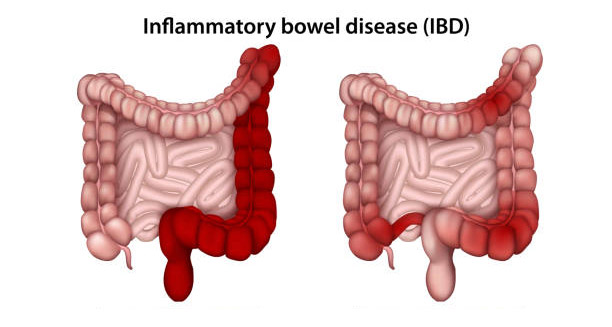
Diagram comparing two intestines affected by inflammatory bowel disease (IBD)

Causes of Inflammatory Bowel Disease

Causes of inflammatory bowel disease are complex and multifactorial, involving a combination of genetic, environmental, microbial, and immunological factors. Researchers believe these factors work together to trigger the immune system incorrectly. This leads to ongoing gut inflammation. Understanding the causes of inflammatory bowel disease helps guide diagnosis, treatment, and future prevention strategies. Genetic and Family Factors in Causes of Inflammatory Bowel Disease Genes play a major role in causing this disease. Scientists have found over 200 gene areas linked to inflammatory bowel disease. Many of these genes control how the body handles bacteria, protects the gut wall, and manages immune responses. One well-known gene, NOD2, often appears in people with Crohn’s disease. Problems in this gene make it harder for the body to deal with bacteria in the gut. This can cause the immune system to overreact. Still, not everyone with this gene develops the disease. That shows other factors must also play a role. Having a close family member with the condition raises the chance of getting it. This risk is especially high in identical twins, mainly with Crohn’s disease. Yet, most people with IBD do not have a known family history, which means other causes are at work too. Environmental and Lifestyle Triggers The causes of inflammatory bowel disease also include things around us. These include where people live, what they eat, and how clean their environments are. People living in cities or industrialised countries have higher rates of IBD. This could be because of less contact with helpful germs or eating too many processed foods. Experts call this the “hygiene hypothesis.” Diet affects gut health too. High-fat, low-fibre diets can upset the gut’s natural balance. Foods with emulsifiers or additives may also harm the gut wall and cause inflammation. On the other hand, eating fruits, vegetables, and whole grains might help protect against IBD. While diet alone may not cause the disease, it works together with other risks. Microbes and the Immune System Gut bacteria play a big role in how the immune system works. People with IBD often have fewer helpful bacteria and more harmful ones. This imbalance, known as dysbiosis, may trigger immune attacks in the gut. It’s still unclear if dysbiosis causes inflammation or happens because of it, but the two are closely linked. The immune system itself is a key player in the causes of inflammatory bowel disease. In healthy people, the immune system knows how to respond to threats and ignore harmless things like food or friendly bacteria. But in IBD, this balance breaks down. The immune system treats normal things as enemies and keeps attacking, which causes ongoing damage and symptoms. Other Risk Factors to Consider Smoking affects the disease in different ways. It makes Crohn’s disease worse and raises the chance of flare-ups and surgery. Oddly, smoking seems to protect against ulcerative colitis, although no one knows why. Still, doctors advise all patients to quit smoking because of its many health risks. Taking antibiotics often—especially in childhood—may also raise the risk. These drugs can change the gut microbiome and may disturb the immune system. Other early life events, like being born by C-section or not being breastfed, could also affect gut health later on. Stress doesn’t directly cause IBD, but it can make it worse. Ongoing stress weakens the immune system and affects how the gut works. People with IBD often report flare-ups during stressful times. So, managing stress is an important part of treatment, though it cannot replace medical care. Geographic Trends and Infection Links Where a person lives can offer more clues. IBD cases are rising in places like Asia and the Middle East, where they used to be rare. These changes often come with shifts toward Western habits, such as fast food diets and cleaner living spaces. That supports the idea that lifestyle and environment help trigger the disease. Some infections may also play a role in the causes of inflammatory bowel disease. In people who carry the genes, certain germs might trigger the disease. For example, some strains of E. coli and other gut bugs seem to activate the immune system in harmful ways. But so far, no one germ has been proven to cause it. Summary of Causes of Inflammatory Bowel Disease The causes of inflammatory bowel disease come from many areas—genes, germs, diet, and lifestyle. There is no single cause, and each person’s case may be different. Most likely, a mix of these things works together to trigger the disease. Scientists continue to study these links to find better ways to prevent and treat the condition in the future. [Next: Symptoms of Inflammatory Bowel Disease →]

Causes of Inflammatory Bowel Disease Read More »

Woman lying in bed holding her stomach in pain due to inflammatory bowel disease

Symptoms of Inflammatory Bowel Disease

Symptoms of inflammatory bowel disease can vary significantly depending on the type of IBD—Crohn’s disease or ulcerative colitis—the severity of the condition, and which parts of the gastrointestinal tract are affected. Understanding the symptoms of inflammatory bowel disease is key for early action. Although signs differ from person to person, many are shared. These symptoms often get confused with other gut problems, which can delay treatment. One of the main symptoms of inflammatory bowel disease is long-lasting diarrhoea. Unlike irritable bowel syndrome (IBS), which may cause mild and on-and-off diarrhoea, IBD-related diarrhoea is often severe. It may be frequent, urgent, and even wake people at night. In ulcerative colitis, this diarrhoea often comes with blood or mucus. In Crohn’s disease, the stool may be watery and less bloody, depending on where the gut is inflamed. Abdominal pain is also common. People with Crohn’s disease tend to feel this pain more, especially if the small bowel is involved. The pain feels like cramps and often gets better after using the toilet. In ulcerative colitis, the pain is usually in the lower belly or near the rectum. While both conditions cause pain, the type and place of the pain can help doctors figure out which type of IBD is present. Fatigue and Weight Loss in Inflammatory Bowel Disease Fatigue is another key sign. It may come from many causes, such as poor sleep, low iron, or the strain of ongoing inflammation. This tiredness can deeply affect how someone feels and functions each day. Weight loss and lack of hunger often go together with inflammatory bowel disease. This is more common in Crohn’s disease. The gut struggles to absorb nutrients, and eating can cause pain or nausea. This leads to a drop in food intake and poor nutrition. In children, this may slow down growth and delay puberty. Bleeding from the rectum is often seen in ulcerative colitis. It can show as bright red blood in the toilet bowl or on toilet paper. Crohn’s disease can also cause rectal bleeding, but it’s less common unless the colon is affected. Any bleeding like this should lead to quick medical attention. Some people feel the need to rush to the toilet often, even when their bowel is empty. This is called urgency and tenesmus. These signs usually point to inflammation in the rectum or lower colon. While more common in ulcerative colitis, Crohn’s disease may also cause them. These symptoms can lead to stress and social avoidance, especially if there’s fear of losing control. Extra Symptoms of Inflammatory Bowel Disease Fever and feeling unwell can happen during flare-ups. A mild fever often shows that inflammation is active. A high or lasting fever might mean a more serious problem like an abscess. Children may get fevers more often than adults during flare-ups, which should not be ignored. Inflammatory bowel disease can also affect areas outside the gut. These include joints (causing pain or swelling), skin (with rashes like erythema nodosum), eyes (with redness or vision changes), and the liver. These extra symptoms may appear before or after bowel problems start, and they show how the immune system affects the whole body. Nausea and vomiting can happen when the small bowel is inflamed, more so in Crohn’s disease. These signs are worrying if they hint at a blockage. If vomiting is ongoing, a doctor should check for serious issues quickly. Some people with Crohn’s disease also get mouth sores. These ulcers can make eating or talking hard and usually go away once the gut inflammation is treated. Inflammatory bowel disease can even affect hormones. Women may notice changes in their periods or find it harder to get pregnant during flare-ups. Poor nutrition, stress, and some medicines all play a part. But with the right treatment, most people can still plan for a safe pregnancy. Recognising Flare-Ups of Inflammatory Bowel Disease The symptoms of inflammatory bowel disease do not always stay the same. People often go through calm periods with no symptoms, followed by sudden flare-ups. Some may have mild symptoms for years, while others face serious issues early on. How often symptoms occur depends on many things, including stress, diet, medication use, and other health conditions. Sadly, many people delay getting help. They may feel embarrassed or blame their symptoms on food or stress. This delay can cause harm. Quick diagnosis and treatment of inflammatory bowel disease improve outcomes and lower the risk of serious problems. Public awareness is crucial. Health campaigns and informed healthcare providers can help people recognise the signs of inflammatory bowel disease early. This way, more people can get the help they need without delay. [Next: Diagnosis of Inflammatory Bowel Disease →]
Symptoms of Inflammatory Bowel Disease Read More »

Doctors analysing IBD diagnosis data with digestive system illustrations

Diagnosis of Inflammatory Bowel Disease

Diagnosis of inflammatory bowel disease is a complex process. It combines clinical assessment, lab tests, imaging, and endoscopy to confirm the presence and type of IBD. Because its symptoms often mimic other gastrointestinal issues—like irritable bowel syndrome, coeliac disease, or infections—an accurate diagnosis of inflammatory bowel disease is essential for proper treatment and long-term results. The process usually begins with a detailed medical history and physical exam. Doctors ask about symptoms such as diarrhoea, abdominal pain, fatigue, weight loss, rectal bleeding, and urgency. They also review family history since IBD has a genetic link. Having a close relative with Crohn’s disease or ulcerative colitis increases one’s risk. A history of autoimmune diseases, medications, diet, and travel are also important clues. Laboratory tests are an early step in diagnosing inflammatory bowel disease. Blood work can show signs of inflammation, infection, anaemia, and nutrient deficiencies. Raised C-reactive protein (CRP) or erythrocyte sedimentation rate (ESR) levels suggest inflammation. A full blood count may show anaemia due to chronic bleeding or poor absorption. Tests for vitamin B12, folate, and iron levels are also common. Liver function tests may reveal complications like primary sclerosing cholangitis. Stool testing helps rule out infections that mimic IBD. A stool culture can detect bacteria such as Salmonella or Clostridium difficile. Another helpful test is faecal calprotectin. High levels of this protein indicate gut inflammation, helping doctors distinguish IBD from irritable bowel syndrome. Endoscopy is the gold standard for diagnosing inflammatory bowel disease. It allows direct viewing of the gastrointestinal tract and collection of tissue samples. Colonoscopy is commonly used to examine the colon and terminal ileum. Ulcerative colitis usually starts at the rectum and spreads in a continuous pattern. Crohn’s disease often affects any part of the digestive tract in a patchy way. During the procedure, doctors look for ulcers, redness, polyps, narrowing, or a cobblestone-like appearance. Multiple biopsies confirm the diagnosis and check for cancer or infection. When Crohn’s disease affects parts of the small intestine not reached by colonoscopy, imaging becomes essential. Magnetic resonance enterography (MRE) or CT enterography shows detailed views of the bowel. These scans can detect inflammation, fistulas, abscesses, or narrowing. Capsule endoscopy may also help. Patients swallow a camera pill that captures images as it moves through the digestive tract. This test is useful for spotting issues in the small bowel, especially the jejunum or ileum. However, doctors avoid it if they suspect narrowing, as the capsule could get stuck. Ultrasound is another helpful tool. It’s often used in children or to monitor Crohn’s disease activity. It’s safe, affordable, and free from radiation. It can reveal bowel wall thickening and increased blood flow. Sigmoidoscopy may be done in some cases. This short procedure looks only at the rectum and sigmoid colon. It’s useful during flare-ups or when full colonoscopy prep isn’t possible. It still allows for sample collection. Pathology plays a key role in confirming the diagnosis of inflammatory bowel disease. Tissue samples are checked under a microscope. In Crohn’s disease, doctors may see granulomas—clusters of immune cells—but these are not always present. In ulcerative colitis, typical signs include continuous inflammation and distorted glands. Classifying the disease type is also important. Knowing whether it is Crohn’s disease, ulcerative colitis, or unclassified IBD guides treatment. Sometimes, especially early on, doctors can’t tell which type it is. In these cases, they may label it “IBD unclassified” and monitor over time. Assessing how severe and where the disease is located helps shape treatment plans. Tools like the Mayo score for ulcerative colitis or the Crohn’s Disease Activity Index (CDAI) standardise these assessments and track progress. Timely diagnosis of inflammatory bowel disease is key. It prevents complications, speeds up treatment, and improves quality of life. Delays can lead to lasting damage, more surgeries, and worse outcomes. That’s why collaboration among doctors, radiologists, pathologists, and general practitioners is so important. Finally, public awareness of IBD symptoms is crucial. When people recognise the signs early, they can seek help sooner. Education and better access to care can reduce delays and improve outcomes, especially in under-resourced areas. [Next: Treatment of Inflammatory Bowel Disease →]

Diagnosis of Inflammatory Bowel Disease Read More »

Woman taking medication for inflammatory bowel disease with hand on stomach

Treatment of Inflammatory Bowel Disease

Treatment of inflammatory bowel disease is multifaceted and aims to reduce inflammation, manage symptoms, induce and maintain remission, and improve the patient’s overall quality of life. Since IBD includes both Crohn’s disease and ulcerative colitis, treatment plans vary. Doctors adjust treatment based on the type of IBD, severity, location, and how each person responds to therapy. The treatment of inflammatory bowel disease usually requires lifelong care. This care often includes medication, lifestyle changes, nutrition support, and sometimes surgery. Medications form the foundation of treatment. These drugs work to calm the immune system and reduce inflammation. The first group of drugs often includes aminosalicylates (5-ASA), such as mesalazine or sulfasalazine. These help mild to moderate ulcerative colitis by soothing inflammation in the colon. Doctors usually prescribe them as tablets or enemas, depending on where the disease is located. However, these drugs are less effective for Crohn’s disease. If symptoms are worse, corticosteroids like prednisone or budesonide may be used. These drugs act quickly to control inflammation. However, due to side effects such as weight gain, weak bones, mood changes, and infection risk, doctors limit their long-term use. Corticosteroids help start remission but are not safe for long-term maintenance. To stay in remission, patients may need immunomodulators. Common ones include azathioprine, mercaptopurine, and methotrexate. These drugs adjust immune function over time. They take a few weeks to become effective and need regular blood checks to avoid serious side effects like liver damage and low blood cell counts. In recent years, biologic drugs have transformed the treatment of inflammatory bowel disease. These are lab-made antibodies that target specific parts of the immune system. For example, anti-TNF agents like infliximab and adalimumab block a key inflammation trigger. Others like vedolizumab stop immune cells from entering the gut, while ustekinumab blocks inflammatory signals called interleukins. Not everyone responds to biologics. Over time, they may stop working. In such cases, doctors may prescribe small molecule drugs like tofacitinib. These are taken as tablets and offer an alternative to injections or infusions. Nutrition plays a key role in the treatment of inflammatory bowel disease. Malnutrition is common because of poor intake, nutrient loss, and absorption issues. Treatment may involve changing one’s diet, using tube feeding, or in serious cases, IV nutrition. For children with Crohn’s disease, special diets alone can trigger remission and support healthy growth. Dietitians help patients plan meals, avoid problem foods, and meet nutritional needs. Sometimes, surgery is needed. In ulcerative colitis, if medications fail or if complications like severe bleeding occur, doctors may remove the colon and rectum. This surgery can cure ulcerative colitis. Surgeons often create a pouch inside the body to collect waste, helping patients avoid a permanent external bag. In Crohn’s disease, surgery cannot cure the condition. However, it can relieve symptoms caused by strictures, abscesses, or blockages. Doctors remove damaged parts of the bowel while trying to save as much as possible. Still, disease often returns near the surgery site, so surgery is a last resort. Other treatments help manage symptoms. These include antidiarrhoeal drugs like loperamide, cramp relievers, and pain relief. Some people also need iron, vitamin B12, or vitamin D supplements. Doctors must use drugs that slow the bowels carefully, especially during flares, to avoid dangerous complications like toxic megacolon. Mental health support is vital in the treatment of inflammatory bowel disease. The condition is lifelong and unpredictable. It can lead to anxiety, depression, and loneliness. Therapy, support groups, and patient education all help improve emotional health and build coping skills. Preventative care is another key part of treatment. Patients on immune-suppressing drugs need regular vaccines, including for flu, pneumonia, hepatitis B, and HPV. They also need cancer checks for the skin and cervix. People with long-standing IBD affecting the colon need colonoscopies every few years starting 8–10 years after diagnosis. Today, doctors use a personalised approach for the treatment of inflammatory bowel disease. They look at disease activity, location, lifestyle, and patient preferences when creating a care plan. Regular checks using blood tests, stool markers, scans, and scopes help keep the disease under control. New treatments are under development. These include therapies that change gut bacteria, tailor treatments to genetic profiles, or block different immune signals. Mobile apps and telehealth also make it easier for patients to stay involved in their care. In summary, the treatment of inflammatory bowel disease requires a personalised, team-based approach. Medication, diet, lifestyle changes, and sometimes surgery all play a role. With the right care, many people with IBD can reach long-term remission and lead active, fulfilling lives. [Next: Complications of Inflammatory Bowel Disease →]

Treatment of Inflammatory Bowel Disease Read More »

Person sitting on toilet indicating gastrointestinal complications of IBD

Complications of Inflammatory Bowel Disease

Complications of inflammatory bowel disease can significantly affect a person’s health and quality of life, both in the short term and over many years. While treatment mainly aims to control symptoms and reduce inflammation, it’s also important to know the possible risks. Complications of inflammatory bowel disease can impact both the gut and other body organs. This makes managing the disease more complex. How the Gut Can Be Affected One of the most serious gut-related complications is a bowel blockage, especially in Crohn’s disease. Ongoing inflammation can scar and narrow the intestines. These narrow areas, called strictures, can stop food from moving through. This causes cramping, bloating, nausea, and vomiting. In bad cases, the bowel may completely block and require emergency surgery. Strictures often come back and may need more surgeries over time. A bowel tear, known as perforation, is another major risk. Deep ulcers can eat through the full wall of the intestine. When this happens, bowel contents leak into the belly, causing a dangerous infection called peritonitis. This is rare but can happen during bad flare-ups or after long-term damage. It needs quick medical and surgical care. In ulcerative colitis, toxic megacolon is a specific and life-threatening issue. This happens when the colon swells up and becomes inflamed very quickly. It often starts due to infection or poor disease control. Symptoms include extreme belly pain, swelling, fever, and shock. If not treated fast, the colon can burst. Treatment usually starts with strong medicine, but surgery is sometimes needed. Fistulas and abscesses are more common in Crohn’s disease. A fistula is a tunnel that forms between two parts of the gut or between the gut and other areas like the bladder, skin, or vagina. These tunnels can get infected and form abscesses. Abscesses are painful, swollen areas full of pus. Doctors treat them using biologic medicine, and sometimes surgery is needed too. Bleeding in the gut is another complication. Long-term inflammation leads to sores, which can cause bleeding. While small amounts of blood in the stool are common, heavy bleeding can cause anaemia. It may also, though rarely, lead to a dangerous loss of blood. Many people with IBD develop anaemia. This happens because of bleeding, poor iron absorption, or inflammation. Anaemia makes people tired and weak. Long-Term Complications of Inflammatory Bowel Disease Over time, the risk of colon cancer rises in people with IBD. This mostly affects people with widespread ulcerative colitis or Crohn’s disease in the colon. The risk gets higher the longer someone has the disease. Long-term inflammation can change the lining of the colon. This condition is called dysplasia and can lead to cancer. Regular colon checks and biopsies help find early signs. If the risk is very high, doctors may suggest surgery to remove the colon. Complications of inflammatory bowel disease often go beyond the gut. Many people—up to 40%—develop extra problems. These include joint pain, skin rashes, eye problems, and liver disease. One serious liver problem is primary sclerosing cholangitis, which can lead to liver failure and even cancer. These issues may happen even when gut symptoms are under control. So, teamwork between doctors and other specialists is key. Bone thinning, called osteoporosis, is also a big concern. Inflammation, steroid use, and poor nutrient absorption all weaken bones. This makes breaks more likely. Regular bone checks, calcium and vitamin D supplements, and exercise help protect bones. Avoiding long-term steroid use is important too. Nutrition, Medication, and Mental Health Lack of nutrients is common, especially in Crohn’s disease. The small intestine, which absorbs most nutrients, often gets damaged. As a result, people may lack iron, folate, B12, zinc, and vitamins A, D, E, and K. These shortages can cause tiredness, slow healing, nerve pain, and weak immunity. Doctors usually order blood tests to catch these problems early. A dietitian can guide proper food choices and supplements. Mental health struggles are another major part of IBD. The stress of a long-term, unpredictable illness can cause anxiety, depression, and isolation. These feelings often get worse during flare-ups or hospital stays. Mental health care should be a normal part of IBD treatment. Support from psychologists, patient groups, and education programs can help people cope better. Children and teens with IBD face extra challenges. Crohn’s disease can slow growth, delay puberty, and weaken bones. Getting diagnosed and treated early helps prevent these issues. Ongoing care from a children’s specialist is essential for their health and development. IBD medicines also bring risks. Steroids, though helpful short term, can cause weight gain, diabetes, weak bones, infections, and mood swings. Other drugs, like immunosuppressants and biologics, may affect the liver, lower immunity, or raise the risk of rare cancers. However, the risk of not treating inflammation is often greater. Careful monitoring helps catch side effects early. Staying Ahead of Complications of Inflammatory Bowel Disease Preventing complications of inflammatory bowel disease requires regular check-ups and a solid care plan. Blood tests, stool samples, scans, and colonoscopies all help track disease and spot problems early. A strong care team—including gut doctors, surgeons, dietitians, mental health workers, and general doctors—gives patients the best chance at staying healthy. In the end, even though the complications of inflammatory bowel disease can be serious, most can be avoided or managed. Knowing the warning signs, staying on treatment, and working closely with a healthcare team all make a big difference. Educating patients, using tools to track symptoms, and knowing when to ask for help can reduce risks and improve quality of life. [Next: Outlook for Inflammatory Bowel Disease →]

Complications of Inflammatory Bowel Disease Read More »

Illustration of a doctor with digestive tract diagram representing IBD care

Outlook for Inflammatory Bowel Disease

Outlook for inflammatory bowel disease has improved significantly in recent years, thanks to advances in medical therapies, better diagnostic tools, and a deeper understanding of how the condition behaves over time. While IBD is a lifelong condition with no known cure, many individuals go on to lead full and active lives through appropriate management and timely intervention. The outlook for inflammatory bowel disease varies from person to person, depending on factors such as the type of IBD, severity at diagnosis, response to treatment, and the presence of complications. For many people, especially those diagnosed early and treated quickly, IBD can be controlled. This is done through a mix of medicine, diet, and simple lifestyle changes. With regular check-ups, the disease can go into remission and stay that way for long stretches. Remission means fewer or no symptoms, and less swelling in the bowel. Today’s treatment aims not just to ease symptoms but also to heal the bowel lining. This deeper healing often leads to better results over time. Treatments That Improve the Outlook for Inflammatory Bowel Disease Biologic drugs have changed the way doctors treat IBD. These new treatments target the cause of inflammation more directly. As a result, more patients now reach deep remission without needing steroids or surgery. Some people who didn’t improve on older medicines now respond well to biologics or newer drugs called small molecules. These modern therapies are making care more tailored to each person’s needs. Even with these changes, IBD still comes and goes. Most people will face flare-ups at some point, with periods of relief in between. Some flare-ups may be mild, but others can be severe. They may lead to hospital visits or surgeries. That’s why it’s so important to check in with doctors often and adjust treatment when needed. Sometimes, surgery becomes necessary. In ulcerative colitis, removing the colon can stop the disease. But this kind of surgery brings big changes, especially if a person needs a stoma or pouch. In Crohn’s disease, surgery helps with problems like narrow areas or abnormal connections in the bowel. Even though the disease may return after surgery, the operation can greatly improve quality of life when medicine doesn’t work. Managing Complications and Long-Term Care Complications outside the gut can also affect the outlook for inflammatory bowel disease. These include joint pain, skin rashes, eye problems, liver disease, and weak bones. But when doctors spot these early and treat them together with the bowel symptoms, the impact can be reduced. Regular check-ups and screenings, including cancer tests and vaccines, help protect long-term health. Children and teens with IBD face extra challenges. The disease can slow their growth or affect school and friendships. But when doctors find IBD early and treat it aggressively, children can stay on track. As they grow, they must move from child care to adult care. This step needs careful planning so they don’t lose support or fall behind on treatment. Mental health also matters. Dealing with a chronic illness can cause stress, worry, and feeling alone. These feelings can make it harder to stick with treatment. That’s why support from therapists, patient groups, and education programs is so helpful. When people understand their disease and feel supported, they cope better and feel more in control. Technology and Research in the Outlook for Inflammatory Bowel Disease New technology is also helping. Apps and smart devices let people track their symptoms and get reminders to take medicine. Doctors can use telehealth to check in with patients, even if they live far away. These tools help catch flares early and adjust treatment quickly, which keeps people healthier. Research is pushing forward too. Scientists are learning more about gut bacteria, genes, and things in the environment that may trigger IBD. Clinical trials are testing new drugs, special diets, and combinations of treatments. These studies aim to make care even more effective in the future. In summary, the outlook for inflammatory bowel disease is getting better. With the right care, many people can enjoy good health, meet their goals, and live happy lives. Early diagnosis, the latest treatments, mental health care, and staying informed all play a big part. With ongoing support and new discoveries, people living with IBD can look forward to a brighter future. [Next: Back to Overview →]

Outlook for Inflammatory Bowel Disease Read More »

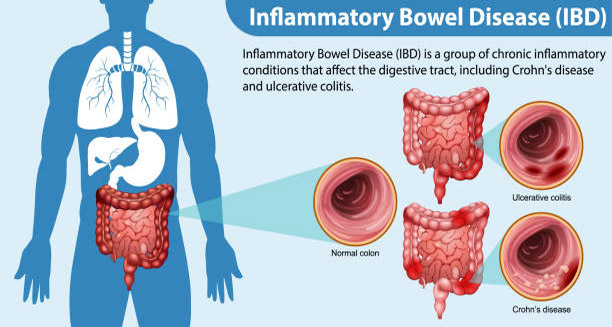
Diagram illustrating the digestive tract and types of inflammatory bowel disease, including Crohn’s disease and ulcerative colitis.

Overview of Inflammatory Bowel Disease

Overview of Inflammatory Bowel Disease Inflammatory bowel disease (IBD) is a long-term condition marked by inflammation in the digestive tract. This ongoing inflammation affects how the gut works. It causes symptoms like belly pain, diarrhoea, tiredness, and weight loss. The two main types of IBD are Crohn’s disease and ulcerative colitis. Both involve an overactive immune system, but they affect the gut differently. Crohn’s disease can strike any part of the digestive tract, from mouth to anus. It also goes deep into the bowel wall. In contrast, ulcerative colitis only affects the inner lining of the colon and rectum. What Causes Inflammatory Bowel Disease? The exact cause of IBD remains unknown. However, experts believe that a mix of genes, environmental triggers, and immune system problems leads to it. In people with IBD, the immune system mistakenly attacks the gut. It treats harmless things like food and friendly bacteria as threats. This results in inflammation that comes and goes without warning. Because of this, people often cycle between feeling well and facing flare-ups. Who Gets IBD? IBD can appear at any age, but it usually starts between ages 15 and 35. It affects men and women equally. More people are getting diagnosed in developed countries. This may relate to diet, cleaner environments, or other lifestyle changes. Family history also plays a role. If a close relative has IBD, your risk goes up. Ethnic background matters too. People of European descent are more likely to develop the disease. Common Symptoms Symptoms vary depending on which type of IBD a person has and how severe it is. Frequent signs include: In severe cases, the gut cannot absorb nutrients well. This can cause weight loss, anaemia, and stunted growth in children. IBD can also affect areas outside the gut. Some people develop joint pain, skin problems, or inflamed eyes. These extra signs show that IBD is not just a gut problem—it can affect the whole body. How Doctors Diagnose It Doctors use several tools to diagnose IBD. They start with medical history and a physical check-up. Then they may order tests, such as: Colonoscopy with biopsy is often the key test. It helps confirm the diagnosis and shows how much of the bowel is inflamed. Treatment Options Managing IBD requires a mix of treatments. These aim to reduce inflammation, ease symptoms, and avoid future problems. Medicines are the first step. They include: If drugs don’t work or cause side effects, surgery might be needed. Surgery removes damaged sections of the bowel and can bring long-term relief. Living with the Disease Daily life with IBD goes beyond medicine. Diet, stress, and emotional health all matter. People with IBD should eat foods that are gentle on the gut. A dietitian can help create a meal plan that maintains good nutrition. Mental health is just as important. The stress and unpredictability of the disease can lead to anxiety or depression. Support groups, therapy, and working closely with a care team can make a big difference. Progress in Research Research into IBD is moving fast. Scientists are studying gut bacteria, the immune system, and genes to better understand the disease. These efforts may lead to more tailored and effective treatments in the future. Awareness is also growing. More people now get diagnosed earlier and receive better care. Summary of the Overview of Inflammatory Bowel Disease This overview of inflammatory bowel disease highlights how it affects many parts of life. Understanding its symptoms, causes, and treatments helps patients and families take control of the condition. In the next sections, we will explore each of these topics in more detail. [Next: Causes of Inflammatory Bowel Disease →]

Overview of Inflammatory Bowel Disease Read More »

Scroll to Top