Mental Matters

Ingrown Toenail

Overview of Ingrown Toenail

Overview of Ingrown Toenail

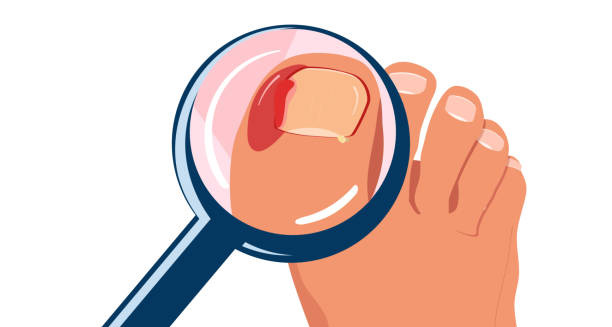
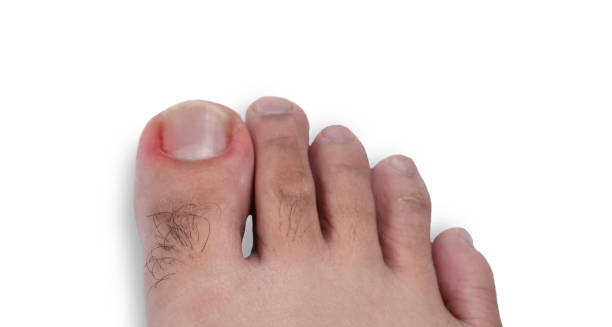
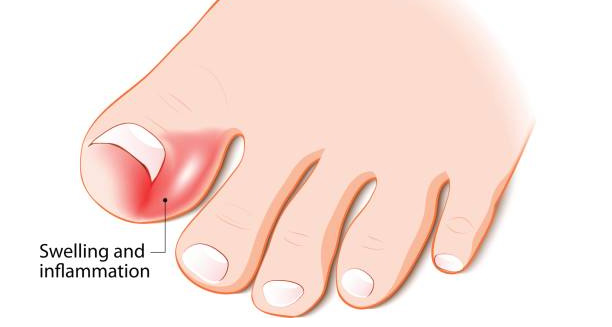
Overview of Ingrown Toenail An ingrown toenail is a widespread and frequently painful condition that occurs when the edge or corner of a toenail grows into the adjacent skin, rather than straight over the top of the nail bed. Most often, the big toe suffers the most. The skin around the nail becomes swollen, red, and painful. The pain may be sharp or throbbing. At first, this might seem minor, but without care, it can get worse. You could develop an infection, pus buildup, or even long-term damage to the nail and surrounding skin. Ingrown Toenail Affects All Ages Ingrown toenail affects people of all ages. However, it is especially common in teens, athletes, and people who wear tight shoes often. The big toe faces the most risk because of how much pressure and rubbing it endures from shoes and movement. Still, the problem can happen in other toes too. The impact on your life can be serious. Walking becomes painful. Jobs that require standing or walking feel harder. Shoes that squeeze your toes only make the issue worse. At first, you might feel only a little soreness on one side of the nail. But as the nail keeps pushing into the skin, the pain grows. The toe turns red and swells. When the nail breaks the skin, bacteria enter easily. That’s when you start seeing pus, bleeding, or heat in the toe. Pain increases when you put weight on your foot. Wearing shoes becomes a challenge. Infections make the skin swell more. Everyday tasks like walking or putting on socks feel much harder. Over time, the skin might grow over the nail. This is called granulation tissue. It looks red, bleeds easily, and adds to the discomfort. Causes That Worsen an Ingrown Toenail If left alone, the toenail might become misshapen. It can get infected again and again. In rare cases, the infection may reach the bone, causing a serious problem called osteomyelitis. Many people ignore the early signs. They try to treat it at home. But using sharp tools or digging into the nail bed often causes more harm. This leads to new wounds and a higher chance of infection. Dirty tools or bandages only make it worse. Several habits can cause this condition. The most common one is cutting toenails incorrectly. Cutting them too short or rounding the corners encourages the nail to dig into the skin. Wearing tight shoes pushes the nails into the skin even more. Injuries, such as stubbing your toe or dropping something on it, also change how the nail grows. Some people naturally have curved or thick nails, which puts them at higher risk. Keeping your feet clean and dry helps prevent ingrown toenail. Dirty or damp feet create the perfect place for germs to grow. People with diabetes or poor blood flow face a bigger risk because they heal more slowly and can’t fight infection as well. Recognising the Early Signs of Ingrown Toenail Athletes often face this problem due to the stress their toes go through. Runners, dancers, and footballers get small injuries to the nail often. These injuries lead to changes in nail growth. Their toenails thicken and curve more, making ingrown toenail more likely. Wearing the right shoes and trimming toenails correctly can help prevent this. Early treatment makes a big difference. Some mild cases get better by soaking the foot, applying a germ-killing cream, and wearing soft shoes. But many cases need a doctor’s help. A podiatrist can safely cut away the part of the nail that is causing the problem. If an infection is present, they will prescribe antibiotics. Some cases may require surgery. In that case, the doctor removes part or all of the nail. This stops the nail from growing the wrong way again. Sometimes, ingrown toenail comes from other foot issues. For example, people with bunions or crooked toes may get this problem more often. Treating these conditions helps prevent future nail problems. Special shoes, foot inserts, and in rare cases, surgery, can offer long-term relief. Taking Ingrown Toenail Seriously In the bigger picture, people often overlook ingrown toenail. Yet, it leads to many clinic visits, minor surgeries, and lost workdays. It also affects athletes and anyone who depends on foot movement. Older adults and people with diabetes suffer more when this condition is not treated quickly. That’s why doctors often check their feet regularly. Simple changes in nail trimming and foot care can prevent serious problems. Wearing shoes that fit well and trimming nails straight across helps a lot. Knowing what to look for and getting help early protects long-term foot health. In summary, ingrown toenail is a common but often ignored issue. It may start small but can lead to major problems like infection, skin overgrowth, constant pain, and even permanent nail damage. You can prevent it by taking care of your feet. When it happens, act early. Get medical help when needed. With the right care and habits, you can keep your feet healthy and free from ingrown toenail. [Next: Causes of Ingrown Toenail →]
Overview of Ingrown Toenail Read More »

Causes of Ingrown Toenail

Causes of Ingrown Toenail

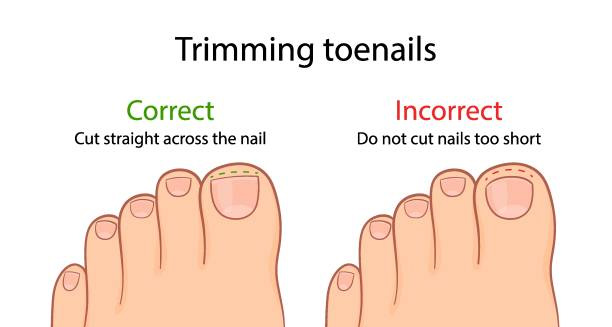
Ingrown toenail is a painful and often recurring condition that arises when the corner or edge of a toenail grows sideways or downward into the skin surrounding the nail. This process causes irritation, swelling, and often infection. It leads to serious discomfort and makes walking difficult. Learning the causes of ingrown toenail helps treat current cases and stop them from coming back. Many things can cause it, including how people cut their nails, the shape of their feet, their shoes, and even their family history. The most common of the causes of ingrown toenail is cutting nails the wrong way. When nails are trimmed too short or with rounded corners instead of straight across, they tend to grow into the skin. A rounded cut encourages the nail to follow its curve and dig into the skin instead of growing outward. Many people, especially teens and children, do not know the correct way to cut toenails. Wearing tight or badly fitted shoes is another major cause. Shoes that pinch the toes—like pointed shoes, high heels, or stiff shoes—press the nail into the skin. Sports shoes that are too tight can also cause this by rubbing or squeezing the toe during movement. Over time, this pressure makes it more likely for the nail to grow the wrong way. Injury to the toe is another common cause. Stubbing a toe, dropping something heavy on it, or constant small injuries from sports or dancing can change how the nail grows. The nail might become thick, curved, or broken. As it grows back, it may press into the skin. Genetic Traits and Nail Shape as Causes of Ingrown Toenail Some people inherit nail shapes that make them more likely to get ingrown toenails. Nails that are curved, fan-shaped, wide, or thick can press into the skin more easily. While you can’t change your genes, knowing you have this risk lets you take early steps, like wearing better shoes or seeing a foot doctor regularly. Another overlooked cause is poor foot hygiene. Not cleaning or drying your feet properly softens the skin. Wet skin swells and may fold over the nail, letting it grow inward. This is common in people who sweat a lot or wear damp socks for long periods. Skipping regular foot care makes small problems grow into serious ones. Foot shape and the way you walk can also affect nail growth. Flat feet, bunions, and other structural issues change how pressure spreads across your toes. This uneven pressure may force the nail into the skin. In such cases, wearing special insoles can help fix how the foot moves and stop the problem from coming back. Toenail fungus (onychomycosis) can also lead to ingrown nails. Fungus makes nails thick, brittle, and oddly shaped. As the nail grows in this damaged state, it may push into the skin. Treating the fungus is necessary to help the nail grow in the right direction again. Bad pedicures are another risk. People who cut nails too much or push back the cuticle too hard—especially in unclean salons—can damage the nail and skin. This damage can lead to infection and cause the nail to grow incorrectly. In teens and young adults, quick body growth during puberty can also affect nail growth. Hormonal changes and fast-growing nails may cause a mismatch between nail and skin, leading the nail to dig into the toe. Though usually temporary, it shows how important proper nail care is during growth periods. Lifestyle and Medical Factors Among the Causes of Ingrown Toenail People with long-term health problems like diabetes, poor blood flow, or nerve damage must take special care. Even light pressure or minor injury can cause an ingrown toenail. Poor circulation slows healing, and weak immune systems raise the risk of infection. In serious cases, an untreated ingrown nail can lead to foot ulcers or, in extreme situations, amputation. Jobs and daily habits can also raise your risk. Workers who stand all day or wear heavy boots—like construction or factory workers—often put more pressure on their toes. Dancers, runners, and martial artists also put constant strain on their feet. These habits can cause small injuries that lead to ingrown nails. Being overweight also adds pressure to the toes. This pressure can change the way the nail grows and push it into the skin. Over time, the extra weight increases the chances of getting an ingrown toenail, especially when combined with tight shoes or flat feet. To sum up, the causes of ingrown toenail include bad nail trimming, tight shoes, toe injuries, family traits, fungal infections, poor hygiene, and medical or lifestyle factors. Knowing what leads to this problem makes it easier to treat and avoid in the future. By paying attention to these causes, people can lower the chances of painful repeat cases and stay on track with good foot care. [Next: Symptoms of Ingrown Toenail →]

Causes of Ingrown Toenail Read More »

Symptoms of Ingrown Toenail

Symptoms of Ingrown Toenail

Ingrown toenail is a condition that evolves progressively, with symptoms that range from mild discomfort to severe pain and infection. In the beginning, the symptoms of ingrown toenail show up subtly. The affected toe, usually the big one, may feel sore or tender on one side of the nail. This soreness is often right where the nail starts pressing into the skin. Many people only notice this when they walk, wear tight shoes, or press on the toe. At this early stage, the toe might look a bit red or puffy, but there may not be any clear sign that the nail has pierced the skin. As time goes on, the growing nail irritates the skin even more. The toe gets redder, warmer, and more swollen. The pain grows stronger, especially during movement or while wearing shoes. Even soft touches, like a bedsheet brushing against the toe, can feel painful. The skin around the nail becomes firm and very sensitive. Eventually, if the nail cuts through the skin, the body fights back. It sends white blood cells to the spot, which makes the swelling worse. This often causes an infection. One of the key symptoms of ingrown toenail at this point is pus or fluid leaking out from the side of the nail. This fluid may be yellow, white, or clear and often has a bad smell. The area may dry and crust over or form a small open wound. Infection and Tissue Changes in Symptoms of Ingrown Toenail As things get worse, another symptom may appear: granulation tissue. This is a soft, red patch of skin that grows near the area where the nail digs in. It bleeds easily and can cover the nail edge, making the problem worse. The body tries to heal itself, but this tissue can trap the nail under the skin and add more pain. The type of pain can also change. At first, it might just be a dull ache. Later, it can feel sharp, stabbing, or even throb. Many people start limping or avoiding putting any weight on that foot. The pain becomes harder to ignore when standing for long hours, climbing stairs, or doing sports. A sign that things are serious is pain that won’t stop, even when resting or lying down. This often means the nail has deeply embedded itself. The toe swells more and feels hot. In some rare cases, people may develop a fever, which shows that the infection has spread further. Some people may not notice early symptoms of ingrown toenail at all. This is especially true for people with diabetes, nerve damage, or weak immune systems. They may not feel pain even if the toe is already damaged or infected. These people need to check their feet often, as the problem can get worse quickly. In serious cases, it can lead to deep infections, cellulitis, or even spread through the body. If the condition keeps coming back, it points to a long-term problem. Repeated swelling, pus, and pain usually mean the nail grows the wrong way. Over time, this can change the nail’s shape and make future problems more likely. Sometimes, even when the toe looks better, it stays sore or puffy for a long time. Secondary and Psychological Symptoms of Ingrown Toenail Long-term foot pain can also affect how people feel mentally. Some may fear walking or skip activities they enjoy. Others may avoid wearing shoes that hide the toe, or they may stay away from social events. For people with jobs that involve long hours on their feet or work boots, this condition can get in the way of daily life. Over time, people often adjust how they walk to avoid hurting the toe. This can lead to new problems in the foot, knee, or hip. The body shifts weight without thinking, but this creates strain and poor posture. These side effects add to the discomfort and are often overlooked. It’s important to remember that symptoms of ingrown toenail can look like other problems. For example, a soft tissue infection around the nail or blood under the nail can seem similar. Fungal infections also cause nail thickening and pain. That’s why a clear diagnosis from a healthcare provider is key. The right diagnosis helps avoid wrong treatments and delays. To sum up, the symptoms of ingrown toenail appear in stages. At first, there is slight pain and swelling. Later, it may become infected and much more painful. In some cases, other parts of the body are affected too. Spotting the symptoms early helps avoid bigger problems. Acting quickly makes a big difference, especially for people with medical conditions that slow healing. [Next: Diagnosis of Ingrown Toenail →]

Symptoms of Ingrown Toenail Read More »

Diagnosis of Ingrown Toenail

Diagnosis of Ingrown Toenail

The diagnosis of ingrown toenail is primarily a clinical one, made through physical examination and patient history rather than complex laboratory tests or imaging. While the condition may seem simple, early and accurate diagnosis is essential. It helps determine the severity, spot complications, and choose the best treatment. Quick action can stop the problem from getting worse, especially in people with diabetes or circulation problems. Diagnosis usually starts with a conversation about the patient’s symptoms and medical background. Most people report pain, tenderness, redness, or swelling on one side of the toenail—usually on the big toe. The discomfort may begin mildly and grow worse over time. Activities like walking, standing, or wearing shoes often make the pain sharper. One common sign is pain that increases when applying pressure, like when putting on socks or shoes. Next, a healthcare provider—often a general practitioner or podiatrist—will examine the toe. Early signs include mild redness or swelling where the nail presses into the skin. In more severe cases, the nail edge breaks through the skin. There may be pus, drainage, or red, swollen tissue. The skin might look shiny or feel warm. If the ingrown toenail is infected, symptoms will go beyond pain and redness. You may see yellow or green discharge, a bad smell, or extreme tenderness. The area may feel hot to the touch. At this stage, the diagnosis of ingrown toenail must also check if the infection has spread. Infections that move beyond the nail fold can cause serious issues like cellulitis or abscesses. Doctors also look for granulation tissue—red, soft skin that grows as the body tries to heal. This tissue can bleed easily and may cover part of the nail. While it signals healing, it can also trap the nail further and make things worse. Sometimes, other conditions can mimic the symptoms. Doctors use a differential diagnosis to rule out problems like fungal infections, paronychia, subungual haematomas, or nail tumours. These conditions can also cause pain or nail changes but follow different patterns. If the diagnosis isn’t clear, doctors may take a tissue sample or do a culture—especially if infection or cancer is suspected. The diagnosis of ingrown toenail requires extra care in patients with diabetes, poor circulation, or nerve damage. These people may not feel typical warning signs like pain. What looks like a minor issue could already be a serious infection. During the exam, doctors may check nerve response with a monofilament and look at skin health. They may also test blood sugar and circulation if needed. In rare cases, X-rays may be helpful. For example, if swelling makes it hard to see the nail or if the doctor suspects infection in the bone. These images can show whether the infection has spread or if something else, like a foreign object, is causing the problem. For people who keep getting ingrown toenails, diagnosis includes checking for foot shape problems like flat feet, bunions, or unusual walking patterns. These issues can increase pressure on the toes. Doctors will also review shoe choices and grooming habits. Identifying the root cause is key to stopping future flare-ups. Nail care habits matter too. Trimming nails too short or rounding the corners often leads to trouble. During the diagnosis of ingrown toenail, doctors ask about nail cutting methods, footwear, hygiene, and past injuries. This is also a chance to teach patients better habits to avoid future issues. Documenting the findings is an important part of diagnosis. It helps track the stage of the problem—mild, moderate, or severe. This guides treatment. Mild cases might just need foot soaking and better shoes. Moderate ones may need partial nail removal and antibiotics. Severe or frequent cases often call for nail surgery, possibly with a chemical to stop regrowth. In summary, the diagnosis of ingrown toenail is a clear but vital step. A detailed exam and patient history reveal the problem and its cause. Early and accurate diagnosis helps avoid infection, pain, and repeat problems. Doctors must be especially careful with people who have other health issues. With prompt diagnosis, patients can get relief, heal properly, and protect their feet long-term. [Next: Treatment of Ingrown Toenail →]

Diagnosis of Ingrown Toenail Read More »

Treatment of Ingrown Toenail

Treatment of Ingrown Toenail

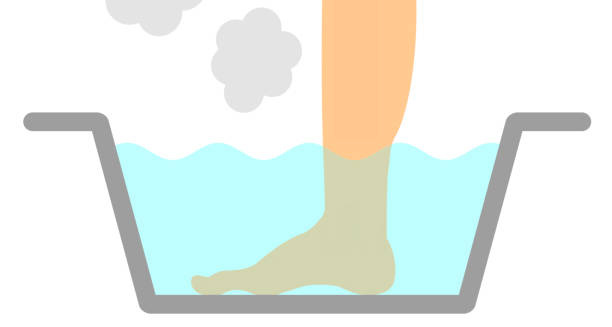
The treatment of ingrown toenail depends largely on the severity of the condition, the presence or absence of infection, and whether it is a first occurrence or a recurrent issue. Many mild cases improve with simple home care. More serious or recurring cases often need medical help. Acting quickly not only stops the pain but also avoids problems. This is especially important for people with diabetes or poor blood flow. Early Home Remedies In the beginning, home treatments often work well. Soaking the foot in warm water for 15 to 20 minutes, three to four times a day, softens the skin and calms swelling. Adding Epsom salts or a mild antiseptic helps clean the area and ease pain. After soaking, drying the foot and using an over-the-counter antibiotic cream can stop small infections from getting worse. Also, raising the foot and avoiding tight shoes or socks lowers pressure and speeds up healing. Some people gently place sterile cotton or dental floss under the nail corner. This lifts the nail and helps it grow out instead of into the skin. But this method needs care. Placing it incorrectly or not keeping things clean can make the toe worse or cause infection. If pain increases or you see pus, redness, or a fever, it’s time to see a doctor. When Infections Occur Doctors may give antibiotic pills or creams if an infection sets in. These drugs kill bacteria and bring down swelling. Still, they don’t fix the real cause. That’s why doctors often use them along with other treatments for the best results. If home care doesn’t help or the problem keeps coming back, a doctor may suggest partial nail removal. During this quick and simple procedure, the doctor numbs the toe and cuts away the piece of nail growing into the skin. This brings fast pain relief. Afterward, they clean and bandage the area and give instructions to help healing and stop infection. Surgical Treatment of Ingrown Toenail In some cases, doctors perform a chemical matrixectomy after removing the nail edge. They apply a chemical like phenol or sodium hydroxide to the nail root. This stops that part of the nail from growing back. It lowers the chance of having the same issue again. After the procedure, the doctor wraps the toe, and patients usually rest for a day or two. Full healing takes two to four weeks. For serious or stubborn cases, a full nail removal might be the best choice. Doctors remove the entire nail when infections keep coming back or the nail is oddly shaped. Though it may sound extreme, this option often solves the problem for good. Sometimes, the nail grows back. Other times, it doesn’t. Some patients choose to stop regrowth entirely with a chemical treatment during the same procedure. Bracing and Non-Surgical Options Some podiatrists use nail braces, a method called orthonyxia. Like braces on teeth, these tools slowly straighten the nail over time. This works well for people with slightly curved nails. It relieves pressure and pain without surgery. While not common everywhere, this method is growing in popularity in parts of Europe and Asia. Besides fixing the toenail, doctors also address what caused the issue. They may suggest wearing roomier shoes with wide toe boxes. They also teach proper nail-cutting methods. It’s important to cut nails straight across and not too short. People with flat feet or bunions might benefit from shoe inserts that help balance the foot and reduce toe pressure. Special Care for At-Risk Patients People with diabetes need extra care during the treatment of ingrown toenail. These patients often don’t feel pain early on due to nerve damage. Once infection starts, healing becomes slow because of poor blood flow and weak immune response. Even small procedures need a careful plan. Doctors may bring in a team of specialists to ensure proper healing and avoid major problems. Managing Pain and Recovery Pain relief plays a big part in treatment. Over-the-counter painkillers like paracetamol or ibuprofen often work well. If the pain is worse, doctors may give stronger medicine for a short time. Cold packs and keeping the foot raised can also bring relief in the days after a procedure. Caring for the toe after treatment is key. Patients should keep the area clean and dry, change bandages often, and avoid putting weight on the toe for a few days. Doctors may schedule follow-ups to check healing and answer questions. Teaching patients how to care for their feet helps stop future problems. Long-Term Outlook To sum up, the treatment of ingrown toenail includes many options—from simple home steps to surgery. The choice depends on how bad the case is, if infection is present, and the patient’s overall health. Fixing the root causes, keeping feet clean, and wearing good shoes help prevent more trouble. With quick and proper care, most people heal well. They can walk comfortably again and feel confident about their feet. [Next: Complications of Ingrown Toenail →]

Treatment of Ingrown Toenail Read More »

Complications of Ingrown Toenail

Complications of Ingrown Toenail

The complications of ingrown toenail can vary in severity, ranging from localised infections to long-term disability in extreme cases. Many people feel only mild discomfort at first, and that usually gets better with care. However, some face ongoing problems, deeper infections, or changes to the shape of the toe. These complications are even more serious for those with conditions like diabetes or poor blood flow. In those cases, even a small foot issue can turn serious very quickly. One of the most common complications of ingrown toenail is infection. When the nail edge cuts into the skin, bacteria can enter. The most common types are Staphylococcus aureus and Pseudomonas aeruginosa. The area often turns red, swells up, feels warm, and becomes painful. Sometimes pus oozes out, and the spot may smell bad. If you leave it untreated, the infection can spread. At that stage, you may need antibiotics or even a small surgery. When Infections Go Deeper In some cases, untreated infections turn into cellulitis. This happens when the bacteria reach deeper layers of skin and soft tissue. The area swells fast, turns very red, and may feel tight. Fever, chills, and tiredness often follow. Without quick treatment, cellulitis can spread further. It may even require hospital care, especially for people with weak immune systems. A rare but serious problem is a bone infection, known as osteomyelitis. This happens when a bad infection reaches the bone. To treat it, doctors usually need strong antibiotics and sometimes surgery to remove the infected part. In extreme cases, they may have to remove the toe or a piece of the foot to stop the spread. People with diabetes or poor blood flow face a much higher risk of this. Another frequent outcome is the growth of granulation tissue. This soft, red skin forms during healing, but sometimes it grows too much. It may bleed easily, get infected, and cover the nail edge, making treatment harder. If it doesn’t go away, your doctor might need to remove it using surgery or a chemical method. Structural and Long-Term Complications of Ingrown Toenail Repeated ingrown toenails can cause long-lasting pain and discomfort. Even after trimming the nail, the toe might stay sore and swollen. These cases often lead to changes in the nail shape. It may grow thicker, curve more, or even split. These changes make it more likely for the nail to grow the wrong way again. Over time, the skin around the toe may become hard or calloused due to constant rubbing and pressure. There’s also the matter of appearance. Some treatments, like removing part or all of the nail, can permanently change how the toe looks. For some people, especially those who wear open shoes or care about foot appearance, this can cause emotional distress. While not a health issue, it can affect self-esteem and comfort in social situations. For people with movement problems, even a small ingrown toenail can limit activity. Pain while walking may cause someone to shift weight oddly, putting stress on the knees, hips, and back. Over time, this can lead to pain in other areas or affect how a person walks. Athletes, in particular, may find that their performance drops or that they have to miss events or training. Emotional and Hidden Complications of Ingrown Toenail Chronic or painful ingrown toenails can also affect mental health. Ongoing pain may cause fear of walking or worry about making the condition worse. Some people start to avoid physical activity or social events. Over time, this can lead to anxiety or even depression. For instance, someone may stop going to the gym or the beach due to fear of taking off their shoes. The complications of ingrown toenail are especially risky for people with diabetes. Due to nerve damage, they might not notice pain early. As a result, the condition can get worse without them knowing. Once an infection sets in, poor blood flow and slow healing can make things worse. This may lead to ulcers, gangrene, or body-wide infection. Because of this, people with diabetes need regular foot checks and quick treatment. Scars are another issue after repeated cases or surgery. Scar tissue may change the toe shape, raising the risk of future problems. It may also hurt or make movement harder, especially if the skin around the nail becomes stiff. Good surgical care and aftercare help reduce this risk, but it can still happen. More Risks and Final Thoughts on Complications of Ingrown Toenail Another overlooked problem is allergic reactions or skin side effects from treatments. Some people react to creams, antibiotics, or chemical agents like phenol. These reactions may cause itching, blisters, or skin rashes. Likewise, store-bought products or home methods can make things worse, especially if used the wrong way or with dirty tools. Sometimes infections don’t respond to standard antibiotics. This happens when people stop taking them too soon or use them the wrong way. This makes bacteria stronger and harder to kill later. To prevent this, doctors use antibiotics only when needed and tell patients to finish the full course. Waiting too long to treat an ingrown toenail can also lead to bigger problems. Some people ignore the signs until the pain gets too bad. Others try to fix it at home using unsafe tools or wrong techniques. These delays often turn simple cases into complicated ones that need surgery or long healing times. In conclusion, while an ingrown toenail may seem like a minor nuisance, it has the potential to cause a wide range of complications if not managed appropriately. From local infections and chronic pain to more severe outcomes like bone infection or amputation in vulnerable populations, the risks are real and significant. Timely treatment, proper foot care, and awareness of early symptoms are essential in preventing these complications. Whether managed conservatively or surgically, a proactive approach to care offers the best chance for full recovery and long-term foot health. [Next: Back to Overview →]

Complications of Ingrown Toenail Read More »

Scroll to Top