Mental Matters

Insect Bites

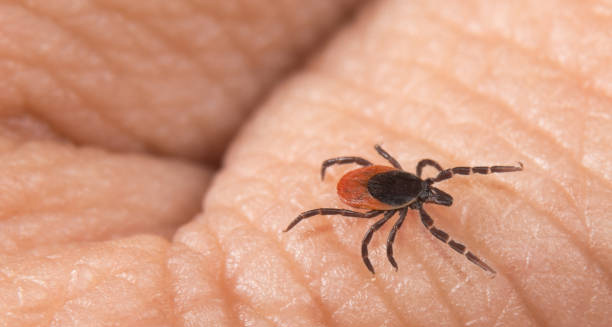
Close-up of a tick crawling on human skin

Overview of Insect Bites

Insect bites are a common issue worldwide. They affect people of all ages and backgrounds. Bites happen when insects like mosquitoes, fleas, bedbugs, mites, ticks, midges, ants, and various flies feed on humans or animals. Most bites cause mild symptoms like itching, swelling, or local pain. However, some can lead to serious problems such as allergic reactions, infections, or disease transmission. An insect bite usually happens when the insect punctures the skin to draw blood. During feeding, the insect injects saliva that contains anticoagulants and proteins. These substances stop the blood from clotting. They also trigger an immune response, which causes redness, swelling, and itching. Histamine, released by the immune system, worsens the inflammation at the bite site. The reaction to insect bites differs from person to person. Factors include the type of insect, immune sensitivity, how often a person is bitten, and whether they have allergies. For example, one person may barely notice a mosquito bite, while another may develop large, itchy welts. Rarely, a bite can lead to anaphylaxis. This is a severe allergic reaction and needs urgent treatment. Types of Insect Bites and Their Effects Different insects cause different kinds of bites. Mosquito bites form small, raised, itchy bumps. Fleas leave clusters of tiny red dots, usually around the ankles. Tick bites may go unnoticed at first, but can become dangerous. Some ticks spread Lyme disease or tick-borne encephalitis. Bedbug bites often appear in rows or clusters. They can itch severely and irritate the skin. Though technically stings, ant and wasp stings are similar because they break the skin and cause swelling, burning, and allergic reactions. Geography and climate also affect how common insect bites are. In tropical areas, insects are active all year, increasing bite risk. Some regions have insect-borne diseases like malaria, dengue fever, Zika, and chikungunya. These are spread by mosquitoes. Travellers visiting such areas need to use repellent, wear long clothes, and sleep under mosquito nets. Insect Bites Can Lead to Infection A key concern with insect bites is the risk of infection. Scratching due to itching can break the skin. This allows bacteria to enter and cause secondary infections. Conditions like impetigo or cellulitis can develop. These infections are more likely in children, people with weak immune systems, or those with skin problems like eczema. Signs of infection include swelling, warmth, pus, and increased redness. Treatment may require antibiotics. Some insect bites can spread diseases. Mosquitoes and ticks are common carriers. Malaria, for instance, is spread by Anopheles mosquitoes and causes fever and chills. Ticks can spread Lyme disease, which often starts with a bullseye-shaped rash. Without treatment, it can lead to joint pain or nerve issues. Early diagnosis and care are crucial for these conditions. Preventing Insect Bites Is Key Preventing bites is vital. Insect repellents with DEET or picaridin help reduce bites. Wearing long clothes and avoiding outdoor activity during peak insect times—such as dawn and dusk—also helps. Removing standing water, fixing window screens, and sealing entry points can reduce insects indoors. Learning about local insect risks is essential, especially before travelling. Insect bites can also affect mental health. Ongoing bites or infestations, like from bedbugs or mites, can cause anxiety and sleep problems. Some people may even develop post-traumatic stress symptoms. Visible bite marks or scars may affect confidence, especially in teens and young adults. Managing insect bites also needs public health strategies. These include public awareness campaigns, pest control, and early alerts for outbreaks. Mosquito-borne diseases affect millions each year. Strong cooperation among health officials, researchers, and the public is needed to manage the risk. In conclusion, insect bites range from a small nuisance to a serious threat. Learning how bites happen, their dangers, and how to prevent and treat them helps individuals and communities. Whether in a city or countryside, the impact of insect bites is felt everywhere. With early care and proper prevention, people can reduce symptoms and stay healthy. [Next: Causes of Insect Bites →]
Overview of Insect Bites Read More »

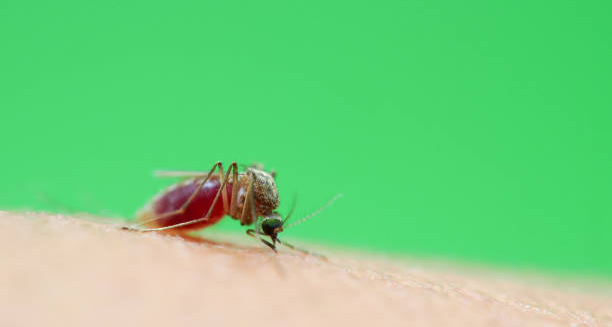
Mosquito biting human skin with green background

Causes of Insect Bites

Insect bites are caused by the feeding behaviour of certain insect species that rely on human or animal blood for nourishment or reproduction. Understanding the causes of insect bites means looking at what insects need to survive, where they live, and how people expose themselves to them. Most bites are harmless and heal fast. Still, the causes show a close link between bugs, people, and the environment. At the simplest level, insect bites happen when an insect breaks the skin to suck blood. Different bugs do this for different reasons. For example, only female mosquitoes bite because they need blood to lay eggs. Their saliva contains special chemicals that stop blood from clotting. These chemicals also start the body’s immune reaction, which causes itching and swelling. Male mosquitoes, in contrast, eat plant nectar instead. This difference shows how the causes of insect bites are often tied to how insects reproduce. Ticks are also common biters. They stay attached to skin for hours or even days while feeding. Their bite doesn’t hurt right away because their spit numbs the skin. But ticks are dangerous because they can spread illnesses like Lyme disease. Fleas, which often live on pets like dogs and cats, may bite people too—especially if infestations are not treated. Fleas usually bite the ankles and leave itchy red marks in groups. Environmental Causes of Insect Bites Another major cause of insect bites is the environment. Certain climates attract more bugs. Warm and wet weather helps insects like mosquitoes, flies, and midges to breed. In cooler places, biting bugs are less common, but they can still show up during warmer months. For example, Scotland’s midges or Canada’s blackflies cause serious discomfort in summer. Standing water is a big factor. Places like blocked drains, puddles, or water-filled buckets help mosquitoes multiply. Ticks like to live in long grass, fallen leaves, and wooded areas. If someone lives near these spots, they’re more likely to get bitten. Rural homes, forest cabins, or messy gardens often lead to more bug problems. The causes of insect bites also link closely to human habits. Wearing short clothes outdoors, especially at sunrise or sunset, raises the risk. Hikers, gardeners, and campers often get bitten more because they spend time in nature. If they don’t wear insect spray or cover their skin, they become easy targets. Travellers to tropical places also face higher risks if they don’t protect themselves properly. Causes of Insect Bites Related to the Body Body chemistry also plays a role. Mosquitoes like carbon dioxide from breathing and chemicals in sweat. People who are active or have warm skin often attract more bugs. Even blood type can matter. Some studies show mosquitoes bite people with type O blood more than others. Scents from perfume, body lotion, or deodorant can also pull in insects. Sweet or floral smells mimic food for them. Unscented products or bug sprays help keep insects away. Even the colour of clothing matters—dark colours seem to attract more bugs than light ones. Poor hygiene or messy living spaces can add to the problem. Bedbugs often hide in cluttered or rarely cleaned rooms. While their presence doesn’t always mean someone is dirty, messy places make it harder to spot them. Ants can also cause bites or stings, especially in kitchens where food is left out. Causes of Insect Bites from Pets, Seasons, and Climate Pets can bring bugs into the home. Fleas, mites, and ticks often jump from pets to people. Even if animals don’t show signs of trouble, they can carry pests. Skipping vet visits or not cleaning your home enough makes insect bites more likely. Seasonal shifts and global weather changes also add to the causes of insect bites. Warmer winters and more rain have helped insects spread to new places. Biting insects now live in areas once thought safe. Because of climate change, diseases like dengue and chikungunya are now seen in more parts of the world. Even social and economic conditions matter. In poorer areas, bad housing, weak healthcare, and lack of clean water make bites more common. Dirty surroundings attract more bugs. Homes without window screens let mosquitoes inside easily. Crowded places like refugee camps often face large outbreaks of diseases from insect bites. Conclusion: Understanding the Causes of Insect Bites In conclusion, the causes of insect bites come from many sources. They include insect habits, where people live, how they act, and bigger problems like climate and poverty. Knowing what causes bites helps people stay safe. Whether it’s staying indoors at dusk, wearing long sleeves, or keeping your house tidy, simple actions can reduce the risk. Learning about the causes of insect bites is the first step to avoiding discomfort and serious illness. [Next: Symptoms of Insect Bites →]

Causes of Insect Bites Read More »

Symptoms of Insect Bites

Symptoms of Insect Bites

The symptoms of insect bites can range from mildly irritating to medically serious, depending on the species involved, the individual’s sensitivity, and the number or frequency of bites. For most people, insect bites are simply a short-term problem. They cause itching, redness, and slight swelling. But sometimes, symptoms spread beyond the bite area or even affect the whole body. When this happens, quick action is important to avoid serious health problems. Knowing the wide range of symptoms helps guide the right treatment. Usually, symptoms start with a small red bump where the insect bit the skin. This bump often itches and may feel warm. The itching comes from the body’s reaction to the insect’s saliva. As part of the immune response, cells release histamine. This causes blood vessels to open and nerves to react, which leads to itching. Redness and swelling follow as the body tries to fight off the foreign substance. In mosquito bites, symptoms show up within minutes. The bite becomes itchy and may turn into a small bump with a clear center. Some people, especially those with sensitive skin, may develop large patches or blisters. Kids often have stronger reactions than adults. The itching might go away in a few hours, or it can last for days if the person is more sensitive or bitten many times. Flea bites usually appear in groups or lines, especially on the ankles, feet, or legs. They look like tiny red spots and may form blisters or scabs when scratched. These bites itch a lot and can easily become infected. Unlike mosquito bites, flea bites tend to last longer. People who live with untreated pets often get repeated bites, which makes symptoms worse. Common Reactions in Different Insect Bites Bedbug bites follow a common pattern known as “breakfast, lunch, and dinner”—a line of three bites. These bites may not show up right away. Some people only feel them hours later. In others, the reaction is delayed for several days. The skin may become red, swollen, or even form open sores from scratching too much. Ticks are more serious. Their bites often go unnoticed at first because they don’t hurt right away. The tick can stay attached for hours or days. After it falls off or gets removed, the area may swell and turn red. A key sign of Lyme disease is a bullseye-shaped rash. It shows up 3–30 days later and has a clear center with a red outer ring. Other tick-related illnesses may cause flu-like symptoms, such as fever, chills, or body aches. Some bites cause blisters or hives. Blisters form when the skin reacts strongly and fluid builds up. Hives appear as raised, itchy patches. These reactions may come alone or with other serious signs. Swelling of the face, trouble breathing, dizziness, or a fast heartbeat all suggest a severe allergic reaction called anaphylaxis. This is an emergency and needs fast medical help. Ants, bees, and wasps cause even stronger reactions. They inject venom, which causes sharp pain and more swelling. Fire ants, for example, cause burning pain followed by white blisters. Bee and wasp stings hurt right away. The area becomes red and swollen, often for days. A single sting is usually not dangerous. But many stings or ones near the face or throat can be serious. Signs of Infection and Delayed Reactions Insect bites sometimes get infected, especially if scratched a lot. Infections cause growing redness, heat, swelling, or pus. The skin may feel sore, and red lines might spread from the bite. This means the infection is moving through the body. Fever and chills may follow in worse cases. Some people notice problems even after the bite heals. One common issue is dark marks, called post-inflammatory hyperpigmentation. Others develop scars or hard lumps. This happens more often in people who form thick scars or have sensitive skin. Ongoing itching or tender skin can also linger after repeated bites. Mental symptoms can happen too. People with bedbugs or mites may keep feeling itchy or think insects are crawling on them. This is called delusional parasitosis. The stress of having visible bite marks on the arms, legs, or face can hurt someone’s self-confidence and social life. In places where insect-spread illnesses are common, certain symptoms need quick attention. These include fever, nausea, vomiting, sore muscles or joints, and tiredness. For example, dengue fever causes a high fever, strong headache, and body pain. Malaria leads to repeated fever and chills. Zika virus may show up with rash, pink eye, and sore muscles. All these start with a bite but can become serious without treatment. When to Seek Help for Symptoms of Insect Bites In short, the symptoms of insect bites vary a lot. They depend on the type of insect, your body’s response, and how often you get bitten. Most bites cause mild problems that go away. But others may bring infections, allergies, or illnesses. Spotting the symptoms early helps start treatment quickly and avoid worse outcomes. If symptoms get worse, don’t go away, or spread beyond the bite, it’s best to see a doctor right away. [Next: Diagnosis of Insect Bites →]

Symptoms of Insect Bites Read More »

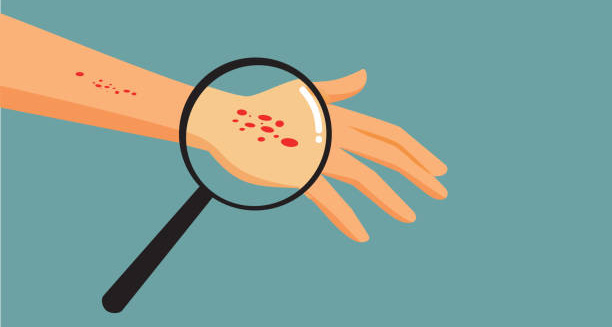
Cartoon magnifying glass examining insect bites on a hand

Diagnosis of Insect Bites

The diagnosis of insect bites is a critical step in ensuring appropriate treatment and preventing potential complications. Although most insect bites are small and go away on their own, some can cause serious problems. These include allergic reactions, skin infections, or diseases spread by bugs. Getting the diagnosis right not only helps ease discomfort but also protects your long-term health. Doctors usually rely on your medical history, a physical check, your recent activities, and sometimes tests or scans to make a diagnosis. A clear medical history is the first step. Your doctor will ask when the bite started, how long symptoms have lasted, and whether they have gotten worse. They will also want to know where the bite is and what you were doing before it appeared. Questions might include: Did you travel recently? Were you outdoors? Did you spend time with pets or in wooded areas? These details help point to what kind of insect may have caused the bite. Often, people don’t notice when they were bitten. Mosquitoes, fleas, and bedbugs can bite without being felt right away. That’s why your recent activities matter. For example, if you went camping or stayed in a new place, it might explain the bite. Living with pets, especially untreated ones, might mean flea bites. Traveling to areas where diseases like malaria or dengue are common also increases the chances of serious bites. Physical Signs in the Diagnosis of Insect Bites After taking your history, the doctor will examine the bite closely. The diagnosis of insect bites often depends on what the bite looks like. Each insect leaves a different mark. Mosquito bites are usually single, raised, and itchy with a tiny hole in the middle. Flea bites often appear in small groups on the ankles or legs. Bedbug bites show up in lines or clusters, mostly on arms, neck, or face. Tick bites can be tricky. They may not hurt or itch at first, especially while the tick is still attached. Once removed, a red bump may be the only sign. If a red ring with a pale center forms around it, this may be a sign of Lyme disease. But not all tick bites show this rash. That’s why it’s important to also watch for flu-like symptoms, joint pain, or fever. Sometimes, bites become infected. The skin may look red, feel warm, ooze pus, or be painful to touch. These signs point to skin infections like cellulitis or abscesses. Swollen lymph nodes and fever can also mean the infection is spreading. In these cases, the doctor may order treatment right away. Lab tests can also help. A full blood count can show signs of infection. Other tests like C-reactive protein check for swelling in the body. If the bite happened in an area with mosquito-borne diseases, the doctor might test for dengue, malaria, or Zika. If Lyme disease is suspected, antibody blood tests such as enzyme immunoassay (EIA) or Western blot might confirm it. Advanced Testing and Environmental Clues Allergy tests may help people who often get strong reactions. A skin prick test or a special blood test can show if the person is allergic to insect venom. This is helpful when planning treatment or if someone may need an epinephrine auto-injector for emergencies. It also helps in deciding if allergy shots (desensitisation) could be useful. In tougher cases, skin specialists (dermatologists) may be needed. Some skin problems like eczema, hives, or scabies can look like insect bites. The doctor might use a tool called a dermoscope or even do a small skin sample test to find the true cause. This step is rare but helpful if symptoms last too long or don’t respond to usual treatments. Other times, the diagnosis of insect bites comes from checking your surroundings. If the doctor thinks fleas or bedbugs are the cause, you may need to check your home. Signs such as tiny insects, black dots (droppings), blood stains on sheets, or old insect shells can confirm their presence. Pest control experts may also help identify what’s causing the problem. Taking pictures of the bite early on is another useful trick. If you can’t see the doctor right away, a photo helps capture how the bite looked before you scratched it or before it became infected. These images give doctors a better idea of the original appearance, making diagnosis easier during later visits. Keeping a symptom journal can also uncover patterns. People with frequent bites can note the time of day, where they were, and how the bite felt. This helps link symptoms to certain places or times. For instance, bites that happen at night may mean bedbugs, while bites after hiking might suggest ticks or mosquitoes. Why Early Diagnosis of Insect Bites Matters In summary, the diagnosis of insect bites relies on history, a physical check, pattern matching, and sometimes lab work. While many bites are easy to spot and treat, others need careful investigation. Fast and accurate diagnosis helps you get the right care, avoid problems, and feel better sooner. Whether it’s a child with an itchy bump or an adult feeling sick after travel, a quick diagnosis of insect bites helps keep things under control. [Next: Treatment of Insect Bites →]

Diagnosis of Insect Bites Read More »

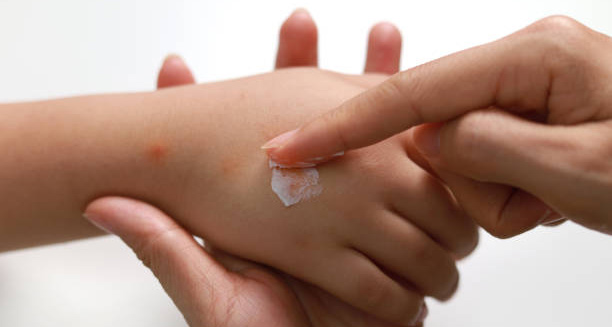
Applying cream to insect bites on a child's hand

Treatment of Insect Bites

The treatment of insect bites involves a combination of relieving symptoms, preventing infection, and addressing any complications that may arise. For most people, the main goal in treating insect bites is to stop itching, reduce pain, and bring down swelling. Start by cleaning the area with soap and water. Then apply soothing creams like hydrocortisone or calamine lotion. Hydrocortisone cream helps calm the redness and swelling. Calamine lotion cools the skin and eases the itch, while also helping it heal. Oral antihistamines such as cetirizine, loratadine, or chlorphenamine can help if itching is widespread. These medicines block the chemical that causes itching. Choose non-drowsy ones like cetirizine during the day. If itching keeps you up at night, chlorphenamine may help you sleep. Painkillers like paracetamol or ibuprofen reduce pain and bring down swelling. Ibuprofen also fights inflammation. Using a cold compress or an ice pack for 10 to 15 minutes helps too. These steps are usually enough for mild bites. When Infection Develops After Insect Bites Sometimes, the bite gets infected. This happens when bacteria enter broken skin—often through scratching. The area might turn red, warm, swollen, or tender. You might even see pus. If this happens, a doctor may prescribe antibiotics. Flucloxacillin is often used for these infections. If you’re allergic to penicillin, other antibiotics like clarithromycin or erythromycin may be given. For mild cases, fusidic acid cream can help treat the skin. To prevent infection, especially in children, try to stop scratching. Keep fingernails short and clean. In small children, covering the bite or using mittens can help. Antiseptic creams like Savlon or Betadine are also useful when the skin is broken. The Treatment of Insect Bites That Carry Disease The treatment of insect bites changes depending on the insect. For example, tick bites need special care. If you see a tick, remove it right away using fine-tipped tweezers. Grab it close to the skin and pull gently without twisting. Clean the area with antiseptic. If the tick was attached for over 24 hours, or if a bullseye rash or flu-like symptoms show up, doctors may prescribe antibiotics like doxycycline to prevent Lyme disease. Treating Allergic Reactions from Insect Bites Insect bites can cause allergic reactions. Mild cases—such as swelling or hives—usually get better with antihistamines and creams. More serious reactions—like trouble breathing, dizziness, or nausea—need emergency care right away. These may be signs of anaphylaxis, a life-threatening condition. People who are allergic to insect stings, like those from bees or wasps, often carry an epinephrine auto-injector like an EpiPen. They should use it immediately and seek urgent help. For those with a history of severe stings, doctors may suggest immunotherapy. This treatment slowly exposes the body to insect venom to build up tolerance. Studies show this helps reduce future severe reactions. The Treatment of Insect Bites in Tropical Areas In tropical places, insect bites can spread disease. The treatment of insect bites in these regions often includes disease-specific steps. For example, mosquitoes can spread malaria. Symptoms might appear weeks later and include fever and chills. Quick treatment with antimalarial drugs like ACT (artemisinin-based combination therapy) is important. Other diseases like dengue, Zika, and chikungunya also spread through mosquito bites. These conditions don’t have direct cures, so doctors focus on rest, hydration, and managing symptoms. Bites from sandflies and blackflies can lead to more serious diseases like leishmaniasis or river blindness. These require tests and treatment from specialists to prevent long-term problems. Home Remedies and Prevention Some people try home remedies for small bites. Aloe vera gel, tea tree oil, and oatmeal baths are popular choices. They may reduce redness and soothe the skin. But only use them on healthy, unbroken skin. If the area gets worse, stop using them. Don’t rely on home remedies for serious bites. Prevention is one of the best treatments. Use insect repellents with DEET, picaridin, or lemon eucalyptus oil. Wear long clothes, use bed nets, and avoid being outdoors at dawn or dusk—when bugs bite the most. If you have pets, treat them for fleas and ticks. This keeps your home safe and lowers your risk. Summary of the Treatment of Insect Bites In conclusion, the treatment of insect bites ranges from simple care at home to advanced medical steps. Most bites get better with creams, antihistamines, or pain relief. When complications happen—like infection, allergies, or disease—you may need more help. Knowing what to do, and acting fast, helps you avoid serious problems. Whether at home or while traveling, the right care ensures most bites heal well and quickly. [Next: Complications of Insect Bites →]

Treatment of Insect Bites Read More »

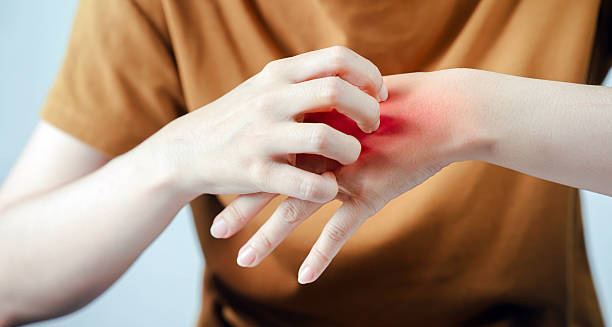
Woman scratching irritated skin on chest due to insect bite reaction

Complications of Insect Bites

The complications of insect bites can range from mild skin reactions to severe, life-threatening conditions. Most insect bites cause only slight itching or discomfort and clear up within a few days. However, in some people or certain situations, more serious problems can develop. These depend on many things, such as the type of insect, how your immune system reacts, the place you were bitten, and any existing health problems. It’s important to understand all the possible complications of insect bites so that people can get help quickly, prevent issues, and stay healthy in the long run. Skin infections and long-term marks A very common problem is a skin infection. This usually happens when scratching breaks the skin, allowing germs like Staphylococcus aureus or Streptococcus pyogenes to get in. You may notice the redness spreading, the skin becoming warm or swollen, and pus or yellow fluid coming out. These signs mean the skin is infected. If the infection spreads deeper, it can turn into cellulitis. This condition causes more pain and swelling, and it can make you feel very sick. In serious cases, it can spread through the body and lead to fever or even a life-threatening infection in the blood. Scratching doesn’t just cause infection—it can also leave lasting marks. In people with darker skin, the area may stay dark long after the bite heals. Some bites may even leave scars or raised, thick spots if they become badly irritated or don’t heal well. Although these skin changes aren’t dangerous, they can be upsetting, especially when they appear on the face, arms, or legs. Allergic reactions and complications of insect bites Allergic reactions are another major concern. Some are mild and affect only the skin near the bite. Others can spread through the whole body and become dangerous. You might see large red welts, blisters, or itchy bumps. In severe cases, a person may have trouble breathing, feel dizzy, throw up, or swell up around the face or throat. These symptoms could point to anaphylaxis, which is a medical emergency. Bees, wasps, and hornets are often behind these serious allergic reactions. People who are allergic to their stings usually carry an epinephrine pen and may wear a bracelet to alert others. Doctors may also suggest allergy shots to lower the risk of future reactions. Insect bites that carry diseases In many warm or tropical areas, insects can carry serious illnesses. Mosquitoes, for example, spread diseases like malaria, Zika, dengue, chikungunya, yellow fever, and West Nile virus. Each disease has its own risks. Malaria can cause severe anaemia or even brain damage. Dengue can turn into a deadly illness that causes bleeding or shock. Zika can cause birth defects if a pregnant woman gets infected. Ticks also carry harmful diseases. These include Lyme disease, Rocky Mountain spotted fever, and tick-borne encephalitis. If Lyme disease isn’t treated quickly, it can cause joint pain, memory problems, tiredness, and nerve damage. Even after treatment, some people still feel unwell for months or longer. Doctors call this post-treatment Lyme disease syndrome (PTLDS). Other insects bring rare but dangerous illnesses. Sandflies can spread leishmaniasis, which may cause skin sores or damage to organs. Blackflies carry parasites that can lead to river blindness. These infections often need expert care and can cause lasting damage if not treated early. Emotional and unusual effects While most people focus on the physical issues, the mental effects of insect bites are also important. Some people, especially those who dealt with bedbugs, may feel anxious, have trouble sleeping, or even show signs of post-traumatic stress. The fear of getting bitten again, along with feelings of embarrassment, can greatly affect a person’s mental health. Sometimes, people feel like insects are crawling on them even after they’ve been removed. This is called delusional parasitosis and may need help from mental health experts. Children face special risks. They may not be able to say what’s wrong, which can delay treatment. Repeated scratching in young kids can lead to infections like impetigo or even deeper skin problems like abscesses. Bites near the eyes or throat are especially risky and need fast care. Some diseases carried by insects may also show up in unusual ways in children, making it harder for doctors to spot them early. High-risk groups and rare reactions The location of the bite matters. Bites on joints can swell more and hurt longer. Bites on the face may leave marks and need more care. In older people or those with diabetes, poor blood flow can slow down healing, especially in the lower legs. People with weak immune systems—like those getting chemo, living with HIV, or using strong immune-suppressing medicine—face higher risks. Their bodies don’t fight infections as well, and they might not show usual signs like redness or swelling. This makes early problems harder to catch. In very rare cases, insect venom or saliva can cause strange effects. Some people get a reaction like serum sickness, blood vessel swelling (vasculitis), or other immune system problems. These aren’t common, but they do show why it’s important to get checked out if something feels wrong. Final thoughts on complications of insect bites In short, the complications of insect bites can go from small rashes to very serious health problems. Most bites go away without trouble, but knowing the warning signs helps people act fast and avoid bigger issues. Whether it’s a mosquito in the jungle or a bee in your garden, the key to staying safe is early care and attention. Recognising problems early and getting the right treatment helps protect your health and prevent lasting harm. [Next: Back to Overview →]

Complications of Insect Bites Read More »

Scroll to Top