Mental Matters

Insomnia

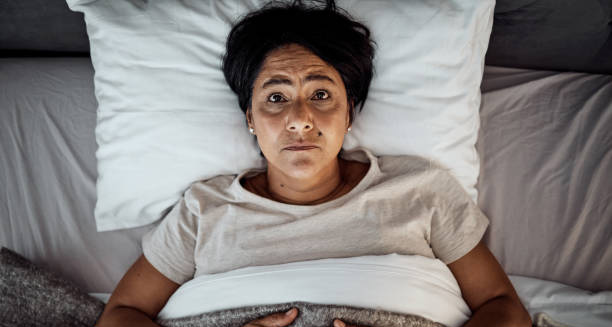
Anxious woman lying awake in bed at night, staring at the ceiling

Overview of Insomnia

Insomnia is a widespread sleep disorder affecting millions globally. It causes persistent trouble falling asleep, staying asleep, or waking too early without the ability to return to sleep. Even when people have enough time to rest, insomnia prevents them from feeling refreshed, leading to fatigue, irritability, and difficulty functioning during the day. While occasional sleeplessness is normal, chronic insomnia requires medical help and treatment to avoid serious long-term health effects. Insomnia is not just one condition but a complex disorder with varied symptoms. Some people lie awake for hours before falling asleep, others wake often during the night, or feel their sleep isn’t deep or restorative. It usually develops gradually, starting with a few poor nights and becoming a chronic problem that harms both mental and physical health. Sleep is essential for life, and ongoing disruption affects nearly every body system. There are two main types: Insomnia is also classified by duration: Age and gender influence insomnia. It is more common in older adults due to changes in sleep patterns, more health problems, and medication use. Women experience higher rates, especially during hormonal changes in pregnancy, perimenopause, and menopause. Children and teens also face growing insomnia rates linked to academic pressure, screen time, and anxiety. Insomnia significantly impacts mental health. It’s strongly linked to depression and anxiety, disrupting brain chemicals and emotional recovery. Poor sleep worsens mood disorders, creating a cycle of distress. Early treatment can prevent this decline. Physiologically, chronic insomnia weakens immune function, raises inflammation, and increases stress hormones like cortisol. It heightens risks for high blood pressure, diabetes, heart disease, and obesity. Sleep is vital for cell repair and metabolism; without it, overall health deteriorates. Cognitive functions such as concentration, memory, and decision-making also suffer. On a societal level, insomnia contributes to accidents, injuries, and lost productivity. Sleep deprivation slows reactions, impairs judgement, and affects mood, reducing effectiveness at work and home. Employers and health systems now recognise insomnia as a serious public health concern. Modern lifestyles and technology have increased insomnia worldwide. Evening exposure to smartphones and computers emits blue light, which disrupts melatonin and circadian rhythms. Irregular schedules, long work hours, and stress further disturb sleep cycles, especially among young adults and city dwellers. Despite its prevalence, many do not seek help, underestimating insomnia’s severity or expecting it to improve alone. This often leads to harmful coping habits like excess caffeine, alcohol, or daytime naps, worsening the problem. Untreated insomnia can become deeply rooted and harder to fix. The positive news is insomnia is treatable. Current approaches focus on identifying causes and promoting healthy sleep habits. Cognitive Behavioural Therapy for Insomnia (CBT-I) is the best long-term treatment, offering lasting benefits without medication side effects. Drugs are available but usually reserved for short-term or specific cases due to risks like dependency. In summary, insomnia is a multifaceted condition affecting mind, body, and life quality. It often requires a mix of behavioural and medical treatment to overcome. With awareness, early diagnosis, and personalised care, most people can improve their sleep and health. As research advances, so will support for those challenged by insomnia. [Next: Causes of Insomnia →]


Overview of Insomnia Read More »

Tired man lying awake in bed at night with a fatigued expression

Causes of Insomnia

Insomnia is a complex condition with many possible causes, including biological, psychological, environmental, and behavioural factors. Understanding the causes of insomnia is key to diagnosis and treatment. Usually, it is not caused by just one thing. Instead, several issues combine to stop the body from falling or staying asleep. Short-term insomnia may happen due to temporary stress or lifestyle changes, while long-term insomnia often has deeper causes. Stress and Mental Health The most common cause of insomnia is stress. Daily worries about work, school, money, or relationships can cause the mind to race at night. This mental alertness makes it hard to relax and fall asleep. Even after the stress passes, the body may stay on high alert at bedtime, keeping sleep problems going. People prone to anxiety or perfectionism often find stress triggers insomnia. Mental health disorders also play a big role. Anxiety, including generalised anxiety disorder (GAD), panic disorder, and PTSD, often cause sleep problems. People with anxiety struggle to stop worrying enough to sleep, and their sleep is usually light and broken. Depression can cause early waking or too much sleep, both linked to imbalanced sleep patterns. Sometimes insomnia causes mental health issues, or mental health problems cause insomnia—they often worsen each other. Medical Conditions Medical problems frequently cause insomnia. Chronic pain from arthritis, fibromyalgia, migraines, or back pain makes it hard to get comfortable. Breathing problems like asthma or COPD can cause coughing or shortness of breath at night. Acid reflux, heart failure, and brain diseases such as Parkinson’s or Alzheimer’s also disturb sleep. Other less obvious issues, like overactive bladder, thyroid problems, or allergies, may cause frequent awakenings or discomfort. Medications and Substances Many medications affect sleep. Antidepressants, corticosteroids, beta-blockers, and some blood pressure drugs can interfere with sleep. Stimulants for ADHD delay falling asleep. Caffeine and nicotine also keep people awake. Alcohol may help people fall asleep at first, but it breaks up sleep later in the night and lowers sleep quality. Poor Sleep Habits Bad sleep habits often cause insomnia. Irregular bedtimes, doing exciting activities before bed, or using screens in bed can hurt sleep. Blue light from phones or computers stops the body from making melatonin, the sleep hormone. Sleeping and waking at different times daily, napping too much, or using the bedroom for work or TV weakens the brain’s link between the bedroom and sleep, making it harder to fall asleep. Circadian Rhythm Issues Disruptions to the body’s internal clock also cause insomnia. This clock controls when we feel sleepy or awake and depends on light and meal times. Shift work, jet lag, and irregular sleep schedules often cause insomnia. Shift workers sleep during the day and work at night, which goes against their natural rhythm. Teens and young adults sometimes have delayed sleep phase syndrome, meaning they feel like sleeping and waking later than usual, causing sleep loss on school or workdays. Hormonal Changes Hormone shifts affect sleep, especially in women. Menstruation, pregnancy, and menopause bring changes that disrupt rest. Hot flashes and night sweats in menopause cause repeated waking. Pregnancy brings discomfort from weight gain, pain, or baby movements. Hormones also change brain chemicals that control sleep, making it harder to fall or stay asleep. Environmental Factors The sleep environment impacts insomnia more than many realise. Noise, light, temperature, and an uncomfortable bed all reduce sleep quality. City dwellers face noise, street lights, and temperature changes from heating or air conditioning. Creating a quiet, dark, and cool bedroom helps promote good sleep. Sleep-Related Disorders Some disorders mimic insomnia. Restless legs syndrome (RLS) causes an urge to move legs with unpleasant feelings at night. Obstructive sleep apnea (OSA) leads to breathing stops during sleep, causing repeated waking without memory of it. Treating these problems is key to restoring good sleep. Age and Genetics Sleep changes with age. Older adults sleep lighter, wake earlier, and have less deep sleep. They also take more medications and often have medical issues, making sleep worse. While some sleep decline is normal with age, persistent insomnia needs attention. Genetics can also play a role. Some people inherit a higher chance of insomnia. Though genes alone don’t cause it, they combine with lifestyle and environment to increase risk. Summary In summary, insomnia has many causes, and each person’s reasons are different. Stress, mental health, medical issues, habits, environment, and biology all affect sleep. Careful evaluation of these factors helps create the best treatment plan. By tackling the root causes, people with insomnia can regain control of their sleep and enjoy a healthier, more energized life. [Next: Symptoms of Insomnia →]

Causes of Insomnia Read More »

Woman curled up in bed looking distressed during the night

Symptoms of Insomnia

Insomnia manifests in various ways, and its symptoms are not limited to the inability to sleep. People with insomnia often do not realise they have a sleep problem because the signs also affect daytime life. These symptoms include trouble falling asleep, waking unrefreshed, and can harm mental, physical, and emotional health. Knowing the wide range of symptoms helps catch insomnia early. Difficulty Falling Asleep and Staying Asleep The most common symptom is trouble falling asleep, called sleep-onset insomnia. People lie awake for long periods, even when tired. This can cause worry about sleep, which then makes falling asleep harder. Many watch the clock and dread feeling tired the next day. Difficulty staying asleep, or sleep-maintenance insomnia, also disrupts rest. People may fall asleep easily but wake many times at night. They often struggle to fall back asleep after waking. These breaks stop the body from reaching deep and REM sleep. So, even if total sleep time seems enough, the quality suffers and leaves them tired. Waking Too Early and Non-Restorative Sleep Waking up too early and not being able to go back to sleep is called terminal insomnia. This is hard for people who sleep late or have busy days, adding to their sleep debt and hurting focus and mood. Some people sleep through the night but still feel tired when they wake. This is non-restorative sleep. It happens when sleep cycles get disturbed or when hidden sleep problems like sleep apnea reduce sleep quality. Daytime Fatigue and Cognitive Problems Daytime tiredness and low energy are main signs of insomnia. Sleep restores the body’s energy, so without enough good sleep, people feel heavy, slow, and weak. Even simple tasks become hard, and motivation drops. Many people also suffer from “brain fog.” This means they forget things, lose focus, and solve problems more slowly. Sleep is key for memory and thinking. Poor sleep hurts work, school, and daily decisions. Over time, sleep loss leads to big drops in mental clarity and output. Mood and Stress Sensitivity Insomnia often causes mood changes like irritability and mood swings. Small problems may feel huge, and relationships may suffer. There is a strong link between insomnia and mental health problems such as anxiety and depression. These can cause insomnia but also get worse because of it, creating a harmful cycle. People with insomnia also feel more stressed. Good sleep helps manage emotions and pressure, but poor sleep reduces this ability. Stressful moments become harder to handle, causing strong reactions or mental shutdown. This can lead to anxiety or burnout. Physical and Behavioural Symptoms Insomnia may cause headaches, stomach problems, and muscle tightness. These symptoms come from tiredness and stress. Headaches can relate to brain chemicals, and digestive problems may result from hormone changes. Long-term, these physical signs can hide other health issues and make treatment tricky. Behavioural changes also happen. People may avoid social activities, cancel plans, or skip exercise because of tiredness or fear of worsening sleep. This isolation can cause loneliness and more sleep problems. Some turn to too much caffeine, alcohol, or sleep aids, which can disrupt natural sleep even more. Episodic vs. Chronic Symptoms and Age Differences Some people get insomnia symptoms for a few nights due to stress or changes. These often go away when the cause ends. But if symptoms happen at least three times a week and last a month or more, it is chronic insomnia and needs medical help. Early recognition is key because untreated insomnia can worsen. Symptoms can also differ by age. Children and teens might act hyperactive, struggle in school, or be defiant instead of saying they feel tired. Older adults might blame poor sleep on ageing and not seek help, even when sleep affects their health. Understanding these differences improves care. Summary In short, symptoms of insomnia go beyond just trouble sleeping. They include many physical, emotional, and mental effects that touch every part of life. These signs often start slowly but can become very harmful if ignored. Recognising symptoms day and night helps people and doctors act early to restore healthy sleep and wellbeing. [Next: Diagnosis of Insomnia →]

Symptoms of Insomnia Read More »

Doctor consulting a patient about insomnia diagnosis

Diagnosis of Insomnia

Insomnia is a complex sleep disorder, and diagnosing it accurately requires a comprehensive approach that takes into account both subjective experiences and objective findings. Doctors diagnose insomnia by carefully looking at a person’s sleep habits, medical history, mental health, and lifestyle. Since no single test can confirm insomnia, diagnosis relies on a full review of these factors. This process helps not only to confirm insomnia but also to find any causes or factors that can be treated. Clinical Interview and Sleep Diary The first step usually involves a detailed talk between the patient and healthcare provider. The doctor asks about sleep routines, bedtime, wake times, and the sleep environment. They want to know how long it takes to fall asleep, how often the person wakes up at night, if they wake up too early, and how they feel during the day. Questions about caffeine, alcohol, exercise, work, and screen use before bed also help build a clear picture. This information points to sleep habits and behaviours that may affect insomnia. Patients may be asked to keep a sleep diary for one to two weeks. This diary records bedtime, how long it takes to fall asleep, number of night wakings, final wake time, and sleep quality. It may also note daytime naps, mood, stress, and energy levels. Sleep diaries help spot patterns and differences between short-term sleep issues and chronic insomnia. Assessment Tools and Medical Review The Insomnia Severity Index (ISI) is a short questionnaire often used to check how severe sleep problems are. It asks about satisfaction with sleep, how much sleep issues interfere with daily life, and the distress they cause. The results help doctors decide if insomnia needs a formal diagnosis and how much it affects life. Doctors review medical history to find any health problems causing insomnia. Conditions like chronic pain, acid reflux, lung problems, nerve disorders, and hormone imbalances can cause poor sleep. Knowing the whole health picture helps decide if insomnia is a main problem or a symptom. Treating the medical issue often fixes the sleep trouble. Mental Health Screening Mental health is also checked during diagnosis. Depression, anxiety, bipolar disorder, and PTSD can disrupt sleep. Clinicians use tools like the Patient Health Questionnaire (PHQ-9) and the Generalised Anxiety Disorder scale (GAD-7) to measure mental wellbeing. Because mental health and sleep affect each other, treating mental conditions can improve insomnia. Sleep Studies and Actigraphy Sometimes, if insomnia lasts a long time or other sleep disorders are suspected, doctors suggest a sleep study called polysomnography. This test in a sleep lab tracks brain waves, oxygen, heart rate, eye movements, and muscle activity during sleep. It helps find other problems like sleep apnea, restless legs syndrome, or narcolepsy. Polysomnography is not needed for regular insomnia diagnosis but is important when other disorders might be involved. Actigraphy is a home-based alternative. It uses a small wrist device to track sleep and activity over days or weeks. It is useful for studying sleep patterns and body clocks in people with delayed sleep phase disorder or shift work insomnia. Symptom Duration and Frequency Insomnia is considered chronic if symptoms happen at least three nights per week and last three months or more, based on criteria from DSM-5 and ICSD-3. Short-term insomnia also causes trouble but usually ends when a triggering event, like stress, passes. Ruling Out Other Causes Doctors must rule out other reasons for tiredness and poor sleep. Problems like obstructive sleep apnea, circadian rhythm disorders, and parasomnias (sleepwalking or night terrors) can look like insomnia but need different treatment. A clear diagnosis ensures the right treatment plan. Lifestyle and Environmental Factors Doctors also ask about the sleep environment, including noise, light, bed comfort, and room temperature. Shift work, long travel times, or caring duties may affect sleep. Understanding these helps doctors give practical advice on improving sleep surroundings or schedules. Digital Tracking Tools Digital sleep trackers like smartphone apps and wearable devices have become popular. They provide useful data on sleep quality but may not be fully accurate for formal diagnosis. Still, these tools can help start discussions and raise awareness before seeing a doctor. Collaborative Diagnosis The diagnosis process should involve the patient, helping them understand their sleep issues and contributing factors. Many people with insomnia feel misunderstood, especially if their symptoms are blamed only on stress or lifestyle. A respectful, inclusive approach helps patients engage better and stick to treatment plans. Summary In short, diagnosing insomnia requires looking at medical, mental, behavioural, and environmental factors together. No single test confirms it, but interviews, sleep diaries, questionnaires, and sometimes sleep studies create a full picture. A clear diagnosis validates the patient’s experience and opens the way to focused treatment that restores sleep and life quality. [Next: Treatment of Insomnia →]

Diagnosis of Insomnia Read More »

Person taking a sleeping pill with a glass of water at night

Treatment of Insomnia

Insomnia can be an incredibly frustrating and debilitating condition, but the good news is that it is highly treatable. The treatment of insomnia depends on how long it lasts, how severe it is, and what causes it. Usually, it involves a mix of behavioural, psychological, lifestyle, and sometimes medicine-based approaches. The goal is not just to help you sleep for a short time but to build lasting, good sleep habits that boost your overall health. Cognitive Behavioural Therapy for Insomnia (CBT-I) The best and most common first step to treat chronic insomnia is Cognitive Behavioural Therapy for Insomnia (CBT-I). This therapy helps people spot and change thoughts and habits that hurt their sleep. CBT-I includes different parts such as stimulus control therapy, sleep restriction, changing thoughts, and relaxation methods. Unlike sleeping pills, which only work for a short time, CBT-I treats the root causes and gives long-lasting help. Stimulus control therapy works to reconnect the bed and bedroom with sleep, not being awake. People with insomnia often spend long hours in bed trying to sleep or worrying about not sleeping. This only makes the problem worse. With this therapy, people learn to go to bed only when sleepy, get out of bed if they can’t sleep after 20 minutes, and use the bed just for sleep and intimacy. Over time, this trains the brain to link the bed with rest. Sleep restriction therapy limits the time spent in bed to match how long a person actually sleeps. For example, if someone sleeps only five hours but spends eight hours in bed, they start by staying in bed for just five and a half hours. This may make them feel sleepier at first but helps build a stronger need for sleep and better sleep quality. Slowly, the time in bed is increased as the person begins to sleep better. Changing Thoughts and Relaxation Cognitive restructuring helps with anxious and false thoughts that make insomnia worse. Many people worry too much about the effects of poor sleep, which only makes it harder to sleep. CBT-I teaches how to challenge these thoughts (like “If I don’t sleep, I’ll ruin my day”) and replace them with more balanced ideas (like “Even if I’m tired, I can get through the day and rest later”). This lowers sleep-related anxiety and helps people fall and stay asleep. Relaxation training is another key part of CBT-I. Methods like progressive muscle relaxation, deep breathing, mindfulness, and guided imagery reduce body tension and mental stress that block sleep. Adding these calming activities to an evening routine prepares the mind and body to rest. For many, learning to calm their nervous system at night is life-changing. Lifestyle and Sleep Hygiene Besides CBT-I, lifestyle and environmental changes, called sleep hygiene, play a major role in managing insomnia. These steps might not fix long-term insomnia alone but create a strong base for good sleep. Sleep hygiene means keeping a regular sleep schedule, avoiding caffeine and nicotine late in the day, limiting screen time before bed, and making the bedroom cool, quiet, and dark. Cutting down on alcohol also helps because alcohol disrupts sleep cycles and causes waking at night. Exercise improves sleep quality, especially if done regularly and earlier in the day. Activities like walking, swimming, or cycling help regulate the body clock and reduce stress. However, doing intense exercise close to bedtime can increase alertness and delay falling asleep. Psychological Support and Medication Sometimes, people with mental health issues like depression, anxiety, or PTSD need therapy alongside CBT-I. Treating these problems can improve sleep, or working on sleep first can help emotional health. If CBT-I and lifestyle changes don’t fully work or quick relief is needed, doctors may recommend short-term medication. Common drugs include benzodiazepines, non-benzodiazepine sleeping pills (like zolpidem), and melatonin receptor agonists. These can help start sleep but come with risks like dependence, tolerance, and side effects such as drowsiness or memory problems. They should only be used for a short time under medical supervision. Melatonin and Herbal Remedies The Melatonin supplements are becoming popular alternatives. Melatonin is a natural hormone made by the body in the dark, controlling the sleep-wake cycle. Low doses may help people with delayed sleep phase disorder, jet lag, or shift work problems. Melatonin doesn’t make you fall asleep instantly but signals your body that it is time to sleep. Timing and dose matter for best results. Herbal remedies like valerian root, chamomile, and passionflower are often sold as natural sleep aids. Some people find them helpful, but science does not fully support their use. The strength and amount of herbal products vary a lot, and they can interact with other medicines. It is best to check with a healthcare provider before trying these. Technology and Medical Conditions Tech-based treatments are growing in use and help people who cannot attend in-person therapy. Apps, online CBT-I programs, and sleep trackers offer easy and cheap ways to check sleep and improve habits. These tools can help but should not replace professional care if needed. If medical issues cause insomnia, those must be treated too. Conditions like chronic pain, acid reflux, restless legs, or sleep apnea need proper care. For example, a person with sleep apnea might use a CPAP machine to keep airways open during sleep. Treating these conditions usually improves sleep a lot. Education and Support Education about sleep is also important. Many people don’t understand how sleep works or what affects it. Clear information about sleep cycles, body clocks, diet, stress, and environment helps people take charge of their sleep. Group therapy and sleep workshops provide support and shared learning. Conclusion In conclusion, the treatment of insomnia is very personal and must fit each person’s needs. CBT-I is the gold standard, giving better long-term results than medication. Still, treatment often uses many tools, including behaviour changes, lifestyle shifts, psychological help, and short-term medicines. With the right mix and professional support, most people with insomnia can find relief and get back restful, healing sleep. [Next:

Treatment of Insomnia Read More »

Alarm clock at 3 a.m. with a person lying awake in the background

Complications of Insomnia

Insomnia is often dismissed as a temporary inconvenience or a minor discomfort, but when left untreated, it can give rise to a wide array of complications that significantly impair both physical and mental health. One of the most immediate and widespread complications of insomnia is daytime tiredness and poor functioning. People who do not get enough good sleep often feel low energy, less stamina, and constant sluggishness. Simple tasks like cooking, driving, or finishing work can feel tiring. Over time, this ongoing tiredness can cause a big drop in productivity and job performance. Students may do worse in school, while adults may fall behind at work. This often adds to the stress that started the insomnia. Cognitive Problems Linked to Insomnia Insomnia also causes problems with thinking skills. Sleep helps with memory, making decisions, focusing, and learning. People with long-term insomnia often find it hard to concentrate, forget things, and feel “foggy” in the mind. These problems grow worse as the lack of sleep continues. In severe cases, they may look like early signs of diseases such as Alzheimer’s, causing extra worry and fear. Mood changes also happen with insomnia. Lack of sleep affects how people control their emotions, making them more likely to feel irritable, anxious, or depressed. Even a few bad nights can change mood a lot, and over time, the effects get stronger. Insomnia and mood disorders affect each other: insomnia can be a symptom of anxiety or depression, but it can also increase the chance of developing these problems in healthy people. This emotional strain can cause people to avoid social life, hurt relationships, and feel worse about themselves. Increased Risk of Accidents and Injuries One of the most serious risks of insomnia is a higher chance of accidents. Lack of sleep slows reaction time, judgement, and coordination. This is very dangerous when driving or using machines. Studies show that driving while sleepy is as risky as drunk driving. People with insomnia are more likely to have car crashes, work accidents, and falls, especially older adults. This risk endangers both the person and those around them. Immune System Weakness Insomnia also harms the immune system. During sleep, the body makes proteins that fight infection and inflammation. Long-term lack of sleep lowers the production of these proteins, weakening the body’s defenses. As a result, people with chronic insomnia get sick more often with colds, flu, and other infections. They also take longer to recover and respond less well to vaccines. Heart and Blood Vessel Problems Poor sleep links to many heart issues. It raises blood pressure, heart rate, and stress hormones like cortisol. These changes put extra pressure on the heart and vessels. This increases the chance of high blood pressure, heart disease, and stroke. Studies show chronic insomnia itself raises the risk of dying from heart problems. The causes are complex but involve changes in the body’s daily rhythms, hormone balance, and ongoing inflammation. Metabolic Problems Including Weight Gain and Diabetes Insomnia can also cause metabolic problems like obesity and type 2 diabetes. Sleep controls hunger hormones—ghrelin and leptin. When sleep is short, ghrelin (which makes you hungry) goes up, and leptin (which tells you to stop eating) goes down. This causes more cravings and eating. People who don’t sleep well also tend to eat sugary, fatty foods and exercise less. This cycle leads to weight gain. Poor sleep also harms how the body handles sugar and insulin, raising diabetes risk over time. Digestive Issues Chronic insomnia can cause stomach and bowel problems. Poor sleep disrupts the gut-brain connection, which links the brain and digestive system. People with insomnia often have bloating, constipation, acid reflux, and irritable bowel syndrome. Stress from not sleeping well can make these symptoms worse, lowering comfort and life quality. Impact on Sexual Health and Fertility Insomnia also affects sexual health and fertility. In men, long-term poor sleep lowers testosterone, reduces sex drive, and can cause erectile problems. In women, insomnia can disturb ovulation and menstrual cycles, making it harder to get pregnant. Fatigue, stress, and irritability from poor sleep also reduce intimacy and can harm relationships for both men and women. Psychosocial Effects of Insomnia The social effects of insomnia deserve attention too. Constant tiredness and not being able to join activities can cause loneliness and isolation. Many people with long-term insomnia feel anxious before bedtime, worrying they won’t sleep. This anxiety can make insomnia worse. Over time, this cycle can lead to serious mental health problems like panic disorder or fear of leaving home. Economic and Societal Impact Insomnia also affects society and the economy. It lowers work productivity, causes more missed workdays, and increases healthcare needs. People with insomnia visit doctors more, use more medicines, and need mental health care. These extra demands create a heavy burden on healthcare and workplaces. Burnout and Chronic Stress In rare but serious cases, untreated insomnia may cause chronic stress and burnout, especially in people with demanding jobs or caregiving roles. Burnout means feeling emotionally drained, detached, and less successful. It links closely to long-term sleep problems. For health workers, teachers, parents, and shift workers, burnout and insomnia often occur together, making each worse and reducing their ability to cope. Quality of Life Decline Finally, chronic insomnia reduces quality of life in almost every way—physical, emotional, social, and daily function. Not sleeping well causes distress and changes how people enjoy life. Simple pleasures fade, goals get delayed or lost, and life satisfaction drops. Over time, insomnia steals not just sleep but also energy and control over life. Summary of the Complications of Insomnia To summarise, the complications of insomnia are many and serious. They affect almost every part of health—from thinking and feelings to heart health and immune strength. If untreated, insomnia can lead to chronic problems that shorten life and lower its quality. Recognising and treating insomnia early helps prevent long-term damage. It is an important step toward better health and a fuller, healthier life. [Next: Back to Overview →]

Complications of Insomnia Read More »

Scroll to Top