Mental Matters

Iron Deficiency Anaemia

Young woman with no appetite staring at a plate with a single tomato, showing signs of iron deficiency anaemia

Iron Deficiency Anaemia

Iron deficiency anaemia is a widespread and often underdiagnosed condition. It happens when the body lacks enough iron to produce adequate haemoglobin. Haemoglobin is the vital protein in red blood cells that carries oxygen from the lungs to the rest of the body. When iron is low, red blood cells become smaller and less efficient. This lowers the oxygen supply to tissues. As a result, people experience symptoms like chronic fatigue, shortness of breath, dizziness, and pale skin. If left untreated or severe, iron deficiency anaemia can harm brain function, reduce physical performance, and raise the risk of serious health problems. Worldwide, iron deficiency is the leading cause of anaemia. It affects over two billion people — about 25% of the global population. The condition mostly affects women of childbearing age, infants, children, adolescents, and people living in low-income or resource-limited areas. These groups need more iron due to menstruation, growth, pregnancy, or chronic illnesses. Although iron deficiency anaemia is more common in developing countries due to poor nutrition and infections, it also occurs in developed nations. There, poor diets, chronic diseases, and gastrointestinal disorders are often to blame. What makes iron deficiency anaemia especially concerning is its silent start. Many people do not realise they have low iron until symptoms become severe or a blood test reveals it. Even when symptoms appear, they can be mistaken for stress, tiredness, or other health issues. This delay in diagnosis can cause long-term damage that early treatment could prevent. Physical symptoms often come with mental and emotional changes such as trouble concentrating, irritability, and depression. These can greatly lower quality of life. The causes of iron deficiency anaemia are many. They include low dietary iron, chronic blood loss, malabsorption problems, and higher body iron needs. We will explore these causes in detail in the next section. It is important to know that treating anaemia alone is not enough. The root cause must be found and managed to prevent it from returning. This is critical when anaemia signals a more serious disease like gastrointestinal bleeding or cancer. Doctors diagnose iron deficiency anaemia using blood tests. These measure haemoglobin, iron stores (ferritin), total iron-binding capacity, and serum iron. Sometimes, stool tests, endoscopies, or imaging are needed to find the cause of iron loss or absorption problems. Early and accurate diagnosis helps create a treatment plan tailored to each patient. Treatment usually involves raising iron levels through diet or supplements. In severe cases, intravenous iron or blood transfusions may be needed. Treatment plans differ depending on age, gender, medical history, and other health conditions. For example, a young woman with heavy periods may also need gynaecological care, while an older man with bleeding in the gut might need an endoscopy. Prevention is just as important. Public health actions like iron-fortified foods, regular screening for high-risk groups, and education on iron-rich diets can reduce how often this condition occurs. Iron supplements are key in children and pregnant women to prevent deficiency. Iron deficiency anaemia affects more than just blood. It can weaken the immune system, slow wound healing, stunt growth in children, and cause pregnancy complications. It can worsen other health problems, lower work productivity, and raise healthcare costs. Still, it is one of the easiest types of anaemia to prevent and treat if caught early and managed well. This guide covers all you need to know about iron deficiency anaemia. We start with its causes and move through symptoms, diagnosis, treatment, complications, and outlook. Each section aims to help the public and healthcare professionals improve awareness, speed up diagnosis, and achieve better health outcomes. [Next: Causes of Iron Deficiency Anaemia →]
Iron Deficiency Anaemia Read More »

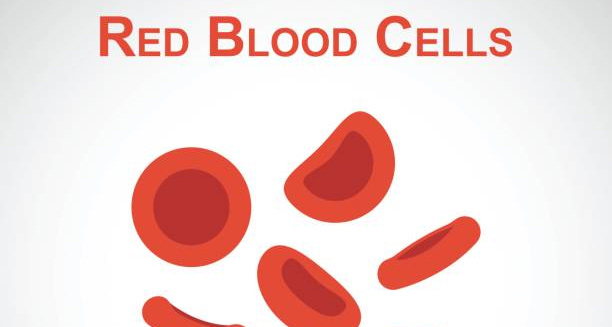
Illustration of red blood cells highlighting causes of iron deficiency anaemia

Causes of Iron Deficiency Anaemia

Iron deficiency anaemia occurs when the body lacks enough iron to make adequate haemoglobin — the protein in red blood cells that carries oxygen through the body. Without enough haemoglobin, oxygen delivery to organs and tissues suffers. This leads to fatigue, weakness, shortness of breath, and pale skin. Knowing the causes of iron deficiency anaemia helps doctors diagnose and treat it properly and prevent it from coming back. This anaemia happens when the body’s need for iron outpaces the iron it gets or can use. The causes fall into four main groups: not enough iron in the diet, chronic blood loss, poor iron absorption, and higher iron needs. Each group includes different conditions or situations that can cause iron levels to drop. 1. Low Iron in the Diet A common cause of iron deficiency anaemia is eating too little iron. Iron comes from two main sources: haem iron and non-haem iron. Haem iron comes from animal foods like red meat, poultry, and fish. Non-haem iron is found in plants such as beans, leafy greens, and fortified cereals. The body absorbs haem iron much better than non-haem iron. People who follow vegetarian or vegan diets, or eat mostly processed foods, often risk low iron. This risk rises if they don’t eat foods rich in vitamin C, which helps absorb non-haem iron. Also, some plant compounds like phytates, polyphenols, and calcium can block iron absorption, making it harder to get enough iron from plants alone. In poorer or food-insecure areas, not getting enough iron in the diet is a major cause, especially for children and pregnant women. Food fortification and public health programs play a big role in fixing these gaps. 2. Chronic Blood Loss Losing blood over time is the most common cause of iron deficiency anaemia in adults, especially in wealthier countries. The body loses small amounts of iron daily through skin and gut cells, but most iron loss happens through bleeding. If blood loss is more than what the body can replace, iron stores run low and anaemia develops. For women of childbearing age, heavy menstrual bleeding is the main cause. Conditions like fibroids, endometriosis, or hormone problems can cause heavy periods. Sometimes women don’t realize their bleeding is abnormal and think their tiredness is normal life stress. In men and older women, blood loss usually comes from the digestive system. Ulcers, haemorrhoids, diverticulosis, or bowel diseases like Crohn’s or colitis can cause bleeding. A serious concern is colorectal cancer, which can bleed slowly without obvious signs. Overusing painkillers like ibuprofen or aspirin can also irritate the gut lining and cause bleeding. Often, this blood loss is hidden and only found through screening tests like stool tests or colonoscopy when investigating unexplained anaemia. 3. Poor Iron Absorption Even if a person eats enough iron, certain conditions can stop the body from absorbing it properly. Coeliac disease is a common cause. This autoimmune illness damages the small intestine when gluten is eaten, making it hard to absorb nutrients like iron. People with untreated coeliac disease often have ongoing iron deficiency anaemia. Other stomach or gut problems like atrophic gastritis or Helicobacter pylori infection can lower stomach acid or damage gut lining. Stomach acid helps change iron into a form the body can absorb. Medicines like antacids, proton pump inhibitors, or H2 blockers that reduce stomach acid can also block absorption if used for a long time. Surgery that changes the digestive tract, such as gastric bypass, can reduce iron absorption by bypassing key areas. These patients often need lifelong iron supplements and monitoring. 4. Increased Iron Needs Some life stages increase the body’s iron needs. If these are not met with diet or supplements, iron deficiency anaemia can result. Pregnant women need double the iron to support the growing baby, so iron supplements are standard during pregnancy. Babies and young children need more iron for growth and brain development. Premature or low-birth-weight babies are especially at risk because they miss important iron buildup before birth. Breastfed infants older than six months may need extra iron or iron-rich foods. Teenagers, especially girls who have started menstruating, face higher iron needs due to growth and monthly blood loss. Poor diets with lots of processed foods worsen this risk. Endurance athletes, such as runners, may also lose iron through sweat, foot impact, or gut bleeding during long exercise. These athletes should check their iron levels regularly. 5. Other Causes Infections like hookworm, malaria, and schistosomiasis are major causes of iron deficiency anaemia in some parts of the world. These parasites cause blood loss or destroy red blood cells. Hookworms attach to the gut lining and feed on blood, causing ongoing iron loss. A rare inherited condition called iron-refractory iron deficiency anaemia (IRIDA) stops the body from using iron properly, even with enough intake. People with IRIDA usually need intravenous iron treatment. Frequent blood donors, especially women, may also develop iron deficiency over time. Regular donors should check their iron and consider supplements if needed. The causes of iron deficiency anaemia are many and varied. They include poor diet, ongoing blood loss, poor absorption, and increased needs. Finding the exact cause helps doctors treat it well and stop it from coming back. Whether due to lifestyle, illness, or environment, iron deficiency is preventable and treatable with early care. [Next: Symptoms of Iron Deficiency Anaemia →]

Causes of Iron Deficiency Anaemia Read More »

Symptoms of Iron Deficiency Anaemia

Symptoms of Iron Deficiency Anaemia

The symptoms of iron deficiency anaemia can vary significantly depending on the severity of the deficiency, the age and general health of the affected individual, and how gradually the condition has developed. In many cases, early symptoms are subtle or even missing, which often delays diagnosis. But as iron levels fall further, haemoglobin drops too. The body then struggles to carry enough oxygen. This leads to a range of physical, mental, and even emotional symptoms. Iron is vital for making haemoglobin. This part of red blood cells carries oxygen around the body. When iron is too low, red blood cells become fewer and smaller. That reduces how much oxygen the blood can carry. As a result, the body’s organs and muscles do not get enough oxygen. This causes many of the typical signs of iron deficiency anaemia. Fatigue and Weakness Tiredness is one of the earliest and most common signs of iron deficiency anaemia. This isn’t just regular tiredness after a long day. It’s a deep, lasting exhaustion that doesn’t go away with rest. People often feel drained and weak, even after light activity. This happens because the muscles don’t get enough oxygen to work properly. The heart has to pump harder to make up for it. This can leave the person feeling worn out and breathless. Shortness of Breath and Rapid Heartbeat As the body tries to deliver more oxygen, people may start to feel short of breath. Climbing stairs, walking far, or even talking for too long can leave them gasping. This symptom is especially worrying for people who never had breathing trouble before. To help move oxygen faster, the heart beats quicker. This leads to a fast heart rate, skipped beats, or strong palpitations. Over time, severe iron deficiency can strain the heart. In some high-risk people, this may lead to heart problems. Pale or Sallow Skin Another common sign of iron deficiency anaemia is pale skin. This is easy to spot in places like the face, lips, eyelids, and nails. Haemoglobin gives blood its red colour, so when it’s low, the skin looks lighter. In some people, the skin may also turn yellowish and dull. Doctors often check for paleness in bright light, especially in the mouth or under the eyelids. This is one of the first signs they look for during a physical exam. Headaches and Dizziness The brain needs a lot of oxygen. When iron is low, less oxygen reaches the brain. This can cause headaches, dizziness, or trouble focusing. Some people may feel light-headed or even faint. Standing up too quickly can also make these symptoms worse. This sudden drop in blood pressure is called orthostatic hypotension. It may cause a spinning feeling or brief blackout. Cold Hands and Feet When the body runs low on oxygen, it sends more blood to the heart and brain. This means the hands, feet, and other outer areas get less blood. As a result, many people with iron deficiency anaemia feel cold all the time. Their hands and feet may feel icy, numb, or tingly. This cold feeling doesn’t go away, even in warm weather or with gloves and socks. It can make working in cold places hard and may worsen conditions like Raynaud’s. Brittle Nails and Hair Loss Iron is important for healthy hair, nails, and skin. Without it, nails become brittle or thin. They may curve inward like spoons — a sign called koilonychia. Nails might also grow slowly or get rough ridges. Hair loss is another common issue. People may notice more hair falling out, thinning, or even bald patches. Many blame stress or age, not knowing that iron deficiency could be the real reason. The good news is that proper iron treatment can reverse these changes. Restless Legs and Sleep Trouble Restless legs syndrome (RLS) is a lesser-known symptom of iron deficiency anaemia. It causes a strong urge to move the legs, often at night or when resting. The feeling can be crawling, tingling, or burning. It can ruin sleep and leave people tired during the day. RLS is more common in people with low iron. Taking iron supplements often helps. This may be because iron is needed for making dopamine, a brain chemical that controls movement. Strange Cravings and Mouth Problems Some people with iron deficiency anaemia get cravings for strange things. This is called pica. They might want to eat ice, chalk, dirt, or paper. Doctors are not sure why this happens. It may be the body’s way of asking for missing nutrients. Mouth problems are also common. These include glossitis (a red, swollen tongue) or cracked skin at the corners of the mouth (angular cheilitis). The tongue may feel sore or smooth, and some people lose their sense of taste. Swallowing might become harder too. Mental Fog and Low Mood The brain works best when it gets enough oxygen. When iron levels drop, thinking becomes harder. People may feel forgetful, confused, or foggy. Children and teens may fall behind in school or show slower growth. Mood can also change. Some people become sad, snappy, or anxious. These emotional symptoms often lift once iron levels return to normal, showing how closely iron and brain health are linked. Recognising Symptoms of Iron Deficiency Anaemia Early The symptoms of iron deficiency anaemia affect many parts of the body. They range from tiredness and pale skin to hair loss, mood swings, and sleep problems. These signs often creep in slowly and are easy to miss. Being aware of them is key. People who feel tired all the time or notice strange changes in their body should speak to a doctor. A simple blood test can check iron levels and help prevent more serious problems. [Next: Diagnosis of Iron Deficiency Anaemia →]

Symptoms of Iron Deficiency Anaemia Read More »

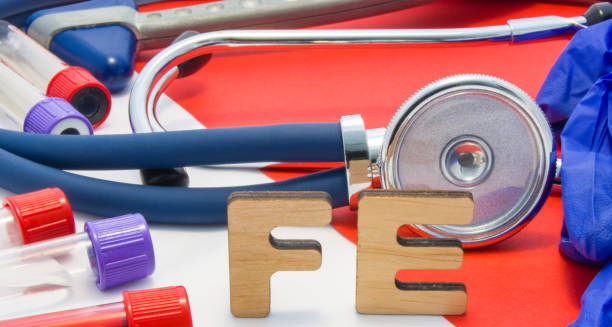
Stethoscope, test tubes, and wooden letters ‘Fe’ symbolising iron in blood tests for anaemia diagnosis

Diagnosis of Iron Deficiency Anaemia

Accurate and timely diagnosis of iron deficiency anaemia is critical for effective treatment and the prevention of long-term complications.Many people do not realise they are anaemic until routine blood tests show a problem. This is because the symptoms are often mild or unclear. Therefore, doctors need to stay alert, especially when patients show signs like tiredness, pale skin, shortness of breath, or changes in thinking or energy levels. Diagnosing iron deficiency anaemia involves a full check-up, blood tests, and finding out what caused the anaemia. It’s important to remember that iron deficiency anaemia is a symptom, not a final diagnosis. Doctors must look for the real reason behind it — whether it’s diet, a disease, or blood loss — to stop it from coming back after treatment. Clinical Checks and Early Testing The first step in diagnosing iron deficiency anaemia is a full health history and physical exam. The doctor will ask about tiredness, dizziness, breathlessness, a racing heart, cold hands or feet, and changes like pale skin, weak nails, or hair loss. In women, menstrual history and pregnancy are also important. The doctor will also check the person’s diet, past illnesses, medicines, and family history. During the physical check, signs such as pale inner eyelids, lips, or nails may be seen. A fast heartbeat, heart murmur, or changes in the tongue or skin may also appear. Still, these signs alone are not enough. Lab tests are needed to confirm the condition. Blood Tests to Confirm Anaemia The complete blood count (CBC) test is key in the diagnosis of iron deficiency anaemia. This test shows: When haemoglobin, MCV, and MCH/MCHC are all low, it usually points to iron deficiency. Still, these results don’t explain why, so further tests are needed. Iron Studies and Other Tests Iron studies help confirm the diagnosis of iron deficiency anaemia and rule out other causes. These include: Together, these tests give a clearer picture of the body’s iron levels. Low ferritin, low serum iron, high TIBC, and low TSAT confirm iron deficiency anaemia in most cases. Additional Tools in Diagnosis of Iron Deficiency Anaemia The reticulocyte count shows how well the bone marrow is making new red blood cells. If iron is very low, this count will also be low. A rise in this number after treatment shows the therapy is working. Looking at blood cells under a microscope (a peripheral smear) also helps. In iron deficiency anaemia, red cells are often smaller, paler, and shaped differently. These signs support the diagnosis, especially when lab results are unclear. Once confirmed, doctors must find out why iron is low. In men, older adults, and women who do not have heavy periods, poor diet alone is unlikely to be the cause. Extra tests may include: When no cause is found, a referral to a specialist may be needed. Special Cases and Populations In babies and children, early diagnosis is vital. Iron deficiency can affect brain development and growth. High-risk infants — such as premature babies or those only breastfed past six months — need regular checks. Pregnant women also need regular iron tests. Their iron needs increase during pregnancy. Monitoring helps keep both the mother and baby healthy. In athletes, especially runners, mild iron loss can occur even without anaemia. Checking iron levels can help boost energy and reduce injury risk. Summary of Diagnosis of Iron Deficiency Anaemia To sum up, diagnosing iron deficiency anaemia means more than spotting low haemoglobin. It involves a full review — checking symptoms, running detailed blood tests, and finding the real cause. Acting early can ease symptoms, stop future problems, and lead to full recovery. With the right tests and a careful plan, doctors can treat this condition successfully and stop it from coming back. [Next: Treatment of Iron Deficiency Anaemia →]

Diagnosis of Iron Deficiency Anaemia Read More »

Iron-rich foods like eggs, dried fruits, oats, and legumes arranged around the symbol 'Fe' for iron

Treatment of Iron Deficiency Anaemia

The treatment of iron deficiency anaemia centres on two primary goals: restoring adequate iron levels in the body and identifying and addressing the underlying cause of the deficiency. To fix the problem for good, doctors need to do more than just add iron. They must also find out what caused the iron levels to drop. Without this, the anaemia could come back. Luckily, this condition is easy to treat and prevent when handled early and in a way that suits each person. Treatment usually includes iron supplements, diet changes, and managing blood loss. In some cases, it may involve medical or surgical care. The exact plan depends on how bad the anaemia is, the person’s age, medical background, and how quickly they need iron levels restored. Oral Iron Supplementation for Iron Deficiency Anaemia The most common and cheapest way to replace iron is by taking iron pills. These usually come in forms like ferrous sulphate, ferrous fumarate, or ferrous gluconate. Ferrous sulphate is the most used. People often take: To get the best results, people should take the tablets: Haemoglobin levels usually start to rise within 2–3 weeks. Full recovery takes about 2–3 months. Even after levels go back to normal, iron tablets should continue for several more months to fill up body stores. Common side effects include: These side effects often improve by adjusting the dose or changing the type of pill. Slow-release tablets may help with stomach issues but don’t absorb as well. Intravenous Iron Therapy Doctors use IV iron when: IV iron types include iron sucrose, ferric carboxymaltose, and iron dextran. These are often given in clinics and raise iron levels in days or weeks. Modern IV iron is safe for most people. Mild reactions, like a warm feeling or dizziness, may happen. Serious allergic reactions are rare but need fast care. Blood Transfusion and Iron Deficiency Anaemia Doctors use blood transfusions when: Transfusions help right away, but they do not fix the iron shortage. People still need iron treatment afterward to stop it from coming back. Treating the Underlying Cause of Iron Deficiency Anaemia To avoid repeat problems, it’s key to find out why iron levels dropped. Just giving iron won’t help for long. Here are common causes and treatments: In many young women, heavy bleeding and not eating enough iron are the main causes. Spotting this helps avoid unnecessary tests. Dietary Management for Iron Deficiency Anaemia Iron from food also helps treat and stop anaemia. People should eat both animal and plant-based iron foods. Foods with haem iron (easier to absorb): Foods with non-haem iron: Non-haem iron is harder to absorb. Eating it with foods high in vitamin C, like oranges or tomatoes, improves uptake. On the other hand, calcium, tea, and some grains block absorption, so they should be eaten at different times. Monitoring and Follow-Up in Iron Deficiency Anaemia After starting treatment, doctors need to check if it’s working. Blood tests usually happen: Once iron levels are steady, people might get tested every 6–12 months. This is more important for those with long-term health issues or a high chance of relapse. Doctors also check how the person feels. They look for signs like more energy, clearer thinking, better stamina, and improved skin and hair. These changes often help people stay motivated and stick to their plan. Iron Deficiency Anaemia Treatment Summary The treatment of iron deficiency anaemia needs more than just adding iron. A full plan must also fix the cause, support healing, and stop it from happening again. With iron tablets or IV therapy, good food, and treatment of the cause, most people get better. They can return to a normal, healthy life. Regular checks and education help keep iron levels steady and avoid serious problems. [Next: Complications of Iron Deficiency Anaemia →]

Treatment of Iron Deficiency Anaemia Read More »

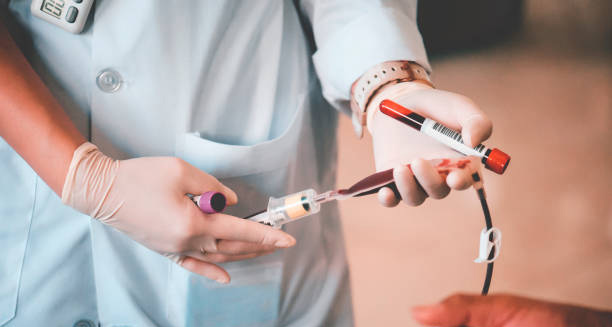
Medical professional holding blood vials and transfusion equipment for anaemia-related treatment

Complications of Iron Deficiency Anaemia

While often overlooked as a simple nutritional shortfall, iron deficiency anaemia can have far-reaching consequences when left untreated. The complications of iron deficiency anaemia can start with mild problems, like tiredness or trouble focusing. But over time, they can become more serious. These include problems with the heart, brain, growth, and immune system. When the body doesn’t get enough oxygen, every part can suffer. That’s why early diagnosis and treatment are so important. How bad the complications get depends on several things. These include how long the anaemia has lasted, how severe it is, and whether doctors treat the root cause. Long-term anaemia can wear the body down, especially in people who already have health problems. Cardiovascular Problems from Anaemia One of the most serious effects of iron deficiency anaemia is its impact on the heart. When red blood cells carry less oxygen, the heart has to work harder to get oxygen to the body. This extra work can cause: If this continues for too long, it may become life-threatening. Treating iron levels early helps prevent damage to the heart. Effects on Thinking and Mood Iron helps the brain grow and function. It helps carry oxygen and build brain chemicals. When iron is low, people may struggle to think clearly or feel good emotionally. In children: In adults: Replacing iron usually helps. But in children, long delays in treatment can lead to lasting effects. Complications of Iron Deficiency Anaemia in Pregnancy Pregnant women need more iron for both themselves and their baby. Without enough, serious problems can happen, such as: Low iron during pregnancy also affects the baby’s brain and body development. That’s why doctors check for anaemia during check-ups and give iron supplements when needed. Weakened Immunity and More Infections The immune system needs iron to work well. Without it, people get sick more often and stay sick longer. This is especially true for children, older adults, and those with weak immune systems. Low iron can cause: In areas with diseases like malaria or TB, complications of iron deficiency anaemia make fighting these infections even harder. Physical Tiredness and Poor Performance One of the first signs of anaemia is constant tiredness. When blood can’t carry enough oxygen, the body slows down. This can cause: People who work physically demanding jobs or play sports may notice slower recovery and more injuries. For some, the tiredness can feel like a long-term illness. Delayed Growth and Development in Kids Children who don’t get enough iron may not grow or develop properly. They may: While most of these problems improve with iron and a healthy diet, some effects may last if the anaemia goes untreated for too long. Skin, Mouth, and Nail Changes Iron helps keep skin, nails, and the inside of the mouth healthy. When iron is low, these parts can show early signs of problems. These include: While these signs aren’t dangerous, they can affect self-esteem. Most improve once iron levels go up. Unusual Cravings and Restless Legs Complications of iron deficiency anaemia can include odd symptoms linked to the brain and nerves. These problems often improve with iron treatment, though some may need extra support. Existing Conditions Get Worse People with long-term illnesses like kidney problems, cancer, or heart failure often get anaemia too. When that happens, their overall health can decline faster. For example: Fixing iron levels helps people handle their other health problems better. Higher Risk of Death and Illness When severe and untreated, anaemia can raise the risk of death. This is most serious in: Sometimes, anaemia is the first sign of a hidden, serious illness like cancer. Delaying treatment makes these conditions harder to find and treat. Summary of Complications of Iron Deficiency Anaemia The complications of iron deficiency anaemia affect nearly every part of the body. They range from tiredness and thinking problems to heart failure, infections, and slow growth in kids. Most of these problems can be prevented or reversed with early testing, the right treatment, and regular follow-ups. Spreading awareness—especially among high-risk groups—is key to lowering the global burden of this preventable health issue. [End of Article – Back to Overview]

Complications of Iron Deficiency Anaemia Read More »

Scroll to Top