Mental Matters

Japanese Encephalitis

Illustration of a man with severe headache and a brain graphic showing inflammation, symbolising Japanese encephalitis

Japanese Encephalitis

Japanese encephalitis is a serious viral brain infection spread by infected mosquitoes. It mainly occurs in Asia and the Western Pacific. Though not well known outside these areas, it is the leading cause of viral encephalitis in Asia, causing thousands of cases each year. The virus responsible, called Japanese encephalitis virus (JEV), belongs to the Flavivirus family, which also includes yellow fever, Zika, and dengue viruses. Japanese encephalitis is a zoonotic disease. This means it naturally cycles between animals and mosquitoes, with humans becoming infected by chance. Most people infected with JEV show no symptoms. However, about 1 in 250 develop severe illness. This usually means inflammation of the brain, called encephalitis, which can cause coma, long-term disability, or death. Children under 15 years old are affected most, especially where vaccination is low. Survivors may suffer lasting problems like learning difficulties, seizures, or paralysis. The virus spreads silently between mosquitoes and animal hosts, mainly pigs and wading birds. These animals do not show illness but carry the virus. Humans get infected when bitten by an infected mosquito but do not spread the virus further. Humans are dead-end hosts. They cannot keep the infection cycle going but can suffer severe effects. In recent years, changes such as more rice farming, pig rearing, and shifting climates have helped the disease spread to wider areas. It now affects parts of Australia, Pakistan, and urban edges of Asia. The World Health Organization (WHO) estimates over 3 billion people live in areas at risk of Japanese encephalitis. Transmission and Reservoirs The main mosquito spreading JEV is Culex tritaeniorhynchus. These mosquitoes breed in still water, common in rice fields and flooded farms. When they bite infected pigs or birds, they pick up the virus. Pigs are important amplifying hosts because they develop high virus levels without becoming sick. This allows mosquitoes to become infected again after biting pigs. Humans do not spread the virus. So, controlling Japanese encephalitis means focusing on mosquitoes, vaccination, and managing contact with animals, not stopping human-to-human spread. Disease Presentation Over 99% of JEV infections cause no symptoms or only mild signs like fever or headache. Severe illness causes acute encephalitis syndrome (AES). Patients may suddenly develop high fever, confusion, seizures, movement problems, and coma. The death rate in symptomatic cases is 20% to 30%. Among survivors, up to 50% may have lasting brain damage. The incubation period is 5 to 15 days. This is the time from infection to symptoms. Without treatment, death can occur within days of symptom start. At-Risk Groups Certain people face higher risks of Japanese encephalitis: Many countries have lowered disease rates with vaccination campaigns. However, millions remain unprotected due to cost, logistics, or politics. Global Impact and Prevention Around 68,000 clinical cases of Japanese encephalitis occur worldwide each year. Most cases happen in India, China, Nepal, Vietnam, and Southeast Asia. Yet, the disease could spread to new areas because of: The good news is that Japanese encephalitis is preventable. A safe, effective vaccine exists and is used in many endemic countries. Other prevention steps include: Importance of Awareness Despite its impact, Japanese encephalitis is often overlooked, especially outside endemic areas. Travellers and health workers may underestimate the risk. Stronger surveillance, public education, and international cooperation are vital to reduce disease spread. Raising awareness about how the virus spreads, its symptoms, and dangers helps protect high-risk groups. Early diagnosis and treatment improve outcomes. Although no specific antiviral exists, supportive care can save lives. [Next: Causes of Japanese Encephalitis →]
Japanese Encephalitis Read More »

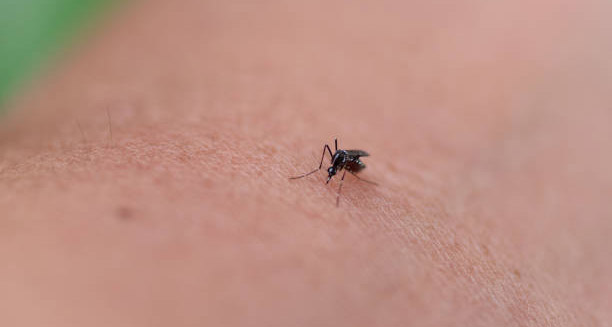
Close-up of a mosquito on human skin, the primary cause of Japanese encephalitis transmission

Causes of Japanese Encephalitis

Japanese encephalitis is caused by the Japanese encephalitis virus (JEV), a single-stranded RNA virus in the Flavivirus genus. This virus is related to dengue, Zika, and yellow fever. While the virus itself causes the disease, several other factors help it spread. These include mosquitoes, animals, human behaviour, and environmental conditions. Unlike infections that spread from person to person, Japanese encephalitis moves through a complex cycle involving animals and mosquitoes. Understanding the causes of Japanese encephalitis means looking at each step in this transmission chain—from the virus itself to the places and behaviours that let it thrive. The Virus: Japanese Encephalitis Virus (JEV) The Japanese encephalitis virus mainly targets the brain. After a mosquito bite, the virus multiplies in nearby tissues and then enters the bloodstream. In most people, the immune system clears it quickly. But in rare cases, the virus crosses into the brain and causes encephalitis—serious inflammation that can lead to death or lasting damage. JEV survives in nature through a zoonotic cycle, meaning it spreads among animals and mosquitoes. Humans are not part of this natural cycle, making them accidental hosts. Mosquitoes: The Main Vectors of Japanese Encephalitis The Culex tritaeniorhynchus mosquito plays the biggest role in spreading JEV. These mosquitoes bite at night and breed in standing water like: Several traits make Culex mosquitoes excellent virus carriers: After biting an infected animal, the mosquito stores the virus in its saliva. When it bites a human, it injects the virus into the bloodstream. Amplifying Hosts: Pigs and Wading Birds Pigs are key amplifiers of Japanese encephalitis. When a mosquito bites an infected pig, the virus multiplies to high levels in the pig’s blood. Other mosquitoes feeding on the same pig can then pick up the virus and spread it again. This is especially risky in rural areas where pigs live near rice fields and homes. Pigs breed fast and are often raised in large groups, increasing the risk of viral spread. Wading birds, such as egrets and herons, are natural virus reservoirs. They help the virus survive between seasons and carry it across long distances. Unlike pigs, birds can fly far and bring JEV into new areas. Humans as Dead-End Hosts Humans can get Japanese encephalitis through a mosquito bite, but they do not spread the virus further. The level of virus in human blood is too low to infect another mosquito. This makes humans “dead-end hosts.” Although humans don’t continue the cycle, the virus can cause serious illness or death in people. Because human infection is accidental, outbreaks depend on the presence of infected mosquitoes and animals—not human-to-human spread. Environmental and Climate Factors The environment plays a major role in the spread of Japanese encephalitis. Key factors include: a. Rainy Season and Standing WaterMosquito numbers increase during and after heavy rains. Flooded fields and stagnant pools become ideal mosquito breeding grounds. Outbreaks often occur in the rainy season. b. Rice FarmingRice paddies hold water for long periods and attract both mosquitoes and pigs. This creates a hotspot for viral transmission. c. Warm Temperatures and High HumidityHot weather speeds up how fast the virus multiplies inside mosquitoes. Humid conditions also help mosquitoes live longer and bite more often. d. Deforestation and Urban ExpansionClearing forests for farms or buildings forces animals, mosquitoes, and people to live closer together. This increases the chance of human exposure to infected mosquitoes or birds. Human Activity and Risk Factors Some daily habits and social issues also raise the risk of Japanese encephalitis, including: Rapid urban growth without good sanitation may also lead to new mosquito habitats, especially in crowded informal settlements. Travel and the Spread Beyond Endemic Areas Travellers visiting affected regions can also get infected. The risk is highest during the rainy season and in rural areas. Farming, camping, or hiking outdoors for long periods increases exposure. Though global spread is rare, migrating birds or mosquitoes could carry JEV to new areas. The World Health Organization advises vaccination for travellers spending a month or more in high-risk areas—or less time if visiting rural zones with known outbreaks. Conclusion The causes of Japanese encephalitis are complex. They involve a virus, mosquitoes, animals, humans, and the environment. Unlike common infections that spread easily between people, this disease needs many steps to keep going. Stopping the spread means breaking this chain. This can be done by: Most importantly, wide access to vaccines and good public health planning can prevent serious outbreaks and save lives. [Next: Symptoms of Japanese Encephalitis →]

Causes of Japanese Encephalitis Read More »

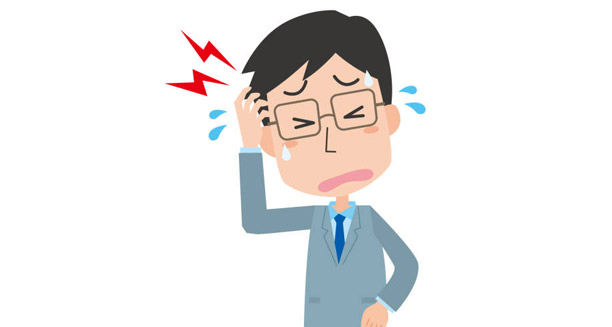
Cartoon of a man sweating and holding his head in pain, indicating symptoms of Japanese encephalitis

Symptoms of Japanese Encephalitis

Japanese encephalitis is a viral brain infection that often presents a deceptive clinical picture, with the majority of infected individuals exhibiting no symptoms at all. In fact, up to 99% of people infected with the Japanese encephalitis virus (JEV) show no symptoms or only mild flu-like signs. But when the virus reaches the brain, symptoms can worsen quickly and become life-threatening. Knowing the symptoms of Japanese encephalitis helps people act early and get medical help in time. The symptoms of Japanese encephalitis range from mild to severe. In some, the disease starts with general signs and quickly turns into a brain infection. The virus can cause seizures, coma, and death if not treated properly. The Incubation Period and Asymptomatic Cases After a mosquito bite, the incubation period lasts 5 to 15 days. During this time, the virus multiplies in the body without causing symptoms. Most people remain unaware of the infection. In some, however, the virus crosses into the brain, leading to clinical illness. In more than 99% of cases, people experience only mild symptoms such as: These mild symptoms often resemble the common flu and usually go away on their own. Still, vulnerable people—especially children and those with weak immune systems—face a higher risk of complications. Prodromal Phase: Early Symptoms of Japanese Encephalitis In the small number of people who develop symptoms, Japanese encephalitis begins with a prodromal phase lasting 2 to 5 days. Early warning signs include: These signs can be mistaken for malaria, dengue, or the flu. However, Japanese encephalitis becomes clearer when neurological signs develop shortly afterward. Acute Encephalitic Phase Once the virus enters the brain, it triggers the acute encephalitic phase. This happens in about 1 in 250 infected people. Symptoms may appear within hours or days after the fever begins. Key signs during this stage include: a. Changes in Mental Status b. Neurological Symptoms Some patients may show Parkinson-like features such as facial stiffness, tremors, or slow movements. c. Speech and Behavior ChangesPeople may speak slowly, mumble, or stop speaking altogether. Children may become aggressive, irritable, or withdrawn. Recovery and Late Symptoms of Japanese Encephalitis If the patient survives the acute phase, symptoms may ease over a few weeks. However, full recovery is rare. Many people live with long-term effects such as: As many as 30–50% of survivors develop permanent disabilities. Recovery often needs months of physical, speech, or mental health therapy. Symptoms in Children vs Adults Children are more likely to show early warning signs such as: Adults may instead display mood changes or confusion first. Sadly, children also face a greater chance of lasting brain damage, especially when treatment is delayed. Unusual Presentations of Japanese Encephalitis Some people may have rare or unexpected symptoms, which can delay diagnosis. These include: Doctors in high-risk areas must stay alert to these rare forms—especially during mosquito season. Why Knowing the Symptoms of Japanese Encephalitis Matters There is no specific medicine to cure Japanese encephalitis. Treatment focuses on easing symptoms and preventing complications. This is why recognising early signs—especially neurological ones—is so important. Prompt medical care can save lives and limit brain damage. Raising awareness also helps. Families should know that symptoms like fever with confusion, seizures, or stiff neck mean urgent care is needed—especially in young children. Conclusion The symptoms of Japanese encephalitis range from mild or invisible to sudden and severe brain inflammation. Understanding this range helps with early detection and life-saving care. In areas where the disease is common, doctors should always consider Japanese encephalitis when patients show signs of brain infection—especially during mosquito season. Education, fast action, and vaccines are key to reducing the harm caused by this serious but preventable illness. [Next: Diagnosis of Japanese Encephalitis →]

Symptoms of Japanese Encephalitis Read More »

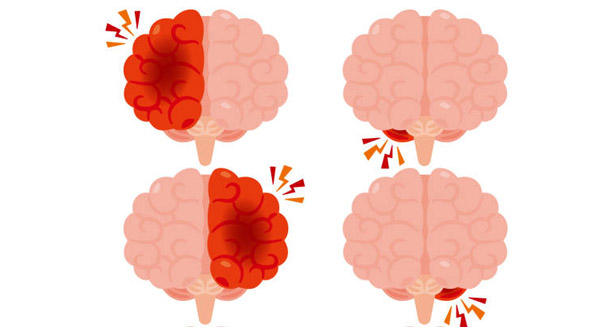
Illustration of four brains showing areas of inflammation, used to depict diagnosis of Japanese encephalitis

Diagnosis of Japanese Encephalitis

Japanese encephalitis is a challenging condition to diagnose, especially in its early stages when symptoms are vague and often resemble other common infections. As a viral disease that targets the brain, it needs quick and accurate diagnosis. This can help improve outcomes and reduce the risk of long-term brain damage. Doctors rely on clinical signs, a history of exposure, and lab tests to identify the virus. Diagnosis can be complex, especially in areas with limited resources. But early detection is vital for patient care and public health planning. There is no cure for Japanese encephalitis. So, the main goal of diagnosis is to confirm the illness, rule out similar diseases, and begin supportive treatment. It also helps track outbreaks and guide vaccine efforts in high-risk areas. Clinical Symptoms and Early Clues The first step in diagnosing Japanese encephalitis is a thorough clinical check. Doctors assess the patient’s symptoms, such as high fever, headache, confusion, seizures, and nerve problems. These signs often get worse over a few days. If coma or paralysis sets in, doctors suspect a serious brain infection. However, many other illnesses can look similar. Malaria, meningitis, and other viral infections can cause the same symptoms. So, Japanese encephalitis is usually a diagnosis of exclusion, especially in regions with many infectious diseases. A recent stay in rural or mosquito-prone areas can provide a strong clue. In children, sudden seizures and confusion without injury should raise concern. Role of Exposure and Travel History Doctors must review the patient’s exposure history to assess the risk of infection. These questions are key: These details help doctors decide whether testing is needed. In areas where the virus is common, all unexplained brain infections should be checked for Japanese encephalitis—especially in people who are unvaccinated. Testing for Japanese Encephalitis Lab tests are essential for diagnosis. The most used test is called MAC-ELISA, which looks for IgM antibodies in the blood or spinal fluid. These antibodies appear 4–8 days after symptoms begin and peak in the second week. MAC-ELISA is: But it also has limits: So, test results must be considered along with clinical signs and exposure history. Other Tests and Imaging PCR testing can detect the virus’s genetic material in blood or spinal fluid. It works best early in the illness, before symptoms of brain infection appear. PCR is accurate but costly and often only found in research labs or major cities. Doctors may also perform a lumbar puncture to check the spinal fluid. Common findings include: Though these results are not specific, they support the diagnosis if JEV antibodies or RNA are present. Brain scans can also help. MRI often shows damage in areas like the thalamus, brainstem, or basal ganglia. CT scans may show swelling or localized damage. While not diagnostic, imaging helps rule out other diseases and supports clinical suspicion. Excluding Other Illnesses Many diseases mimic Japanese encephalitis. Doctors must rule out: Comparing symptoms, lab data, and exposure helps doctors avoid misdiagnosis. Reporting and Public Health Impact Japanese encephalitis is often a notifiable disease. Confirmed cases must be reported to health authorities. This helps: Public health labs confirm diagnoses and gather data to prevent future infections. Conclusion The diagnosis of Japanese encephalitis depends on careful evaluation of symptoms, history, and lab tests. Because the early signs are vague, doctors must stay alert—especially in unvaccinated patients returning from high-risk areas. While tests like MAC-ELISA or PCR are key, the full picture—including brain scans and spinal fluid analysis—is essential. In areas with few resources, clinical signs and exposure history often guide the diagnosis. Finding the illness early helps not only the patient but the wider community. Accurate and fast diagnosis supports public health goals, slows outbreaks, and strengthens vaccine efforts against this severe yet preventable disease. [Next: Treatment of Japanese Encephalitis →]

Diagnosis of Japanese Encephalitis Read More »

Close-up of vaccine vials and syringe labeled Japanese Encephalitis for treatment and prevention

Treatment of Japanese Encephalitis

Japanese encephalitis is a potentially life-threatening condition caused by the Japanese encephalitis virus (JEV), which is transmitted by mosquitoes. While most cases are asymptomatic, a small number develop severe neurological disease that needs urgent medical attention. Since there is no specific antiviral drug for this illness, the treatment of Japanese encephalitis focuses on supportive care. The aim is to manage symptoms, avoid complications, and help the patient recover. Quick action increases the chances of survival and lowers the risk of long-term damage. In areas where the virus spreads often, treatment of Japanese encephalitis also helps reduce death rates and ease pressure on hospitals. Knowing what treatment options exist for both the early and recovery phases helps doctors, families, and decision-makers plan better. Hospital Support is Key to the Treatment of Japanese Encephalitis Because a virus causes Japanese encephalitis, antibiotics do not work. So far, no antiviral drug has shown consistent success in trials. This makes supportive hospital care the main method of treatment. Doctors monitor vital signs, manage each symptom, and work to stop new problems from appearing. a. First Steps to Stabilise the Patient Care begins with keeping the airway, breathing, and blood flow stable. Many patients need: b. Monitoring Brain Health The virus can cause swelling in the brain. So, doctors watch for: If brain pressure rises, staff may raise the bed head, use diuretics like mannitol, or start a breathing machine to ease the load on the brain. Seizure Control and Managing Unconsciousness Seizures often happen, especially in children. Treating them fast protects the brain. a. First-Line Seizure Treatment Doctors use diazepam or lorazepam right away. If that fails, they may give phenytoin, valproic acid, or phenobarbital. b. Long-Term Seizure Plans Some people develop long-term epilepsy after the illness. These patients may need daily seizure medicine. A neurologist usually guides this, using EEG scans as needed. For patients who fall into a coma, care gets more complex. They may need: Nurses also work to stop pressure sores, blood clots, and infections. Broader Recovery in the Treatment of Japanese Encephalitis Some people face movement issues like tremors or rigid muscles. Paralysis may also appear. Though no drug reverses these directly, some treatments help reduce symptoms: Recovery varies, but early rehab usually helps. Fever and vomiting often cause weight loss and low fluids. So, doctors focus on keeping energy and water levels stable: Rehabilitation and Future Care Even when patients recover physically, many still struggle with thinking or mood. Problems may include memory loss, speech trouble, or depression. So, a full rehab plan includes: The treatment of Japanese encephalitis also requires planning for life after hospital. Before sending patients home, doctors check their physical, mental, and emotional state. They build a custom care plan, which may include: New Drugs and Public Health Support Doctors continue to study medicines like ribavirin, interferon-alpha, minocycline, and IVIG. However, none are yet part of standard care. In poor regions, hospitals may not have machines or ICU beds. Here, basic care is vital. Community health workers help by: Public health teams also work after diagnosis to stop more infections. They may: These steps help reduce future outbreaks and save lives. Final Thoughts on the Treatment of Japanese Encephalitis The treatment of Japanese encephalitis focuses on support and symptom control. There is no cure yet, but good hospital care, seizure control, and rehab can greatly improve outcomes. Quick action and complete rehab help many regain function and live independently. At the same time, public health efforts are just as important. Fighting mosquitoes and increasing vaccination can reduce the spread of the virus, especially where hospitals lack resources. As travel grows and climates change, the treatment of Japanese encephalitis must remain a public health priority. [Next: Complications of Japanese Encephalitis →]

Treatment of Japanese Encephalitis Read More »

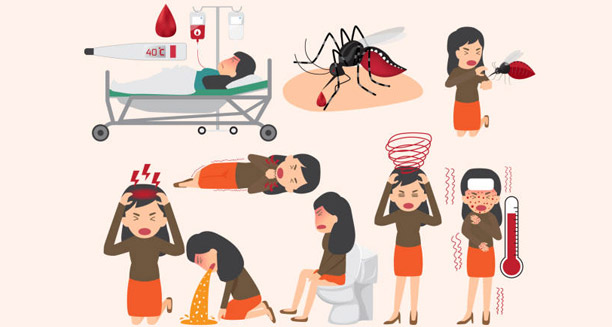
Illustration showing complications of Japanese Encephalitis including fever, vomiting, seizures, and neurological symptoms

Complications of Japanese Encephalitis

Japanese encephalitis is a serious neuroinvasive disease that can lead to a broad spectrum of complications, especially in individuals who develop severe encephalitic illness. Although most people infected with the virus do not show symptoms, those who do often face grave outcomes. About 20–30% of symptomatic cases result in death, while 30–50% of survivors live with long-term disabilities. These statistics show just how devastating the complications of Japanese encephalitis can be for patients and healthcare systems alike. The effects of this mosquito-borne illness do not end with the initial infection. Many survivors face ongoing issues that impact their brain, mood, and ability to function daily. In young children, these effects can slow growth, school progress, and overall well-being. Learning about these complications helps doctors, families, and health planners prepare better care and support. Neurological Effects in the Complications of Japanese Encephalitis The most common complications of Japanese encephalitis involve the nervous system. The virus inflames parts of the brain like the thalamus, brainstem, basal ganglia, and spinal cord. When these areas are damaged, patients can develop serious neurological problems. Motor Problems:Many survivors have trouble moving. They may experience: These issues can make walking or self-care difficult. Some people need physiotherapy for life or devices like crutches or wheelchairs. Seizures and Epilepsy:Seizures are another common issue. Patients may have: Treatment includes anti-seizure medication and regular check-ups with a neurologist. Cranial Nerve Issues:If the virus affects cranial nerves, it can lead to: These complications often require speech therapy or even surgery. Cognitive and Psychological Complications of Japanese Encephalitis Another group of complications of Japanese encephalitis involves mental functions. Damage to the brain can impair thinking and learning, especially in children. Cognitive Challenges:Survivors might face: In children, these issues often lead to poor school performance. Adults may find it hard to return to work, especially if their job involves planning or decision-making. Emotional and Behavioural Changes:The illness and its effects can also impact mood and behaviour. Survivors may develop: These symptoms often need therapy, medication, or both. Support for families is also important, as caregivers can struggle to manage behavioural changes at home. Senses, Speech, and Development in Japanese Encephalitis Survivors Speech and Swallowing Problems:Damage to the brain’s speech centres or throat muscles may cause: Speech therapy helps many children and adults improve these skills. Some may need communication devices. Hearing and Vision Loss:A few survivors lose hearing or vision. This might be due to nerve damage or brain processing issues. They may experience: Hearing aids or glasses often help. It’s vital to test these senses during recovery, especially in school-aged children. Fatigue and Sleep Problems:Even after recovery, many people feel tired or struggle to sleep. This may result from: Managing sleep and energy levels includes lifestyle changes and, in some cases, medication. Broader Effects and Prevention of Japanese Encephalitis Complications Delayed Development in Children:Young children who survive may experience delays in: They benefit from early screening and tailored care. A team of doctors, therapists, and educators can help improve outcomes. Impact on Families and Finances:Families often face high emotional and financial costs. Ongoing care for a disabled child or adult can lead to: Support like financial aid, caregiver training, and respite care can ease the burden. Risk of Death:About one in three severe cases results in death. Death often happens within the first week due to: In very severe cases, palliative care can help keep the patient comfortable. Families also need support through grief and loss. Prevention and Early Action:Many complications of Japanese encephalitis can be reduced by: Ongoing care includes regular check-ups, therapy, school or job support, and counselling. Outlook for Survivors of Japanese Encephalitis The complications of Japanese encephalitis are serious and long-lasting. From physical and mental issues to emotional and financial struggles, the effects can touch every part of life. But with early care and proper support, many survivors improve. Raising awareness, boosting access to care, and strengthening public health efforts—especially in high-risk areas—can help reduce the damage this illness causes. Vaccination, mosquito control, and health education remain the most powerful tools to prevent these life-changing complications. [End of Article – Back to Overview]

Complications of Japanese Encephalitis Read More »

Scroll to Top