Mental Matters

Jellyfish Stings

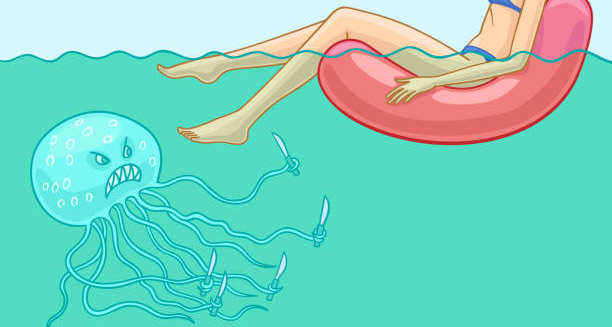
Cartoon jellyfish attacking a swimmer with stingers, symbolising jellyfish stings in water

Overview of Jellyfish Stings

Jellyfish stings are a common marine injury that can range from mildly irritating to potentially life-threatening, depending on the species involved and the individual’s reaction. Every year, thousands of people across the globe experience jellyfish stings while swimming, diving, or walking along coastal shorelines. Although often associated with tropical or subtropical waters, jellyfish inhabit nearly all the world’s oceans, making encounters possible in diverse climates and regions.Therefore, understanding the nature of jellyfish, how they sting, and what signs to look for is essential for preventing injury and ensuring prompt treatment. This comprehensive overview explores the biology of jellyfish, the mechanism of their sting, who is most at risk, and how these incidents are viewed from a public health perspective. 1. What Is a Jellyfish Sting? A jellyfish sting occurs when the tentacles of the jellyfish come into contact with the skin, releasing venom from thousands of microscopic stinging cells called cnidocytes. These cells contain specialised organelles known as nematocysts, which discharge harpoon-like structures that inject toxins into the skin and underlying tissues.As a result, a burning or stinging sensation occurs, which may be accompanied by redness, swelling, welts, or, in severe cases, systemic symptoms such as difficulty breathing, chest pain, or loss of consciousness. Not all jellyfish species are dangerous to humans; however, a few, including the box jellyfish (Chironex fleckeri) and Portuguese man o’ war (Physalia physalis), can be fatal if not treated quickly. 2. The Biology of Jellyfish Jellyfish are free-swimming marine animals from the phylum Cnidaria, a group that also includes corals and sea anemones. Their bodies are composed of 95% water and are distinguished by a gelatinous bell-shaped dome with long, trailing tentacles. These tentacles are where the stinging cells are concentrated.There are thousands of jellyfish species globally, varying in size, shape, colour, and potency of venom. Some are tiny and virtually invisible in water, while others are large and strikingly luminous. Despite their beauty, they can pose real danger to swimmers and divers.Importantly, jellyfish do not sting out of aggression; instead, the sting is a reflexive defence mechanism triggered by physical contact. The venom’s primary purpose is to immobilise prey such as small fish or plankton, but it reacts just as effectively with human skin. 3. Global Prevalence and Risk Jellyfish stings occur worldwide but are especially common in coastal regions of Australia, Southeast Asia, the Gulf of Mexico, the Mediterranean, and parts of the Indian Ocean. In many countries, beachgoers are warned about jellyfish seasons, which correspond with periods of population surges known as blooms.These blooms can result from rising sea temperatures, ocean currents, or changes in fish populations that affect jellyfish prey availability. With global warming and increased human interaction with marine environments, experts suggest that jellyfish encounters are becoming more frequent.Therefore, tourists, water sports enthusiasts, fishermen, and even children paddling in shallow surf are at risk. The use of wetsuits, protective footwear, and awareness of regional marine life is crucial in reducing exposure. 4. Severity and Variability of Reactions The severity of a jellyfish sting depends on several factors: 5. Public Health and Emergency Response From a public health perspective, jellyfish stings are considered a significant marine hazard in many parts of the world. For example, in Australia, national health authorities maintain sting databases and issue regular alerts during jellyfish seasons. Lifeguards are trained in sting identification and response, and warning signs or flag systems are common on affected beaches.However, in more remote or poorly resourced areas, lack of awareness and medical access can result in higher mortality or complications from stings. Education campaigns, beach patrols, and first aid stations play an important role in reducing the health burden.Tourism boards often provide information on jellyfish hazards and how to respond. Wearing stinger suits, avoiding swimming at dawn or dusk, and adhering to local guidance are encouraged. 6. Psychological and Social Impact Beyond the immediate medical concerns, jellyfish stings can have lasting psychological effects. Victims of severe stings may experience trauma, anxiety about returning to the water, or even post-traumatic stress disorder (PTSD) in extreme cases. Parents may become overly cautious or fearful about letting children play in the sea.Moreover, there is also a broader social and economic impact. Popular beaches may experience temporary closures during bloom periods, affecting tourism revenue and local businesses. Communities that rely on the sea for recreation or livelihood can be deeply affected by recurrent jellyfish incidents. 7. Importance of Awareness and Prevention Perhaps the most effective strategy against jellyfish stings is prevention. Swimmers can take simple steps such as: Conclusion Jellyfish stings are a widespread and often underestimated marine health issue that can cause anything from mild skin irritation to life-threatening complications. As global travel and climate patterns change, the frequency and reach of jellyfish encounters may continue to grow.Therefore, awareness, prevention, and early intervention are the cornerstones of effective management. Whether you are a casual beachgoer or a seasoned diver, understanding the risks posed by jellyfish and how to respond appropriately is vital for staying safe in the sea. [Next: Causes of Jellyfish Stings →]

Overview of Jellyfish Stings Read More »

Barefoot person stepping near a jellyfish on the beach, illustrating the risk of jellyfish stings

Causes of Jellyfish Stings

Jellyfish stings occur when the tentacles of a jellyfish make contact with human skin, releasing venom from specialised stinging cells called cnidocytes. Although these encounters may seem accidental, a combination of biological, environmental, and human-related factors contributes to the likelihood of such incidents. Therefore, understanding the root causes of jellyfish stings is crucial in developing strategies for prevention and improving safety for swimmers, divers, and coastal communities.This section explores the biological mechanics behind the sting, the species-specific characteristics that make some jellyfish more dangerous than others, and the ecological and human behaviours that increase the risk of contact. 1. The Biological Mechanism of the Sting At the core of every jellyfish sting lies an extraordinary biological structure known as the cnidocyte, a unique type of cell that functions as a microscopic harpoon. Each cnidocyte contains a capsule, the nematocyst, which, when triggered by contact or chemical signals, explosively releases a coiled filament capable of piercing skin and injecting venom. 2. Species and Toxicity Not all jellyfish are created equal when it comes to their stinging power. Indeed, some possess venom that causes only mild irritation, while others produce neurotoxins and cardiotoxins potent enough to be lethal. 3. Environmental and Oceanic Conditions Ecological and oceanographic conditions can significantly increase the presence of jellyfish near human activity zones. 4. Increased Human Interaction with Marine Environments Another major cause of jellyfish stings is simply the rising number of people who come into contact with jellyfish habitats. 5. Seasonal Blooms and Reproduction Cycles Jellyfish have complex life cycles involving both sexual and asexual reproduction. During certain months—often in summer or early autumn—jellyfish undergo seasonal blooms, releasing large numbers of medusae (the adult, stinging form) into the ocean. 6. Misidentification and Accidental Contact Many jellyfish are transparent or faintly coloured, making them difficult to spot in the water. Others have long, drifting tentacles that may extend several metres from the body. Therefore, a swimmer may brush against a jellyfish without ever seeing it. 7. Lack of Protective Measures In many regions, people enter the sea without any form of protection. Thin swimsuits, bare skin, and uncovered feet offer no defence against stings. 8. Neglected First Aid Protocols While not a direct cause, improper handling of jellyfish stings can exacerbate the effects or cause secondary injuries. Common mistakes include: Conclusion The causes of jellyfish stings are diverse, rooted in both nature and human activity. From the jellyfish’s evolutionary adaptations and reproductive cycles to environmental shifts and human encroachment on marine habitats, multiple factors increase the likelihood of stings.By knowing which species are present, understanding when and where stings are most likely to occur, and taking practical precautions, people can significantly reduce the risk. Given that climate change and global travel continue to bring humans and jellyfish into closer proximity, education and proactive measures have never been more important. [Next: Symptoms of Jellyfish Stings →]

Causes of Jellyfish Stings Read More »

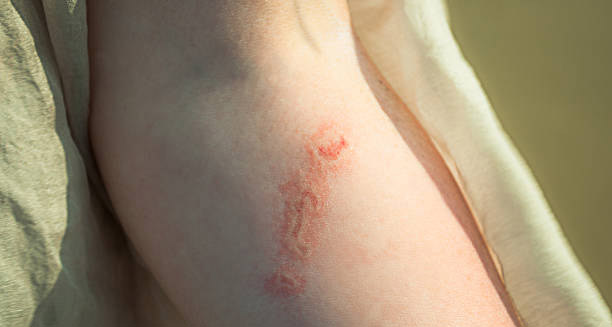
Close-up of a jellyfish sting mark on a person's arm with red, inflamed skin

Symptoms of Jellyfish Stings

Jellyfish stings can result in a wide range of symptoms, from mild skin irritation to life-threatening systemic reactions, depending on several factors including the species of jellyfish, the amount of venom injected, and the individual’s response. Because jellyfish are found in virtually all oceans and seas, and because their appearances can vary so widely, it is therefore critical for individuals who frequent coastal environments to understand the various symptoms of jellyfish stings, how they present, and when they signal a medical emergency.In this section, we explore the localized symptoms that most people will experience, as well as the more serious systemic effects that can occur. By understanding the early signs of a sting, one can ensure timely intervention and reduce the risk of complications. 1. Immediate Local Skin Reactions The most common and immediate symptom of jellyfish stings is a sharp, burning, or stinging pain at the site of contact. This pain is often compared to the feeling of being whipped or burned. Typically, the pain begins within minutes and can last for several hours or even days, depending on the venom’s potency and the extent of exposure. 2. Pain and Discomfort Pain is the hallmark symptom of jellyfish stings, and its severity can range from mild irritation to intense, debilitating agony. Initially, the pain is often localized but can spread if venom enters the bloodstream or affects nearby nerve endings. 3. Allergic Reactions and Sensitivities Some individuals develop allergic or hypersensitivity reactions to jellyfish venom, even if the sting itself is relatively minor. These reactions can be unpredictable and may appear within minutes or hours after the sting. 4. Systemic Effects from Highly Venomous Species While most jellyfish stings affect only the skin, certain species release venom that can impact the entire body. These systemic symptoms are more common in tropical or subtropical waters and should always be treated as medical emergencies. 5. Neurological and Psychological Symptoms Though less common, jellyfish stings may also trigger neurological and psychological effects, particularly when venom interacts with the central nervous system or causes intense stress. 6. Delayed or Secondary Symptoms Not all symptoms appear immediately. In some cases, individuals develop secondary infections, delayed allergic reactions, or post-inflammatory skin conditions days or weeks after the sting. 7. Pediatric Symptoms Children are particularly vulnerable to jellyfish stings due to their smaller body mass and thinner skin. Consequently, their symptoms may be more intense and can progress quickly. Conclusion The symptoms of jellyfish stings can be wide-ranging, from mild skin irritation and localized pain to life-threatening systemic complications. Therefore, recognizing the full spectrum of symptoms is essential for determining whether immediate first aid is sufficient or if emergency care is required.Swimmers, divers, and coastal travelers should educate themselves about local jellyfish species and remain vigilant in and around water. With early recognition and timely intervention, the majority of jellyfish stings can be effectively managed, minimizing both physical and emotional distress. [Next: Diagnosis of Jellyfish Stings →]

Symptoms of Jellyfish Stings Read More »

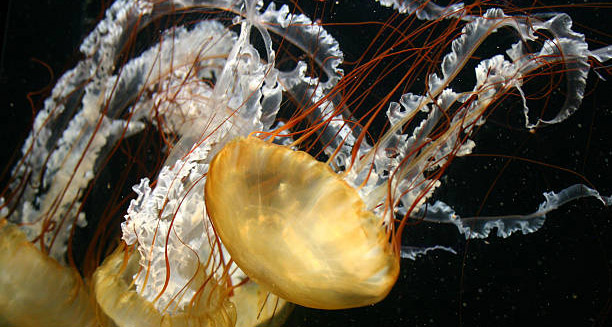
Close-up of jellyfish with long tentacles, the source of venomous stings requiring medical diagnosis

Diagnosis of Jellyfish Stings

Accurate and timely diagnosis of jellyfish stings is crucial to guide appropriate treatment, especially when systemic symptoms develop or venomous species are involved. Although many mild stings resolve spontaneously, some require urgent medical care to prevent complications. Therefore, diagnosis relies on a combination of patient history, physical examination, symptom assessment, and occasionally diagnostic tests. 1. Initial Clinical Assessment Diagnosis begins with a thorough clinical evaluation: 2. Identification of the Jellyfish Species While it is not always possible, knowing the species helps anticipate clinical course and treatment: Thus, when the location is known for dangerous species, clinicians assume the worst-case scenario until proven otherwise. 3. Symptom-Based Classification Symptoms guide severity assessment and treatment urgency: 4. Use of Diagnostic Tools in Severe Cases Although diagnosis is mainly clinical, additional tests help in complicated or systemic cases: 5. Differential Diagnosis Moreover, clinicians must rule out conditions mimicking jellyfish stings: 6. Infection and Secondary Complications Furthermore, delayed treatment or wound contamination may cause infection: 7. Special Considerations for Children and Vulnerable Groups In addition, special care is required for: Conclusion In summary, diagnosing jellyfish stings relies on detailed history, physical exam, and symptom evaluation. While most cases are straightforward, severe envenomations require rapid, informed assessment. Consequently, awareness of local jellyfish species and recognition of serious symptoms help ensure timely, effective treatment. Ultimately, early diagnosis is the first step in preventing complications and improving patient outcomes. [Next: Treatment of Jellyfish Stings →]

Diagnosis of Jellyfish Stings Read More »

Vinegar station near the ocean with a jellyfish warning symbol for sting treatment

Treatment of Jellyfish Stings

Jellyfish stings range from mild skin irritation to severe, life-threatening reactions depending on the species and the person’s response. Effective treatment aims to reduce pain, neutralize venom, prevent further injury, and manage systemic symptoms. This section covers evidence-based first aid and medical interventions, with special notes on dangerous species and vulnerable groups such as children and allergy sufferers. 1. Immediate First Aid Quick, correct first aid can limit venom effects and ease symptoms: 2. Pain Management Pain from stings can be intense but manageable: 3. Systemic Treatment for Severe Stings Venom from some jellyfish affects vital systems and requires urgent medical care: 4. Managing Allergic and Anaphylactic Reactions Severe allergies require immediate action: 5. Antibiotics and Wound Care To prevent or treat infection from sting wounds: 6. Aftercare and Recovery Healing times vary: 7. Special Considerations 8. Prevention as Part of Treatment Preventing future stings is vital: Conclusion Jellyfish sting treatment ranges from simple first aid to life-saving hospital care. Immediate vinegar application and safe tentacle removal are crucial. Severe stings require specialized therapies and emergency support. With proper care, most recover fully without lasting effects. Knowing first aid, recognizing when to seek help, and practicing prevention are key to staying safe in jellyfish habitats. [Next: Complications of Jellyfish Stings →]

Treatment of Jellyfish Stings Read More »

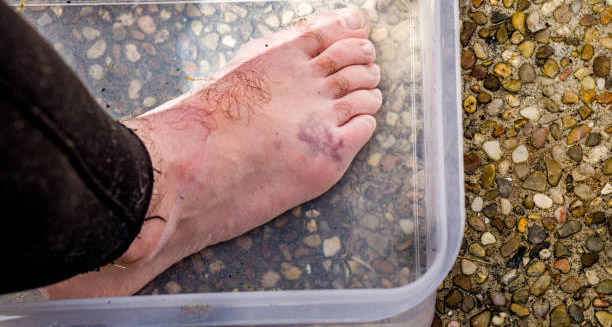
Injured foot with jellyfish sting complications submerged in water showing bruising and inflammation

Complications of Jellyfish Stings

Many jellyfish stings are mild and heal quickly with little treatment. However, some stings can cause serious, even life-threatening complications. The risk depends on the jellyfish species, the amount of venom injected, the victim’s health, and how quickly and properly first aid and medical care are given. Sometimes, stings that seem minor at first can lead to long-term problems if not managed well. Understanding these complications is important for quick recognition, effective treatment, patient education, and ongoing care. Below is an overview of common and rare issues that may arise from jellyfish envenomation. 1. Allergic Reactions and Anaphylaxis Allergic responses range from mild to severe: 2. Skin Complications Skin issues are common after stings: 3. Cardiovascular Complications Certain jellyfish venoms affect the heart and circulation: 4. Neurological Complications Neurological symptoms are less common but serious: 5. Muscular and Renal Complications Venom can damage muscles and kidneys: 6. Respiratory Complications Breathing issues may develop from allergic reactions or systemic venom effects: 7. Delayed and Long-Term Complications Problems may persist or appear after the sting heals: 8. Risks in Children and Older Adults Young and elderly people face higher risks: Conclusion While most jellyfish stings heal without serious effects, complications can range from mild skin problems to deadly cardiovascular events. The risk depends on many factors, including the jellyfish species, venom amount, speed of first aid, and patient health. Careful monitoring in both early and late phases after a sting is essential. Quick treatment, follow-up, and public education reduce the risk of long-term harm. Prevention, correct first aid, and easy access to emergency care are key to safety in jellyfish habitats. [Next: Back to Overview →]

Complications of Jellyfish Stings Read More »

Scroll to Top