Mental Matters

Kawasaki Disease

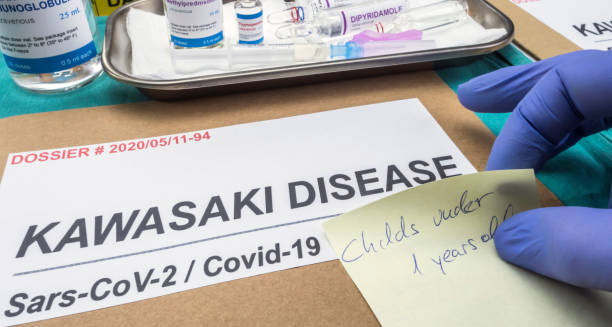
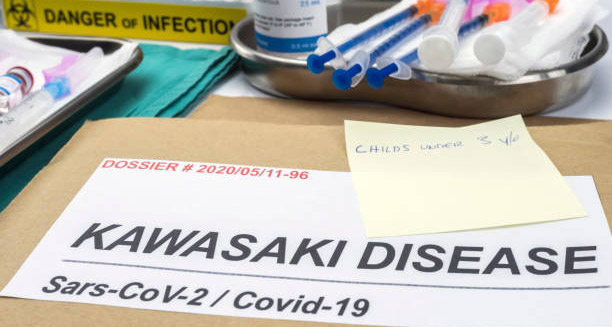
Medical dossier labelled Kawasaki Disease linked to Covid-19 with treatment vials and handwritten note

Overview of Kawasaki Disease

Kawasaki disease is a rare but serious condition that primarily affects children under the age of five. It causes swelling in blood vessels throughout the body. Doctors call this vasculitis. No one knows the exact cause yet, but the effects can be very serious—especially for the heart. If doctors don’t find and treat Kawasaki disease quickly, it can lead to heart problems. These include inflamed heart muscles, artery swelling, and even heart attacks in young children. Thankfully, with proper treatment, most children recover fully. Still, it remains one of the top causes of acquired heart disease in children living in developed countries. The illness usually develops in phases. It starts with a lasting fever and includes symptoms like a rash, red eyes, swollen hands and feet, cracked lips, and a red, bumpy tongue. These signs look like many common viral infections, which makes it hard to spot in the early days. That’s why knowing the signs and acting quickly are key to preventing long-term problems. 1. Epidemiology and Demographics Kawasaki disease mostly affects children between six months and five years old. It is seen more often in boys than girls. Children with East Asian backgrounds—especially from Japan—have the highest rates. However, the disease can appear in all parts of the world, including North America, Europe, and Africa. In some places, more cases happen during winter and early spring. This seasonal pattern may hint at a trigger. Even so, Kawasaki disease is not contagious. It cannot spread from one child to another. 2. Clinical Presentation and Stages Kawasaki disease moves through three main stages. a) Acute Phase (Weeks 1–2):This stage starts with a high fever over 39°C that lasts more than five days. Other key signs include: The child may seem very cranky and may have belly pain or sore joints. b) Subacute Phase (Weeks 2–4):Once the fever goes away, other problems become more visible. These may include: During this time, the risk of heart problems grows. So, close monitoring is very important. c) Convalescent Phase (Weeks 4–6):In this stage, most symptoms begin to fade. The child starts to feel better and gains energy. Blood test results slowly return to normal. But the blood vessels may still be healing. That’s why regular check-ups are still needed during this time. 3. Aetiology and Risk Factors Doctors still don’t know the exact overview of Kawasaki disease and its cause. Most believe the immune system overreacts to an infection. This infection could be from a virus or bacteria. Children with certain genes may respond too strongly, leading to swelling and fever. There may not be just one germ to blame. Instead, many common germs could be involved in triggering the immune system in certain children. Risk factors include: Even with these factors, not every child exposed to a germ will develop the disease. 4. Prognosis and Outcomes With fast treatment, most children recover fully in six to eight weeks. The outlook is very good. But if Kawasaki disease is not treated, about one in four children may have heart problems. These may include: To prevent these, doctors aim to start treatment within the first 10 days of fever. Children who develop heart problems may need care for the rest of their lives. 5. Differential Diagnosis At first, Kawasaki disease may look like other common illnesses in children. This makes it harder to identify. Other conditions that may look similar include: What makes Kawasaki disease stand out is a lasting fever plus four or more of the five main signs. These include the red tongue, cracked lips, rash, red eyes, and swollen hands or feet. If a child shows these signs and does not improve with fever medicine or antibiotics, doctors should consider Kawasaki disease right away. 6. Impact on Families and Healthcare Systems Having a child with Kawasaki disease can be scary and overwhelming. The symptoms appear suddenly and can be severe. Many families need to visit hospitals often. Long-term heart monitoring may also be needed. This puts emotional and financial strain on families. Because Kawasaki disease is rare, some doctors may not know the latest ways to diagnose or treat it. This can lead to delays in care. Healthcare systems need to stay informed. It is vital to train healthcare workers, even in places where the disease is not common. Quick access to blood tests, heart scans, and treatments like IVIG (intravenous immunoglobulin) is key to avoiding serious problems. Final Thoughts on the Overview of Kawasaki Disease Overview of Kawasaki disease shows us that this illness is a medical emergency. It needs to be caught early and treated right away. Even though the exact cause is still unclear, the way the disease is handled makes a big difference in how children recover. Most children do very well if they get IVIG therapy early and have their hearts monitored. But a delay in finding and treating it can lead to lasting damage. By raising awareness, more children can get help in time. Parents, doctors, and caregivers must stay alert to the warning signs—especially a lasting fever in a young child. Quick action can save lives and protect hearts. [Next: Causes of Kawasaki Disease →]
Overview of Kawasaki Disease Read More »

Medical folder labelled Kawasaki Disease with syringes and infection warning in a clinical setting

Causes of Kawasaki Disease

Understanding the causes of Kawasaki disease remains one of the most complex and elusive areas of modern paediatric medicine. Even though Kawasaki disease is well-known as an inflammatory illness, its exact cause is still unknown. What we do know is that several factors likely play a role. These include genes, infections, environmental triggers, and immune system responses. Because of this, it’s hard to find a single cause. Still, ongoing research continues to explore the most likely sources of this serious childhood condition. Doctors have searched for answers since Dr Tomisaku Kawasaki first described the illness in 1967. Over the years, many studies have suggested that the disease may result from an abnormal immune reaction. This response likely starts after a common infection or exposure to something in the environment, especially in children who are more vulnerable due to their genetics. 1. Infectious Triggers: The Leading Theory One of the strongest theories is that an unknown infection may trigger the disease. This is because many signs of Kawasaki disease are similar to common infections—like fever, swollen glands, and skin rashes. Also, more cases happen in winter and early spring. This seasonal pattern makes infection a likely cause. Experts have studied several possible germs: So far, no single virus or bacteria has been found in all cases. But many researchers believe a common, harmless germ may cause an extreme immune reaction in children with a genetic risk. 2. Genetic Susceptibility Genetics also play an important role. Kawasaki disease is more common in children from East Asian backgrounds, especially Japanese, Korean, and Chinese families—even if they live in other countries. Certain genes may make a child more likely to get the disease. These include: However, having these genes alone is not enough. The child still needs to be exposed to something—like an infection or environmental trigger—to develop Kawasaki disease. 3. Immune System Overreaction Kawasaki disease causes strong inflammation in many parts of the body. Blood vessels, especially the ones around the heart, are often affected. If not treated, this can cause serious heart problems. During the illness, the body’s immune cells become overactive. These cells release substances called cytokines, such as IL-6, TNF-alpha, and IL-1 beta. These chemicals cause the inflammation that leads to tissue damage. While the trigger might be an infection, the immune system reacts much more than it should. That’s why many experts see Kawasaki disease as a temporary autoimmune condition—where the body attacks itself. Thankfully, this immune reaction usually settles after treatment with IVIG (intravenous immunoglobulin). Most children’s immune systems go back to normal within a few weeks. 4. Environmental Factors Some researchers believe the environment may also play a part in Kawasaki disease. Although the evidence is still weak, several possible triggers have been suggested: On their own, these triggers are not enough to cause the disease. But when combined with genetic risk and other factors, they may help start the immune response. 5. Perinatal and Maternal Factors Some studies suggest that events during pregnancy might affect a child’s risk later on. Possible factors include: These may affect how the baby’s immune system develops. If the immune system becomes too reactive, it could later respond too strongly to common infections or allergens. This may partly explain why some children get Kawasaki disease while others do not. 6. Vaccines and Kawasaki Disease Some people worry that vaccines may cause Kawasaki disease. However, many studies show no proven link. Children with Kawasaki disease are still advised to get all regular vaccines. The protection they offer far outweighs any small or rare side effects. Sometimes, a child may get Kawasaki-like symptoms shortly after a vaccine. But this is a coincidence, not a cause. The reaction seen in Kawasaki disease is much stronger than what vaccines trigger. Final Thoughts The causes of Kawasaki disease are still unclear. But current evidence points to a mix of genetics, environmental exposure, and an immune overreaction to a common infection. We haven’t found a single cause, which makes prevention difficult. Still, new discoveries about genes and immune system behaviour are helping doctors find the disease faster and treat it more effectively. More research is needed to fully understand the causes of Kawasaki disease. Learning why some children get it—and others don’t—may lead to better treatments and even prevention in the future. [Next: Symptoms of Kawasaki Disease →]

Causes of Kawasaki Disease Read More »

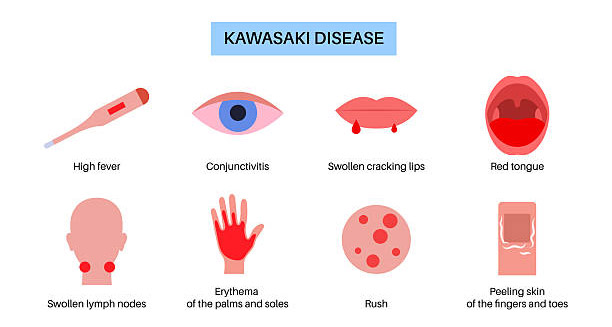
Illustration showing common symptoms of Kawasaki Disease including fever, rash, and red eyes

Symptoms of Kawasaki Disease

Kawasaki disease is characterised by a distinct set of symptoms that typically evolve in three phases: acute, subacute, and convalescent. The most common and first symptom is a high fever that doesn’t go away with regular fever medicine. But this illness also causes many other signs. These signs can affect the skin, eyes, mouth, lymph nodes, and heart. Knowing these signs well helps with early treatment, which lowers the risk of serious heart problems. Children with Kawasaki disease often look very unwell. They may feel tired, upset, and uncomfortable. Since many early signs look like viral infections, the disease can be hard to catch at first. But the mix of specific symptoms helps doctors tell it apart from other illnesses. 1. Persistent High Fever The first and most clear sign is a fever that lasts more than five days. It usually stays above 38.5°C and can even reach 40°C. Unlike other childhood fevers, this one doesn’t respond to paracetamol or ibuprofen. The child may also be very cranky and tired. Sleep problems are common. Many parents bring their child to the doctor because of this long, high fever. 2. Red Eyes (Conjunctival Injection) Another early sign is red eyes without pus. Both eyes look bloodshot, but there’s no sticky discharge like in infections. This often starts a few days after the fever. The eyes don’t usually hurt. The redness may last for several days. Although it fades on its own, it’s an important clue when seen with other signs. 3. Mouth and Tongue Changes The mouth and lips change in clear ways. Common signs include: These changes often make it hard for the child to eat or drink. The strawberry tongue is a strong sign of Kawasaki disease and appears in only a few other illnesses. 4. Rash Many children get a rash within the first few days. It can look different in each case. Some rashes are flat with raised bumps, while others look like scarlet fever or hives. It usually starts on the chest or belly and can spread to the arms, legs, or face. It might itch a little, but it doesn’t usually peel or blister at this stage. The rash helps confirm the diagnosis when seen with other signs. 5. Hand and Foot Changes The hands and feet are often affected too. Look for: These changes may cause pain. Some kids may even stop walking due to discomfort. 6. Swollen Neck Glands Swollen lymph nodes in the neck are another common sign. Usually, just one large node is involved, more than 1.5 cm wide. It’s often on one side and may hurt to touch. Though neck swelling is seen in many infections, it’s more telling when combined with other symptoms of Kawasaki disease. 7. Stomach and Gut Symptoms Some children also have stomach issues early on. These may include: These signs are not specific, which can make early diagnosis harder. Sometimes, the pain may look like appendicitis and lead to surgery by mistake. 8. Heart-Related Symptoms of Kawasaki Disease Even if heart problems don’t show at first, they often appear in the second phase of the illness. These may include: While most kids don’t show early heart symptoms, some may have chest pain, tiredness, or shortness of breath later on. These signs mean the child needs urgent heart tests. 9. Other Possible Signs Kawasaki disease can also cause: Doctors look at the full picture of symptoms. No one sign can confirm it alone. But the group of signs makes the diagnosis much clearer. 10. Phases of Symptom Progression The symptoms of Kawasaki disease appear in three main phases: a) Acute Phase (Days 1–14)High fever, red eyes, rash, mouth changes, and swollen glands are present. b) Subacute Phase (Days 15–30)Fever fades, but peeling skin, crankiness, and heart problems may begin. c) Convalescent Phase (Weeks 4–8)All visible symptoms go away. Blood test results also return to normal. However, heart monitoring is still important. Final Thoughts Spotting the symptoms of Kawasaki disease early is the key to getting treatment in time. Though each sign might look like other childhood illnesses, the full group of signs—especially if they don’t respond to usual medicine—points clearly to Kawasaki disease. The mix of long-lasting fever, red eyes, mouth changes, rash, swollen neck glands, and hand or foot symptoms should lead to urgent testing and care. Doctors, parents, and emergency teams should all stay alert—especially for children under five. [Next: Diagnosis of Kawasaki Disease →]

Symptoms of Kawasaki Disease Read More »

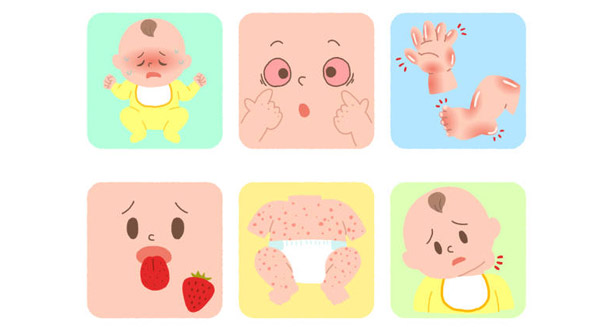
Cartoon showing visual signs used in diagnosing Kawasaki Disease in infants

Diagnosis of Kawasaki Disease

The diagnosis of Kawasaki disease is primarily clinical, based on a defined set of signs and symptoms rather than a single confirmatory test. Doctors must rely on clear signs because there is no single test to confirm the condition. This makes it harder to spot, especially since Kawasaki disease can look like common infections in children. But early diagnosis is vital. If treatment begins within the first 10 days, it can prevent serious heart problems. Doctors must watch closely for key symptoms and follow standard guidelines. These help identify the illness even when it doesn’t appear obvious at first. Even though tests and scans can support the diagnosis, the most important part is careful observation. Looking at how symptoms appear and change over time helps doctors make the right call. 1. Diagnostic Criteria Doctors around the world use a standard set of signs to diagnose Kawasaki disease. These rules come from the American Heart Association and are used in many countries. To make the diagnosis, a child must have: Sometimes, a child with all the symptoms but a shorter fever can still be diagnosed. Likewise, a child with fewer than four signs may still have Kawasaki disease if other evidence supports it. 2. Incomplete or Atypical Kawasaki Disease Not all children show the full list of symptoms. Incomplete Kawasaki disease is more common in babies under six months and older kids. Their signs might be mild or unclear. These cases are more risky because they are often diagnosed late. This can lead to missed treatments and heart problems. Doctors must stay alert. They may use extra tests and scans to confirm the condition and start treatment quickly. 3. Lab Tests to Support Diagnosis of Kawasaki Disease No single blood test can confirm the disease. Still, several tests can support the diagnosis and check how much inflammation is present: These tests are helpful, but only when used with symptoms and other findings. 4. Echocardiography Heart ultrasound (echocardiogram) is one of the most important tools for diagnosing Kawasaki disease. It is safe and painless. It helps doctors look for: Doctors should do this scan as soon as they think the child has Kawasaki disease, even before treatment begins. Follow-up scans are done at two and six weeks to check for changes. If the heart arteries can’t be seen clearly, other scans like CT or MRI may be used. 5. Conditions That Mimic Kawasaki Disease Many other illnesses can look like Kawasaki disease. This makes diagnosis harder. Some of the most common lookalikes include: Doctors take a full history and do extra tests to rule out these other problems. But if they strongly suspect Kawasaki disease, they should not wait too long for lab confirmation. Early treatment is more important, especially if the heart is already affected. 6. Specialist Help in Diagnosis of Kawasaki Disease In unclear cases, it’s smart to call in specialists. These might include: Referral is especially helpful when: In some hospitals, a team of doctors works together to spot and treat Kawasaki disease early. 7. New Tests and Research Scientists are working to find better ways to diagnose Kawasaki disease faster. Some new blood tests may help tell it apart from other illnesses. These include: These tests are still being studied and not used everywhere yet. In the future, they may help doctors find high-risk kids sooner. Researchers are also studying genes. This may lead to tools that predict which kids might get the disease before symptoms even begin. 8. Why Early Diagnosis Matters Time is critical. Giving IVIG within the first 10 days lowers the chance of heart artery problems. The sooner treatment begins, the better the outcome. Late or missed diagnoses—especially in incomplete cases—cause most of the severe heart issues. That’s why doctors should always consider Kawasaki disease if the symptoms fit, and act quickly when needed. Final Thoughts The diagnosis of Kawasaki disease takes close attention to symptoms, blood test results, and heart scans. There is no single test to confirm it. That’s why quick thinking and experience matter so much. Delays in treatment can cause lasting heart damage. But with early care, most kids recover fully. As new tools are developed, diagnosing Kawasaki disease may get easier. Until then, doctors must rely on trusted signs, careful checks, and a clear understanding of how the disease shows up in different children. [Next: Treatment of Kawasaki Disease →]

Diagnosis of Kawasaki Disease Read More »

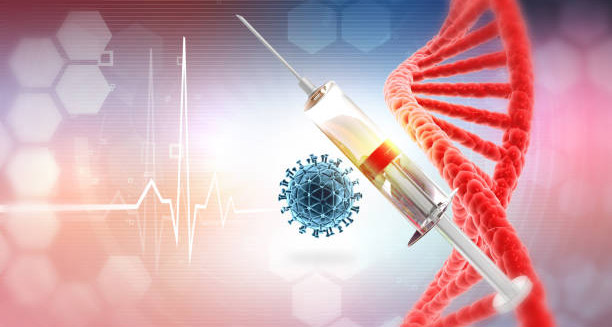
Syringe with DNA strand and virus icon symbolising Kawasaki Disease treatment

Treatment of Kawasakvi Disease

The treatment of Kawasaki disease is a medical priority, as the condition can lead to serious complications if not addressed swiftly—particularly coronary artery aneurysms. Treating it early—within the first 10 days—lowers the chance of heart problems later on. The main goal is to calm the strong inflammation that affects the blood vessels, especially the ones that supply the heart. Other goals include lowering the fever, easing symptoms, and keeping the heart healthy in the long run. Doctors use a mix of medicines, supportive care, and regular follow-ups with heart experts. These steps have greatly improved how children recover. But early diagnosis still plays the biggest role in helping kids get better. 1. First-Line Treatment: Intravenous Immunoglobulin (IVIG) The most important treatment of Kawasaki disease is intravenous immunoglobulin (IVIG). It’s usually given as one large dose—2 grams per kilogram—over 10 to 12 hours. Doctors try to give IVIG within the first 10 days of illness. Even if given later, it can still help if the child has symptoms or inflammation. IVIG works by calming the immune system and lowering body-wide inflammation. It helps fast—over 85% of children feel better within 36 hours, and their fever goes down. This treatment also cuts the risk of heart artery problems from 25% to under 5%. If the fever doesn’t go away within 36 hours, doctors may give another dose or try different treatments. 2. Aspirin Therapy Aspirin plays a big role in treating Kawasaki disease. Though doctors usually avoid aspirin in children, it’s safe here under medical care. Aspirin helps in two ways: If the child has no signs of artery issues, aspirin may be stopped after 6–8 weeks. But if aneurysms are present, they may need to stay on aspirin longer or even add other blood-thinning medicines. 3. Corticosteroids in Treatment of Kawasaki Disease Doctors now use steroids in some cases to improve recovery. Corticosteroids like prednisolone or methylprednisolone are helpful when: Steroids slow down the immune system’s attack and ease swelling in the vessels. When given early with IVIG, they can lower the chances of heart artery problems. 4. Handling IVIG-Resistant Kawasaki Disease Around 10–15% of children don’t respond to the first IVIG treatment. These children need extra help. Treatment may include: These children need close heart checks, as they have a higher risk of artery problems. 5. Supportive Care Besides the main treatments, supportive care makes a big difference. This includes: Most kids stay in the hospital for 3–7 days, depending on how sick they are and how fast they recover. 6. Heart Monitoring and Follow-Up Because the disease can harm the heart, doctors keep checking the heart for weeks or months afterward. This includes: Kids with big aneurysms may need checkups even as teens or adults. They also need heart-healthy habits and may take medicine long-term to protect their hearts. 7. Exercise and Activity Most children can go back to playing and school once the fever is gone and they stop high-dose aspirin. But those with artery problems must avoid heavy exercise for a while. Doctors will guide the family based on the child’s heart condition. 8. Vaccine Timing After Treatment of Kawasaki Disease Kids who get IVIG need to wait before getting live vaccines like MMR or chickenpox. The delay is about 11 months. This is because IVIG can affect how well vaccines work. Other vaccines can usually stay on schedule. Talk to your child’s doctor to plan the right timing. 9. Helping Parents Understand and Cope Having a child with Kawasaki disease is stressful. Parents need clear support. Doctors should give: Both paediatricians and heart doctors work closely with families throughout recovery. Final Thoughts The treatment of Kawasaki disease has come a long way, and when started early, it works very well. IVIG and aspirin remain the most effective tools. Steroids and newer immune medicines help in harder cases. But recovery isn’t just about medicine. A full care plan—including regular heart checks, family support, and planning for the future—is key to helping children heal. Most children recover well and return to normal life, thanks to early and thorough care. [Next: Complications of Kawasaki Disease →]

Treatment of Kawasakvi Disease Read More »

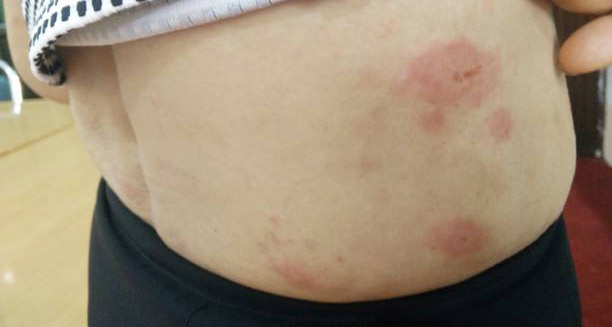
Red circular skin rashes on the abdomen indicating complications of Kawasaki Disease

Complications of Kawasaki Disease

The complications of Kawasaki disease can be significant and, in some cases, life-threatening if the condition is not identified and treated promptly. Most children get better if treated early. Still, Kawasaki disease remains a top cause of heart problems in kids in developed countries. It can harm the coronary arteries—the ones that bring blood to the heart. That’s why regular check-ups are very important for months or even years after diagnosis. Doctors use IVIG and aspirin to reduce risks. These treatments help a lot. But if doctors diagnose the disease late or if the child doesn’t respond well, serious problems can still happen. These issues usually fall into two groups: heart-related or not. 1. Coronary Artery Aneurysms (CAAs) One of the most serious issues is coronary artery aneurysms. These are bulges in the coronary arteries caused by swelling and damage. They often show up 1 to 4 weeks after the disease starts. They’re more common in kids who don’t get treatment quickly or don’t respond to it. Small aneurysms (under 5 mm) may go away on their own.Medium ones (5–8 mm) might also shrink, but doctors need to watch them over time.Large aneurysms (over 8 mm) are more dangerous. They can lead to clots, narrowed arteries, or even breaks in the artery wall. These raise the risk of heart attacks, especially in older kids. Regular heart scans and blood-thinning medicine are often needed. 2. Myocarditis and Pericarditis Some children with Kawasaki disease get myocarditis. This means the heart muscle becomes swollen, which can lower heart function. Signs include fast breathing, tiredness, poor feeding, and low blood pressure. Others may get pericarditis, or swelling around the heart. This can cause chest pain, fussiness, or fluid around the heart. Treatment usually helps these problems go away, but they can get worse without care. 3. Valvular Heart Disease The disease can also affect heart valves. This often causes mitral regurgitation, where one valve leaks a little. It’s usually mild and goes away, but doctors may need to keep an eye on it. In rare cases, surgery is needed. 4. Arrhythmias and Conduction Problems Some children develop abnormal heart rhythms. These can include: These are usually short-term and don’t cause symptoms. Still, doctors may check with ECGs, especially if kids feel dizzy or faint. 5. Thrombosis and Heart Attacks Large aneurysms can lead to blood clots. If a clot blocks an artery, it can cause a heart attack. This is rare in children but very serious. Kids may show signs like sudden tiredness, chest pain, throwing up, or acting restless. Quick treatment with blood thinners or surgery is key in these cases. 6. Peripheral Artery Aneurysms Sometimes, aneurysms show up in other arteries, like in the arms or legs. These are not as dangerous as heart-related ones but still need checking. Doctors often find them using ultrasound. 7. Recurrence of Kawasaki Disease Kawasaki disease can come back, though it’s not common. It happens in about 1–3% of kids. The second time may be harder to notice and could bring more heart risks. Parents should know it can return and seek help fast if symptoms appear again. 8. Hearing Loss Some studies show that a few children may lose hearing after Kawasaki disease. This may happen due to swelling or changes in blood flow to the inner ear. Kids who had a tough case might need a hearing test. 9. Neurocognitive and Emotional Effects Though Kawasaki disease mainly affects the heart, it may also impact a child’s brain and mood. Some kids may: These problems are often short-term. Still, parents and teachers should watch for any changes, especially if the child had a long illness or hospital stay. 10. Complications from Treatment The treatments for Kawasaki disease help a lot but can have side effects. Doctors monitor kids closely to keep them safe while on these medicines. 11. Long-Term Cardiac Follow-Up If a child had heart problems during Kawasaki disease, long-term care is crucial. Follow-up may include: Children with large aneurysms or past heart attacks face higher heart risks later in life. These kids need healthy diets, exercise plans, and sometimes limits on intense activity. Final Thoughts The complications of Kawasaki disease span a wide spectrum, from mild and temporary to severe and life-altering. Modern care helps reduce most serious risks. Still, it’s key to catch the disease early and follow up with care. Knowing what to watch for helps doctors support families and protect children’s hearts. With the right care, most kids fully recover and live healthy lives. [Next: Back to Overview →]

Complications of Kawasaki Disease Read More »

Scroll to Top