Mental Matters

Keloid Scars

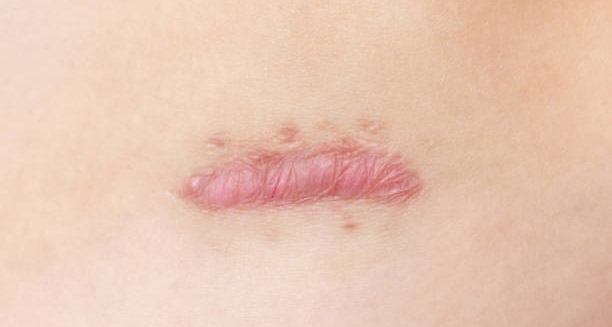
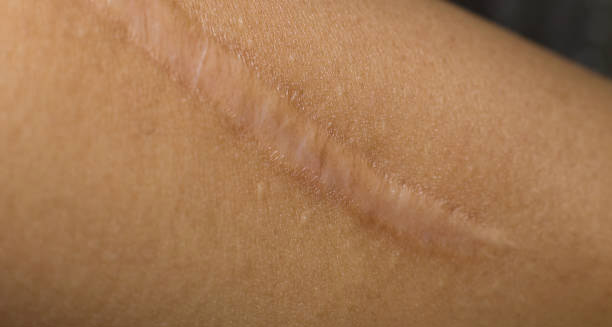
Close-up image of a raised, pink keloid scar on human skin

Overview of Keloid Scars

Keloid scars are a type of abnormal scarring that occurs when the body’s healing process becomes overly active. Instead of stopping once the wound is closed, the scar continues to grow, often expanding beyond the original injury. These scars do not fade with time and can last for years without shrinking. They appear as raised, firm, and often shiny patches on the skin. The color may range from flesh-toned to red or dark brown. Common areas include the chest, shoulders, earlobes, and upper back—though they can form anywhere on the body. Keloids are not dangerous or contagious, but they can be uncomfortable and emotionally distressing. Some people experience itching, tenderness, or pain. Others feel self-conscious, especially if the scars are large or located in visible places. Although they’re not life-threatening, keloids can be difficult to treat and often return after removal. Learning what causes keloid scars, who is at risk, and how to manage them is important for both medical professionals and those who may develop them. Early recognition and care can prevent complications, while tailored treatments offer relief for those already affected. 1. What Are Keloid Scars? Keloid scars belong to the broader category of hypertrophic scars, but they are more aggressive. Unlike hypertrophic scars, which stay within the wound’s borders and may fade over time, keloids grow past the original site and rarely shrink on their own. They form when fibroblasts—the cells responsible for tissue repair—produce too much collagen. This collagen builds up in a disorganized way, creating thick, firm, and sometimes rope-like scars. Keloids can feel tight or even restrict movement, especially if they’re near joints. Under the microscope, they show dense, irregular bundles of collagen and fewer blood vessels. This makes them a type of benign fibroproliferative disorder, meaning they involve excessive tissue growth but are not cancerous. 2. Who Is at Risk for Keloid Scars? Several factors increase the risk of developing keloid scars. Genetics is one of the strongest influences. If keloids run in your family, your chances of getting them are higher. People with darker skin—especially those of African, Asian, or Hispanic background—are also more likely to develop keloids. In African populations, the rate may be as high as 16%, compared to much lower rates in European populations. Age matters too. Keloids most often appear between the ages of 10 and 30. They are rare in young children and older adults. Hormonal changes during puberty or pregnancy may also play a role in scar formation. External triggers include anything that injures the skin. This might be surgery, piercings, acne, insect bites, burns, or even minor scratches. Poor wound care, infections, or repeated trauma to the same spot can raise the risk further. 3. Why Do Keloids Form? The exact cause of keloid scars is still being studied, but researchers believe it involves a mix of immune signals, growth factors, and disrupted healing pathways. Normally, the body stops producing collagen once a wound has healed. In people prone to keloids, that “stop” signal doesn’t work well. Fibroblasts stay active and keep making scar tissue long after it’s needed. Genetic changes may also affect how the body handles inflammation and tissue repair. Some people have higher levels of TGF-β, a growth factor that promotes collagen production. This leads to ongoing growth, long after the wound has closed. 4. How Keloids Affect Daily Life Even though keloids are not harmful to your health, they can still affect your quality of life. People often report feeling embarrassed or frustrated, especially when scars are large or hard to hide. Itching, pain, and tightness can interfere with sleep, daily tasks, or wearing certain clothes. When keloids appear on the face or near joints, they may cause more distress. In children and teenagers, the emotional impact can be especially strong—some face teasing or bullying, which lowers self-esteem. Treatment can also be discouraging. Keloids are known for coming back, even after surgery or laser treatment. That’s why emotional support and counseling are sometimes just as important as physical treatment. 5. Common Sites and Triggers Keloid scars tend to form in areas that experience pressure, stretching, or frequent movement. Common locations include: Even small injuries—like shaving nicks, bug bites, or irritation from tight clothing—can lead to a keloid in people who are genetically predisposed. A scar may start as a small bump and grow over time, even when the original wound seemed harmless. 6. How to Tell Keloids from Other Scars Keloids can look similar to other raised scars, but there are key differences. Hypertrophic scars stay within the boundary of the wound and may shrink over time. Keloids, on the other hand, grow past the original wound and usually stay raised unless treated. Doctors usually diagnose keloids based on their appearance and your medical history. In some cases, a small tissue sample (biopsy) may be needed to confirm the diagnosis. Keloids can sometimes be mistaken for skin nodules or growths like dermatofibromas, so proper evaluation is important. Final Thoughts Keloid scars are a unique challenge in dermatology. While they’re not dangerous, they can have a lasting emotional and physical impact. Their tendency to grow unpredictably, resist treatment, and recur makes them frustrating for patients and doctors alike. Understanding how and why they form can help prevent them or treat them more effectively. Early action and careful wound care are key. As science continues to uncover the biological pathways behind keloid formation, new treatments may offer longer-lasting solutions and relief. [Next: Causes of Keloid Scars →]
Overview of Keloid Scars Read More »

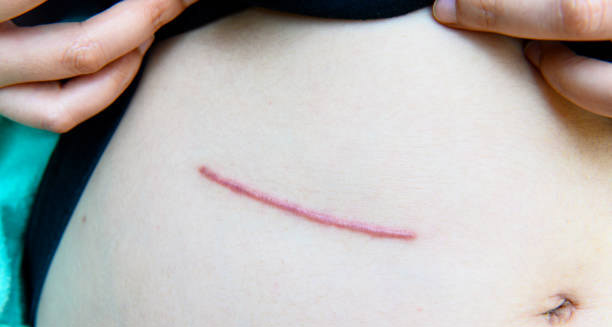
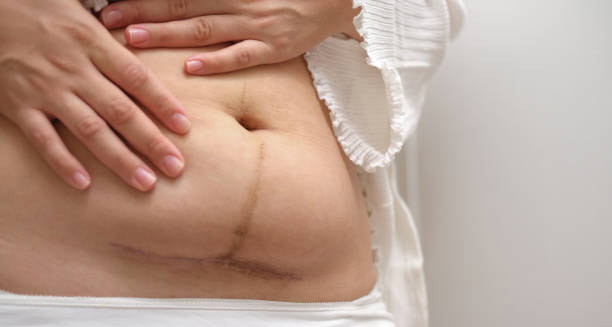
Abdominal scar after surgery indicating potential keloid formation

Causes of Keloid Scars

Keloid scars are caused by an abnormal wound-healing process that results in the excessive growth of fibrous tissue. Unlike normal scars, these continue growing beyond the original wound and may last for months or even years. This ongoing growth happens because the body doesn’t regulate the healing process correctly. Many factors work together here, including genetics, environment, immune function, and body chemistry. While most people recover from cuts or surgery without a problem, others develop keloids due to a stronger and longer-lasting inflammatory response. This reaction leads to thick, raised, often itchy scar tissue. Let’s explore what causes this difference. 1. Genetic Predisposition One of the main causes of keloid scars is genetics. If you have family members with keloids, your risk is much higher. Certain genes involved in healing and collagen control may work differently in your body. These changes lead to overactive fibroblasts, which build too much scar tissue. Keloids are also more common in certain ethnic groups. People of African, Asian, Hispanic, and Middle Eastern descent are more likely to get them. For example, 15–20% of people of African descent may develop keloids, compared to just 1–2% of people with European ancestry. This difference clearly shows that genes play a strong role. 2. Skin Injury or Trauma Any injury to the skin can trigger keloid formation, especially if you’re genetically prone. Even small wounds may lead to keloids. These include: Surprisingly, even tiny scratches can result in a keloid. Sometimes, they even appear without a clear cause, especially in areas with regular tension or rubbing. 3. Inflammation and Delayed Healing The body heals wounds in four steps: bleeding stops, inflammation begins, tissue grows, and the wound remodels. In keloid-prone people, the inflammation and growth stages take longer. This delay keeps fibroblasts active and leads to too much collagen, especially type III collagen, which is common in early scarring. Also, enzymes that break down extra collagen (called MMPs) don’t work well in people who get keloids. As a result, the scar becomes thick and expands beyond the wound’s edge. 4. Hormonal Influences Hormones might also contribute to the causes of keloid scars, especially during times of hormonal change. These include puberty and pregnancy, when hormone levels rise and may affect scar tissue growth. Some small studies and personal accounts suggest that keloids can grow or worsen during pregnancy. This could be linked to changes in oestrogen and progesterone, although more research is needed. 5. Wound Location and Skin Tension Where the injury happens on the body makes a big difference. Keloids tend to form in areas with high skin tension. These include the shoulders, upper chest, back, and jawline. The skin in these places moves often and stretches, which can disrupt healing and trigger more scar growth. The earlobes are also a frequent site, especially after piercings. While this area doesn’t move much, piercing creates a wound that can spark a strong reaction, especially in people at higher risk. 6. Infection or Repeat Injury Wounds that get infected while healing are more likely to form keloids. Infections increase inflammation and delay healing, giving scar-producing cells more time to act. This results in thick, hard scar tissue. Other forms of repeat trauma—such as scratching or rubbing the wound—also make things worse. Poor wound care during the healing phase is another common factor that leads to keloid scar formation. 7. Immune System Problems Recent studies show that the immune system plays a key role in how keloids develop. The immune response controls all stages of healing. If it doesn’t work as it should, it can cause long-term inflammation and overstimulate fibroblasts. People with autoimmune issues or weak immune systems may be more likely to form keloids. High levels of certain immune markers, such as TGF-β and IL-6, have also been found in keloid tissues, further linking the immune system to this condition. 8. Environmental Triggers Sun exposure may also worsen keloids. UV rays cause inflammation and boost pigment cells, which darken scars. They may also trigger scar growth. Protecting healing wounds from the sun—with clothing or sunscreen—can lower this risk. Other outside factors, like air pollution, harsh skincare products, or allergens, may interfere with healing. These irritants can increase inflammation and promote scarring in people who are already prone to it. Final Thoughts The causes of keloid scars are complex and involve many overlapping factors—genetics, injury, inflammation, hormones, and environment. Although many people experience skin trauma, only some go on to form keloids because of how their bodies respond to healing. Knowing these risk factors can help with prevention. Avoiding non-essential piercings, caring for wounds properly, and watching for early signs of abnormal scarring are good first steps. Seeking medical advice early can also help. As researchers learn more about the immune and molecular causes of keloids, better treatments may become available. These advances offer hope for managing and possibly preventing this difficult condition. [Next: Symptoms of Keloid Scars →]

Causes of Keloid Scars Read More »

Close-up of a raised keloid scar on dark skin

Symptoms of Keloid Scars

Keloid scars often begin with mild symptoms but can grow into more visible and bothersome problems. These symptoms range from cosmetic concerns to pain and limited movement. Unlike regular scars that fade over time, keloids can grow, itch, and cause discomfort for years. Keloids form when the body produces too much collagen during healing. This results in raised, firm, and often irregular growths that spread beyond the original wound. They can continue to enlarge long after the skin has closed, creating both physical and emotional challenges. 1. Progressive Overgrowth of Scar Tissue The most distinct feature of a keloid is its ongoing growth. A small bump may first appear where an injury—such as a cut, burn, acne spot, or piercing—once was. Over time, this bump can thicken and widen into a firm, shiny mass with rounded edges. Unlike hypertrophic scars, which stay within the wound’s boundaries, keloids extend far beyond. This overgrowth can be especially distressing when it occurs on visible areas like the chest, earlobes, jawline, or shoulders. 2. Skin Discolouration and Texture Changes Colour changes are common with keloid scars. Early on, the scar may look red, pink, or purple due to inflammation and increased blood flow. As time goes on, it may either darken (hyperpigmentation) or lighten (hypopigmentation), depending on your skin tone. Keloids usually feel smooth, firm, and rubbery. Some may be harder or more nodular, while others are softer. These texture changes can be irritating, especially if the scar is in a place that rubs against clothing or moves often. 3. Persistent Itching (Pruritus) Itching is one of the most frustrating symptoms of keloids. It often worsens during the active growth phase and can be triggered by heat, sweat, friction, or dry skin. The itching is caused by nerve irritation in the dense scar tissue. It can last for months—or even years. Repeated scratching can lead to further irritation, possible infection, and even more scar growth, making management harder. 4. Pain and Tenderness Many people with keloids experience pain, especially if the scar is large or growing quickly. The pain may feel sharp, burning, or throbbing and can be constant or triggered by touch or movement. The cause is often nerve compression or irritation by the growing scar tissue. Pain is more common in keloids that form near joints, nerves, or areas that move frequently. 5. Limited Movement Keloids near joints or mobile areas can cause restricted movement. Their stiffness and size can pull on nearby skin and tissues, leading to discomfort or reduced flexibility. For example, a keloid across the knee or elbow can make bending difficult. One on the neck may limit head turning. Over time, this can affect posture, mobility, and even job performance. 6. Sensitivity to Clothing and Friction Some keloids become sensitive to touch. Areas like the shoulders, neck, or chest may be irritated by bra straps, collars, or jewellery. Friction can increase itching, pain, or inflammation. In some cases, even light fabric can trigger discomfort. This sensitivity may cause people to avoid certain clothes or activities, adding to the day-to-day challenges of living with keloids. 7. Emotional and Social Effects Keloids can affect a person’s mental and emotional well-being. Large or visible scars may lead to low self-esteem, social anxiety, or even depression—especially in teenagers and young adults. People may avoid dating, public speaking, or social events. The fact that keloids often return after treatment can make individuals feel discouraged or helpless. In some cases, counselling or support groups may be needed to help manage the emotional burden. 8. Recurrence After Treatment One of the most discouraging symptoms of keloids is their tendency to return. Even after treatments like surgery, steroid injections, or cryotherapy, they often grow back—and sometimes become larger than before. This happens because of a continued abnormal healing response in the skin. Many people must manage their keloids long term. Understanding the risk of recurrence helps set realistic expectations and supports better planning for future care. Final Thoughts Recognising the symptoms of keloid scars is crucial for early diagnosis and better outcomes. These scars are more than just cosmetic—they can cause pain, itching, restricted movement, and emotional distress. By spotting symptoms early, patients and doctors can work together to begin treatment before the scar worsens. A well-rounded care plan, including medical and emotional support, can greatly improve quality of life for people living with keloids. [Next: Diagnosis of Keloid Scars →]

Symptoms of Keloid Scars Read More »

Doctor examining a red, raised scar suspected to be a keloid on the lower abdomen

Diagnosis of Keloid Scars

Keloid scars are usually diagnosed through visual examination and a detailed patient history. Due to their distinct appearance, dermatologists or general practitioners can often identify them by sight. However, a thorough assessment is important to confirm the diagnosis and rule out other skin conditions. Doctors assess the scar’s size, shape, texture, location, and how it has changed over time. They also consider the patient’s medical background and family history. Correct diagnosis is essential, as keloids require specific treatments and have a high chance of returning if not managed properly. 1. Medical History Diagnosis starts with a comprehensive medical history. The doctor will ask about past skin injuries, surgeries, burns, acne, vaccinations, or piercings. These events often lead to keloid formation. Keloids typically appear weeks or months after the skin has healed and may continue growing without new trauma. Family history is also important. Keloids often run in families, and people of African, Asian, or Latin American descent are more prone to them. Knowing this can help support the diagnosis. 2. Clinical Examination A hands-on clinical exam is the most important step in diagnosing a keloid. The doctor will examine several features: The doctor may gently press the area to check for tenderness, warmth, or symptoms like pain and itching. These sensations are common in keloid scars and can help confirm the diagnosis. 3. Differentiating Keloids from Other Conditions It’s crucial to distinguish keloids from similar conditions. The most common confusion is with hypertrophic scars. These are also raised but stay within the wound’s original borders and often flatten over time. Other skin conditions that may mimic keloids include: Correct diagnosis helps avoid unnecessary treatments, such as surgery for a dermatofibroma or medications meant for inflammatory skin diseases. 4. Dermatoscopy and Imaging Most of the time, doctors diagnose keloids by sight and touch. However, in complex cases, they may use tools like dermatoscopy. This handheld device magnifies the skin, revealing patterns of blood vessels, pigmentation, and texture. Ultrasound imaging is sometimes used to check how deep the scar goes. This is useful when planning injections, cryotherapy, or radiation therapy. It can also help distinguish a keloid from a deep cyst or tumor. 5. Skin Biopsy: When Needed A skin biopsy is rarely required for diagnosing keloids. But if the scar looks unusual or keeps growing despite treatment, a biopsy may be done to rule out cancer or other conditions. In this procedure, a small piece of the scar is removed under local anaesthesia. A pathologist then examines the tissue under a microscope. Keloids typically show thick collagen bundles in disorganised patterns and a dense dermis. Biopsies should be used with caution, especially on keloid-prone skin. The incision itself can trigger more scarring. 6. Patient Symptoms and Functional Assessment The patient’s experience plays a key role in diagnosis. Keloids often cause itching, pain, or sensitivity, which help differentiate them from asymptomatic skin conditions. If the scar is near a joint or moves with body motion, the doctor will assess whether it limits mobility or causes friction. These factors are important for planning treatment and monitoring progress. 7. Psychosocial Impact Keloids can affect more than just the skin. People with visible scars may feel embarrassed or anxious. This is especially common in teenagers and young adults. To assess this, doctors may use questionnaires such as the Dermatology Life Quality Index (DLQI). This helps measure how much the scar affects the patient’s emotional well-being and daily life. A full diagnosis should always include mental health as part of the picture. 8. Genetic Testing and Research While not yet routine, genetic testing for keloid risk is being studied. Some genes linked to collagen production and wound healing may explain why some people are more prone to keloids. In the future, genetic testing may help predict who is at risk before elective surgery or cosmetic procedures. For now, doctors rely on family history and ethnic background to assess genetic predisposition. Final Thoughts Diagnosing keloid scars relies mainly on clinical expertise and patient history. Visual inspection and physical examination are usually enough. In rare or unclear cases, tools like imaging or biopsy may help. Early and accurate diagnosis allows for faster treatment and can reduce the risk of further scarring or emotional distress. By considering physical symptoms and mental health together, doctors can create a more complete care plan. Recognising a keloid early is the first—and most important—step toward effective management. [Next: Treatment of Keloid Scars →

Diagnosis of Keloid Scars Read More »

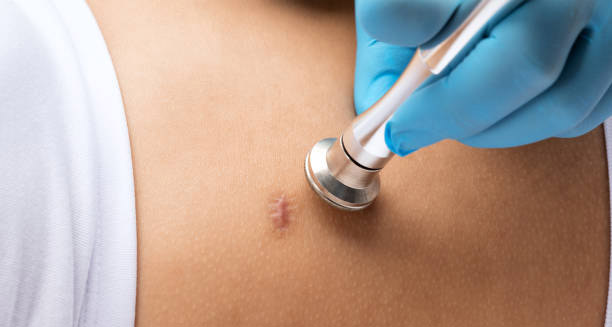
Doctor examining a small keloid scar on the chest with a stethoscope during treatment consultation

Treatment of Keloid Scars

Treating keloid scars can be challenging. These scars tend to return and often resist standard therapies. They form when the body produces too much collagen after a wound has healed. As a result, treating keloids often requires a combination of approaches. No single treatment works for everyone. The choice depends on the size, location, severity, and symptoms of the scar. Skin type and medical history also play a role. Treatment usually focuses on three goals: reducing scar size, easing discomfort, and preventing recurrence. In some cases, therapy also helps patients cope with emotional distress caused by visible or painful scars. 1. Corticosteroid Injections One of the most common treatments for keloids is corticosteroid injections. These are injected directly into the scar every 3 to 4 weeks. The steroids reduce inflammation and slow collagen production. Over time, the scar becomes flatter, softer, and less itchy. Triamcinolone acetonide is the steroid most often used. While it is usually effective, it can cause side effects such as skin thinning, color changes, or injection-site pain. Because keloids can return after injections stop, doctors often combine this therapy with other treatments. 2. Silicone Gel Sheets and Ointments Silicone-based products are a gentle, non-invasive option. These include gel sheets, self-drying gels, and ointments. They help hydrate the scar and reduce collagen overgrowth. Silicone therapy works best on early-stage or new keloids. Patients often need to wear silicone sheets for 12 to 24 hours a day for several months. These products are safe for most people, including children and those with sensitive skin. 3. Cryotherapy Cryotherapy uses liquid nitrogen to freeze and destroy scar tissue. This method is especially helpful for small, firm keloids. Over time, it can reduce the height and firmness of the scar. When combined with corticosteroid injections, cryotherapy can yield even better results. However, it may cause skin discoloration, particularly in people with darker skin. It’s also not suitable for large or highly vascular scars. 4. Laser Therapy Laser treatment is increasingly popular. It improves the texture, color, and thickness of keloid scars. Pulsed dye lasers (PDL) are most commonly used. They target blood vessels in the scar to reduce redness and swelling. Laser therapy works best when paired with other treatments like steroids or topical creams. It is safe but often requires multiple sessions. Although not a cure, laser therapy can greatly improve the scar’s appearance and reduce symptoms like itching. 5. Surgical Excision Surgery may be an option for large or painful keloids that don’t respond to other treatments. It involves cutting out the scar tissue, usually under local or general anesthesia. However, surgery alone has a high risk of recurrence—up to 70%. It often triggers the same healing response that caused the original keloid. That’s why surgery is almost always combined with follow-up therapies such as steroid injections, silicone sheets, pressure garments, or radiation. 6. Radiation Therapy Radiation therapy is sometimes used after surgical removal of a keloid. Low-dose radiation helps kill leftover fibroblast cells that might cause the scar to grow back. While effective, radiation carries long-term risks. It is used with caution, especially in younger patients or near vital organs. Still, when carefully planned, it can significantly reduce the chances of recurrence. 7. Pressure Therapy Pressure therapy involves wearing compression garments or bandages to flatten the keloid. It is especially effective on earlobe keloids and is often used after surgery or ear piercing. To be successful, pressure must be applied consistently for 12 to 18 hours a day over several months. This treatment is non-invasive and affordable, but it can be uncomfortable, which may affect compliance. 8. 5-Fluorouracil (5-FU) 5-FU is a chemotherapy drug that can also treat keloids. It is either injected directly into the scar or applied as a cream. It helps reduce collagen production and scar size. Doctors often use 5-FU together with corticosteroids. While effective, it may cause mild pain, redness, or peeling at the treatment site. 9. Natural and Alternative Therapies Some natural remedies are used to manage keloids, though scientific proof is limited. These include: Patients should consult a doctor before trying any natural treatment, especially on sensitive or broken skin. 10. Psychological Support Keloids can have a strong emotional impact. People with visible scars often feel anxious, embarrassed, or depressed. This is especially true for scars on the face, chest, or other exposed areas. Counselling, support groups, or mental health therapy can help. A holistic approach—addressing both the physical and emotional effects—is essential for long-term wellbeing. Final Thoughts Treating keloid scars takes time and a personalised strategy. While no cure exists, combining medical treatments, surgical options, and self-care can lead to meaningful improvements. Early intervention matters. People prone to keloids should avoid skin trauma and follow medical advice to prevent new scars. With new treatments and better awareness, patients now have more options than ever to manage this difficult condition. [Next: Complications of Keloid Scars →]

Treatment of Keloid Scars Read More »

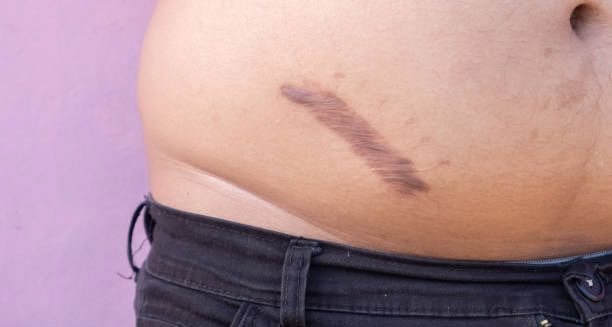
Dark raised keloid scar on lower abdomen showing post-inflammatory pigmentation

Complications of Keloid Scars

The complications of keloid scars can extend far beyond cosmetic concerns, significantly impacting an individual’s physical comfort, emotional wellbeing, and quality of life. Keloids are not harmful in a medical sense, but they often cause real problems. The complications of keloid scars can be long-lasting and upsetting, especially when they affect movement, confidence, or come back after treatment. Since keloids do not shrink on their own and are hard to treat, knowing what problems they cause is important for full care. Even though they are not cancer, keloids often behave in unpredictable ways. They may grow too much, cause pain or itching, and often return after treatment. These things make healing harder and leave many patients unhappy with the results. 1. Physical Discomfort and Functional Limits One of the most common complications of keloid scars is physical discomfort. Many people feel ongoing itching, pain, or tenderness. These symptoms get worse when the keloid is in a spot that rubs against clothing or moves often. If keloids form near joints like the elbows, knees, or shoulders, they may make it hard to move. They pull on the skin or press on tissues, causing stiffness. Larger keloids on the chest or neck can make it hard to turn the head, breathe deeply, or sleep. Keloids on the feet or hands can cause pain while walking, using tools, or wearing shoes. These small daily problems can greatly reduce a person’s ability to function. Often, they are overlooked but still cause a major loss of comfort and freedom. 2. High Chance of Coming Back Another major complication of keloid scars is how often they return. This can happen even after treatment seems to work. In fact, up to 70% of keloids may come back after surgery. Often, the new scar grows larger or feels worse than before. This happens because keloids form from an extreme healing response. The body sends too many healing cells, which create thick scar tissue. Even helpful treatments—like surgery or injections—can cause new trauma and spark this response again. As a result, patients often feel frustrated. After spending time and money on treatment, they face the same problem again, sometimes even worse. This can lead to disappointment and emotional stress. 3. Skin Color Changes and Visible Scars Keloids often cause changes in skin color. This is more common in people with darker skin tones. The scars may look red, purple, brown, or much darker than nearby skin. Even if the keloid flattens after treatment, the color may not return to normal. Keloids also tend to grow beyond the wound edges. This makes them more visible, especially on the face, ears, chest, or neck. Over time, the scar may become even more noticeable and change a person’s appearance. Many patients say the look of the scar bothers them more than the pain. It affects how they feel about themselves and how they interact with others. The complications of keloid scars often go beyond the skin—they affect how people feel inside. 4. Mental and Emotional Effects of Keloid Scars Keloid scars can deeply affect mental health, especially when they are easy to see. People may feel shy, anxious, or sad about how they look. This is especially true for teens and young adults who already feel pressure about appearance. Studies show that large or painful keloids can lead to depression or anxiety. Some people may even develop body image disorders. In certain cultures, scars are linked with illness or shame, which can lead to stigma or isolation. Living with keloids for years and trying many treatments can wear people down. They may lose hope or feel tired of trying. Financial costs and repeated doctor visits can also add to the mental burden. 5. Problems Caused by Treatment Treating keloids is not always safe or simple. Many methods come with risks. These may include: Strangely, the very treatments used to fix keloids can sometimes cause them to grow again. That’s why doctors must weigh the pros and cons carefully. People with a family history or a strong tendency to form keloids need extra care when choosing treatment. 6. Slower Wound Healing People who get keloids often heal more slowly than others. Even small injuries—like a bug bite, pimple, or vaccine shot—can take longer to go away. Worse, these small wounds may turn into new keloids. This slow healing keeps the skin in a state of stress. It also makes surgeries riskier. Doctors must work gently and plan carefully to prevent more scarring. To help, they might use pressure garments or silicone sheets after surgery. These steps raise the cost and difficulty of care but are needed to avoid more problems. 7. Impact on Daily and Work Life Keloid scars often appear on parts of the body that are hard to hide. When they form on the face, hands, or neck, they can affect daily life and job options. Some people avoid social events, job interviews, or public roles. For those with physical jobs or uniforms, like athletes or health workers, keloids may rub and hurt. This makes tasks harder and lowers work performance. In these cases, complications of keloid scars become more than a beauty issue—they affect daily life and income. This wide effect shows why keloids must be treated as serious health issues, not just skin problems. Final Thoughts on Complications of Keloid Scars The complications of keloid scars go far beyond looks. They can affect how a person moves, feels, and lives. Even though they are not dangerous by themselves, keloids can cause serious problems. The best care plan includes more than skin treatments. It should also support mental health and give clear guidance to patients. By understanding all the risks, people can make better choices about how to treat and manage their keloids. Knowledge and awareness help reduce the pain, stress, and burden of this long-lasting condition. With the right care, people can regain control of their health, confidence, and comfort. [Next: Back to Overview →]

Complications of Keloid Scars Read More »

Scroll to Top