Mental Matters

Kidney Stones

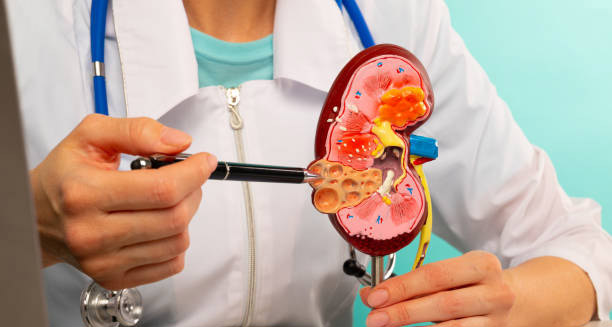
Doctor explaining kidney stones using anatomical kidney model

Overview of Kidney Stones

Kidney stones are hard mineral and salt deposits that form within the kidneys and can cause severe pain and complications when they move through the urinary tract. Kidney stones affect millions of people each year. They are common and range from mild to severe depending on their size, where they are, and if they come back. While most can be treated with changes in lifestyle or simple procedures, they can become serious if not treated in time. The kidneys work like filters. They clean the blood by removing waste and extra water, which then becomes urine. But when you’re dehydrated, eat poorly, or have certain health problems, minerals in the urine can stick together and form stones. These stones can be tiny like grains of sand or as large as golf balls. Bigger ones can block urine flow, cause infections, or damage the kidneys. Most kidney stones appear in adults between ages 30 and 60. However, children can also get them. Men get them more often than women, although this is changing. More women are now affected due to diet and lack of physical activity. Where you live matters too. People in hot areas are more at risk due to dehydration, which makes the minerals in urine more concentrated. Types of Kidney Stones The different types of kidney stones depend on what they are made of: Knowing the type of stone helps doctors choose the right treatment. It also helps in planning how to stop new stones from forming. Risk Factors and Global Prevalence of Kidney Stones Kidney stones can form due to many reasons. The main one is dehydration, especially in hot places. Eating too much salt, sugar, or meat also raises the risk. Being overweight, not moving much, stomach problems like Crohn’s disease, or taking too many vitamins or supplements also play a part. If kidney stones run in your family, you’re more likely to get them. Also, once you’ve had a stone, there’s a 50% chance you’ll get another one within 5 to 10 years unless you take steps to prevent it. Kidney stones are becoming more common across the world. Around 10% of people will get one at some point. They are especially common in richer countries, where bad eating habits and inactive lifestyles are major contributors. How Kidney Stones Form The body forms kidney stones when the urine has too many minerals and not enough liquid to keep them dissolved. When this balance breaks, the minerals clump into crystals. These crystals can stick to the kidney wall and grow over time. Small stones might pass without pain. But large ones can get stuck in the ureters—the tubes that carry urine from the kidneys to the bladder. This blockage can cause sharp pain, infections, or even kidney damage. Urine contains some helpful substances like citrate and magnesium. These stop stones from forming. But when substances like calcium, oxalate, or uric acid are too high, they encourage stone growth. Your diet, how much you drink, and how your body works all affect this balance. Why Early Detection of Kidney Stones Matters Finding kidney stones early makes treatment easier and avoids problems. Small stones often pass on their own with lots of water and pain medicine. But if not found early, stones can block urine, cause infections, or damage the kidneys. Some people don’t feel any symptoms until the stone starts to move. That’s why it helps to know the risk factors and get checked early using scans like ultrasounds or CTs. Finding out what the stone is made of also helps doctors plan treatment. For example, uric acid stones can be treated with medicine that changes the urine’s acid level to prevent new stones. Prevention and Lifestyle Management for Kidney Stones The best way to manage kidney stones is to stop them from forming in the first place. Simple steps like eating less salt and meat, avoiding foods high in oxalate (like spinach, chocolate, and nuts), and drinking plenty of fluids can make a big difference. Doctors may also suggest: If stones keep coming back, a full 24-hour urine test may be needed. This helps find out the exact cause. Then doctors may give medicine, like thiazide diuretics for calcium stones or allopurinol for uric acid stones. The Emotional and Physical Toll of Kidney Stones Kidney stones can affect your body and mind. The pain, often described as the worst pain a person can feel, may need hospital treatment and keep you from working or enjoying life. People who get stones more than once often feel anxious or scared about future attacks. Managing a special diet, taking medicine, and going for regular tests can feel stressful. That’s why a full approach that includes patient education, emotional care, and support works best. A Public Health Perspective on Kidney Stones Kidney stones are becoming a wider public issue. With more cases, hospitals and clinics see more emergency visits, tests, and surgeries. Teaching people about hydration, diet, and regular check-ups can lower these numbers. Public health campaigns at schools and offices—especially in high-risk areas—can spread awareness. Encouraging people to drink more water and eat better from a young age helps avoid future problems and reduces healthcare costs. Understanding Kidney Stones for Better Outcomes In conclusion, kidney stones are a growing concern worldwide, affecting individuals across all demographics and leading to a range of symptoms and health risks. By spotting them early, choosing the right treatment, and following a healthy lifestyle, most people can avoid serious problems. Knowing how kidney stones form, what causes them, and how they affect both health and emotions helps patients and doctors work together. Long-term changes in diet and routine can lower the chance of getting more stones in the future. [Next: Causes of Kidney Stones →]
Overview of Kidney Stones Read More »

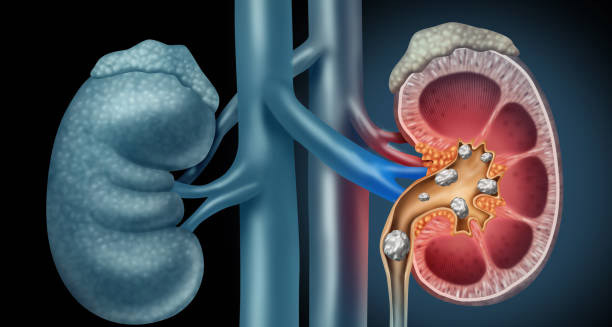
Illustration of kidney with stones showing internal buildup and blockage

Causes of Kidney Stones

Causes of kidney stones are multifactorial and involve a complex interaction between genetic, environmental, dietary, and metabolic influences. Understanding the causes of kidney stones is key to stopping them early. This common issue affects people of all ages, lifestyles, and backgrounds. Kidney stones form when the levels of certain substances in the urine—like calcium, oxalate, or uric acid—get too high. When that happens, crystals start to form. These crystals can clump together and grow into hard stones. Many things can lead to kidney stones. Some factors can be changed, such as what you eat or how much water you drink. Others, like family history or certain health problems, cannot be changed. By knowing these factors, people and doctors can create better ways to prevent kidney stones or stop them from coming back. Dehydration and Low Fluid Intake One major cause of kidney stones is not drinking enough water. When you don’t stay hydrated, your urine becomes too strong. That means it holds more minerals and waste in a small amount of fluid. This makes it easier for crystals like calcium and oxalate to form. People who live in hot places or work out a lot without drinking enough water are at higher risk. This includes athletes, outdoor workers, or anyone without easy access to clean water. A good way to check hydration is by looking at your urine. If it’s pale yellow or clear, you’re likely fine. If it’s dark, you may need to drink more. Dietary Factors That Influence Stone Formation Diet plays a big part in the causes of kidney stones, especially when it comes to calcium oxalate or uric acid types. Several eating habits can increase your risk: Sugary drinks, especially those with fructose, also increase the risk. They affect how your body handles uric acid, which plays a role in stone formation. Genetic and Familial Causes of Kidney Stones Genetics also play a strong part in the causes of kidney stones. If someone in your family has had them, your risk is higher. Some inherited conditions, like cystinuria, make the body pass too much cystine in urine. This often leads to early and frequent stone formation. Other people may be born with a tendency to pass high levels of calcium, oxalate, or uric acid. You may not know this unless you get tested. So, a strong family history helps doctors know when to look more closely. Medical Conditions That Increase Risk Some health conditions also raise the risk of kidney stones. They change the way your kidneys work or affect what your urine contains. These include: Also, some urinary tract infections (UTIs) caused by bacteria like Proteus can lead to struvite stones. These grow quickly and may fill large parts of the kidney. Medications and Supplements as Causes of Kidney Stones Some drugs and supplements can lead to kidney stones. Common examples include: Doctors usually monitor people on these medications with urine and blood tests, especially if they already have risk factors for stones. Causes of Kidney Stones Linked to Obesity and Inactivity Modern lifestyles have made obesity and lack of exercise common. These are hidden causes of kidney stones. Extra weight affects how your body uses energy and makes your urine more acidic. That makes it easier for stones to form. Overweight people often also have high blood pressure or diabetes. Both of these increase stone risk. Also, when you don’t move much, your kidneys work less efficiently. This may slow urine flow, helping crystals form. Regular physical activity can help prevent stones, especially in those with a history of them. Recurrent Infections and Structural Problems Some people get kidney stones because of repeated urinary infections or unusual shapes in their urinary tract. Problems like narrow ureters or horseshoe kidneys can block normal urine flow. When urine stays in the body too long, crystals have more time to form. People with spinal injuries or long-term catheters often face this problem. Infections and poor urine flow work together to create stones, especially struvite ones. Hormonal and Gender Differences in Stone Risk Men have had a higher risk of kidney stones in the past. But that is changing. More women are getting stones too. This is likely due to shifts in diet and lifestyle. Hormones may play a role. Things like oestrogen levels or menstrual cycles might change how urine is made. But experts are still studying this. Pregnant women may be at risk because their urine flow changes, and they pass more calcium. However, stones in pregnancy are not very common and usually happen when other risks exist. Conclusion: Managing the Causes of Kidney Stones To sum up, the causes of kidney stones are many and often linked together. While some people have a family history that raises their chances, most can avoid stones by changing daily habits. Drinking more water, eating less salt and meat, treating health issues early, and using medications wisely can make a big difference. Doctors recommend staying hydrated, eating a balanced diet, and checking for hidden health problems if you’re at high risk. With better knowledge of the causes of kidney stones, people and doctors can create good plans to stop them and keep kidneys healthy in the long run. [Next: Symptoms of Kidney Stones →]

Causes of Kidney Stones Read More »

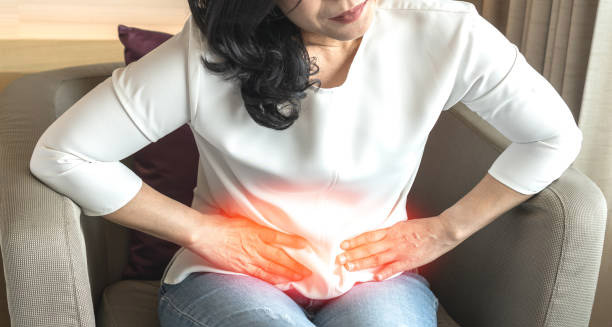
Woman holding lower abdomen in pain indicating symptoms of kidney stones

Symptoms of Kidney Stones

Symptoms of kidney stones can range from mild discomfort to severe, debilitating pain, depending on the size, location, and movement of the stones within the urinary tract. Many people first notice a kidney stone when it starts to move or blocks urine flow. The urinary system has narrow tubes and soft tissues, so even a small stone can cause strong pain. Spotting the symptoms of kidney stones early helps you get the right treatment fast. This can also stop serious problems like infection or kidney damage. Sometimes, a stone may pass quietly with little trouble. Other times, it gets stuck in the ureter and causes a sudden, sharp pain. The level of pain depends on how the stone moves, its size, and whether it blocks the flow of urine or causes infection. Sudden and Severe Flank Pain One of the most common symptoms of kidney stones is sharp pain in the lower back or side, also called renal colic. This pain starts suddenly and can spread to the belly or groin. It happens when a stone gets stuck in the ureter, the tube that links the kidney to the bladder. This pain usually feels: Walking or changing positions usually doesn’t help and may make the pain worse. Renal colic is serious and needs quick medical care. Painful or Difficult Urination Another clear sign is pain during urination, called dysuria. When the stone gets close to the bladder, it rubs against the urinary tract, causing a burning feeling when you pee. You might also notice: These symptoms can feel like a urinary infection. Sometimes, both can happen at once. So, it’s important to find the real cause with proper tests. Blood in the Urine (Haematuria) Blood in your urine is another sign of kidney stones. When the stone scratches the walls of the ureter or bladder, it can break tiny blood vessels and cause bleeding. The urine might look: However, not all bleeding is easy to see. Sometimes, only lab tests can find the blood in urine. That’s called microscopic haematuria and is very common in people with kidney stones. Symptoms of Kidney Stones and Digestive Upset The strong pain from kidney stones can upset the stomach. This happens because the kidneys and stomach share nerve signals. Nausea and vomiting may follow. This is more likely if: If you feel sick and vomit along with severe back or belly pain, your kidney stone may need urgent care. Fever and Chills Sometimes, symptoms of kidney stones come with a fever or chills. This happens when a blocked ureter causes an infection. Germs get trapped behind the stone and the infection can spread fast. Watch for these warning signs: These signs mean you need emergency help. You may need antibiotics and a hospital stay before the stone can be treated. Urinary Changes With Symptoms of Kidney Stones Many symptoms of kidney stones show up as changes in how you pee. These include: Some of these problems may last even after the stone passes. That’s because your urinary system may stay sore or you may have another issue causing stones. Referred Pain from Kidney Stones Sometimes, the pain from kidney stones shows up in places you wouldn’t expect. This is called referred pain, where pain is felt somewhere other than where it starts. For example: This kind of pain can confuse doctors. That’s why kidney stones are sometimes mistaken for period pain, hernias, or even appendix problems. Silent Stones Not all symptoms of kidney stones are obvious. Some people have “silent” stones that don’t cause pain or other signs. These often show up by accident during tests for other health issues. Silent stones might: Even without symptoms, big stones or those that might block urine later still need treatment. Catching them early helps avoid trouble. When to Seek Medical Attention for Symptoms of Kidney Stones Knowing when to get help is key. Talk to a doctor if you have: Getting help early can stop infection, save your kidneys, and help avoid surgery. Waiting too long can make things worse. Conclusion Understanding the symptoms of kidney stones enables individuals to act swiftly and seek appropriate care before complications arise. From excruciating flank pain and painful urination to blood in the urine and fever, these symptoms can vary widely in intensity and impact. Recognising the warning signs and distinguishing them from other conditions is a key step in managing and resolving kidney stones effectively. With accurate diagnosis and prompt treatment, most people recover fully and can take steps to reduce recurrence in the future. [Next: Diagnosis of Kidney Stones →]

Symptoms of Kidney Stones Read More »

Medical illustration showing kidney stones with diagnostic focus and anatomical overlay

Diagnosis of Kidney Stones

Diagnosis of kidney stones is essential for determining the most appropriate treatment and for preventing serious complications such as infection, urinary obstruction, or kidney damage. The diagnosis of kidney stones is a crucial step that helps avoid serious problems. Kidney stones often cause pain that mimics other conditions, such as urinary infections or digestive problems. Because of this, an accurate and timely diagnosis of kidney stones ensures patients receive the right care. Doctors use several tools to confirm the diagnosis of kidney stones. These include a medical exam, lab tests, and imaging. Early diagnosis can help avoid surgery. In repeat cases, the diagnosis also uncovers hidden causes such as poor diet or body chemistry problems. Clinical Assessment The first step in the diagnosis of kidney stones begins with a clinical check. Doctors will take a full medical history and perform a physical exam. Common symptoms include sharp pain in the side or back, blood in the urine, or trouble urinating. The doctor may ask about: During the exam, the doctor may press the belly or back to check for sore spots. While this step cannot confirm the stone on its own, it helps guide the next tests. Urinalysis One of the main tools in the diagnosis of kidney stones is a simple urine test. It can show signs that a stone may be present or causing problems. Key findings include: Urinalysis is quick, painless, and helps spot issues like poor hydration or infection risk. Blood Tests Blood tests support the diagnosis of kidney stones by checking for causes and effects of stone formation. Doctors usually test: Blood tests also help guide treatment, especially if the stones keep coming back. Imaging Studies Scans are a vital part of the diagnosis of kidney stones. They let doctors see the stone’s size, shape, and location. This guides treatment decisions and shows if there’s a blockage. The main scans used are: 1. Non-contrast Helical CT Scan 2. Ultrasound 3. X-ray (KUB) Each imaging option helps in a different way. The doctor chooses based on patient needs and safety. Stone Analysis (Post-Passage) After the stone passes naturally or is removed, doctors send it for testing. This helps confirm the type and guide future prevention. Common types include: Knowing the exact type supports changes in diet, medicine, or lifestyle to stop stones from forming again. Metabolic Evaluation (for Recurrent Stones) For patients with repeat stones, a full metabolic test is part of the diagnosis of kidney stones. This helps find hidden causes. Steps may include: This testing is key for younger people, those with stones on both sides, or those with a strong family history. The results help tailor long-term plans. Differential Diagnosis Not every case of pain or blood in the urine is caused by stones. The diagnosis of kidney stones includes ruling out other serious conditions, such as: Lab tests and scans help doctors quickly find the right cause and avoid delay in treatment. Paediatric Considerations Children can also get kidney stones. Their diagnosis needs special care. Stone cases in kids are rising due to diet and rising obesity. Ultrasound is often the first scan used. In children, a full metabolic workup is usually done. This helps find early signs of health problems or genetic risks that may not show up otherwise. Conclusion The diagnosis of kidney stones relies on a mix of careful questions, lab tests, and scans. Each step gives doctors more information about the size, cause, and effect of the stone. From urine tests to CT scans, every tool plays a role. With early and accurate diagnosis of kidney stones, doctors can offer fast relief, reduce risks, and stop stones from returning. With proper follow-up, most patients avoid serious long-term damage. [Next: Treatment of Kidney Stones →]

Diagnosis of Kidney Stones Read More »

Digital illustration of kidneys highlighting treatment for kidney stones

Treatment of Kidney Stones

Treatment of kidney stones depends on several key factors, including the size, location, and composition of the stone, as well as the severity of the patient’s symptoms and their overall health. The treatment of kidney stones often starts with simple care, especially if the stone is small. In these cases, no surgery is needed. But for larger stones or ones causing problems, doctors may need to take stronger steps. The main goal of the treatment of kidney stones is to ease pain, remove the stone, stop infections, and prevent new stones from forming. Doctors do more than just treat the pain and blockage. They also try to stop new stones from forming. This often includes a mix of medicines, changes in daily habits, and sometimes surgery. Each case is different and needs its own approach. Conservative Management for Small Stones Small stones, usually less than 5 millimetres wide, can often pass without surgery. In these cases, the treatment of kidney stones helps the stone pass naturally and keeps pain under control. Drinking More Fluids Doctors tell patients to drink 2 to 3 litres of water daily. This helps clean out the urinary system. More fluids can push the stone through faster. Easing the Pain Common painkillers like ibuprofen help reduce swelling and pain. If the pain is very bad, doctors may give stronger medicine or muscle relaxers. Helping the Stone Pass Some medicines, like alpha-blockers (for example, tamsulosin), help relax the muscles in the ureter. This can make it easier for the stone to move. This treatment works best when the stone is in the lower ureter. Even though these steps are simple, doctors watch the patient closely. If the stone doesn’t pass in a few weeks, or if the pain gets worse, other treatments are needed. Medical Management Based on Stone Composition The treatment of kidney stones changes based on what the stone is made of. Knowing the type of stone helps doctors choose the right medicine. Calcium Oxalate or Calcium Phosphate Stones Uric Acid Stones Cystine Stones Struvite Stones (linked to infection) This type of treatment of kidney stones helps protect the kidneys and lowers the chance of getting more stones in the future. Interventional and Surgical Treatments for Kidney Stones Sometimes, simple care doesn’t work, or the stone is too big to pass. In these cases, the treatment of kidney stones must involve surgery or special tools. Many options are available today and are less risky than before. Shock Wave Lithotripsy (SWL) How it works: High-energy sound waves break the stone into smaller bits, which pass in the urine.Best for: Stones in the kidney or upper ureter under 2 cm.Pros: No surgery; quick recovery.Cons: May need more than one session; not for very hard stones. Ureteroscopy How it works: A thin tube goes through the bladder into the ureter. A laser breaks the stone, or the doctor removes it.Best for: Stones in the ureter or lower kidney.Pros: No cuts; doctors take out the pieces.Cons: Usually needs general anaesthesia. Percutaneous Nephrolithotomy (PCNL) How it works: A small cut is made in the back to reach the kidney. The doctor removes the stone directly.Best for: Big or hard-to-reach stones.Pros: Works well for large stones.Cons: More invasive; hospital stay needed. Open or Laparoscopic Surgery This is rare and only used when other methods don’t work.The doctor removes the stone through a cut. Thanks to these modern tools, the treatment of kidney stones is now safer and faster, with good results and shorter healing time. Pain Management and Supportive Care Even when doctors use surgery or strong medicine, comfort care is still important in the treatment of kidney stones. Pain relief is key while the stone is passing or after surgery.If the stone causes sickness in the stomach, anti-nausea medicine helps.If doctors think there’s an infection, they give antibiotics. Since pain can come and go and be very strong, patients need a mix of fast and long-lasting pain medicine, based on how they feel. Prevention of Recurrence The long-term treatment of kidney stones is about more than just removing the stone. Preventing another one is just as important, especially in people who’ve had them before. Lifestyle Changes Follow-up and Checks When patients stick to these steps, they lower the chance of getting new stones. Treatment of Kidney Stones in Special Populations Some people need a different approach. The treatment of kidney stones must be adjusted for: These cases often need a team that includes kidney and urinary doctors, and sometimes diet experts. Conclusion The treatment of kidney stones ranges from simple hydration and pain relief for small stones to advanced surgical procedures for complex or obstructive cases. By understanding the stone type, size, and the person’s health, doctors can choose the right plan. With the right care and lifestyle habits, most people fully recover and avoid future kidney stones. [Next: Complications of Kidney Stones →]

Treatment of Kidney Stones Read More »

Woman in visible pain holding abdomen due to kidney stone complications

Complications of Kidney Stones

Complications of kidney stones can range from manageable side effects to serious, long-term health risks. While many people pass kidney stones without lasting harm, it’s important to understand that complications of kidney stones can develop when the stones are large, recur frequently, or obstruct the flow of urine. These complications may affect not only the kidneys but also the urinary tract and other vital systems. Identifying and managing such issues early is critical to avoiding permanent damage and maintaining kidney function. Kidney stones, though common, are not always harmless. When they get stuck in the urinary tract or cause repeated infections, they can disrupt kidney function. This leads to ongoing pain, swelling, and infection. Over time, untreated problems can even result in kidney failure or blood infections, which may be life-threatening if not handled quickly. Urinary Tract Obstruction from Complications of Kidney Stones One of the first complications of kidney stones is blockage in the urinary tract. A stone can stop the flow of urine, which causes pressure to build in the kidney. This pressure leads to swelling, known as hydronephrosis. The result is strong pain and a drop in kidney performance. These problems may include: Even a short-term blockage can hurt the kidney’s filters, called nephrons. If this keeps happening or isn’t treated, long-term kidney issues may follow. Recurrent Infections Caused by Stones Complications of kidney stones often lead to repeated urinary tract infections. This happens when a stone holds bacteria or gets in the way of normal urine flow. Common signs of infection include: Infections linked to kidney stones are harder to treat. The bacteria can stay in or near the stones, making medicine less helpful. If the infection spreads, it can reach the kidneys and even the bloodstream. Chronic Kidney Damage Repeated stone problems can slowly damage the kidneys. One of the more serious complications of kidney stones is chronic kidney disease (CKD). In this condition, the kidneys stop working well and can’t remove waste or control fluids properly. Things that raise the risk of kidney damage include: Scars may form due to swelling, infection, or long-term blockage. Sadly, damaged kidney tissue cannot grow back. In late stages, patients might need dialysis or even a transplant. Sepsis – A Dangerous Result A rare but serious complication of kidney stones is sepsis. This occurs when an infection travels from the kidney into the blood. It causes widespread swelling in the body and can lead to failure of several organs. Watch out for these signs of sepsis: Sepsis is an emergency. Doctors must act fast with IV antibiotics and fluids. If the infection comes from a blocked kidney, quick surgery might be needed to drain it. Bleeding and Injury in the Urinary Tract Some complications of kidney stones cause harm to the walls of the urinary tract. Sharp stones can cut or scrape the ureters or bladder as they move through or are removed. These injuries can cause: A little bleeding is common and usually not serious. But more damage may need surgery. Over time, scar tissue may form and block the flow of urine, leading to more stones. Repeat Stones and Ongoing Problems A major complication of kidney stones is how often they come back. Without changes in diet or habits, many people will face new stones within five years. Risk factors for new stones include: To stop this cycle, doctors often suggest diet changes, medication, and regular check-ups. Repeat stones can lead to more health issues and increase stress and medical costs. Mental Health Effects of Complications of Kidney Stones Many people overlook how complications of kidney stones can affect emotional well-being. The intense pain, fear of new stones, and missed work or travel plans can cause emotional stress. People may struggle with: Some people with long-term pain may feel depressed. They may also rely too much on painkillers, which brings its own risks. At-Risk Groups for Complications of Kidney Stones Some people face higher risks or worse complications of kidney stones, such as: These groups need fast diagnosis and careful care to avoid serious outcomes. Preventing Long-Term Complications of Kidney Stones The best way to avoid complications of kidney stones is to prevent stones in the first place. Helpful steps include: Regular check-ups, scans, and urine tests can catch problems early. Education and support also help people stay on track with lifestyle changes and protect kidney health over time. Final Thoughts on Complications of Kidney Stones While kidney stones often pass with little harm, the complications of kidney stones can be severe or even deadly if ignored. These risks—such as blockage, infections, chronic disease, or sepsis—highlight why quick treatment and long-term prevention matter so much. With the right steps, most people can stay healthy and avoid repeat problems. [Next: Overview of Kidney Infection →]

Complications of Kidney Stones Read More »

Scroll to Top