Mental Matters

Knock Knees

Overview of Knock Knees

Overview of Knock Knees

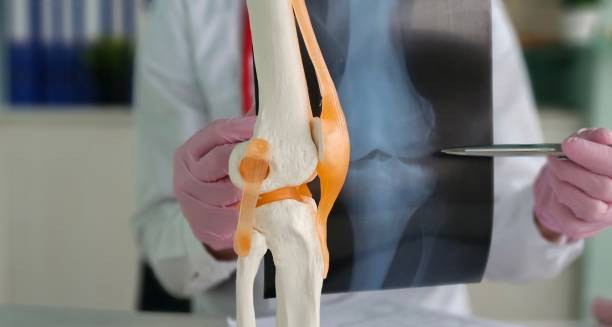
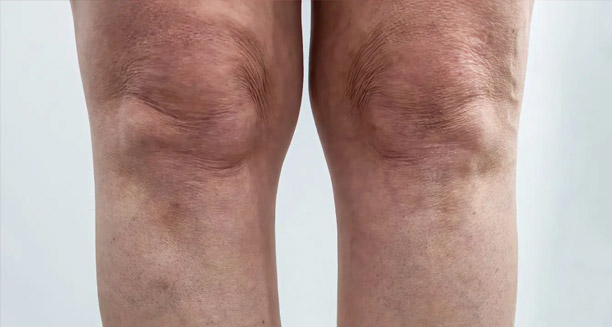
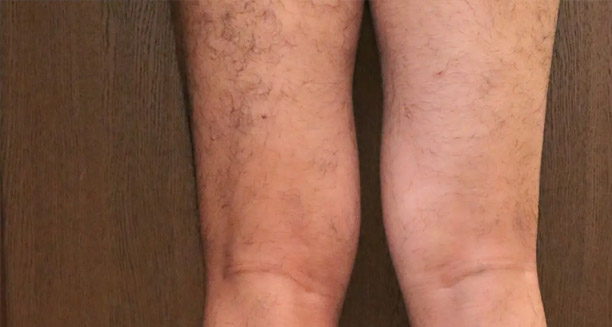
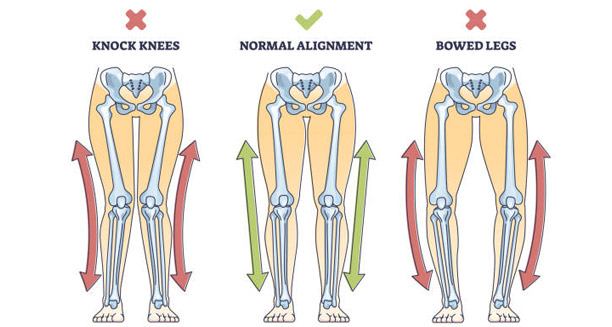
Knock knees is a condition where the knees angle inward and touch each other when the legs are straight. People with knock knees often show a noticeable gap between their ankles when standing with their knees together. Medically, this is called genu valgum. This alignment issue is common in young children and usually corrects itself as they grow. However, when knock knees persist into adolescence or adulthood, it may signal an underlying problem or imbalance needing medical care. The term “knock knees” describes a musculoskeletal deviation where the thigh bone (femur) angles inward, causing the knees to meet even when feet are apart. Mild cases often cause no harm and improve naturally. But severe cases can cause pain, limit movement, and strain joints. Sometimes both legs are equally affected. Other times, one leg shows worse knock knees, causing uneven walking and issues in the hips or spine. Overview of Knock Knees: Development and Impact In early childhood, knock knees are usually part of normal bone growth. Between ages two and five, many children go through a phase of genu valgum. This phase helps position joints properly and supports balance while learning to walk and run. Most children’s legs straighten by age seven or eight. If knock knees continue past this age or appear suddenly in older kids or adults, they may indicate conditions like bone diseases, injury, obesity, or genetic disorders. Understanding the overview of knock knees helps not just with clinical care but also with emotional support. Even when no physical symptoms exist, visible leg differences can lower confidence and cause social discomfort, especially in teens. Untreated knock knees may increase risks for arthritis, unstable knees, or chronic pain later on. Overview of Knock Knees: Types and Diagnosis There are two main forms of knock knees: physiological and pathological. Physiological knock knees occur naturally during growth and usually need no treatment. Pathological knock knees come from abnormal growth, illness, injury, or genetic issues and may require medical evaluation. Doctors assess knock knees by observing leg alignment and considering factors like age, growth patterns, and medical history. In adults, pain or difficulty walking can lead to further tests such as X-rays or MRIs. These help check bone shape, joint damage, and soft tissue problems like muscle weakness or loose ligaments. When knock knees persist or cause functional problems, treatments range from physical therapy and braces to weight management and surgery. Treatment aims to improve joint use, ease pain, and prevent future joint damage—not just fix the appearance. Overview of Knock Knees: Biomechanics and Public Health Biomechanically, knock knees change how weight and pressure spread across the knee joint. This uneven load can cause runner’s knee (patellofemoral pain), strain on inner knee ligaments, or early arthritis. Over time, these problems can limit mobility and cause pain, especially in active people or those with demanding jobs. In some places with limited healthcare, knock knees may go undiagnosed or untreated. Malnutrition, vitamin D deficiency, and diseases like rickets contribute to persistent knock knees in children. Public health efforts focusing on nutrition and early care can help prevent these issues. Modern orthopaedics and physiotherapy have improved outcomes. Guided growth surgery can correct deformities in children with open growth plates. Adults with severe knock knees might benefit from bone realignment surgery (osteotomy) or, in extreme cases, knee replacement. Overview of Knock Knees: Living with the Condition Having knock knees does not always limit daily life. Many with mild to moderate knock knees stay active and healthy without treatment. Regular exercise, balanced nutrition, proper shoes, and good posture help reduce discomfort and slow progression. However, those with pain, balance problems, or movement limits should see a doctor for support and monitoring. Early diagnosis and care can improve results and quality of life. In summary, the overview of knock knees shows it can range from a normal childhood phase to a serious adult condition. Knowing its causes, effects, and treatments helps individuals and caregivers decide when to watch, when to act, and how to protect long-term joint health. Early professional evaluation makes a strong difference for people affected by this common orthopedic issue. [Next: Causes of Knock Knees →]
Overview of Knock Knees Read More »

Symptoms of Knock Knees

Symptoms of Knock Knees

Symptoms of knock knees can vary widely depending on the age of the individual, the severity of the condition, and any underlying medical causes. While mild knock knees in young children are usually part of normal growth, more serious or lasting cases can cause pain and movement problems. These symptoms can also limit daily activities. Knowing the symptoms of knock knees helps with early detection, proper care, and avoiding long-term joint problems. Symptoms of knock knees in children In children younger than seven, knock knees often occur naturally. This is part of how their bones grow and shift. The most noticeable sign is how the knees look. When a child stands straight with feet together, the knees touch, but the ankles remain apart. This is called genu valgum. It usually fixes itself with time. These children often do not have pain or trouble moving. They can run, walk, and play just like other kids. When knock knees don’t improve But when the angle of the knees stays the same or becomes worse after early childhood, the symptoms of knock knees become clearer. One early sign is a strange walking style. Affected people might swing their legs outward while walking. Sometimes the knees rub together, which can feel uncomfortable or look awkward. These signs are often more obvious during sports or long walks. Knee pain is another common symptom. This pain often appears on the inner or outer side of the knee. Because the knees are not straight, pressure shifts to one side more than the other. Over time, this uneven load causes strain. The knee may swell or feel sore. The pain often gets worse with activity. In children, the pain might be mild and easy to miss. But teens and adults might feel stronger, long-lasting pain that disrupts their daily lives. Knock knees may affect other body parts In serious or untreated cases, the symptoms of knock knees may affect other parts of the lower body. The poor knee alignment changes the way the body moves. This can lead to pain in the hips, ankles, or lower back. Some people feel hip tightness or unsteady ankles. Others say their legs feel weak or give out when active. These changes happen because the body is trying to adjust. It shifts how it moves to balance the uneven knees. Muscle tiredness and weakness can also happen. The thigh and calf muscles must work harder to keep balance. This extra effort leads to faster tiredness. Kids may avoid playing or sports due to discomfort or being shy about how they look. Adults may feel sore after walking or standing for a long time. More signs of knock knees in everyday life Another clue is how shoes wear out. Knock knees make the legs turn inward. This causes the inside edges of shoes to wear down faster. This uneven shoe wear shows how the body weight is not balanced. Even people without pain may notice this early sign. It helps spot knock knees before worse symptoms begin. Swelling or puffiness around the knees may also be present. This happens if the joint is inflamed, especially in those with other health issues like juvenile arthritis or past injuries. Swelling may come and go. It gets worse with activity and better with rest. The knee may feel sore, warm, or look red. Severe symptoms of knock knees In more serious cases—especially when knock knees come from bone disease, injury, or genetic conditions—the legs may look very misaligned. Sometimes one leg is worse than the other. This can make walking harder and raise the chance of falls. It may also wear down the joints and limit physical ability. Social symptoms are also important, especially for teens and adults. People who have visible knock knees may feel embarrassed or have low self-esteem. They might avoid group sports or other public activities. These feelings are often overlooked but can greatly affect mental health. Symptoms of knock knees in adults The symptoms of knock knees in adults tend to be more serious than in kids. Adults may get knock knees from arthritis, past injury, or another health problem. These cases may include stiff joints, less ability to move, grinding sounds in the knees, and worsening movement over time. Some adults find it hard to squat, kneel, or rise from a chair without pain. Adults who had knock knees as children may notice their symptoms worsen over the years. This can happen due to joint wear and tear. Without treatment, the joints can slowly break down. This may lead to cartilage loss and the need for joint replacement later in life. Early care helps manage symptoms of knock knees In short, the symptoms of knock knees can range from mild changes in walking to serious pain, weak muscles, and joint damage. Younger children may just have a cosmetic issue. Older people may struggle with pain and movement. Spotting the symptoms of knock knees early—especially when they last beyond the normal age for correction or appear in adulthood—is key. A healthcare check-up can help find the cause and start treatment. This prevents long-term issues and helps people stay active and healthy. [Next: Diagnosis of Knock Knees →]

Symptoms of Knock Knees Read More »

Diagnosis of Knock Knees

Diagnosis of Knock Knees

Diagnosis of knock knees involves a comprehensive evaluation that takes into account the individual’s medical history, physical appearance, gait pattern, and any underlying conditions contributing to the alignment issue. A doctor starts by talking through the person’s symptoms and past health problems. They then look at the body’s structure and how the person walks. Each case is different, especially in children and adults. That’s why a personal approach helps make the diagnosis clear and guides the right treatment plan. Diagnosis of Knock Knees in Young Children In babies and toddlers, slightly bent or knock-kneed legs often form part of normal growth. Paediatricians usually spot this during regular check-ups. If the leg position seems typical for the child’s age and the child shows no signs of pain or walking problems, doctors usually just keep an eye on things. At this stage, they mainly rely on what they see and how the child grows over time. No advanced scans or tests are needed unless something seems off. As children grow older, especially after age seven, or if teenagers or adults show signs of knock knees, doctors dig deeper. They want to know if the condition is caused by illness, keeps getting worse, or is linked to something else. A full medical history is taken to look for root causes. These might include poor nutrition, past injuries, bone problems, infections, or family history. For example, if close family members had rickets or Blount’s disease, doctors will take a closer look. Physical Exam and Gait Analysis for Diagnosis of Knock Knees Next comes a physical exam. The doctor watches how the person stands and walks. They may ask the person to put their feet together. If the knees touch but the ankles stay far apart—more than 8 to 10 centimetres—it often points to a strong case of knock knees. The doctor also checks if one leg is longer, whether the hips move well, and if there’s any swelling, pain, or muscle weakness. Sometimes a gait test is done to see how the person walks. This is helpful when knock knees change how someone moves. In special clinics, labs use motion sensors to track walking. These results help doctors decide if braces, therapy, or even surgery might be needed. Imaging and Lab Tests in the Diagnosis of Knock Knees To confirm the diagnosis of knock knees, X-rays are usually the first choice. These scans show how the bones line up. Doctors often take the X-rays while the person is standing to see how their legs carry their weight. They measure the angle between the thigh bone and the shin to see how severe the bend is. If the case looks more complicated, doctors may order extra tests like MRIs or CT scans. These give a better look at the soft parts inside the knee, like cartilage and ligaments. They’re especially helpful if the person feels pain or has swelling. An MRI can show early signs of joint wear, damaged cartilage, or fluid inside the knee. Blood tests usually aren’t needed. But if a doctor suspects the knock knees are caused by another illness, they might check blood levels of calcium, vitamin D, or signs of infection or inflammation. In rare cases, a genetic test might be done if doctors think the problem runs in the family. Monitoring and Special Tools for Diagnosis of Knock Knees For kids and teens, tracking growth over time is important. Regular check-ups help spot if the knees are getting better, staying the same, or getting worse. If the angle gets worse, doctors may act early to avoid future problems. Growth charts and bone age scans from hand X-rays can help measure changes during childhood. Photos can also be useful. Parents might be asked to take pictures of their child standing in the same way over time. These pictures help doctors spot changes without needing repeated X-rays. In adults, especially those with knee pain or joint wear, the focus shifts. The doctor still checks for knock knees but also looks at how the problem affects walking, balance, and joint health. Movement tests, squats, and balance checks give clues about what’s going on. Classifying Severity in the Diagnosis of Knock Knees Once doctors are sure about the diagnosis of knock knees, they decide how serious it is—mild, moderate, or severe. This step helps guide treatment. Mild cases might only need regular checks or exercise. Severe ones could require braces or surgery. In short, the diagnosis of knock knees needs a full check—talking to the patient, watching how they move, taking X-rays, and sometimes doing lab tests. Finding the problem early makes it easier to treat. Whether the goal is to help a child grow properly or ease pain in adults, a clear diagnosis leads to better care and less chance of long-term joint damage. [Next: Treatment of Knock Knees →]

Diagnosis of Knock Knees Read More »

Treatment of Knock Knees

Treatment of Knock Knees

Treatment of knock knees depends on several factors, including the individual’s age, the severity of the angulation, any underlying health conditions, and whether the deformity is causing pain or functional issues. Mild cases often don’t need any treatment. These usually go away as children grow. But if the problem is moderate or severe and lasts into teenage years or adulthood, medical help may be needed. This help can include therapy or even surgery. It’s important to understand the full range of treatment of knock knees options so that people can improve posture, movement, and joint health. When Knock Knees Are Part of Normal Growth In young children, knock knees are often a normal part of growing up. Between ages two and five, it’s common for their legs to move from a bowed shape to a knock-kneed one. By age seven or eight, the legs usually straighten on their own. In these cases, no treatment is needed. Doctors will still check the child’s leg shape during routine visits to make sure everything is developing normally. Sometimes, though, the condition becomes more noticeable or doesn’t go away. If knock knees get worse over time or last beyond early childhood, doctors may suggest early treatments that don’t involve surgery. Physical Therapy and Orthotics for Treatment of Knock Knees Physical therapy is often the first step. It helps fix muscle weakness and improves how the joints work. A trained therapist might create a set of exercises to make the thigh, hip, and butt muscles stronger. These exercises also stretch tight areas and help line up the legs better. As a result, pain and extra stress on the joints can be reduced. Orthotic devices are another key part of treatment of knock knees. Special insoles or knee braces can help spread weight more evenly across the knees. These tools work best in growing kids or in adults with mild to moderate cases. In some advanced cases, braces worn at night or tools to lengthen the leg might be used. However, once bones are done growing, these devices don’t work as well. Supporting Treatment with Lifestyle Changes Changes in lifestyle can help too. For people who are overweight, losing weight can reduce pressure on the knees. This helps with walking and standing. Eating foods rich in vitamin D, calcium, and protein can also support healthy bones. In children or in people with weak bones, a good diet becomes even more important. Fixing any vitamin or mineral shortages, especially those that lead to bone diseases like rickets, is key. Adults who feel pain or can’t move well may need medicine. Drugs like ibuprofen or naproxen can ease swelling and pain. In stronger cases, doctors might give an injection to calm severe pain. These are short-term fixes and usually not used as a long-term plan. Surgical Options in Treatment of Knock Knees If non-surgical steps don’t work, or the knees are badly out of line, surgery might be needed. The most common surgery is called an osteotomy. In this procedure, a doctor cuts and moves parts of the thigh or shin bone to get the legs straight. They may remove or add a piece of bone and hold it in place with metal plates or screws. Recovery often takes months and includes therapy to rebuild strength and movement. Kids who are still growing may benefit from a different type of surgery. A small metal plate is placed on one side of the growth plate to slow growth there. The other side keeps growing normally, which slowly straightens the legs. Once the legs are aligned, the plate is taken out. This method avoids cutting the bone and is less invasive. After surgery, patients need check-ups, therapy, and changes to daily habits. They should focus on low-impact sports like swimming or cycling. High-impact sports might be off-limits for a while to avoid harming the healing bones. Modern Technology and Support in Treatment of Knock Knees It’s important to remember that treatment of knock knees isn’t just about how legs look. If left untreated, the condition can cause long-term problems. These may include early arthritis, knee damage, back pain, and weak joints. Catching the issue early—whether through exercise or surgery—can prevent serious joint problems later. In some areas, people also try other methods along with regular treatment. Yoga, Pilates, or water exercises can help with strength, balance, and flexibility. These don’t fix bone shape, but they can ease pain and improve movement when done often. Some doctors now use robots and 3D images for surgery. These tools help plan and perform bone corrections with great accuracy. Surgeons can customise the treatment for each person, which often leads to better and faster results. Educating Families and Ensuring Long-Term Success Education is also key to success. Patients and their families should learn about the condition, how it may change over time, and why it’s important to stick to therapy or wear braces. Support groups for parents can offer comfort and practical tips, especially when dealing with knock knees from birth. In summary, treatment of knock knees can be as simple as watching and waiting or as complex as surgery. A team approach—working with children’s doctors, bone specialists, therapists, and nutrition experts—can give the best results. With early care and the right plan, most people with knock knees can move better, feel less pain, and enjoy a better life. [Next: Complications of Knock Knees →]

Treatment of Knock Knees Read More »

Complications of Knock Knees

Complications of Knock Knees

Complications of knock knees can vary significantly depending on the age at onset, severity of the deformity, and whether the condition is properly diagnosed and treated. Some people have no problems and live without pain. However, others may face issues with their muscles, joints, or movement. These problems can affect daily life and long-term health. It’s important to understand the complications of knock knees to act early and manage the condition well. One common problem is long-lasting knee pain. The knees don’t line up properly, so pressure spreads unevenly. In knock knees, either the inner or outer part of the knee carries too much weight. This extra strain wears down the cartilage. Over time, this leads to swelling, pain, and stiffness, especially during walking, using stairs, or standing for long periods. Early Arthritis and Joint Problems Another major complication of knock knees is early arthritis. This joint disease gets worse faster in people with misaligned legs. That’s because certain parts of the joint take more stress. As the cartilage breaks down, the bones start rubbing together. This causes pain, less movement, and swelling. For young adults, this may lead to less physical activity or even early joint surgery if not treated soon. Knock knees also change the way a person walks. The legs move in a strange way, which causes the body to shift. Over time, this leads to poor posture. People may tilt their pelvis or turn their hips inward to adjust. But these changes put extra stress on the hips, lower back, and pelvis, causing more pain. Foot and Muscle Imbalance Foot and ankle problems are also common in people with knock knees. To stay balanced, their feet may turn outward or inward. This can cause flat feet, ankle weakness, or extra strain during exercise or walking. These changes may lead to tiredness, pain, or a higher chance of injury. A less obvious problem is muscle imbalance. Since the knees are out of line, some muscles work too hard while others weaken. This makes movement harder and tires the body faster. Kids may avoid running or playing, while adults may feel worn out from basic daily tasks. Complications of Knock Knees in the Back and Spine In more serious or untreated cases, knock knees can harm the spine. As the knees angle inward, the body’s center shifts. To cope, the spine may bend more than it should. This can put pressure on the spinal discs, nerves, and muscles, leading to back pain or nerve issues like sciatica. The complications of knock knees are not only physical. Emotional and social effects matter too. Teenagers and young adults may feel embarrassed or insecure about how their legs look. If others tease them, this can lower their confidence. Over time, they may feel lonely, sad, or even depressed. Impact on Work, Sports, and Daily Life Knock knees can also affect work and sports. Jobs that require physical effort—like nursing, construction, or manual labor—may become difficult. In athletes, leg misalignment affects speed, balance, and strength. This increases the risk of injuries like ligament tears or meniscus damage. In the worst cases, knock knees can cause serious disability. If the condition gets worse and remains untreated, the joints may suffer permanent harm. Some people may need crutches or walking aids. This limits their movement and lowers their ability to live on their own. In children, knock knees may lead to uneven growth. Conditions like rickets or Blount’s disease can slow growth or make one leg grow faster than the other. Surgery may be needed to fix these problems, along with the leg deformity. Surgery Risks and the Need for Ongoing Care Even after surgery, complications of knock knees can appear if healing does not go well. While treatments like bone cutting or growth-guiding surgery often help, risks include infection, poor healing, or device failure. Careful rehab and regular check-ups are key to avoid these problems. In summary, complications of knock knees range from joint and muscle pain to serious conditions like arthritis, walking problems, and emotional stress. The effects depend on how bad the deformity is and how early it gets treated. With the right care, people can manage their symptoms and enjoy a healthy, active life. [Next: Back to Overview →]

Complications of Knock Knees Read More »

Scroll to Top