Mental Matters

Labial Fusion

Overview of Labial Fusion

Overview of Labial Fusion

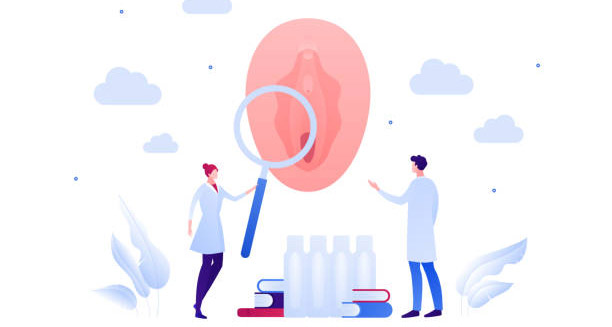
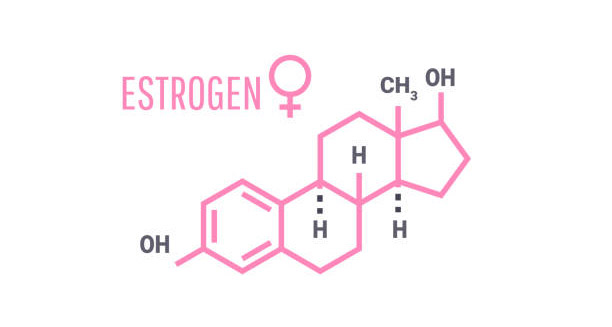
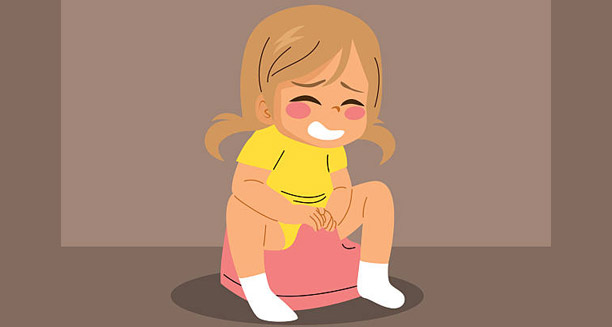
Labial fusion is a condition that occurs when the labia minora—the inner folds of the vulva—adhere together, partially or completely covering the vaginal opening. This condition is most commonly seen in prepubertal girls, typically between the ages of three months and six years. While labial fusion can initially cause concern among parents or caregivers, it is generally a benign condition that often resolves with time or minor treatment. Understanding the anatomical, physiological, and developmental factors involved is essential for recognising and appropriately managing this condition. This condition does not result from any birth defect or structural issue. Instead, labial fusion develops over time due to several factors, including low oestrogen levels, local irritation, and inflammation. In young children, oestrogen levels are naturally low—especially after the initial influence of maternal hormones wears off. This low hormonal state, combined with friction, poor hygiene, or recurring infections, may cause the labia to stick together. In most cases, the fusion is partial and causes no symptoms. However, complete fusion may sometimes lead to urinary problems. Labial fusion is often found by chance during routine paediatric check-ups or when a caregiver notices something unusual in the child’s genital area. It may appear as a thin, pale line where the labia have joined, running from the clitoris down to the posterior fourchette. Sometimes, only a small opening is left for urine to pass through. If the opening becomes irritated or narrowed, the child may show signs of discomfort. Still, most girls with labial fusion have no pain or infection, and the condition rarely causes long-term issues. Diagnosis and Clinical Features in the Overview of Labial Fusion In the past, labial fusion was sometimes confused with more serious conditions like ambiguous genitalia or vaginal agenesis. Thankfully, improved clinical knowledge now allows doctors to make a quick and accurate diagnosis by simply examining the area. There’s no need for imaging or invasive tests unless a more serious issue is suspected. A proper physical exam is enough to confirm the diagnosis and rule out other genital conditions. Although labial fusion is harmless, hearing the diagnosis often causes worry for parents. Many fear that it might affect their child’s growth or future fertility. That’s why reassurance and clear education are key parts of care. Parents should know that labial fusion does not affect the uterus, ovaries, or other internal organs. In most cases, the labia will separate naturally during puberty when oestrogen levels rise. This natural change is one reason why many doctors recommend simply observing the condition first. Observation is often the only treatment needed, especially when the child shows no symptoms. If problems do occur—like pain, difficulty urinating, or urinary tract infections—then treatment may be necessary. Doctors often prescribe a topical oestrogen cream for a few weeks. This cream helps the labia separate slowly and gently. While side effects are rare, they can include skin darkening or temporary breast swelling. These effects usually go away after the treatment ends. Treatment Options in the Overview of Labial Fusion Surgery is almost never needed. It’s only considered if the fusion keeps coming back or doesn’t respond to creams. In those rare cases, a doctor may perform a quick and gentle procedure to separate the labia. This is done under local or general anaesthesia. Even then, surgery is avoided unless truly necessary because of the stress it might cause and the high chance that the condition would resolve on its own. Preventing labial fusion from returning is also important. After successful treatment, some children may have recurring fusions if certain habits or irritants aren’t addressed. Prevention includes good hygiene, avoiding perfumed soaps or bubble baths, and keeping the genital area clean and dry. Barrier creams like petroleum jelly can help reduce friction. For toilet-trained children, wiping front to back can also reduce the risk of irritation caused by bacteria from the stool. Although labial fusion mainly affects young girls, it can also occur in postmenopausal women. In older women, the issue is caused by falling oestrogen levels, which make the tissues thinner and more prone to sticking. In this group, labial fusion can cause dryness, discomfort, or problems with urination and sexual activity. Treatments often include local oestrogen creams or hormone therapy, depending on the woman’s needs and medical background. Differential Diagnosis and Conclusion on the Overview of Labial Fusion It’s important to distinguish labial fusion from other conditions that might look similar. These include lichen sclerosus, vulvovaginitis, or labial hypertrophy. Each of these has different causes and requires different treatment. A full clinical exam and a good patient history are essential for a correct diagnosis. If the case is unusual or unclear, referral to a paediatric gynaecologist or dermatologist may be helpful. In conclusion, labial fusion is a common and harmless condition seen mostly in young girls and sometimes in older women. It involves the sticking together of the labia minora, often due to low oestrogen and local irritation. The condition is usually mild and goes away on its own. In cases with symptoms, simple treatments like oestrogen cream are usually enough. With the right care, education, and follow-up, labial fusion almost never causes lasting problems. [Next: Causes of Labial Fusion →]
Overview of Labial Fusion Read More »

Causes of Labial Fusion

Causes of Labial Fusion

Causes of labial fusion are often multifactorial, arising from a combination of anatomical, hormonal, and environmental influences. Understanding the causes of labial fusion is crucial in distinguishing this benign condition from more serious genital abnormalities and in guiding appropriate treatment or reassurance. Most commonly seen in prepubertal girls, labial fusion results from the adherence of the labia minora due to inflammation or irritation in an environment with low oestrogen levels. These underlying causes often interact with one another, contributing to the gradual sealing of the labial folds. Hormonal Changes and the Causes of Labial Fusion A major factor among the causes of labial fusion is the natural hormonal state of young children. After birth, newborns still have circulating maternal oestrogen. This hormone helps keep genital tissues plump and healthy. But after a few weeks, this oestrogen fades. The body’s oestrogen levels drop, leading to thinner and more fragile genital skin. In this low-oestrogen state, the labia minora become more prone to damage. They lose flexibility and may stick together if inflamed and pressed together for long periods. This makes irritation more likely to lead to fusion. Irritants, Hygiene, and Friction as Causes of Labial Fusion Poor hygiene or too much cleaning can also cause labial fusion. Soaps, bubble baths, and scented wipes often irritate the delicate vulval skin. Washing too much with harsh products strips away natural oils, causing dryness and damage. On the other hand, not cleaning enough allows urine and bacteria to build up, which can also irritate the skin. Both extremes make labial fusion more likely. Mechanical friction plays a part as well. Tight clothing, prolonged nappy use, or rubbing from play activities can all cause irritation. Nappies trap moisture and heat, creating a setting where infections and inflammation thrive. If this inflammation goes unchecked, the labia may fuse. During toilet training, children may also struggle with hygiene, increasing the risk. Infections and Trauma Among the Causes of Labial Fusion Urinary tract infections (UTIs) and vulvovaginitis are also common causes of labial fusion. These conditions inflame the genital area. As the tissues heal, they can stick together if not gently separated. The discharge and swelling from infections act like glue between the labia. This is especially a concern if caregivers don’t know to clean and separate the labia during healing. Trauma, even minor, can also lead to fusion. Scratching from eczema or irritation, or injury from accidents, can damage the skin. Inflammatory skin conditions like lichen sclerosus can cause scarring that leads to fusion if left untreated. Although rare, these conditions can look like labial fusion or make it worse, especially when oestrogen levels are low. Additional Causes of Labial Fusion in Various Age Groups Allergic reactions may also play a role. Laundry detergents, wipes, or even some sanitary products can trigger contact dermatitis. This condition inflames the skin and raises the risk of labial adhesion. Repeated exposure to such irritants without removal can create chronic inflammation. Sometimes, anatomical or developmental differences may be mistaken for causes of labial fusion. For example, enlarged labia minora can increase skin contact and raise the chance of irritation. Structural problems that affect urination or vaginal drainage may also lead to repeated infections, setting the stage for labial fusion. In postmenopausal women, a drop in oestrogen continues to be a key factor. Vulval tissue thins and dries out. During sex or physical activity, it may tear or become irritated. Frequent infections and dryness make fusion more likely. The underlying mechanism is the same—low oestrogen and chronic irritation. Rare and Environmental Causes of Labial Fusion Though uncommon, autoimmune diseases or chronic inflammatory disorders can also cause labial fusion. These cases are usually part of wider symptoms affecting skin and mucous membranes. Diagnosis and treatment here need a different approach. When labial fusion happens in an older child or adult without a clear cause, these systemic diseases should be considered. In under-resourced areas, lack of hygiene products and education adds to the problem. Without guidance on proper cleaning or access to gentle materials, girls may face chronic irritation. Cultural taboos may delay care, allowing the condition to progress. In summary, causes of labial fusion include hormonal changes, poor hygiene, physical irritation, infections, and skin conditions. Understanding the causes of labial fusion allows doctors to guide families better, reduce fear, and treat this condition with confidence. [Next: Symptoms of Labial Fusion →]

Causes of Labial Fusion Read More »

Symptoms of Labial Fusion

Symptoms of Labial Fusion

Symptoms of labial fusion can vary significantly depending on the degree of fusion and the age of the individual, although it most commonly affects girls between the ages of three months and six years. In many cases, labial fusion may go unnoticed by parents or caregivers, as the condition is frequently asymptomatic in its early stages. However, recognising the symptoms of labial fusion is crucial to prevent misdiagnosis, ease anxiety, and ensure proper care when issues arise. In mild cases, the fusion might not cause discomfort or visible signs. Often, the labial folds simply look joined at the middle. If the fusion does not block the urethral or vaginal opening, there may be no reason for concern. These early cases usually do not require treatment. However, when the fusion becomes more complete, symptoms begin to appear and may affect urination and hygiene. Urinary Changes Among Symptoms of Labial Fusion Changes in how a child urinates are often the first signs. A weak or spraying urine stream may appear if the labia partially cover the urethra. Clothes or underwear may become damp even after toilet use, which is sometimes mistaken for incontinence. In more severe cases, the fusion might fully block the urethral opening, leading to urinary retention. The child may then show signs of discomfort, irritability, or a desire to hold in urine to avoid pain. Another common symptom is repeated urinary tract infections (UTIs). The fused labia can trap moisture and secretions, creating a warm environment where bacteria thrive. Infections can cause burning during urination, urgency, fever, or foul-smelling urine. If a girl has repeated UTIs, a genital check should be done to rule out labial fusion as a cause. Genital irritation is also common. A child may frequently scratch or rub due to itching or discomfort. This irritation often results from trapped sweat, discharge, or urine between the fused folds. Redness, swelling, or even mild inflammation may show during an exam. In some cases, a pale line of tissue may be seen where the adhesion forms. This might be mistaken for scarring or injury. Vaginal Discharge and Emotional Effects Sometimes, vaginal discharge occurs alongside labial fusion. While a small amount of clear discharge is normal in young girls, thick or smelly discharge can signal infection. This symptom may raise concerns about sexual abuse or more serious gynaecological conditions. Recognising labial fusion can help avoid confusion and emotional stress. Older children may also feel distressed. They might become embarrassed, fearful of exams, or resist toilet training due to pain or confusion. These behaviours often improve with reassurance and support from both caregivers and doctors. Constipation is another indirect symptom. Children may avoid using the toilet due to discomfort, which can lead to stool holding. This can worsen urinary symptoms by putting pressure on the bladder. While not caused directly by fusion, constipation can make management more difficult. Symptoms of Labial Fusion Can Mimic Other Conditions In rare cases, symptoms may look like other serious conditions. Fused labia might resemble trauma, congenital issues, or signs of abuse, especially if accompanied by pain or discharge. This can alarm caregivers who are unfamiliar with the condition. A careful, accurate diagnosis by a healthcare provider is vital to avoid unnecessary panic or misinterpretation. In postmenopausal women, labial fusion is less common but often more severe. Symptoms in this group may include dryness, pain during sex, itching, or long-term irritation. This form of fusion usually results from lower oestrogen levels and is sometimes mistaken for skin conditions like lichen sclerosus. A thorough medical check is key to identifying the true cause. One reason symptoms of labial fusion are missed is the slow way the condition develops. Many caregivers only notice it during a bath or nappy change. Because the fusion forms over time, clear signs might not appear until it becomes more severe. Regular checks and knowing what a normal vulva looks like in young girls can help with early recognition. Recognising Symptoms of Labial Fusion Early Matters The impact of labial fusion symptoms often depends on access to healthcare. In places with fewer resources, children may not receive care until the fusion is advanced. This increases the risk of infections or problems with urination. In contrast, regular paediatric check-ups that include genital exams often catch the condition early, before symptoms become a concern. In summary, the symptoms of labial fusion range from no signs at all to noticeable problems like unusual urination, irritation, and infections. Spotting these symptoms early makes treatment easier, reduces stress, and prevents complications. Both caregivers and medical professionals should understand the signs, know how to tell them apart from other issues, and offer calm guidance and care when needed. [Next: Diagnosis of Labial Fusion →]

Symptoms of Labial Fusion Read More »

Diagnosis of Labial Fusion

Diagnosis of Labial Fusion

Diagnosis of labial fusion is typically straightforward and non-invasive, relying heavily on physical examination and a careful review of the patient’s symptoms and medical history. In most cases, this condition is recognised during routine check-ups or when parents express concerns about their child’s urinary patterns, genital appearance, or hygiene difficulties. Because diagnosis of labial fusion involves sensitive areas and young patients, the clinician’s approach must be both skilled and compassionate to avoid causing discomfort or distress. Labial fusion, also known as labial adhesions or labial agglutination, refers to the partial or complete joining of the labia minora in young girls or, rarely, postmenopausal women. Understanding the age group and context plays a vital role in diagnosis. In children, this condition often appears between three months and six years of age. In adults, it may result from hormonal deficiencies, especially oestrogen loss, or from inflammatory conditions. Medical History in the Diagnosis of Labial Fusion The first step in diagnosis of labial fusion involves taking a thorough medical history. Clinicians often ask caregivers about unusual urinary symptoms like dribbling, urgency, infections, or trouble with toilet training. They may also ask about hygiene habits, previous infections, or episodes of genital irritation. In older children or adults, questions may include discomfort during urination, itching, or pain when wearing tight clothing. After gathering history, the next part of diagnosis of labial fusion includes a gentle visual exam of the external genital area. In young children, the exam usually works best when the child lies on her back with knees bent or in the frog-leg position. The clinician will look at the vulva to see if the labia minora are partly or fully stuck together. A thin, pale line of tissue joining the labia at the midline—often from the back end near the anus up toward the clitoris—is a common sign. Physical Signs Supporting the Diagnosis of Labial Fusion In partial fusion, both the vaginal opening and urethral meatus may still be visible, and urine can flow without issue. However, in complete fusion, these openings are hidden. Often, only a small pinhole remains for urine to pass. The degree of adhesion is important because it guides the next steps in care. It also helps doctors rule out other conditions like imperforate hymen or urogenital sinus disorders. Doctors must also tell the difference between normal anatomical variations and true labial fusion. In newborns and infants, the labia minora may look close together due to maternal hormones. This is normal and usually goes away on its own. Similarly, mild adhesions that don’t cause problems with hygiene or function may just need monitoring. Clinical judgement is key to avoid unnecessary treatment when simple observation is enough. Diagnosing Labial Fusion in Postmenopausal Women In postmenopausal women, diagnosis of labial fusion can be more complicated. Conditions like lichen sclerosus or other vulval skin diseases may appear at the same time. In these cases, doctors also check for skin changes, ulcers, or scarring. If there is any concern about a hidden illness or cancer, a biopsy may be needed. Still, in most situations, a simple visual exam combined with the patient’s history is enough. Sometimes, parents bring their child to the doctor fearing sexual abuse because the genitals look different. Here, understanding the diagnosis of labial fusion is essential to avoid misjudging the case. Trained professionals can usually tell the difference. Labial fusion presents as a smooth, thin adhesion with no signs of injury, bleeding, or trauma. Additional Tools in the Diagnosis of Labial Fusion Doctors rarely need imaging tests when diagnosing labial fusion. But if the child can’t urinate properly or has complications, an ultrasound might help. This scan checks the bladder or kidneys for issues like urine backup or leftover urine after urination. These problems are rare and usually happen only with complete fusion. Lab tests are not often required either. However, if a child keeps getting urinary infections, a urine test and culture may be helpful. If bacteria are found, doctors can treat the infection at the same time as the fusion. Another key part of diagnosis of labial fusion is addressing emotional concerns. The exam must be gentle. Clear communication and calm explanations help ease fear for both child and caregiver. Many parents worry that labial fusion might affect future fertility or sexual development. Reassurance and accurate information can reduce stress and build trust. Clinicians should also write down important details such as the extent of the fusion, whether the openings are visible, if there are symptoms, and whether the condition causes complications. These notes help track progress over time, especially if doctors choose to wait and monitor or start treatment. In summary, diagnosis of labial fusion relies on taking a good history and doing a simple exam. Most of the time, no scans or invasive tests are needed. A caring, informed approach helps identify the condition, rule out other issues, and guide the best treatment plan. The goal is always to restore normal anatomy, ensure comfort, and support the child and family with kindness. [Next: Treatment of Labial Fusion →]

Diagnosis of Labial Fusion Read More »

Treatment of Labial Fusion

Treatment of Labial Fusion

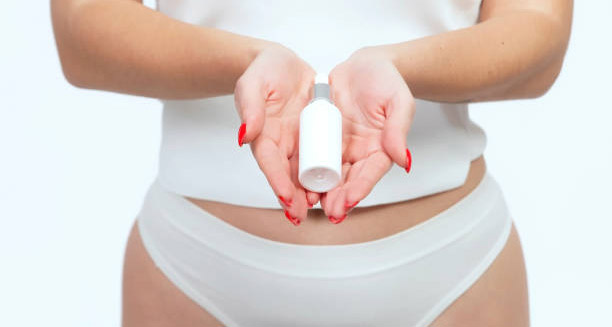
Treatment of labial fusion is typically straightforward and non-invasive, particularly when identified early. In most cases, labial fusion can be managed with little intervention, especially if it causes no symptoms. However, if there are issues such as trouble urinating, discomfort, or hygiene problems, active care becomes necessary. The main goal of the treatment of labial fusion is to restore normal anatomy, improve urination, and lower the risk of future problems. The first step is to decide whether treatment is even needed. Labial fusion is a harmless condition and often gets better with time as a child grows. If there are no symptoms and a partial opening is still visible, doctors may simply recommend watching and waiting. During this period, parents are advised to keep the area clean and avoid rough wiping, which can irritate the skin and make things worse. When Treatment of Labial Fusion Becomes Necessary When symptoms are present or the labia are fully fused, treatment of labial fusion usually starts with oestrogen cream. This cream helps separate the labia by thickening and maturing the skin. Doctors often prescribe conjugated oestrogen or oestriol cream, applied once or twice a day for 2 to 4 weeks. Correct use of the cream is very important. Caregivers should apply a small amount with a clean finger or cotton swab. The cream should be gently rubbed along the line where the labia are stuck—never forced open. Over time, the tissue softens and separates naturally. It’s also crucial not to overuse the cream. Too much can cause mild side effects, like skin irritation, darkening of the skin, or even slight breast development, which usually goes away after treatment stops. In most cases, oestrogen cream works well. More than 80% of children treated this way see full separation. However, the fusion may return in up to 30% of cases. This often happens when irritants remain, or hygiene continues to be poor. To help prevent this, doctors recommend gentle cleaning with warm water, avoiding scented products, and using barrier creams like petroleum jelly after separation. Additional Options in the Treatment of Labial Fusion If the condition doesn’t respond to oestrogen, a mild steroid cream like hydrocortisone might be used. This cream reduces swelling and helps break down the tissue that holds the labia together. Steroids should only be used under medical guidance, as overuse can thin the skin or make it more sensitive. In rare cases, when other treatments fail or serious problems arise—like urinary retention or frequent infections—a minor surgery may be needed. Surgical treatment of labial fusion is simple and done in a clinic. The doctor carefully separates the labia with a blunt tool, often under local anaesthetic. The procedure is quick and generally painless for children. After surgery, care at home is essential. Doctors usually suggest using oestrogen cream or petroleum jelly for a few weeks to prevent the labia from fusing again. They may also advise parents to gently pull the labia apart during cleaning routines, which keeps the tissue open as it heals. Tailoring Treatment of Labial Fusion for Older Patients In older girls and postmenopausal women, hormonal changes can affect treatment. In these cases, oestrogen cream remains useful, but hormone replacement pills may also help if vaginal dryness or other symptoms are present. If a skin condition like lichen sclerosus is found, doctors must treat that as well. One key part of treatment of labial fusion—often forgotten—is emotional support. For young children, any exam or treatment involving the genitals can feel scary. Parents and healthcare workers should explain each step in a calm, age-appropriate way. This helps the child feel safe and not ashamed. For older patients, counselling or support groups may help ease anxiety or self-esteem concerns. Preventing future fusion is an important part of long-term care. Teaching caregivers about gentle cleaning, avoiding irritants, and watching for early signs of fusion can stop the issue from returning. Keeping the area dry and avoiding wet clothing also helps reduce irritation. Raising awareness among general practitioners and paediatricians is vital. When they understand the condition, they can make the right decisions and avoid unnecessary referrals or treatments. In conclusion, treatment of labial fusion works well when done with care and clear guidance. Oestrogen creams are the main treatment, supported by good hygiene and sometimes surgery. Most children recover fully and continue to grow up healthy and confident. [Next: Complications of Labial Fusion →]

Treatment of Labial Fusion Read More »

Complications of Labial Fusion

Complications of Labial Fusion

Complications of labial fusion can vary depending on the severity of the adhesion, the person’s age, and whether treatment is given correctly. In many cases, labial fusion is harmless and resolves on its own or with simple treatment. However, if left untreated or if it returns repeatedly, it can cause both physical and emotional problems. Understanding the complications of labial fusion helps ensure early diagnosis, proper care, and long-term success. Urinary Tract Infections and Urinary Obstruction The most common issue is a urinary tract infection (UTI). When the labia minora stick together, they can block the vaginal or urethral openings. This can trap urine or make urination difficult. Trapped urine creates a warm, moist environment where bacteria can grow, leading to UTIs. Symptoms may include painful urination, frequent urination, bedwetting in toilet-trained children, fever, or general discomfort. If these infections are not treated quickly, they can affect kidney health. Another problem is poor urine flow. When the fusion is nearly complete, the urine stream may be weak or misdirected. This can lead to dribbling, urine leakage after peeing, or trouble emptying the bladder. Some children may strain to urinate, which can cause bladder problems such as instability or incontinence over time. Discomfort, Inflammation, and Skin Problems Children with labial fusion often experience discomfort in the genital area. This can be due to trapped urine or natural secretions, which may cause redness or irritation. The skin can become inflamed and fragile. As a result, small tears may form during normal activities like walking or playing. These can be painful and may lead to slight bleeding, which often alarms caregivers. Emotional and Psychological Effects Complications of labial fusion can also affect emotional health. Younger children may cry or show discomfort when urinating or during hygiene routines. Older girls may feel embarrassed or anxious, especially if the fusion continues into puberty. They might worry about their body or feel different from their peers. This emotional stress can impact their confidence and how they view their bodies. Recurrence and Repeat Treatments One of the most common long-term issues is recurrence. Even after successful treatment, the fusion can return. This is more likely if factors like low estrogen, poor hygiene, or irritation are not addressed. Repeated cases may need more courses of estrogen cream or other treatments. Although recurrence is not harmful, it can frustrate families and reduce their trust in the treatment process. Misdiagnosis and Over-Treatment Sometimes, doctors unfamiliar with labial fusion may mistake it for other conditions. These include birth defects, infections, or even signs of trauma. This can lead to unnecessary tests, referrals, or concern. Accurate diagnosis is essential to avoid causing extra stress for the family. Treatment Side Effects and Rare Surgical Needs Topical estrogen creams are usually safe, but overuse or incorrect use can cause side effects. These may include breast swelling, vaginal discharge, or skin darkening. These effects are temporary and mild, but they may still worry caregivers. If treatment is stopped too early, the fusion may not fully resolve. In rare cases, surgery may be needed. This usually happens when creams do not work or when the fusion causes severe blockage or ongoing infections. Surgery is often simple and successful, but like any procedure, it carries small risks such as infection, injury, or scarring. Good follow-up care is key to avoid re-fusion or healing problems. Social Challenges and School Difficulties Social issues can also arise. Children who leak urine or have repeated infections may feel embarrassed. They may avoid school, sports, or time with friends. These struggles can affect their mood and confidence. Early treatment and sensitive care can help protect their emotional well-being. Complications in Postmenopausal Women Labial fusion is less common in older women, but it can still occur after menopause. The drop in estrogen can cause the labia to stick together. This may lead to pain, trouble with hygiene, or pain during sex. These issues can affect relationships and quality of life. Scarring and Caregiver Strain If the fusion is not treated, or if infections keep coming back, the tissue may scar. Scar tissue is tougher and less flexible, which can make future treatment harder and more painful. Finally, caregivers may feel overwhelmed. Caring for a child with labial fusion involves daily cleaning, applying medicine, and talking about private topics. Some caregivers may feel unsure or unsupported. This stress can affect family dynamics and reduce their confidence in managing the condition. Conclusion Complications of labial fusion can range from mild irritation to more serious issues like urinary problems, repeated infections, and emotional distress. Fortunately, most of these can be prevented or treated with proper care. A complete approach that includes physical, emotional, and social support offers the best results for both the child and their family. [Next: Back to Overview →]

Complications of Labial Fusion Read More »

Scroll to Top